


Planning a trip in the U.S., whether you’re from abroad or exploring your own country, involves choosing from many famous attractions. Some, though, can be disappointing. To help you plan wisely, here are some places you might want to skip.
Roswell, New Mexico
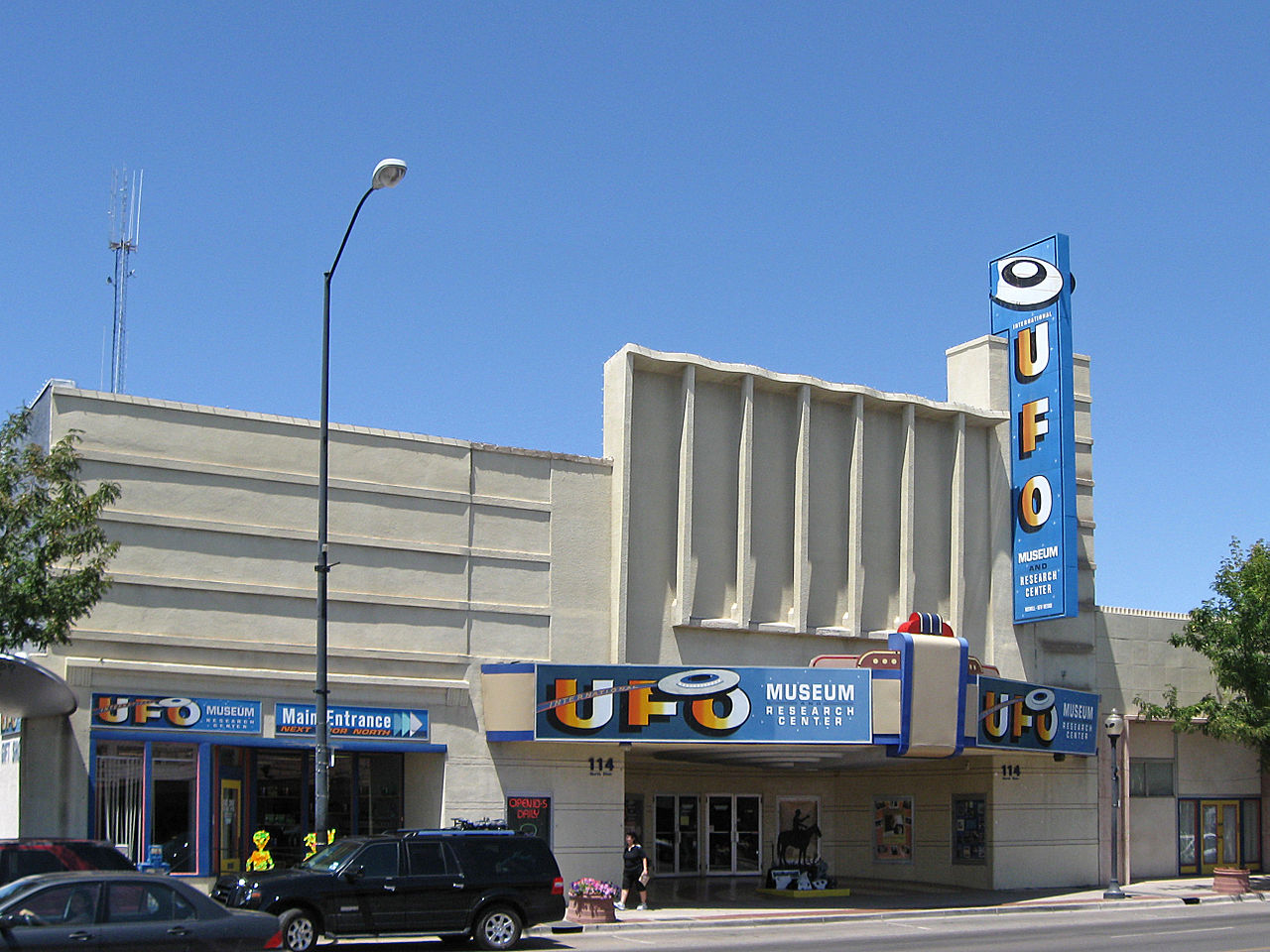
Roswell, New Mexico, is well-known among conspiracy theorists and space enthusiasts for the belief that it was the site of an alien spaceship crash in 1947, a theory disputed by the US military, who claimed it was a weather balloon. Over the years, Roswell has embraced this reputation, transforming into a destination with alien-themed buildings, attractions, and souvenirs. However, beyond its extraterrestrial theme, many visitors find that the novelty wears off quickly, as it offers an experience similar to other themed attractions worldwide.
Atlantic City Boardwalk
Moqui Cave, Utah
Market Theater Gum Wall
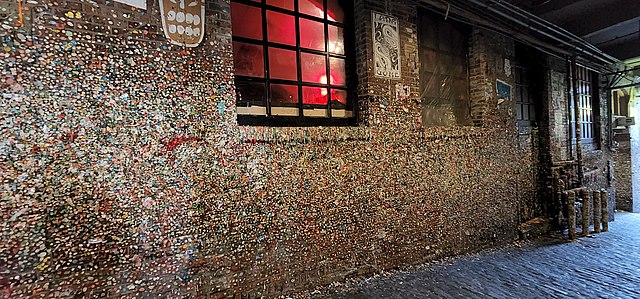
The Gum Wall in Seattle, Washington’s Market Theater is a communal art piece that grows with each visitor’s contribution, but it’s not everyone’s cup of tea. The tradition began when theatergoers started sticking their used chewing gum, along with pennies, to the wall. This quirky practice quickly gained popularity, covering entire walls and pathways with millions of pieces of chewed-up gum.
However, the reality of millions of pieces of gum adhering to the walls doesn’t evoke feelings of cleanliness upon closer consideration. In fact, the Gum Wall is often cited as one of the top five most germ-ridden tourist attractions in North America.
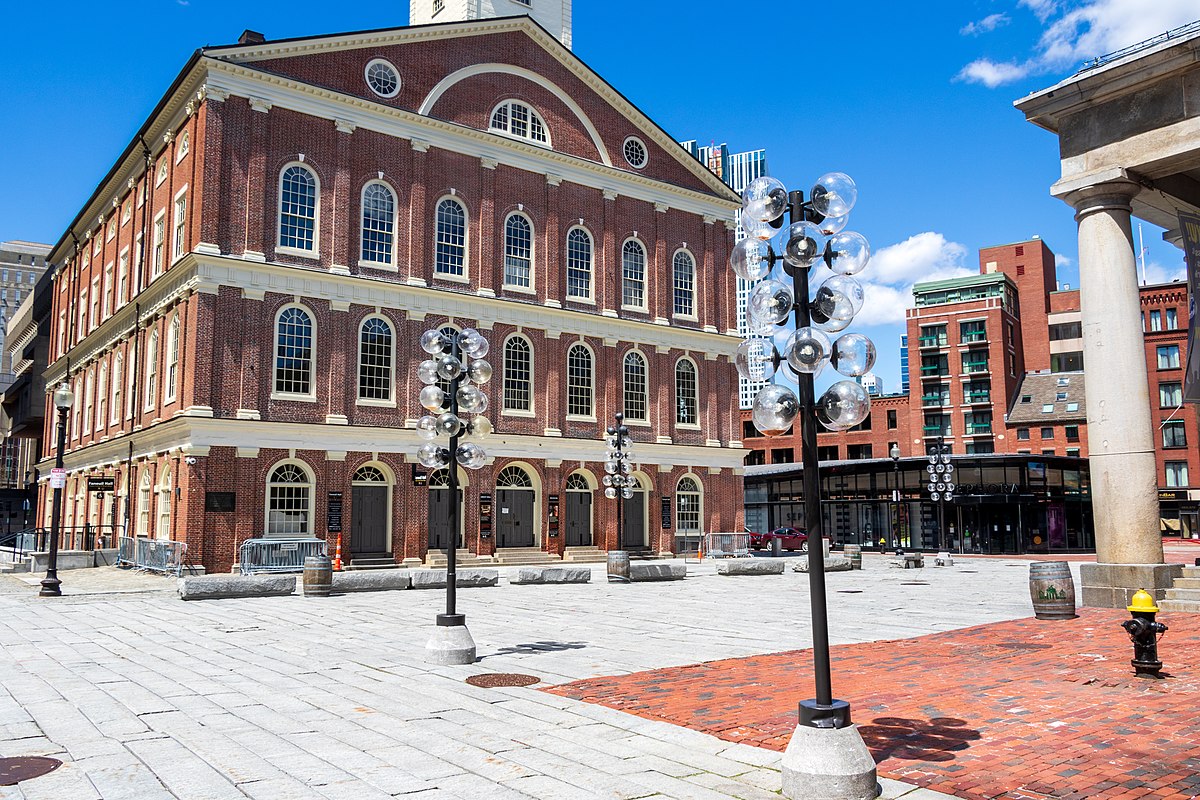
Faneuil Hall and Quincy Market
Boston, Massachusetts, boasts a rich historical landscape with numerous landmarks showcasing America’s early days. However, when planning your visit, you might want to reconsider Faneuil Hall and Quincy Market. Once vibrant hubs where Bostonians shopped, socialized, and celebrated community, these sites have transformed into tourist-heavy areas.
Today, these markets are primarily crowded with visitors rather than locals, featuring chain stores offering products found nationwide. While historically significant, Faneuil Hall and Quincy Market have largely evolved into tourist traps, losing much of their authentic local charm.
Ave Maria Grotto
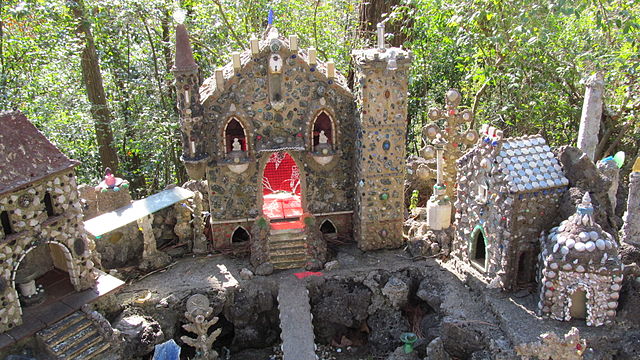
Cullman, Alabama, is home to the Ave Maria Grotto, situated on the grounds of St. Bernard Abbey. This park is notable for its collection of 125 miniature replicas of various religious structures from around the world. While the grotto appeals to those interested in religious history, many visitors might find that experiencing the actual sites themselves would have been more fulfilling.
The miniature replicas, though detailed, lack the awe-inspiring presence and spiritual significance of the original sites. Religious landmarks often evoke a sense of reverence and faith that cannot be replicated in miniature form. While the replicas are intricately crafted, they may be perceived more as novelties rather than profound religious experiences, especially for those who regularly attend cathedral services.
The “A Christmas Story” Home
The 1983 film “A Christmas Story” is a beloved holiday classic, cherished by many fans who watch it annually. However, visiting the actual house and museum featured in the film may not appeal to all enthusiasts. While the museum offers intriguing items for film history buffs, the house itself remains a typical Ohio residence.
Compared to visiting historically significant sites like William Taft’s former home, now a museum, or the Cincinnati Music Hall, opting to tour a regular house from a beloved Christmas movie might seem less compelling to some.

Rhode Island’s Mysterious Viking Tower
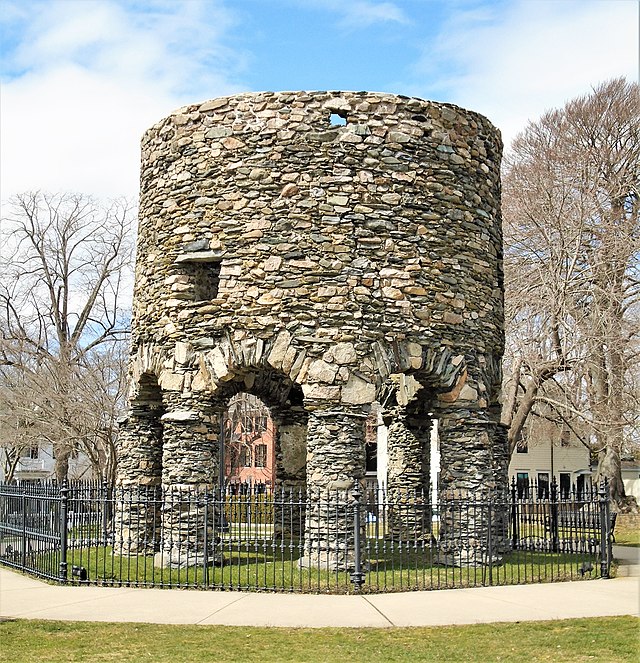
Rhode Island’s Mysterious Viking Tower is a notable tourist attraction due to its enigmatic origins—no one knows who built it or why it exists. Located in Newport, it stands as a curious and somewhat random structure amidst the city’s backdrop. However, despite its mysterious allure, the lack of concrete information about its history often leaves visitors underwhelmed.
If it were definitively proven that Vikings constructed the tower, it would hold significant historical value as one of the oldest buildings in the country. Yet, without such confirmation, the tower’s appeal as a tourist attraction diminishes. Speculation that it might have been built by an eccentric with disposable income further dampens its allure, leaving it with little else to offer beyond its mystery.
Mall of America
The Mall of America in Bloomington, Minnesota, holds the distinction of being the largest mall in the United States, featuring over 500 stores, a theme park, an aquarium, and numerous attractions designed to draw in visitors. Despite its extensive offerings, the mall often grapples with a common tourist dilemma: overcrowding. Its popularity means there’s rarely a quiet day for leisurely shopping, as throngs of visitors are always on the move, covering ground quickly.
While the mall offers a wide array of stores catering to every possible need, its sheer size and variety can lose their novelty once visitors realize it’s essentially a massive shopping complex.

Times Square
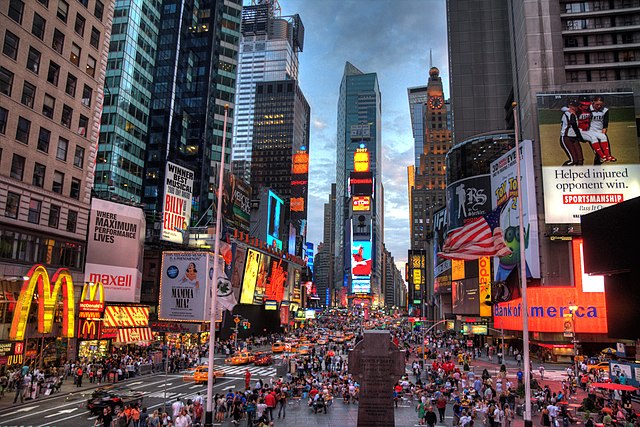
Times Square in New York City is a landmark often highly recommended by tourism guides, but it may not live up to its hype for everyone. Situated in the heart of Manhattan at a bustling intersection, Times Square overwhelms visitors with massive crowds, constant advertisements, and noisy performances all vying for attention. Ironically, what initially draws people to Times Square—the vibrant atmosphere and spectacle—can also be the reason they find it underwhelming.
While Times Square offers a unique experience as a hub of bustling activity and diverse lives intersecting, the individual attractions there may not be as distinctive. The advertisements can be seen on television, and the stores are similar to those found elsewhere, leading some visitors to feel that Times Square lacks a special quality beyond its energetic ambiance.
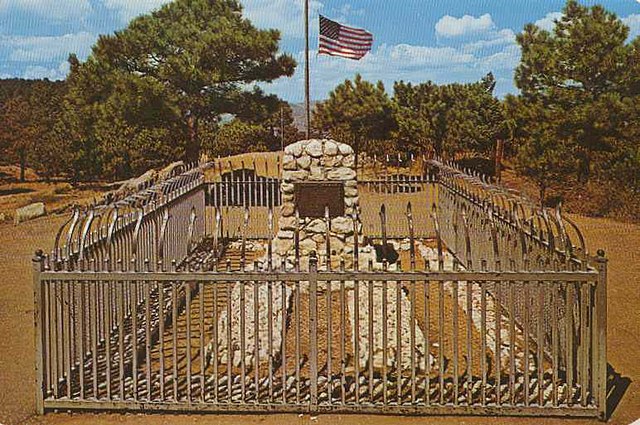
Buffalo Bill’s Grave
Buffalo Bill’s grave, located in Golden, Colorado, is often considered underwhelming for a superstar of his stature. While it’s adorned with a fence and maintained more than an average grave, it lacks the grandeur expected of a major tourist attraction. Those interested in Buffalo Bill’s history may find more satisfaction visiting the nearby Buffalo Bill Museum instead.
Interestingly, there’s a legend that suggests this grave might not even hold Buffalo Bill’s actual remains. According to some accounts, his body underwent a swap, and he might be buried in Cody, Wyoming, instead. This adds a layer of intrigue to the site, but it also contributes to the ambiguity surrounding its significance as a tourist destination.
Mars Cheese Castle
The Mars Cheese Castle in Kenosha, Wisconsin, is renowned as a quirky “cheese landmark” that embodies the state’s love for cheese. Known for its cheesehead hats and extensive cheese selection, along with sausages, wine, and specialty condiments, the Cheese Castle attracts visitors for its novelty. However, despite its popularity, it’s often criticized for being overpriced, considering its primary appeal lies in its oddity rather than exceptional quality or variety.
For cheese enthusiasts, particularly those deeply passionate about cheese, the Mars Cheese Castle may hold some excitement. Yet, for many visitors, the novelty wears off quickly as it primarily revolves around cheese, making it less appealing beyond its initial charm.

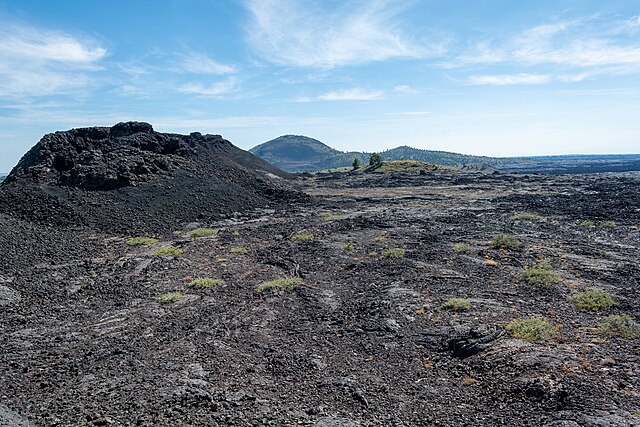
Craters of the Moon
Craters of the Moon National Monument and Preserve in Snake River Plain, Idaho, certainly has an evocative name that suggests intrigue and wonder. However, for visitors who aren’t particularly interested in geology, the appeal often ends there. The area features three expansive lava fields and steppe grasslands punctuated by deep rift cracks, including one of the deepest known on Earth. While fascinating from a natural history perspective, it may not captivate the average tourist, leading to potential disappointment.
Despite its designation as a national monument, Craters of the Moon is characterized by a stark, barren landscape dominated by volcanic rock formations, which may not offer much excitement for many visitors. Even for those with a mild interest in geology, the initial allure of the unique name may not sustain their excitement for long.
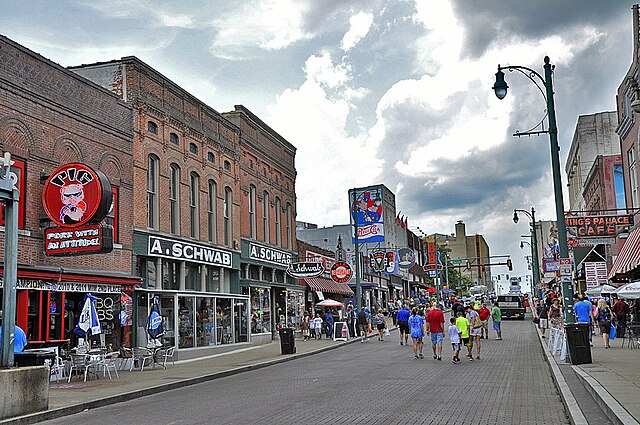
Beale Street
Beale Street in Memphis, Tennessee, holds significant cultural history as a vibrant hub of blues music during the 1920s. As the popularity of blues grew, the street became known for its numerous clubs, restaurants, and eventually festivals and concerts. However, despite its rich historical roots, Beale Street today has largely lost the authentic culture that once defined it.
Today, Beale Street is dominated by overpriced restaurants, bustling streets crowded with vendors, and commercial establishments that attempt to capitalize on its historical legacy. Many of the original clubs and concert halls that were integral to its cultural fame have been replaced by more corporate entities, diminishing the street’s original charm and soulful atmosphere.
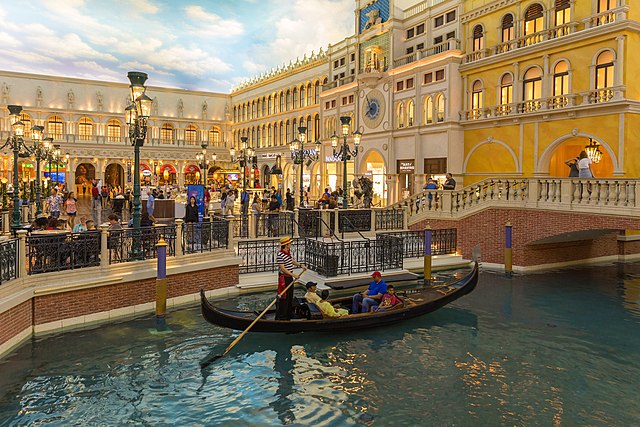
Las Vegas’ “Venetian” Gondolas
Las Vegas, Nevada, is renowned for its plethora of tourist attractions, including hotels, clubs, and casinos that vie for visitors’ attention and money. One particular attraction often highlighted in travel recommendations is the gondola rides. However, unlike the famous gondolas of Venice, these Vegas imitations fall short of expectations.
The gondola rides in Las Vegas are typically brief, averaging around 15 minutes. Unlike their picturesque counterparts in Venice, these rides offer little in terms of scenic views—mostly showcasing the interior of stores or the bustle of gamblers. The water in these canals is akin to highly chlorinated pool water, lacking the charm and authenticity associated with the Venetian experience. Despite the steep prices charged, the Vegas gondola rides often fail to deliver the glamorous and romantic ambiance promised by their marketing.
The Desert of Maine
When thinking of Maine, picturesque coastal towns, lush forests, and pristine lakes often come to mind. However, Maine is also home to a peculiar attraction: the Desert of Maine in Freeport. This natural curiosity is a barren expanse of glacial sand, privately owned and surrounded by pine trees.
While the Desert of Maine may seem intriguing, its reality is more melancholic than exciting. Originally caused by poor farming practices that stripped the land of vegetation, it stands today as a stark reminder of environmental degradation. The area’s existence serves as a testament to human impact on the environment, with its once fertile landscape transformed into a visually unimpressive tourist attraction.

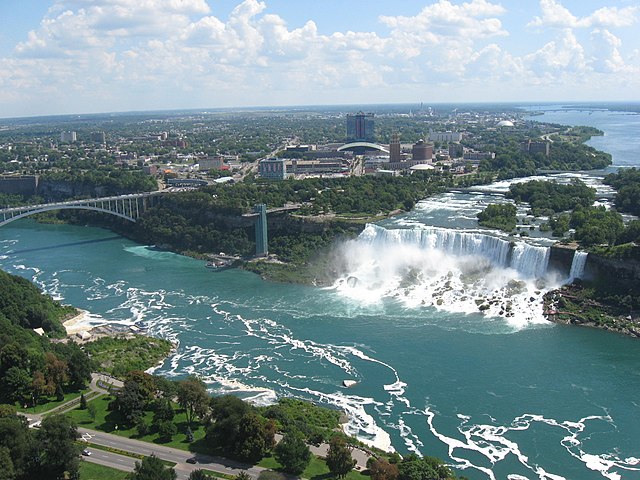
Niagara Falls
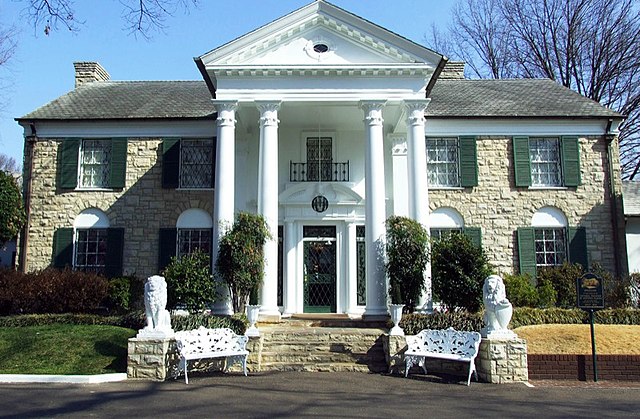
Graceland, Tennessee
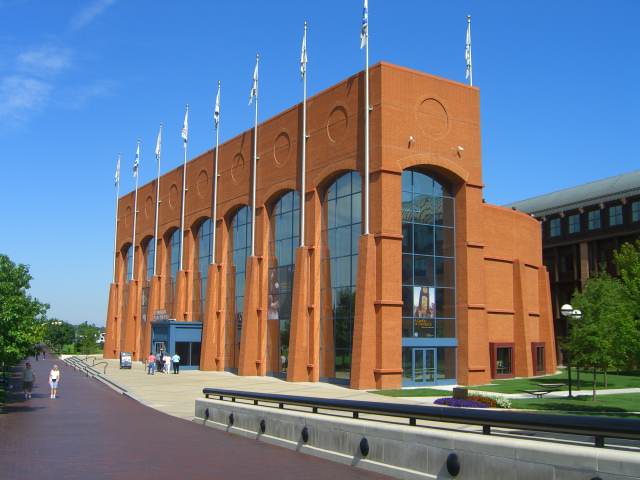
The Hall of Champions
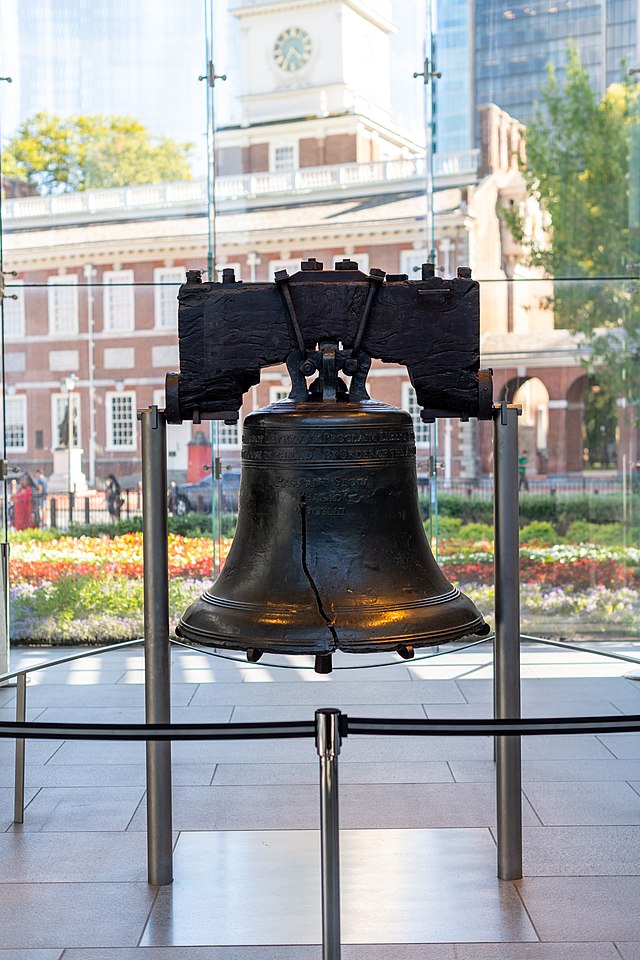
Liberty Bell
Epcot
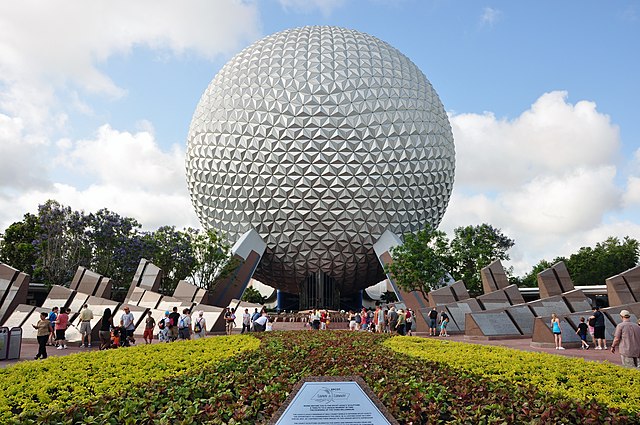
Santa Claus’ House

Rock of Ages
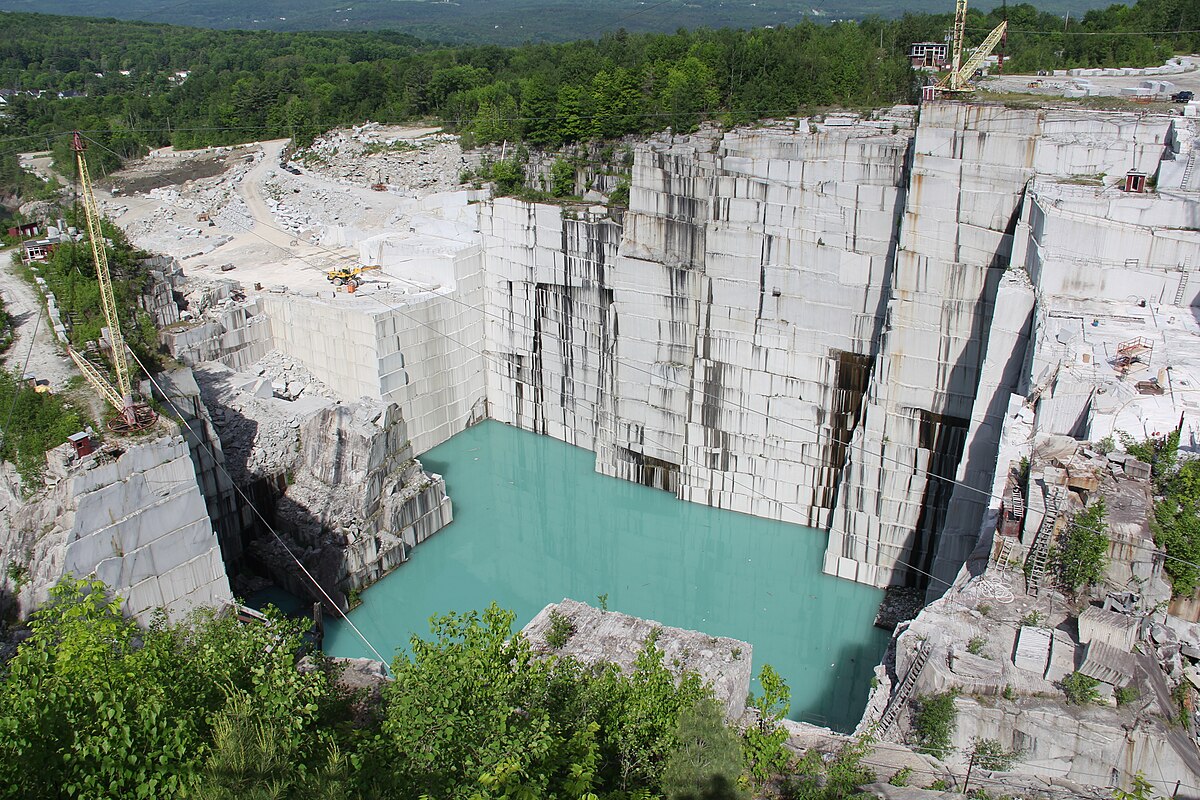
Creation Museum

The Last Shell Service Station
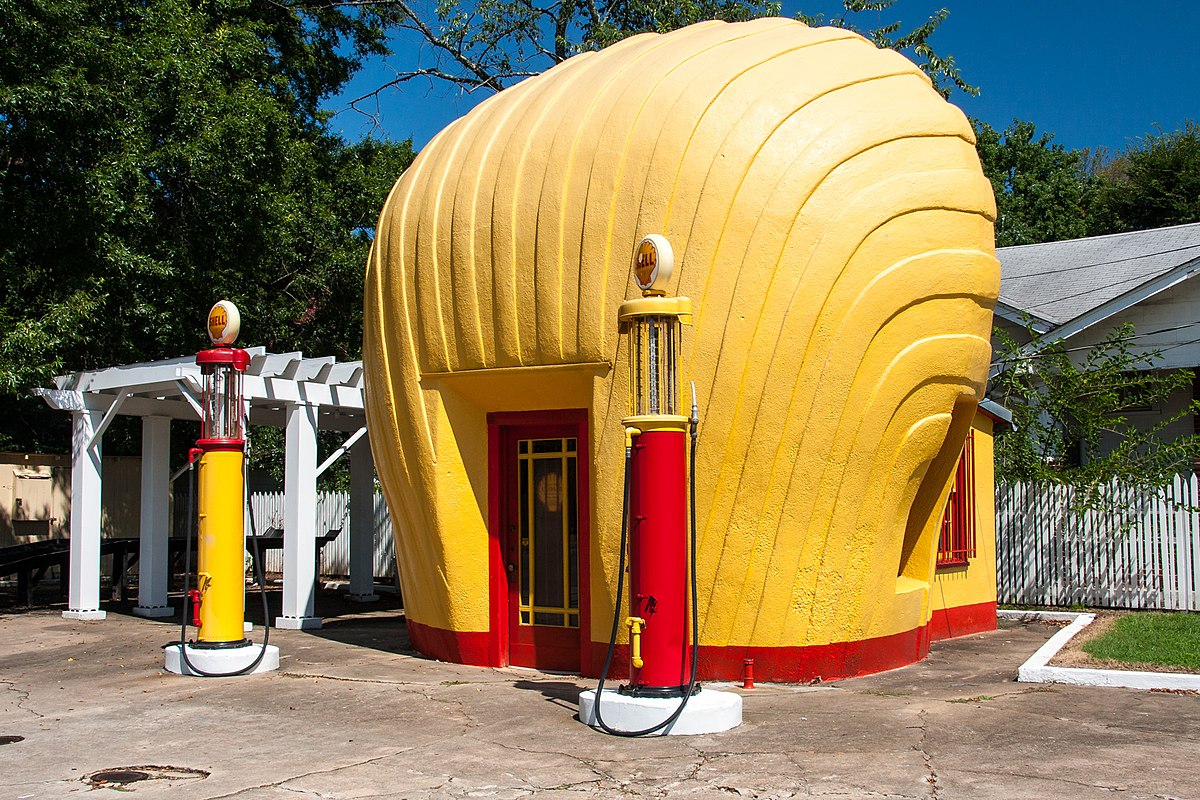
Crater of Diamonds State Park
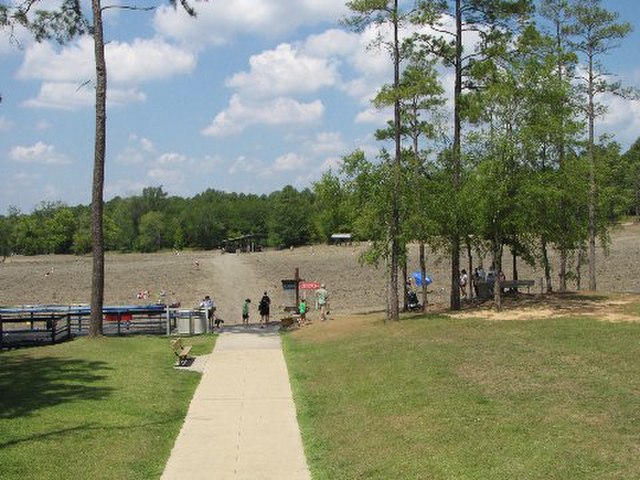
The Hollywood Walk of Disappointment
South of the Border
The Corn Palace
Rehoboth Beach Boardwalk
Please SHARE this with your friends and family.


