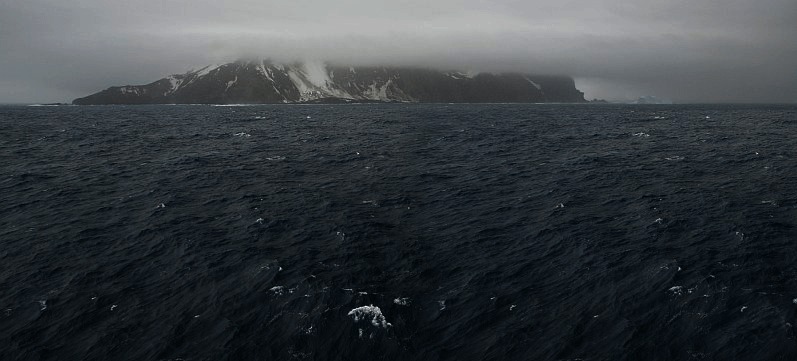
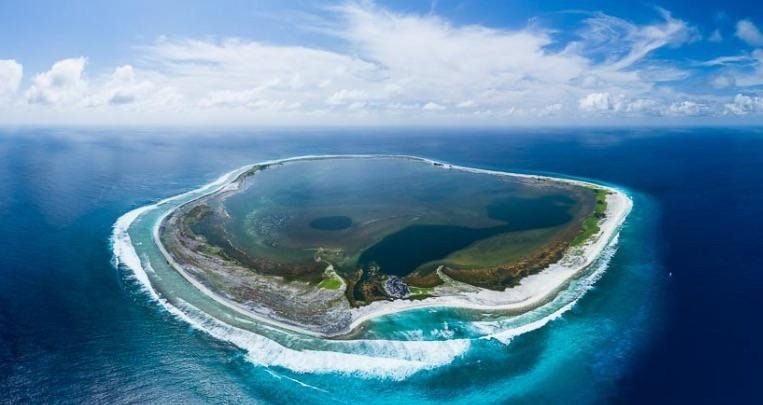
While island getaways often conjure up images of idyllic beaches and tranquil escapes, some archipelagos are better left undisturbed. These eerie islands, often abandoned, teeming with dangerous creatures, or steeped in dark histories, are not for the faint of heart.
La Isla de las Muñecas
Haunted by a tragic past, a man retreated to this island, adorning it with dolls in a misguided attempt to ward off evil spirits. While its name, “The Island of the Dolls,” might evoke an innocent allure, it’s far from a suitable destination for a family vacation.
Ōkunoshima Island
Ōkunoshima, an island in Japan’s Seto Inland Sea, is home to a thriving population of rabbits, descendants of those brought for chemical weapons testing during World War II. Despite its dark past, the island offers a unique blend of natural beauty and historical intrigue, attracting visitors seeking an unconventional adventure.
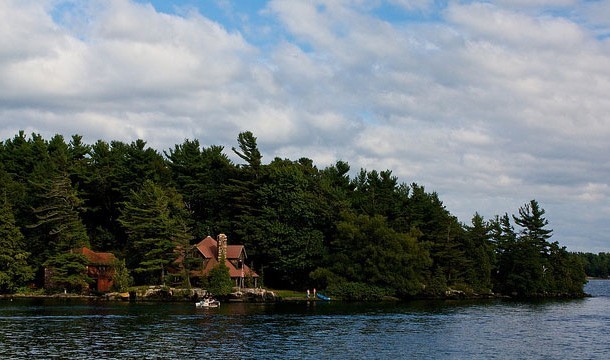
Secluded setting, unremarkable cottages, and an enigmatic secret society – these are the hallmarks of this unsettling island. Home to Yale’s enigmatic Skull and Bones society, the island’s shrouded history and rumored rituals have fueled speculation about the nature of their clandestine gatherings.
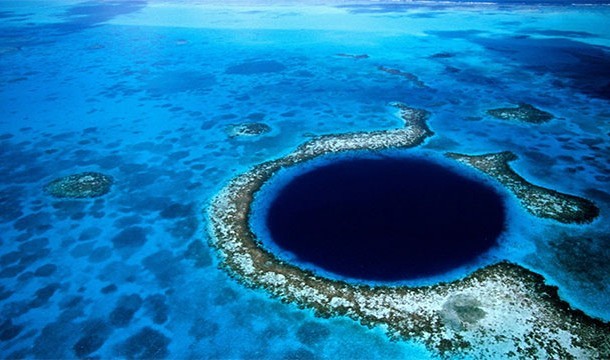
For thrill-seeking divers, the Great Blue Hole, a colossal sinkhole off the coast of Belize, beckons with its enigmatic depths. Shrouded in mystery, the hole’s allure lies in its sheer vastness and the promise of encountering marine life adapted to its darkened depths. While the thought of plunging into this abyss may leave some feeling queasy, for intrepid divers, it’s an exhilarating descent into the unknown.
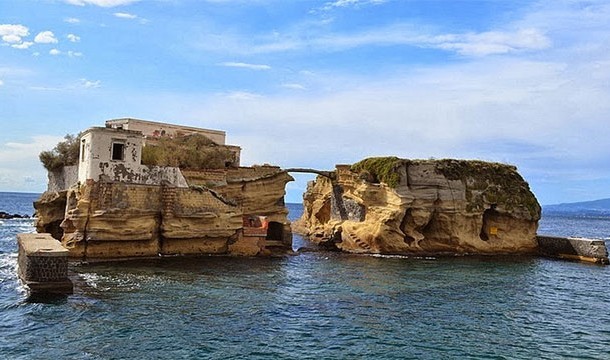
Shrouded in local lore and superstition, the island of Gaiola, nestled off the coast of Naples, Italy, carries a chilling reputation. Tales of misfortune and tragedy have plagued the island’s history, with every owner succumbing to either untimely death or financial ruin. While its serene beauty might tempt some, those seeking a tranquil island retreat would be wise to steer clear of Gaiola, unless they embrace the notion of eternal peace through an untimely demise.
Ilhé da Queimada Grande, also known as Snake Island, is an island off the coast of Brazil known for its high concentration of venomous snakes. The island is home to an estimated 4,000 golden lancehead vipers, one of the most venomous snakes in the world. Due to the danger posed by these snakes, the Brazilian Navy has forbidden people from visiting the island.
A haven of biodiversity, this captivating island off the coast of Yemen harbors a mesmerizing array of plant and animal life, with many species found exclusively within its borders. This ecological treasure trove stands as a testament to the planet’s astonishing diversity and the enduring power of nature.
A spectacle of nature unfolds on this island as over 120 million crabs embark on an epic mating migration. Emerging from their jungle havens, these crustaceans traverse the land in a month-long odyssey towards the inviting shores. As they seek their amorous counterparts, it’s wise to give these determined crabs the right of way.
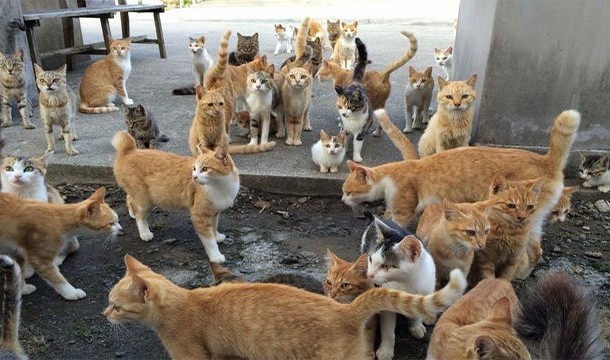
In a feline twist of fate, this island transformed into a veritable cat haven. In the 1850s, an influx of felines was introduced to combat a burgeoning mouse population. With the departure of human inhabitants over time, the cats flourished, their numbers multiplying at an astounding rate. Today, they reign supreme, earning the island the fitting moniker of Cat Island.
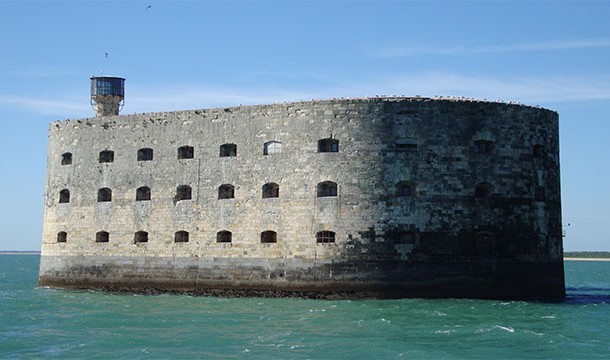
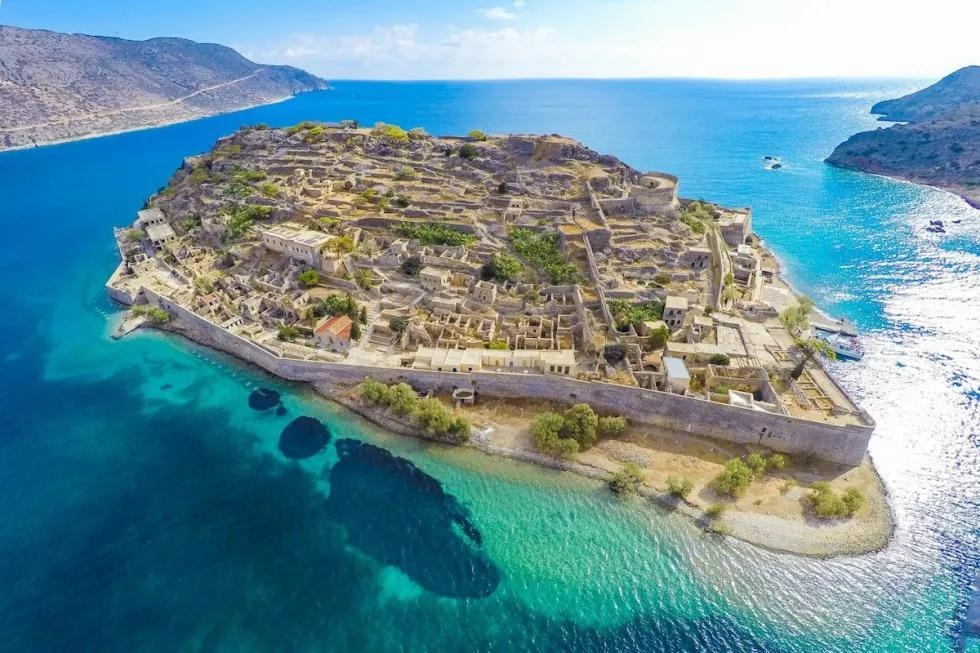
This island, once constructed by the French military as a formidable fort, succumbed to the relentless march of technological advancement, rendering it obsolete. Its imposing structure was swiftly repurposed, transforming from a bastion of defense into a grim prison, a stark reminder of the ephemeral nature of military might.
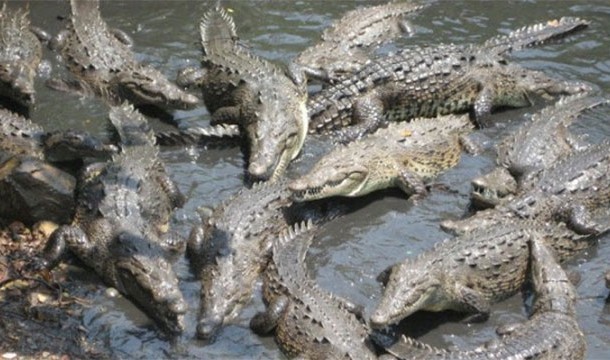
Ramree Island in Burma is known for the Ramree Island crocodile attack of February 1945, which holds the Guinness World Record for the most fatalities in an animal attack. During the Battle of Ramree Island, the retreating Japanese soldiers fled across the swampy mangroves infested with saltwater crocodiles. It is estimated that over 500 Japanese soldiers were killed and eaten by the crocodiles.
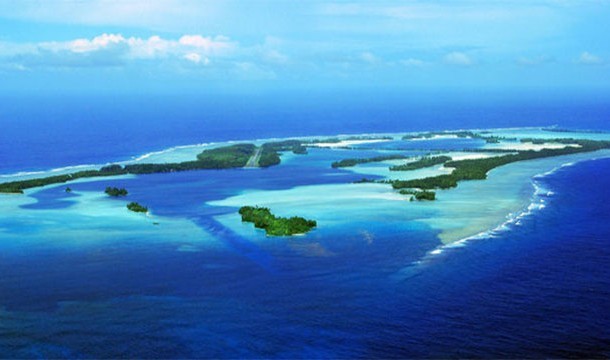
In 1974, Palmyra Atoll was the site of a gruesome murder that shocked the world. A wealthy San Diego couple, Malcolm and Eleanor Graham, were killed by Duane “Buck” Walker and his girlfriend, Stephanie Stearns. The couple had been sailing from San Diego to Tahiti when their boat ran aground on Palmyra.
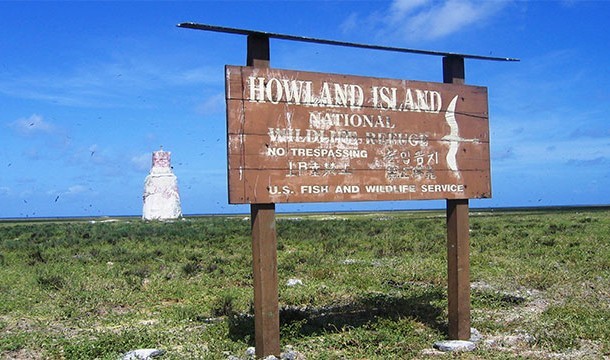
Amelia Earhart and her navigator vanished on their flight around the world. Howland Island, their intended destination, is a small, uninhabited coral island with challenging landing conditions.
Poveglia Island off the coast of Venice is a former mental hospital now shrouded in mystery and tales of unethical experiments. It’s closed to the public and serves as a haunting reminder of the island’s troubled past.
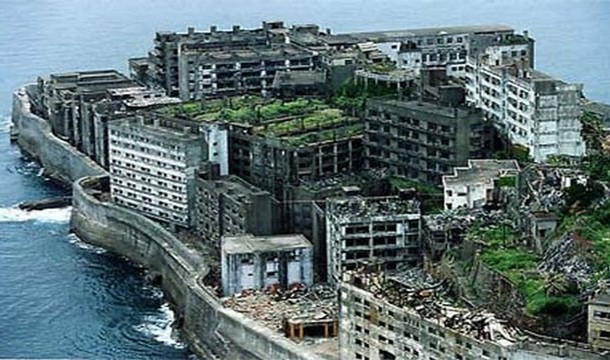
Once a site of forced labor and human suffering, this former Japanese mining colony evokes a somber past, making it an unlikely destination for leisure seekers.
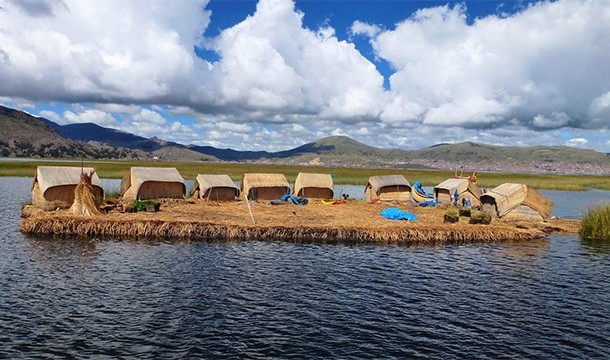
Faced with the threat of neighboring tribes, the ingenious Uros people devised a remarkable solution – constructing their own floating island havens from woven reeds.
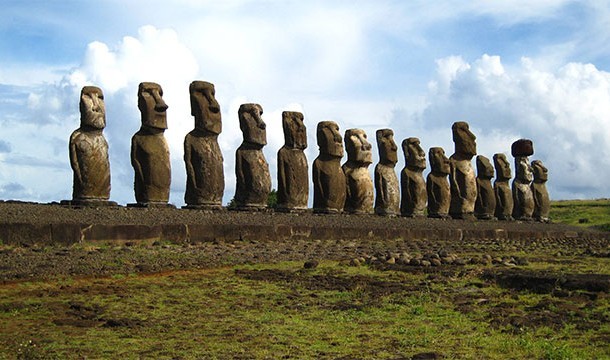
Easter Island’s iconic moai statues, colossal monoliths carved by the Rapa Nui, continue to captivate the world with their enigmatic presence and the enduring mystery surrounding their creation and transportation.
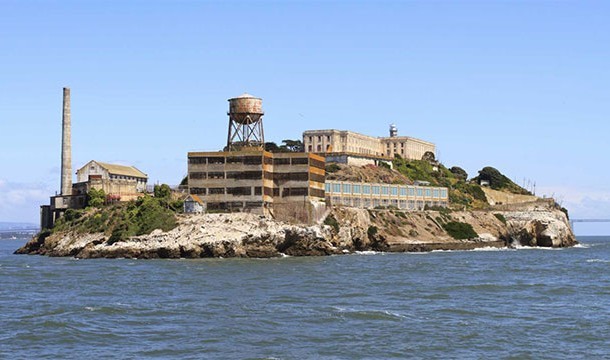
Despite its closure for over five decades, Alcatraz Island, the legendary prison in the San Francisco Bay, remains shrouded in tales of paranormal encounters, attracting thrill-seekers and ghost hunters alike.
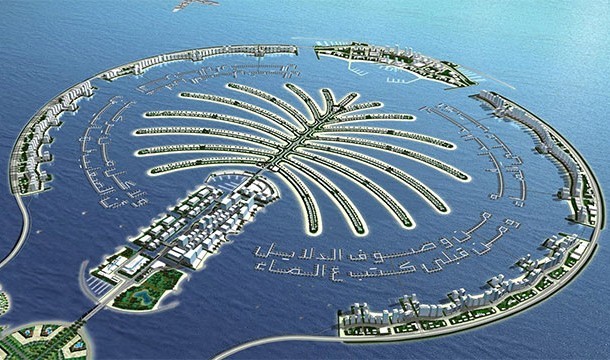
Dubai’s man-made luxury island epitomizes the growing trend of human-engineered environments, prompting questions about our impact on the planet and the allocation of resources.
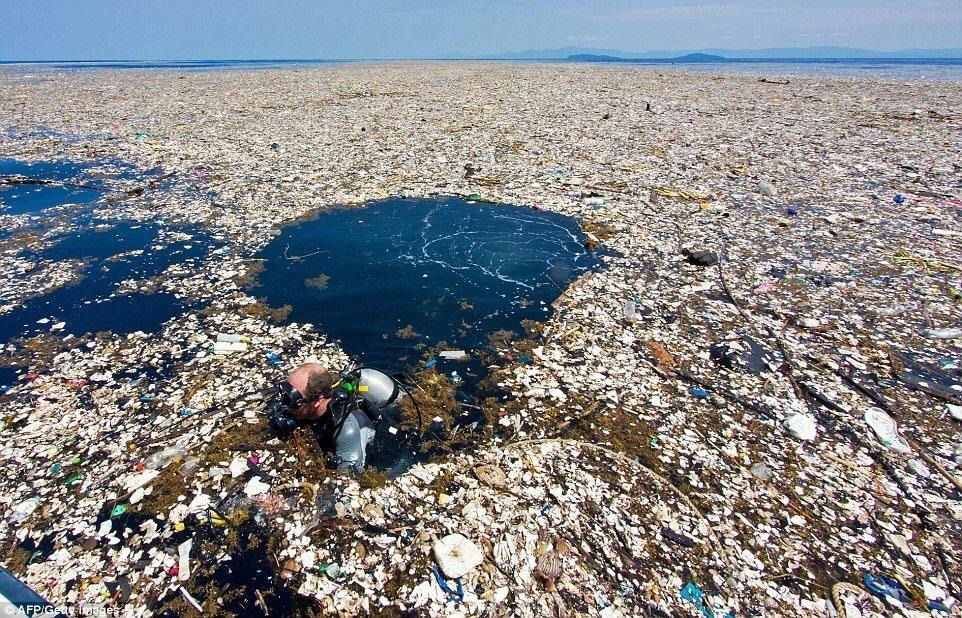
Spanning a staggering area twice the size of the United States, a swirling vortex of plastic debris has amassed in the ocean, a sobering symbol of our unchecked consumption and disregard for the environment.
North Sentinel Island, while technically under Indian jurisdiction, remains fiercely autonomous, with its indigenous inhabitants fiercely protecting their isolation through the use of weapons.
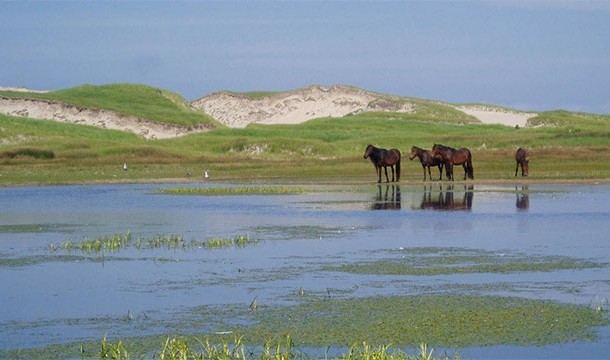
Sable Island, a sanctuary for feral horses and a cautionary tale of maritime disasters, stands as a formidable testament to the unforgiving nature of the Graveyard of the Atlantic, discouraging leisurely boat trips.
Explorers found that the natives cannibalized and tortured children and the elderly when they first set foot on the island. Now it’s a popular tourist destination.
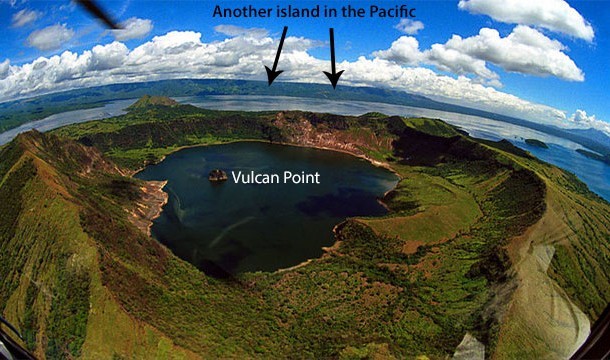
This island, nestled within a lake on an island within another lake, presents a fascinating instance of geographical recursion, where land and water intertwine in a captivating interplay.
The persistent sulfur dioxide emissions from this volcanic island necessitate the use of gas masks for residents, casting doubt on the wisdom of maintaining a permanent presence in such an inhospitable environment.
What you can find on these 35 bizarre islands seem too freaky to be real
Eduardo Gaskell
11.30.23
While island getaways often conjure up images of idyllic beaches and tranquil escapes, some archipelagos are better left undisturbed. These eerie islands, often abandoned, teeming with dangerous creatures, or steeped in dark histories, are not for the faint of heart.
La Isla de las Muñecas
Haunted by a tragic past, a man retreated to this island, adorning it with dolls in a misguided attempt to ward off evil spirits. While its name, “The Island of the Dolls,” might evoke an innocent allure, it’s far from a suitable destination for a family vacation.