Hotel workers face daily challenges dealing with diverse personalities. While you strive to be polite, some seemingly courteous habits may actually hinder their efficiency and service. Be mindful of actions that could unintentionally disrupt their work.
Grabbing stuff from the housekeeping cart
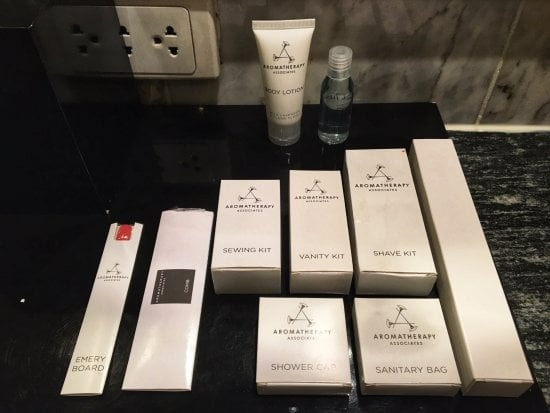
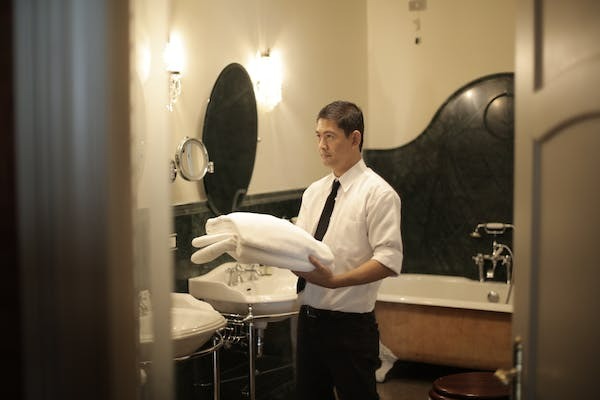
While it may be tempting to grab extra towels or amenities from housekeeping carts or open closets, doing so can create issues for hotel staff. Large hotel chains conduct daily audits, and any missing items can lead to repercussions for the employees responsible for maintaining inventory. Avoid causing inconvenience by requesting additional items through proper channels rather than taking them directly.
Requesting services on the website instead of calling
Despite the convenience of hotel websites for ordering room service or making requests, it’s actually easier for hotel staff if guests call the front desk directly. The website merely aggregates information and sends it to the front desk, where staff must interpret the requests without the ability to ask clarifying questions or provide immediate answers. Calling ensures a more direct and effective communication channel, preventing electronic requests from being overlooked or delayed.
Maria H., a housekeeper with five years of experience at a Florida resort, shares the challenge of guests assuming she lives on the property and works for the love of the resort. Despite not receiving perks or discounts, she politely navigates these misconceptions, even though it can be disheartening. Additionally, this assumption leads to guests expecting her assistance at all times, blurring the boundaries between personal and professional life.
During the pandemic, Maria faced challenges when guests insisted that it was “fine” for workers to remove their masks. This was particularly frustrating for employees who had to adhere to health mandates to keep their jobs and stay healthy. Even though the pandemic has subsided and mask mandates have been lifted, Maria still chooses to wear a mask and gloves for protection. Some guests may urge her to remove them, thinking they are being considerate, but Maria emphasizes the importance of these precautions given the nature of the daily challenges faced by workers dealing with potentially unsanitary conditions.
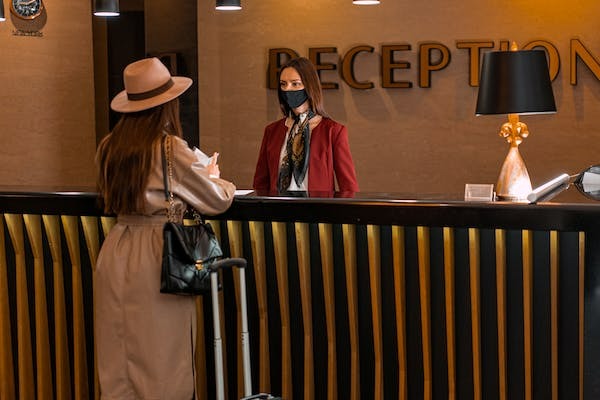
In the era of automatic checkouts, some guests who check out at the front desk often overlook reviewing their bills. Ken notes that while people may wave away the bill, expressing trust, it’s crucial to scrutinize the charges. Despite the well-intentioned gesture, mistakes can occur, and it’s essential for guests to ensure the accuracy of their expenses, as it directly impacts their finances.
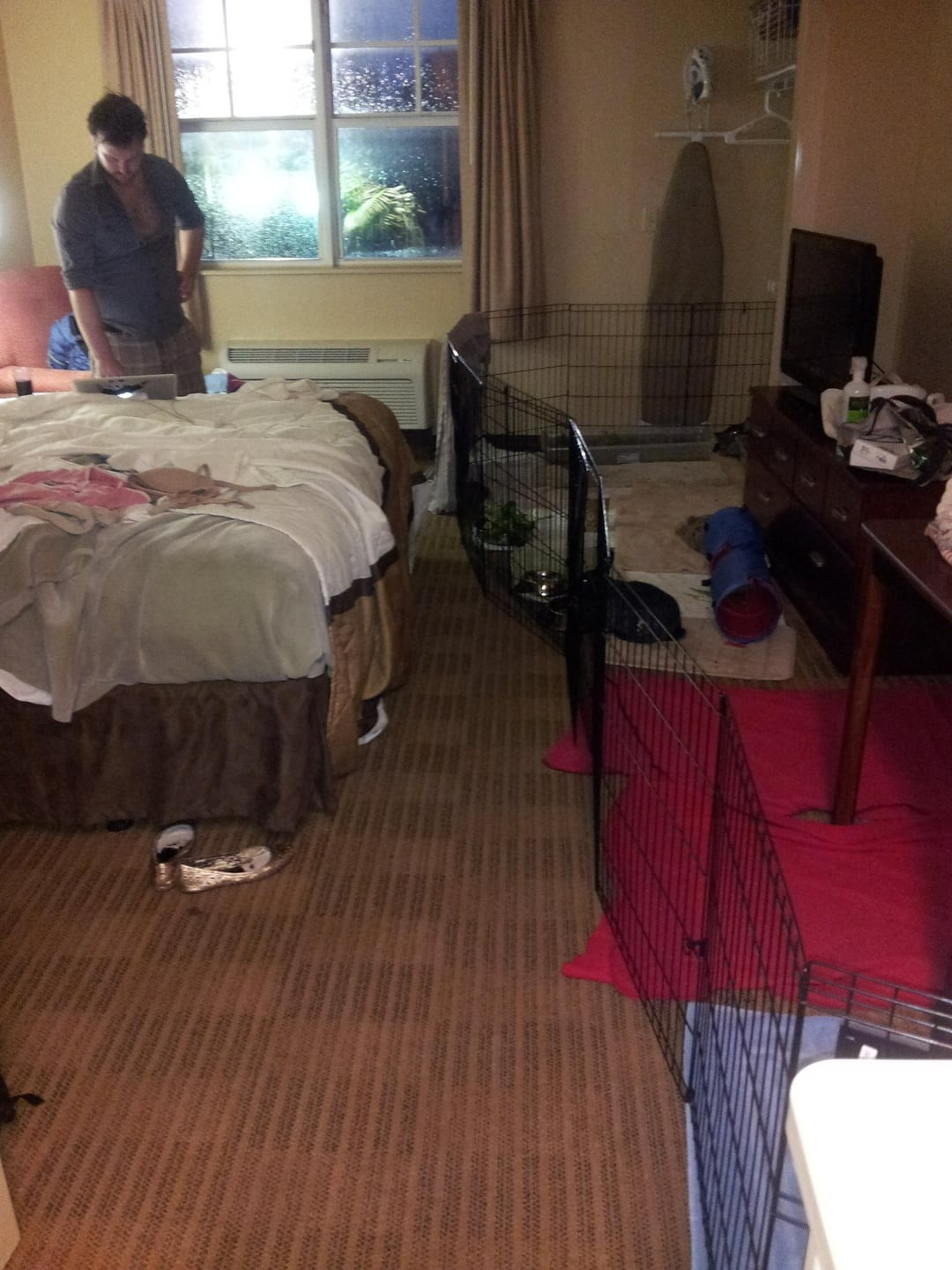
Aleph, employed at a pet-friendly hotel, faces the challenge of guests asking him to pet-sit, assuming it’s a favor. Despite being an animal lover, Aleph emphasizes that it’s additional, unpaid work that he’s not allowed to do. There are potential complications and responsibilities involved, and it’s crucial for guests to respect the hotel policies and not place employees in difficult situations.
If you encounter issues like a malfunctioning air conditioner or a lack of toilet paper, it might be tempting to approach the nearest housekeeper. However, according to Aleph, this is a significant pet peeve for hotel housekeeping. Each staff member has assigned tasks, and pulling them away can lead to trouble. Additionally, the housekeeper may not have the expertise to address certain issues, as mechanical problems often require maintenance intervention. It’s important to respect their assigned tasks and go through the appropriate channels to request assistance, avoiding surprising or alarming housekeeping staff who may be alone in a hotel room
Engaging in friendly conversations with hotel staff and treating them with kindness is appreciated, but it’s important to avoid overly personal inquiries. Hotel workers, like Sara P., express discomfort with questions about their personal lives, such as relationships, social media, residence, work schedule, education, or last name. While well-meaning, such inquiries can be intrusive. Respecting boundaries and maintaining a professional demeanor enhances the positive interaction between guests and hotel staff, aligning with the preferences of workers in various public-facing roles.
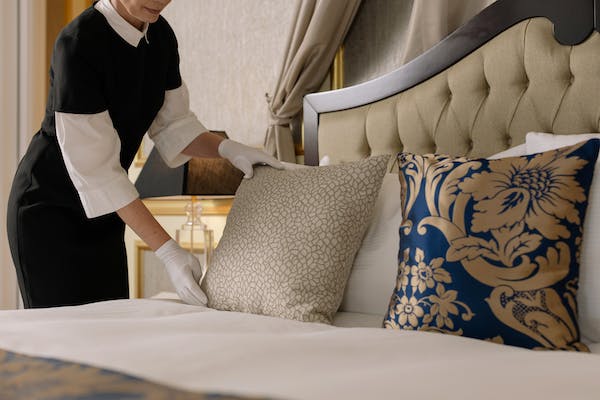
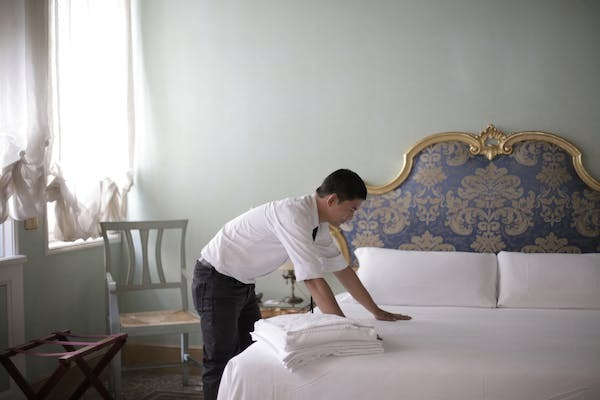
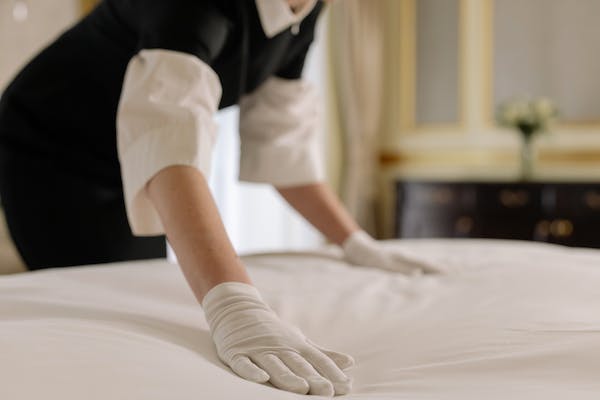
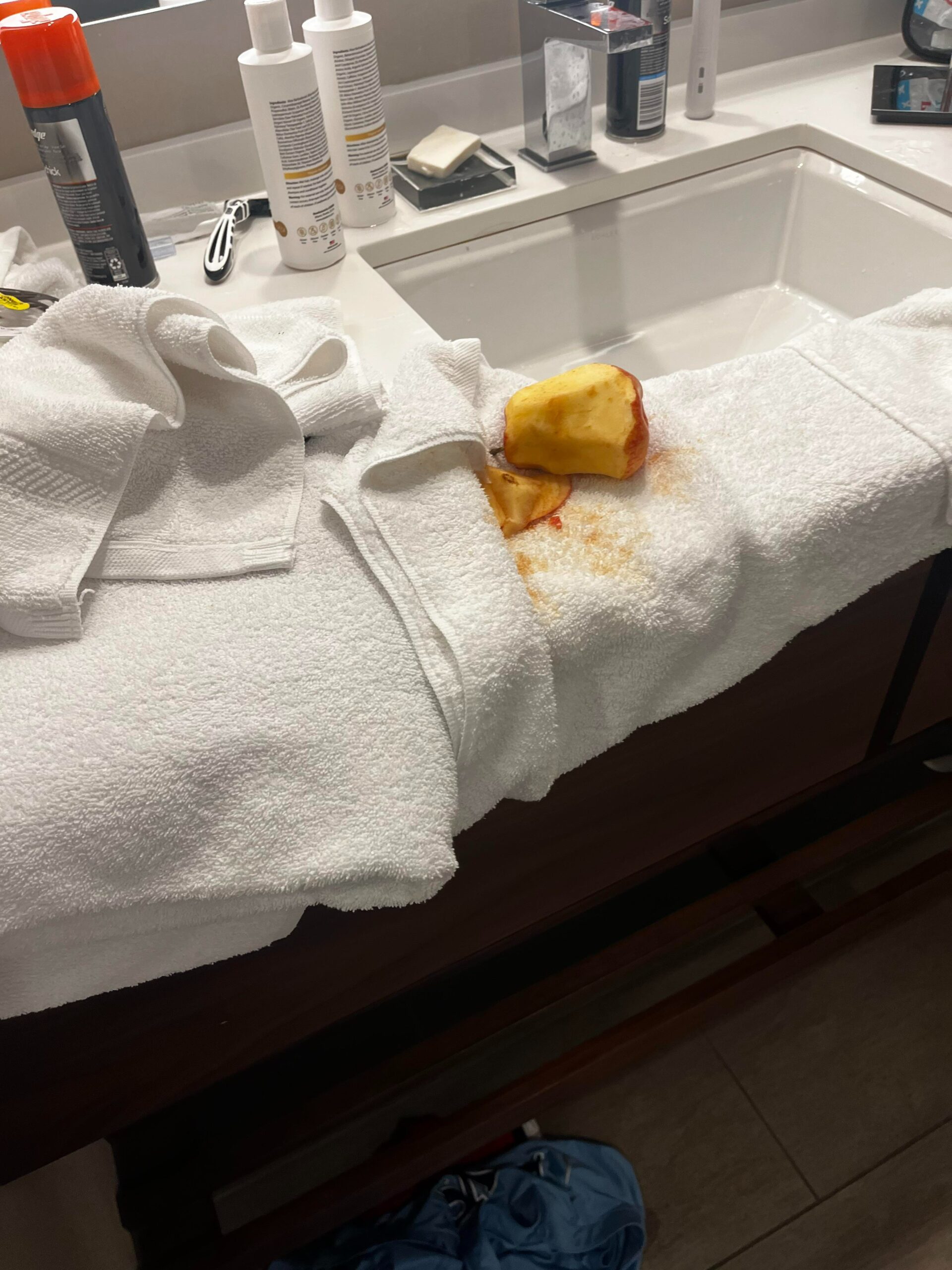
Occasionally, guests may attempt to assist housekeeping by cleaning alongside them or preemptively preparing the room. Maria points out that this can be counterproductive, especially if guests strip bedding, as it creates unnecessary work for the housekeeper. Since hotels don’t change bedding daily for the same guests, such actions end up requiring additional effort. While the intention to help is appreciated, it’s best for guests to leave the cleaning tasks to the professionals and enjoy the convenience of hotel services.
Sara, at 15 and without a driver’s license, finds it amusing when guests hand her their car keys, asking her to bring the car around. Despite well-meaning assumptions, she can’t fulfill the request. Similarly, Aleph has been asked to run errands during his shift, even with generous offers of payment. However, hotel policies prevent him from leaving his responsibilities. Guests insisting on covering for these actions with promises of secrecy can create uncomfortable situations for the staff, who are unable to comply with such requests.
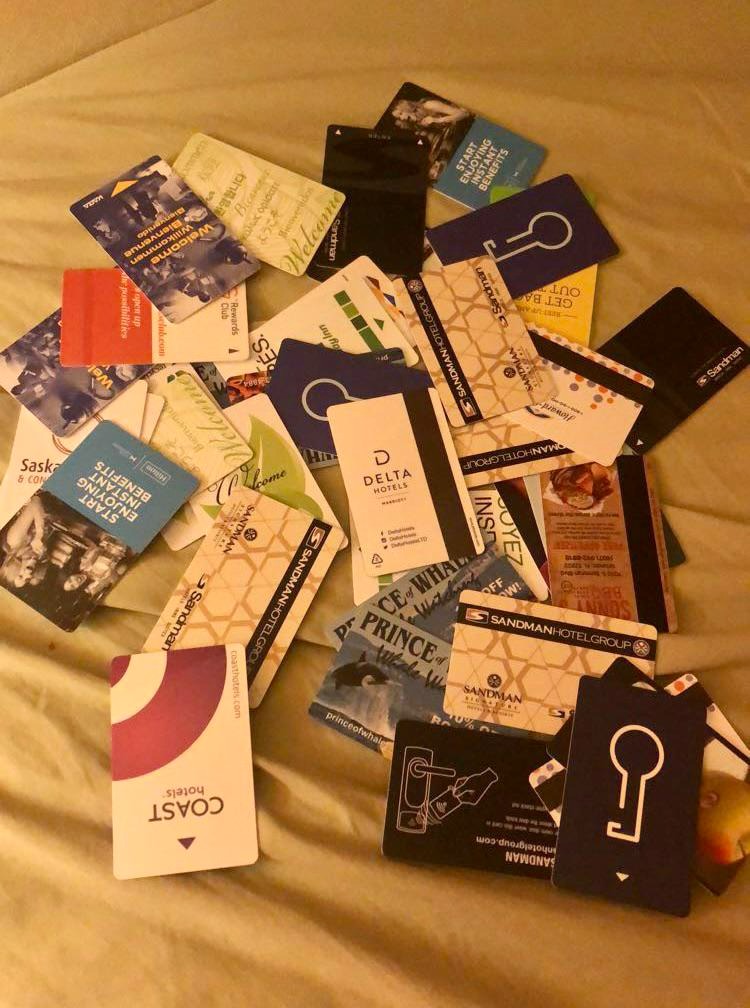
Ken shares that some guests destroy their room key cards post-stay, believing they contain personal information like credit card data. This action is driven by various concerns, such as assumptions that the hotel may not destroy the cards or worries about the potential spread of germs. Some guests do it to save a step, while others proactively take this measure. Ken now addresses this issue with guests during check-in, as it has become a recurring problem, emphasizing the need for open communication to alleviate such concerns.
Not relaying your problems with your stay right away
Ken’s major frustration is when guests avoid informing him of problems, thinking they’re being considerate. He’s observed guests enduring uncomfortable situations like sweltering rooms, lack of bedding, noisy neighbors, and incorrect charges because they choose not to voice their concerns, aiming not to “bother” him. Ken emphasizes the importance of guests communicating issues promptly to ensure a comfortable and enjoyable stay.
While traveling, the desire for human interaction may arise, but according to Ken, front-desk managers appreciate brief and respectful conversations. Lengthy discussions that monopolize their time can be annoying, as they are there to assist with hotel-related matters, not to be entertainers, friends, therapists, or confidants. Ken emphasizes the importance of guests understanding that hotel staff is not there to participate in personal dramas or provide alibis, emphasizing the need for boundaries and respect for privacy.
Maria highlights that guests sometimes hide tips in unusual places, intending to ensure that the housekeeper doing deep cleaning receives it. While the gesture is appreciated, Maria mentions that it’s not necessary and can actually make it more challenging for housekeeping to find the tip. Money found in unconventional spots is often assumed to be lost, and housekeeping typically turns it in to the front desk in case the guest returns looking for it.
Tipping housekeeping is a thoughtful gesture, but some guests wait until their last day and leave one large tip, assuming it streamlines the process. However, Maria notes that since it’s uncommon to have the same cleaners daily, only the housekeepers on that particular day receive the tip.
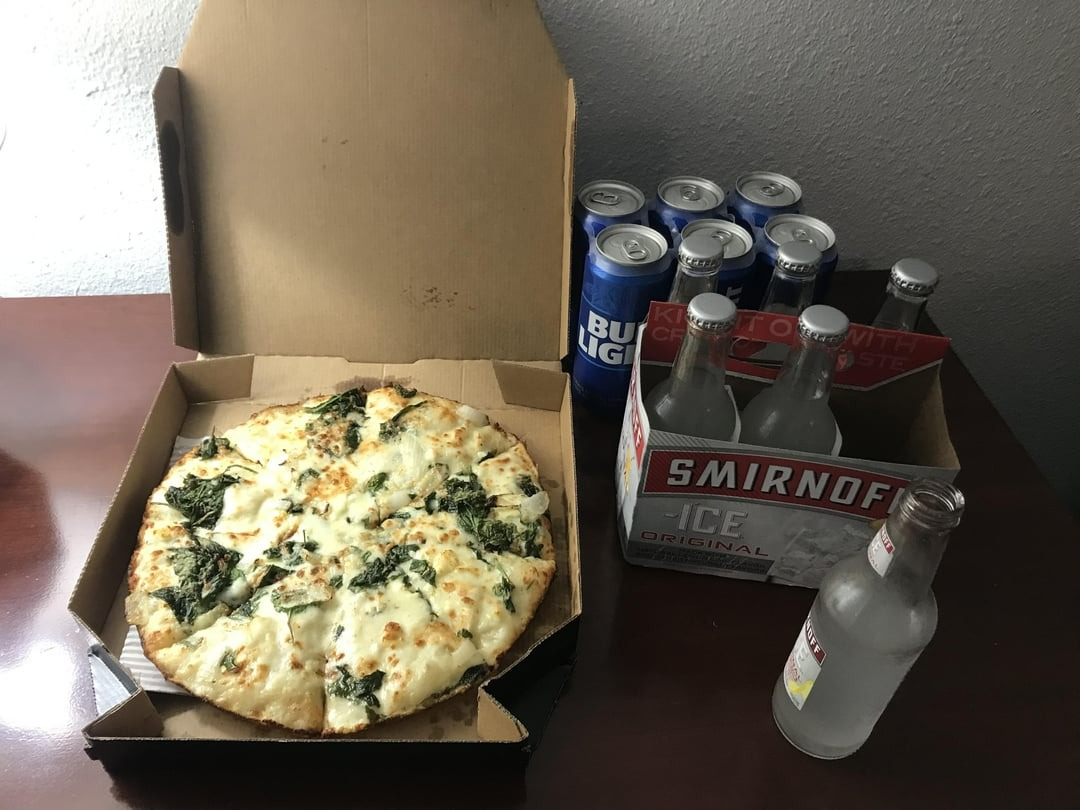
Aleph points out that guests sometimes invite hotel staff to party with them, offering a beer. However, he explains that on-duty staff cannot participate in such activities, and they are not allowed to join guests off-duty either. Despite well-meaning intentions, these invitations are more likely to make the staff uncomfortable, as Sara emphasizes that such offers can also be perceived as “creepy.” It’s essential for guests to respect the professional boundaries and personal space of hotel staff.
15+ “Polite” Things Hotel Workers Secretly Despise
Eduardo Gaskell
02.08.24
Hotel workers face daily challenges dealing with diverse personalities. While you strive to be polite, some seemingly courteous habits may actually hinder their efficiency and service. Be mindful of actions that could unintentionally disrupt their work.
Grabbing stuff from the housekeeping cart
While it may be tempting to grab extra towels or amenities from housekeeping carts or open closets, doing so can create issues for hotel staff. Large hotel chains conduct daily audits, and any missing items can lead to repercussions for the employees responsible for maintaining inventory. Avoid causing inconvenience by requesting additional items through proper channels rather than taking them directly.