


It’s amazing that we survived childhood in the 1960s! Parents let kids roam the streets and exposed them to secondhand smoke. Sugar was in everything, and hazards were everywhere. Compared to today’s hands-on parenting, it’s hard to believe what was normal back then.
Pregnant Women Smoking and Drinking

Mothers back then might have unknowingly decreased your oxygen and caused fetal alcohol issues while you were still in the womb. If you made it out okay, you probably ended up sitting on your mom’s lap or crawling under the table while she had an afternoon drink and smoke with a friend, even while pregnant with your little brother. Of course, our mothers didn’t mean to harm us; they just didn’t know the risks at the time.
Crummy Car Seats and Seat Belts
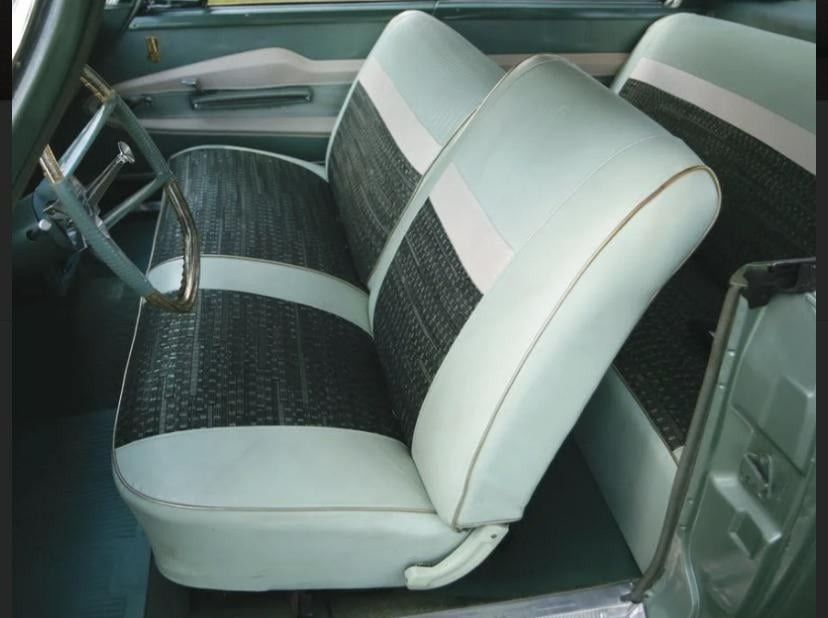
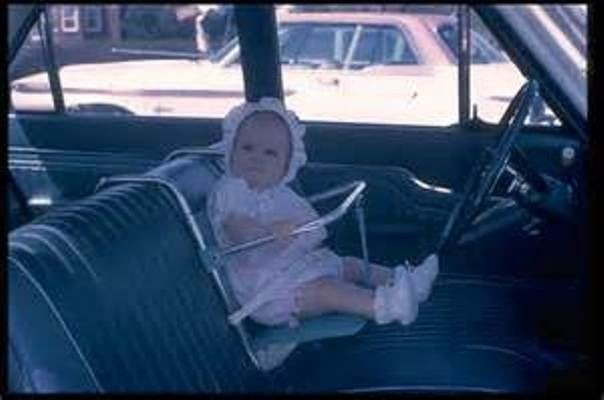
Little kids would ride in the front passenger seat without a seatbelt. The “safety method” was Mom or Dad flinging an arm in front of you if they had to stop suddenly. Infants were sometimes placed in unattached baby seats up front next to Mom or in someone’s lap. Older babies or toddlers rode in flimsy car seats with seat belts that only went across the lap. Serious seat belts and proper car seat regulations didn’t come until the ’70s, and airbags didn’t appear until the ’80s.
Source:
reddit
Smoking Was Emulated and Encouraged
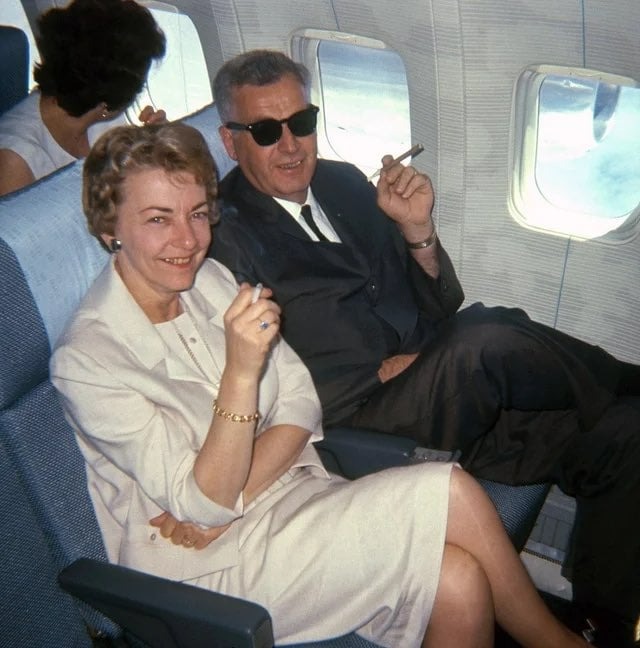
Cigarettes were everywhere—in stores, on planes, on television, and at the kitchen table. Adults smoked constantly, exposing kids to secondhand smoke and even modeling it as healthy. Cigarette ads featured babies and parents together, and it was common for parents to pose toddlers with unlit cigarettes or pipes in photos. Teen smoking was sometimes seen as a sign of maturity. Kids were often sent to the store to buy cigarettes for their parents without anyone questioning it.
Source:
reddit
Unsafe Cribs
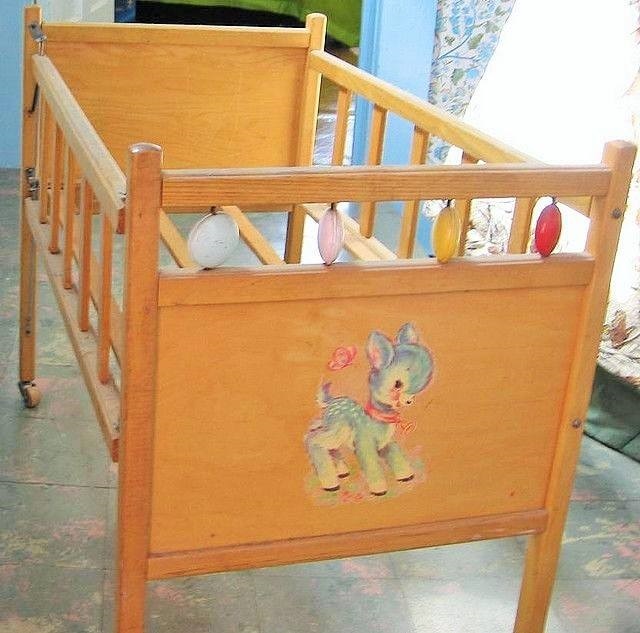
In the ’60s, pediatricians encouraged moms to let babies sleep on their stomachs, which we now know isn’t safe. Cribs also lacked many of today’s safety features, with dangerous drop rails, wide slats where an infant’s head could get stuck, spots where tiny fingers could get caught, and choking hazards. Unfortunately, it took infant tragedies to prompt more manufacturing regulations.
Source:
facebook
Trampolines without Nets
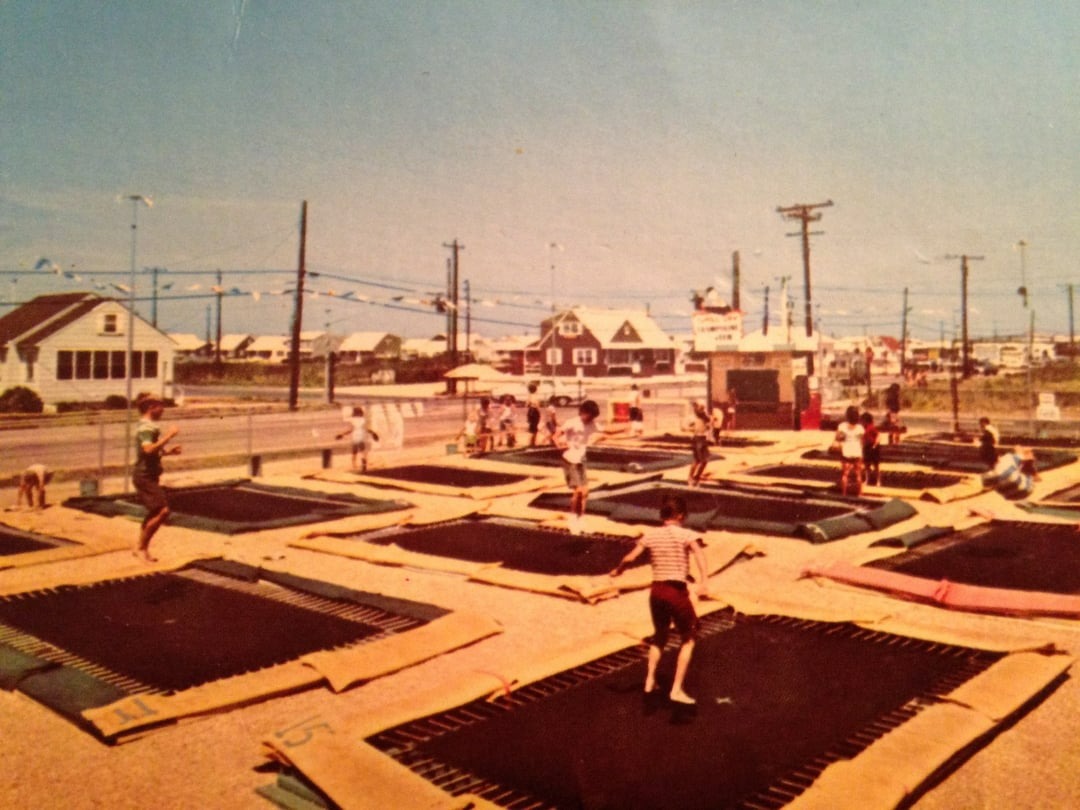
It seemed like a free and easy way to have fun, but without nets, trampolines posed many risks, including sprains, breaks, and head injuries from being bounced off by other kids. The equipment in parks was also often questionable and not built with safety standards in mind.
Source:
reddit
No Childproofing
Parents would childproof by putting a baby in a playpen or a larger gated area. But once the baby started crawling, everything was within reach. Moms let little ones play with pots and pans while cooking but didn’t worry much about the chemicals under the sink. Childproof medicine bottle lids and special latches for cabinets, drawers, and doors didn’t exist. Electrical outlets were there for stabbing with a fork, and small choking hazards were everywhere.
Source:
reddit
Walking to and from School Alone
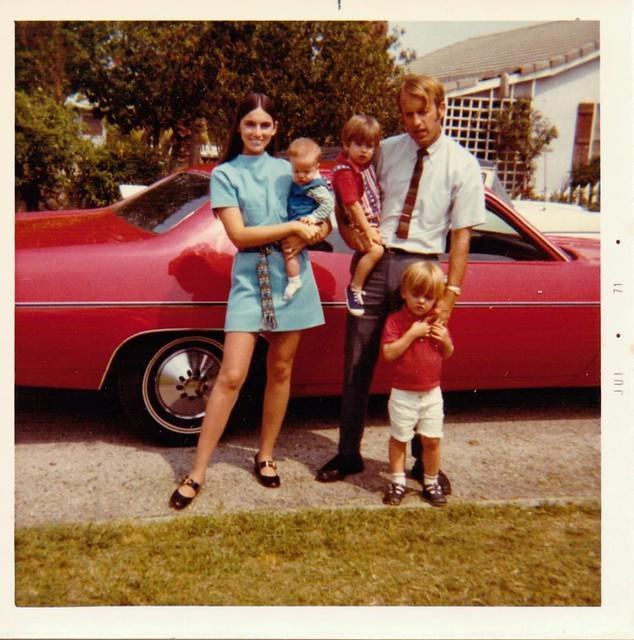
There was no carpool. Even first graders walked to school on their own once they knew the way. Sometimes they tagged along with a sibling or a neighborhood kid on the same route, but parents didn’t worry about strangers. Dawdling on the way home was allowed, and stopping for a snack after school was common.
Source:
reddit
Going to a Friend’s House Unescorted
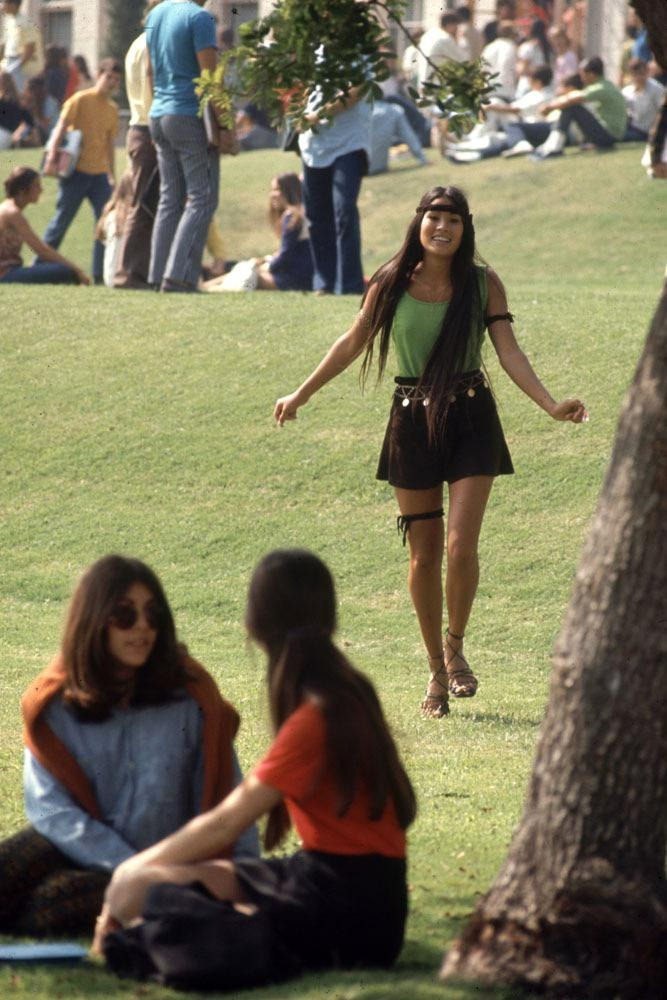
These days, arranging a child’s play date often requires extensive planning and even checking out the safety of the location or home. But in the ’60s, you simply called out to Mom: “I’m going to so-and-so’s” and walked or biked to your friend’s house alone. Close friends usually lived nearby, and you didn’t need an appointment to see them. You could just show up, hang out, and sometimes even stay for dinner.
Source:
reddit
Chewing Sugary Bubble Gum
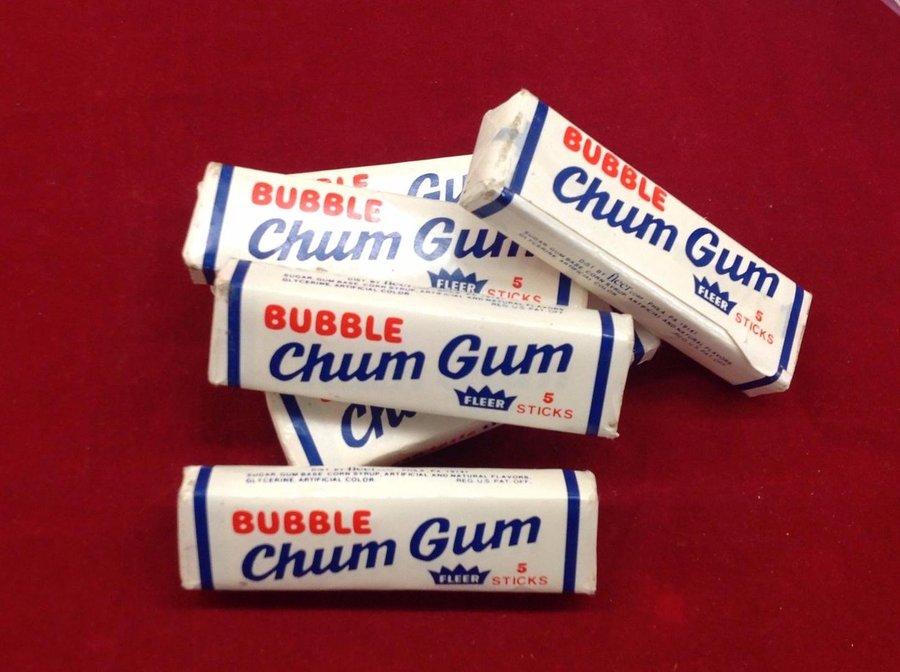
Sugary gum and candy were a staple of childhood in the ’60s. Blowing bubbles big enough to break over your nose was a popular pastime, with kids even holding bubble blowing contests. Gum wasn’t allowed in school, but many sneaked it in anyway. Sharing gum with classmates often led to lasting friendships, though cavities were a common consequence!
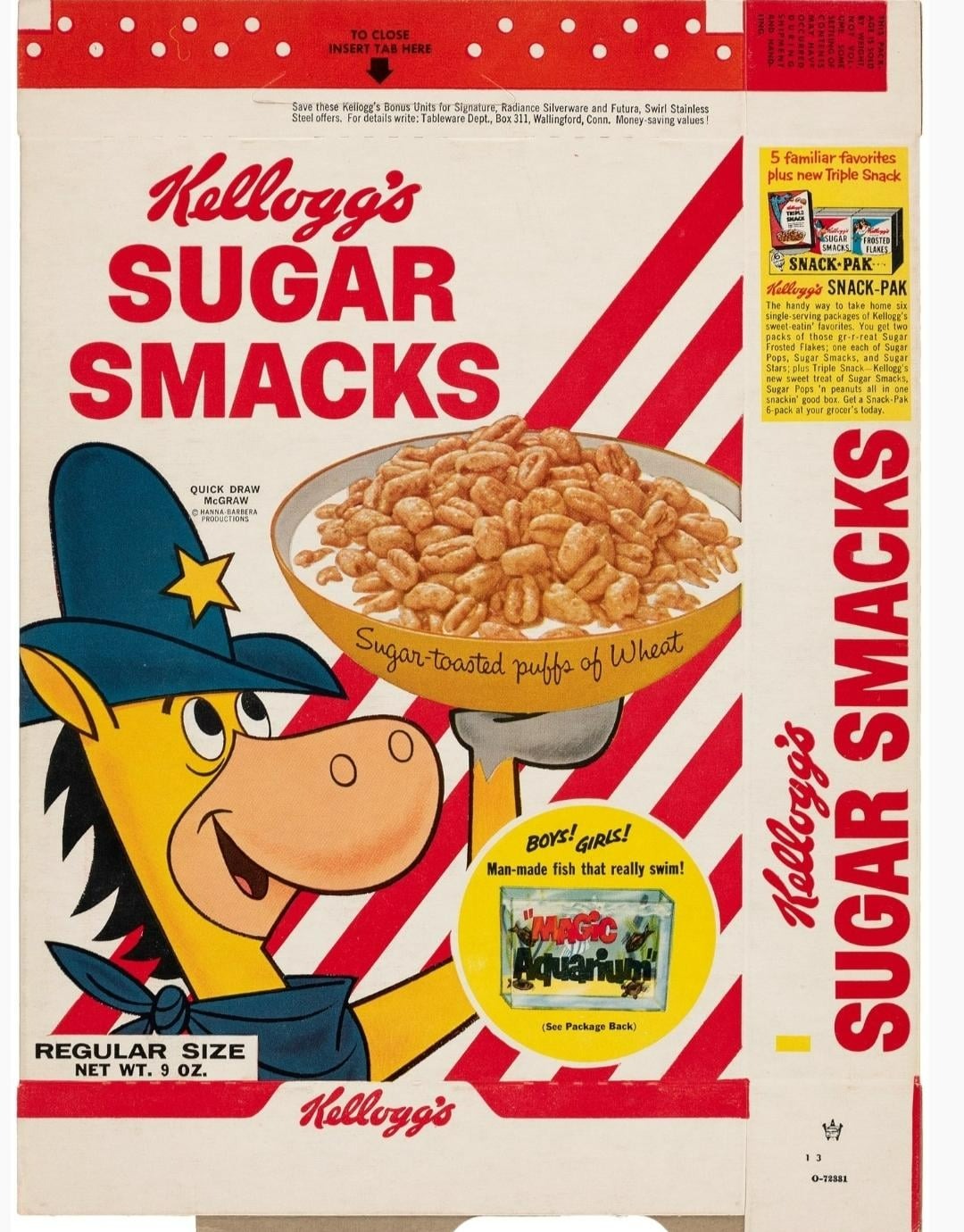
Cereal with Lots of Sugar
Cereal was the go-to breakfast choice, available in various forms such as wheat, corn, or oats. Some cereals like Trix and Cap’n Crunch were already sugary, while others like plain corn flakes required generous amounts of spooned sugar to make them tasty. The sugar bowl sat on the table, and you could often spoon in several tablespoons before Mom cautioned you about risking a bellyache.
Source:
reddit
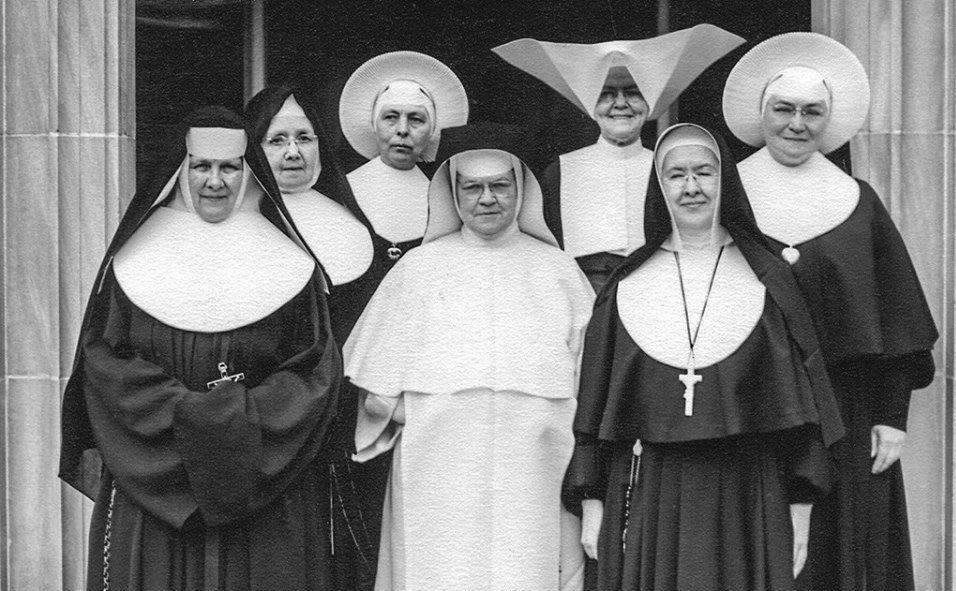
Nuns Who Smacked
If you attended Catholic school, discipline often involved several techniques. The classic method was having a ruler smacked against your knuckles for speaking out, roughhousing, or not having your homework. Another common practice was being pulled out of the room by your ear. Today, these punishments would likely lead to upset parents in the principal’s office, but back then, they were considered standard disciplinary measures.
Source:
reddit
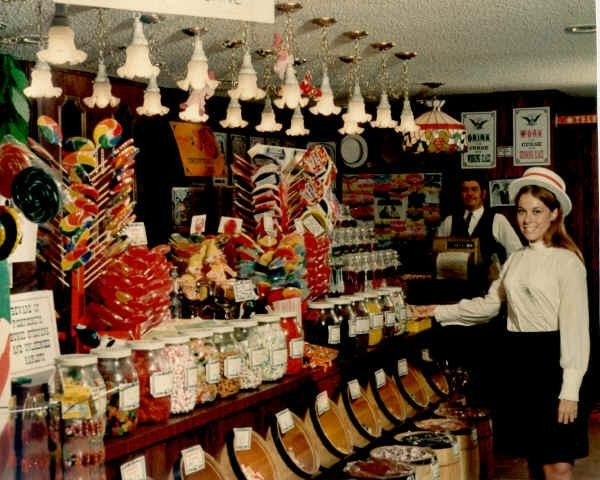
Hanging Out in the Candy Stores
At local candy stores in the ’60s, you could buy all the sweets your mom wouldn’t allow at home for just a few pennies, sneaking them back in small paper bags. You could also hang out and enjoy treats like ice cream sodas, malted milkshakes, egg creams, or sugary sodas at the counter, feeling grown-up like adults at a bar. Kids often went in groups after school, and as long as it didn’t spoil your appetite, parents didn’t worry too much about where you’d been.
Source:
reddit
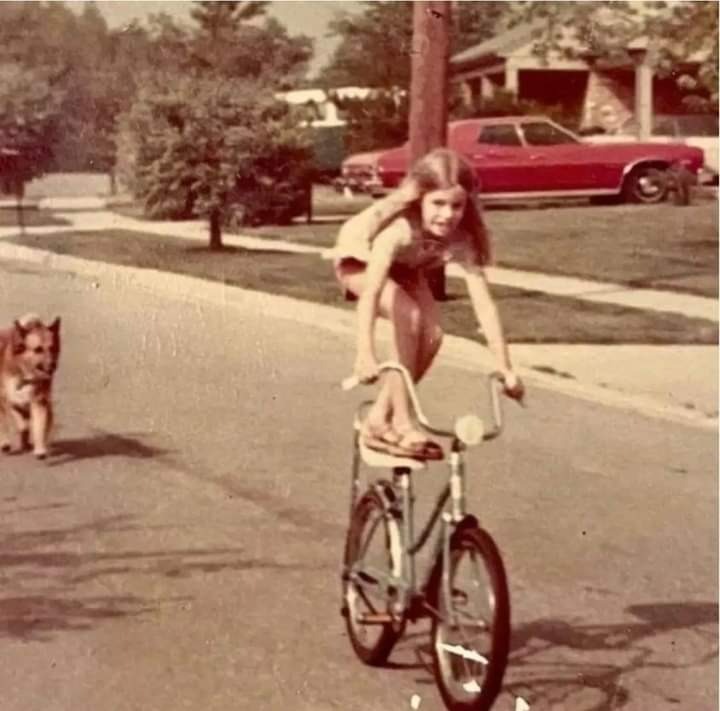
Riding Bikes without Helmets
Back then, moms didn’t drive kids around much, so you either relied on an older sibling for rides or rode your bike everywhere. Learning to ride a bike was a significant milestone, often taught by your father. Parents expected you to fall and encouraged you to toughen up and get back on, despite scraped knees and elbows. Once you mastered riding, you could explore the neighborhood and join friends for bike rides together. Helmets weren’t even considered, not even by older siblings on motorcycles, but today it’s a legal requirement.
Source:
reddit
Hitchhiking
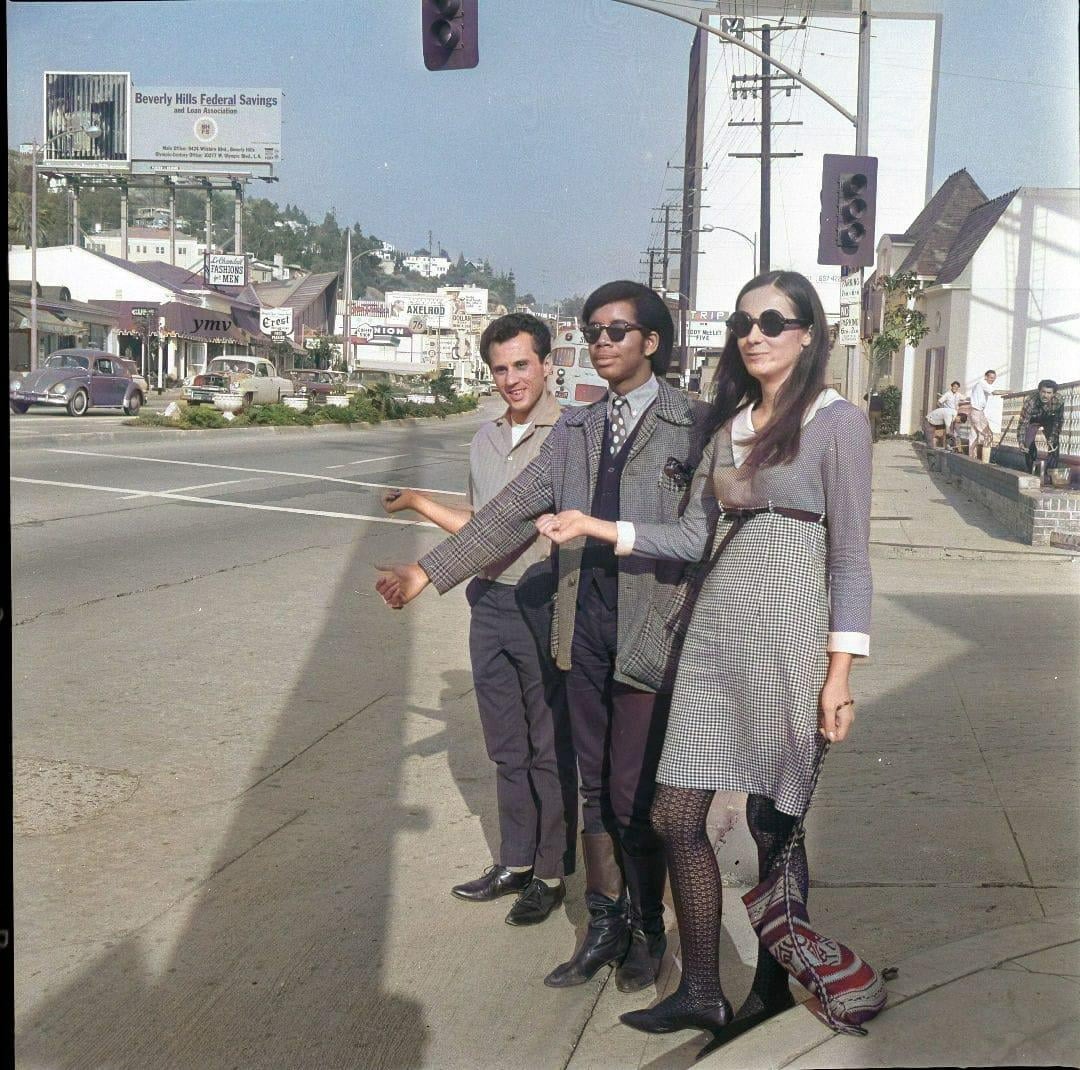
Hitchhiking was a common mode of transport in the ’60s, with people not overly concerned about the risks that have since made it less popular. Young adults, hippies, and transients often hitched long distances. Even kids used their thumbs to get free rides—to school, to run away from home, or to places parents wouldn’t take them. Hitching was also a way for kids to seek new experiences, meet people, and have fun.
Source:
reddit
Playing Outside Unsupervised All Day
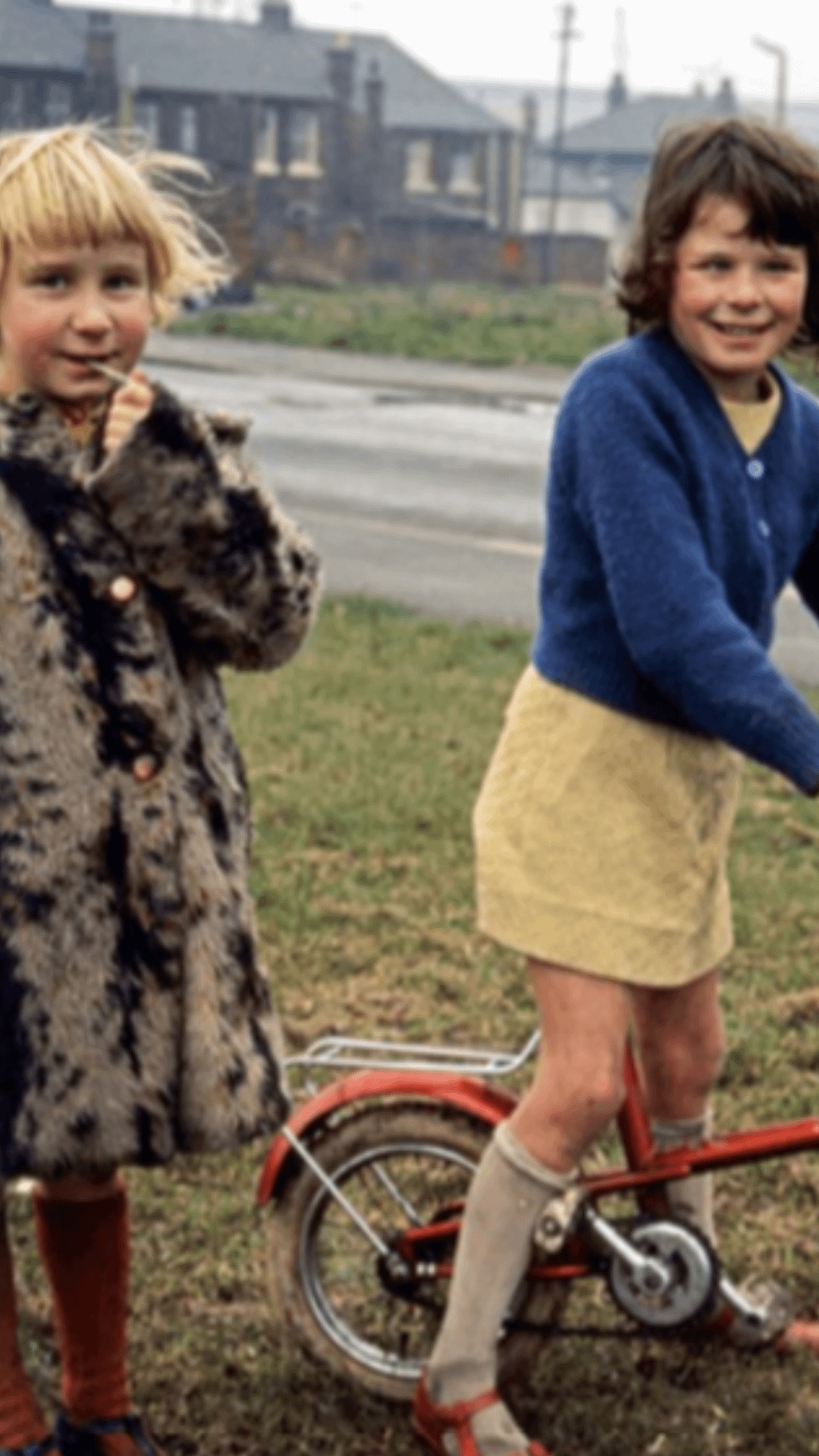
It seemed like mothers were eager to get their kids out of the house in the morning so they could focus on chores or socialize with friends. They’d call you in for dinner and then let you back out, with the rule to come home when the street lights came on. As Jerry Seinfeld once said, “We were like wild dogs.” Kids roamed in packs, finding activities to occupy themselves. Adults often had little idea where their kids were for long stretches of time.
Source:
reddit
Playing at the Beach On Your Own
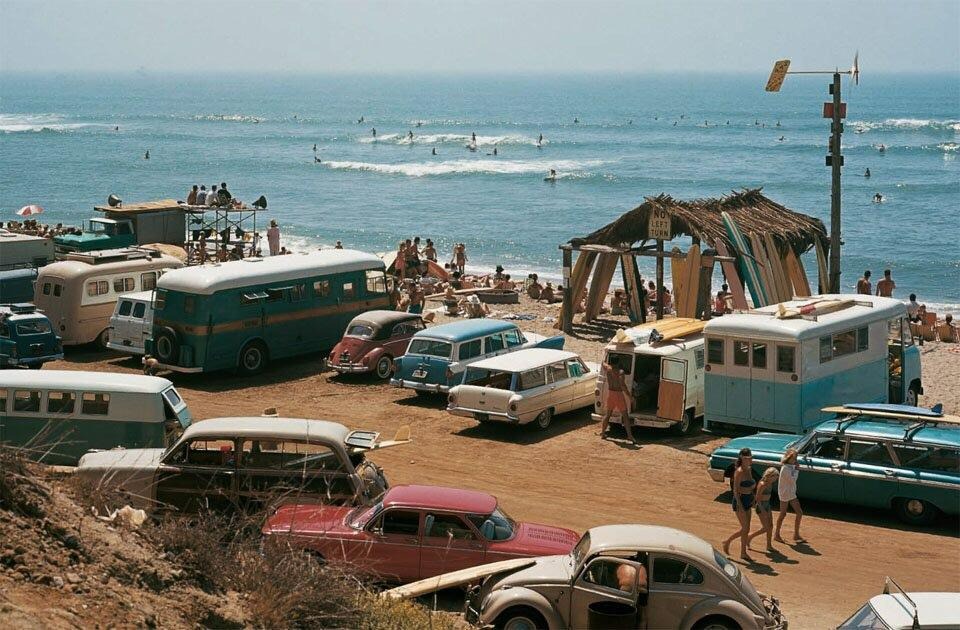
In the ’60s, beach movies depicted teens having a blast at the shore, often with whole families enjoying trips to the ocean. Kids were natural water lovers, eager to dash into the waves while their parents set up umbrellas and chairs, cautioning them to “stay where I can see you.” Lifeguards played a crucial role, almost like babysitters, keeping a watchful eye over everyone’s safety.
Source:
reddit
No Sunscreen
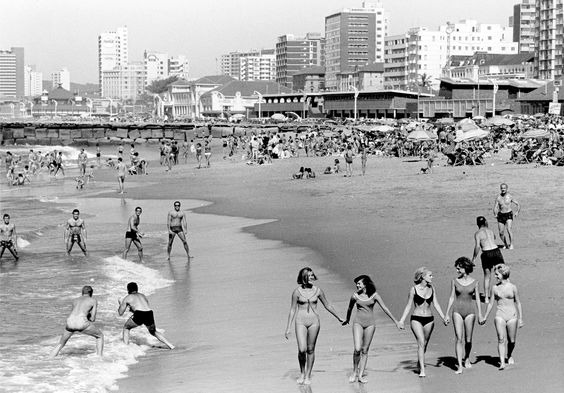
In the ’60s, tanning was highly prized, but there was little awareness of UV protection. Moms might have applied suntan lotion to aid tanning rather than to shield skin from harmful rays. Older kids often used baby oil with iodine to avoid sunburns and used reflectors to amplify sun exposure for a deeper tan. UV protection wasn’t a priority back then, unlike today’s emphasis on sun safety.
Source:
reddit
Stick Ball and Games in the Streets
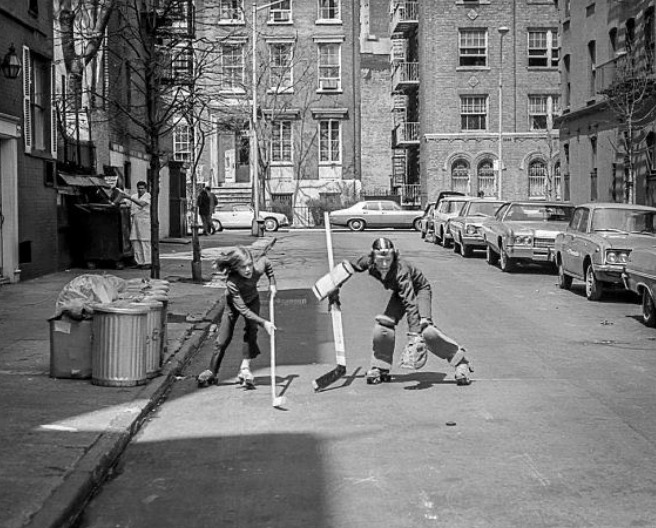
In the ’60s, big cities lacked the parks and green spaces seen today. Kids made the most of high-traffic streets, playing games like stickball, street hockey, Ringolevio, Marco Polo, and hide-and-seek. They also enjoyed marble games, aiming for the small holes in manhole covers, and chalk-drawn hopscotch boards on asphalt. Games paused when cars passed through, but resumed once the cars were gone, with everyone making way for traffic.
Source:
facebook
Drinking from Garden Hoses
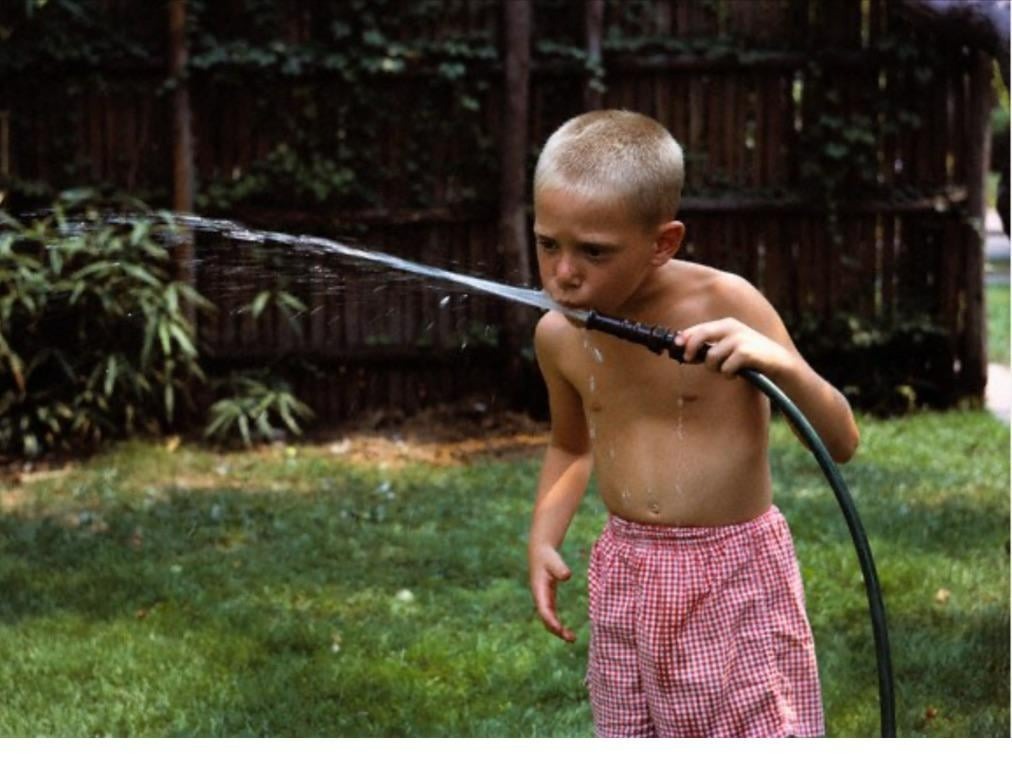
In the ’60s, bottled water wasn’t a common option unless you had a canteen. Children typically stayed hydrated while playing outside by drinking from hoses, whether their own or a neighbor’s. Hoses weren’t regulated like indoor drinking water, so concerns about lead levels weren’t on anyone’s mind at the time, despite potential risks from brass nozzles leaching lead. Public water fountains were also a common source of hydration, although they were later found to pose health hazards.
Source:
reddit
Cooling Off with a Fire Hydrant
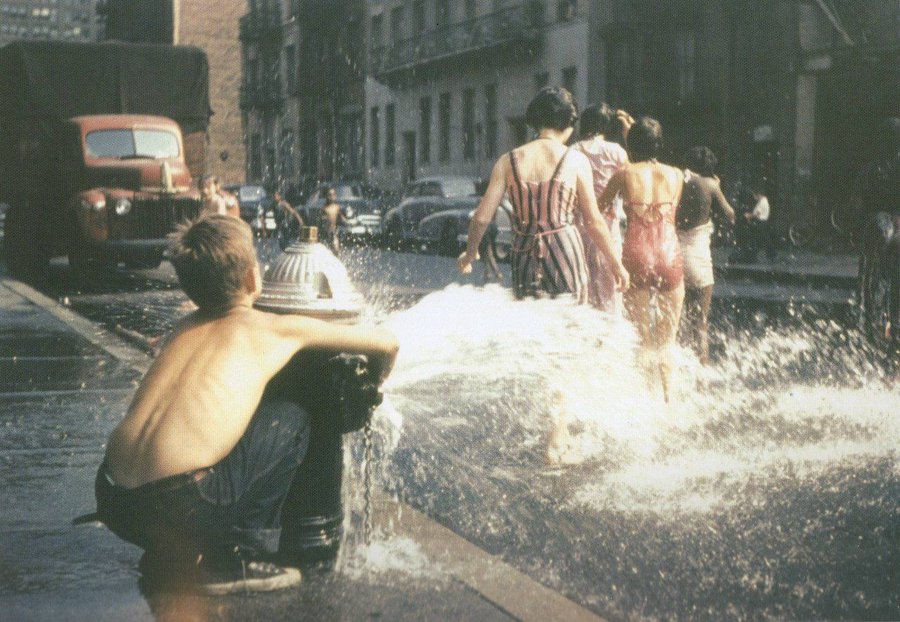
There was a time when officials would open hydrants for kids to cool off in the summer, sometimes adjusting the water pressure or adding a sprinkler feature. However, clever older siblings would often turn the hydrant on full force, despite the risks. This not only wasted water but also created such powerful pressure that it could easily knock down small children.
Becoming Blood Brothers and Sisters
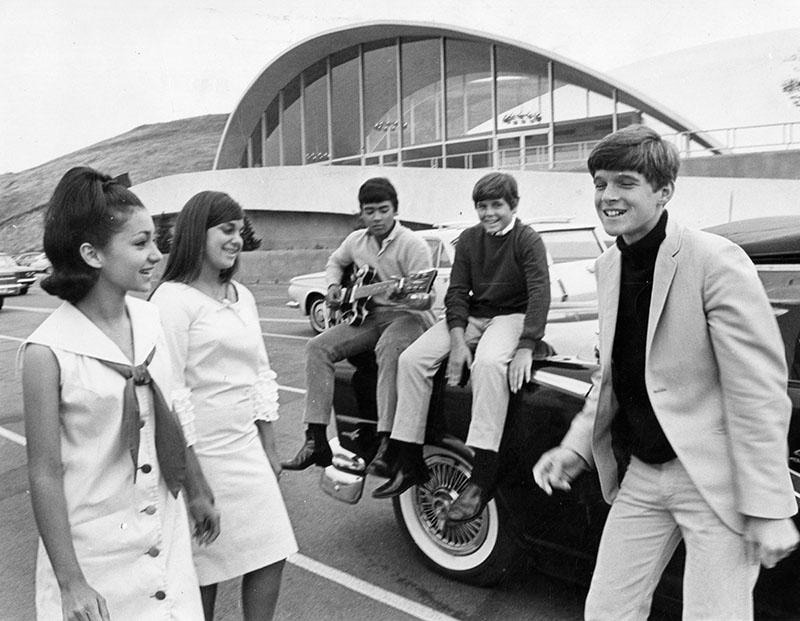
In the ’60s, kids often sealed promises of loyalty or friendship, or swore to keep secrets, by making a small cut on their fingers and pressing them together—a practice akin to ancient blood oaths. It was seen as a cool way to bond forever. Back then, there was little awareness that this could lead to the exchange of bacteria and diseases.
Source:
reddit
Sleeping in the Back Window of the Car On Road Trips
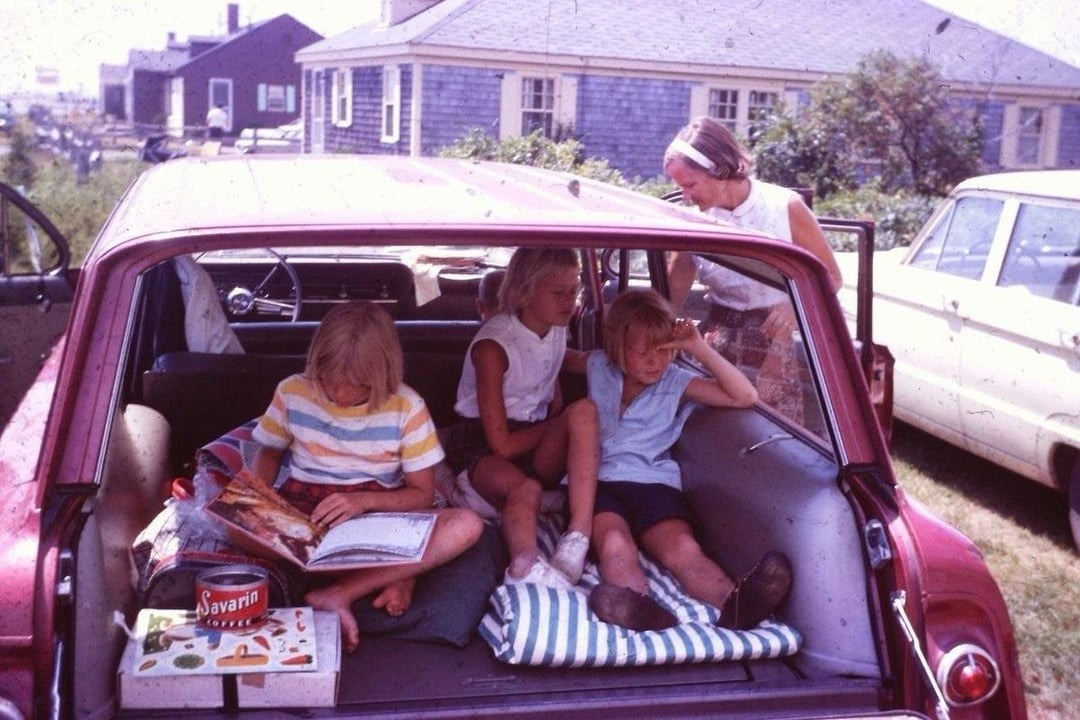
In the ’60s, there were no cell phones or devices to entertain kids on road trips, so they had to find other ways to pass the time. Some read books, although it could be tough on the eyes in a moving car. Singing songs like “A Hundred Bottles of Beer on the Wall” was a popular pastime. Kids would also take turns sleeping in the back window area of the car, a space where small bodies could stretch out above the seats.
Source:
reddit
Coming Home to an Empty House
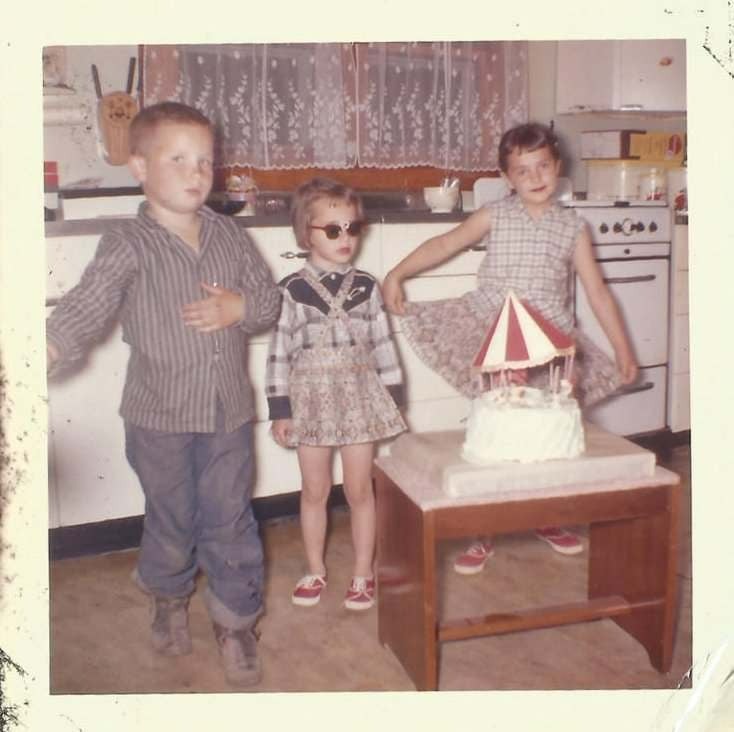
In the ’60s, there was a rise in latchkey kids as more mothers entered the workforce, marking a departure from the more sheltered parenting style of the ’50s. Kids would come home to empty houses and often had to fend for themselves. If there was an older sibling around to watch over them, parents might not have been in a hurry to return home. This independence was a notable shift from earlier generations where parental supervision was more constant.
Source:
reddit
Spanking and Hitting
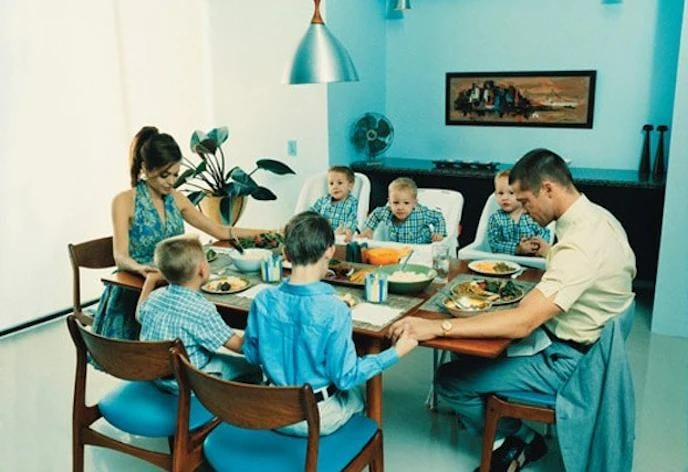
In the past, physical punishment like smacks on the head, spankings, or being hit with a belt was often seen as a normal way for parents to discipline children when they misbehaved or angered them. It was a common practice passed down through generations, and many parents continued this pattern in their own homes. The threat of “wait until your father gets home” was a familiar refrain. It took time for society to recognize that such physical punishment could be harmful and traumatic for children, leading some baby boomers to seek therapy later in life to address the emotional impact of their childhood experiences.
Source:
reddit
Mercurochrome
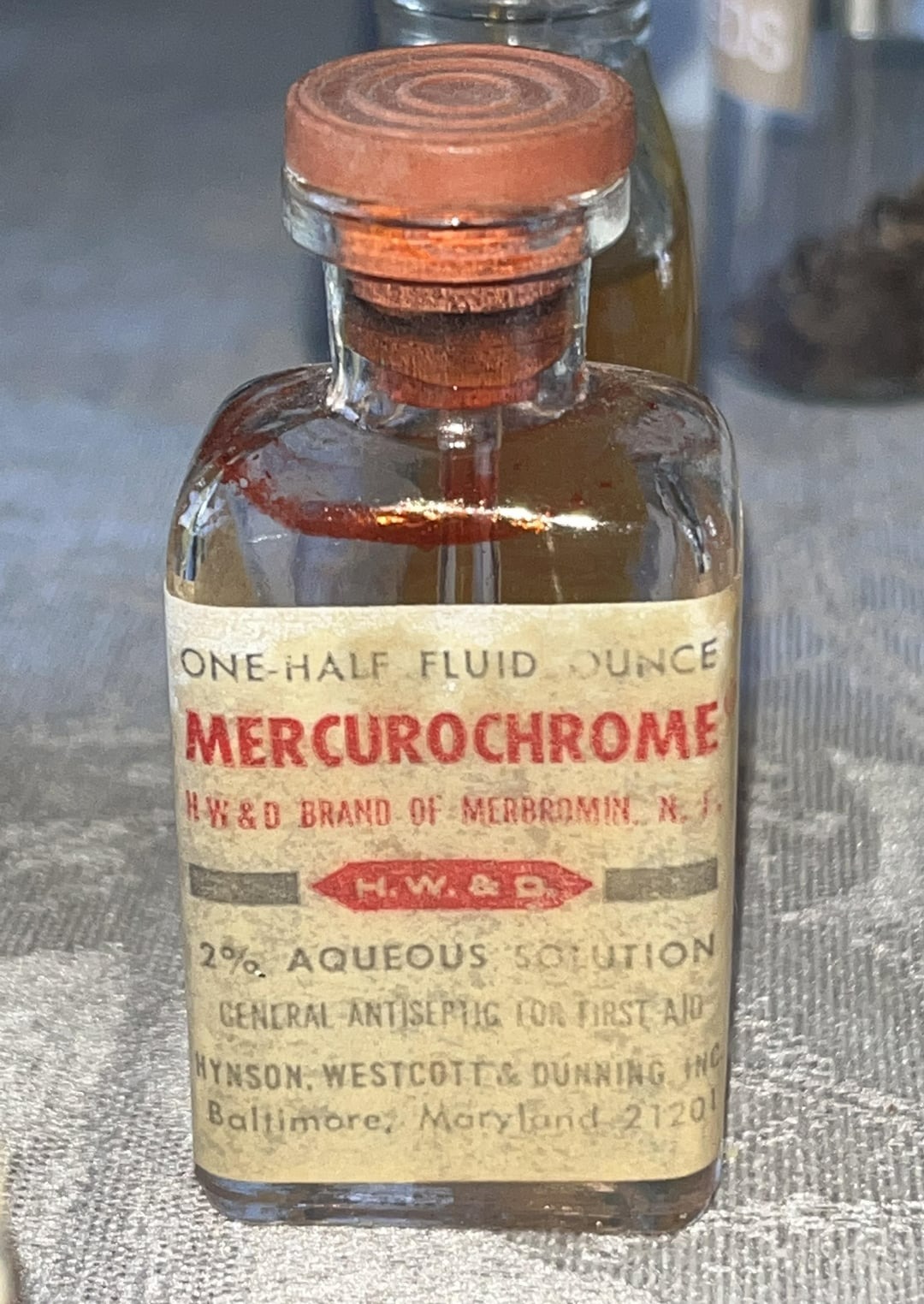
The dark pink over-the-counter antiseptic you’re referring to was likely Mercurochrome. It was a common remedy applied to cuts and scrapes, known for its stinging sensation, distinctive smell, and tendency to stain skin and clothing. It was a staple in many medicine cabinets until concerns arose about its mercury content. The FDA eventually scrutinized drugs containing mercury, recognizing their potential harm to health, including impacts on the brain, kidneys, and unborn babies if used excessively or during pregnancy. As a result, Mercurochrome and similar products were phased out from common use.
Source:
reddit
Unsafe Toys
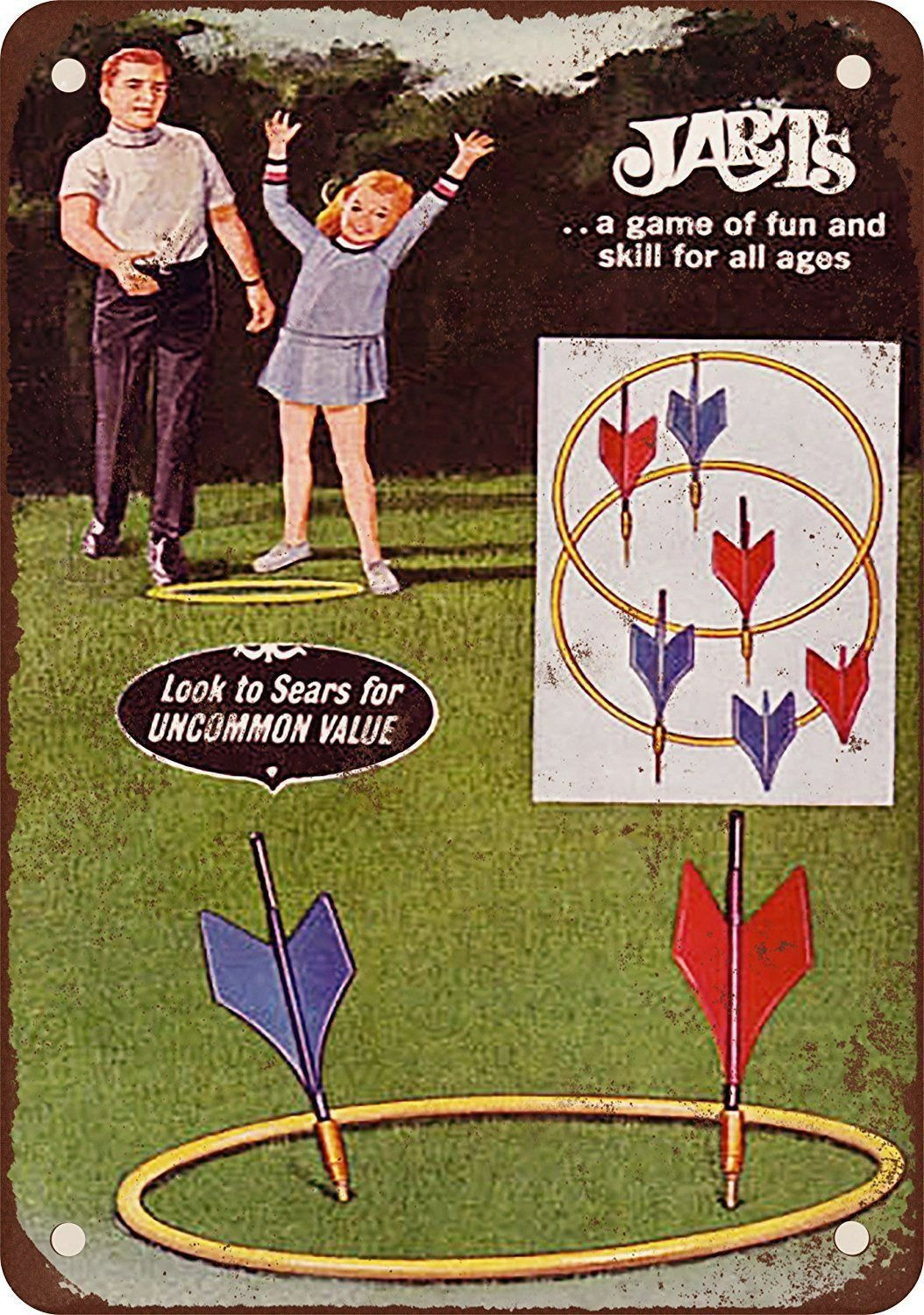
In the ’60s, while games like Monopoly and Candy Land were harmless fun, there were indeed several toys that posed serious risks. Swing Wing, for example, was a helmet with an attached hula hoop that required rapid head movements, potentially causing whiplash. Jarts, or lawn darts, had sharp tips and could land dangerously if thrown improperly. Additionally, BB guns and cap guns were popular but could lead to accidents due to their realistic noise and projectile capabilities. Safety standards for toys have since evolved to minimize such risks.
Source:
reddit
Chasing Trucks Emitting Poisonous Vapors
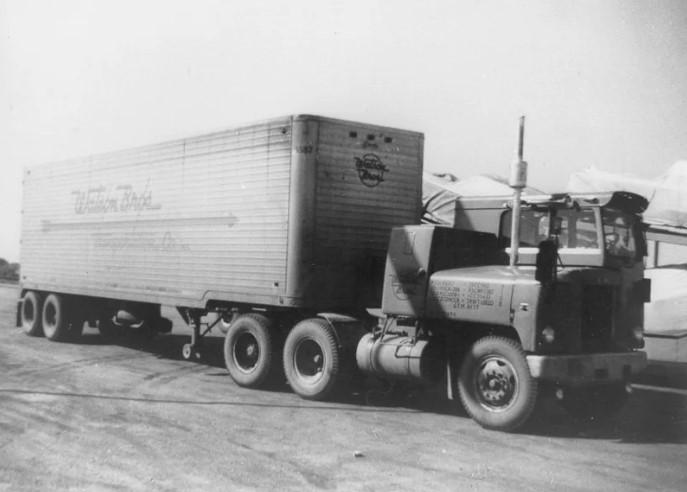
In the past, there was little to no warning before pesticide sprays, which were meant to kill mosquitoes or other pests, were applied. Children often found it exciting to run behind the trucks spraying these chemicals. The fog they created seemed intriguing and even had a pleasant smell to some. Chasing the trucks and jumping on the back of moving cars were considered adventurous activities back then. However, today we recognize the potential health risks associated with exposure to pesticides and take more precautions to minimize such exposures.
Source:
reddit
Unregulated Pesticide Exposure
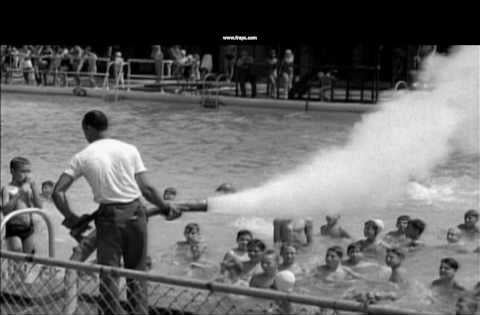
In the 1960s, children often ran behind trucks spraying pesticides without fully understanding the health risks involved. These trucks sprayed chemicals to control pests like mosquitoes, and the fog created by the spraying was sometimes seen as intriguing or even enjoyable to kids. However, the pesticides used could contain harmful chemicals that posed risks to human health, including potential respiratory issues, skin irritation, and long-term health effects if exposed regularly or in high concentrations.
Source:
reddit
Dangerous Playground Equipment
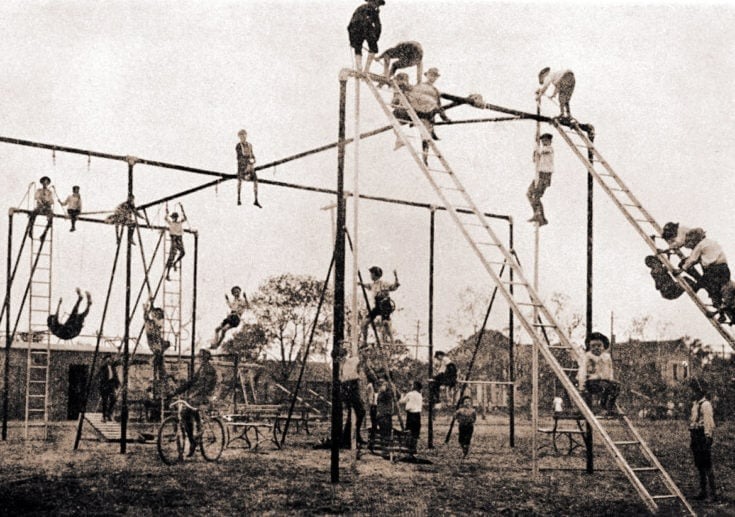
In the 1960s, playground equipment commonly lacked modern safety standards. Features such as metal slides and swings often did not have protective surfacing underneath them. This meant children could easily fall onto hard surfaces, risking injuries like cuts, bruises, or broken bones. The design of playgrounds at that time prioritized fun and activity but did not adequately address safety concerns, leading to a higher incidence of playground-related accidents compared to today’s playgrounds, which are designed with safety standards and protective surfacing to minimize injuries.
Source:
reddit
Unsafe Swimming Practices
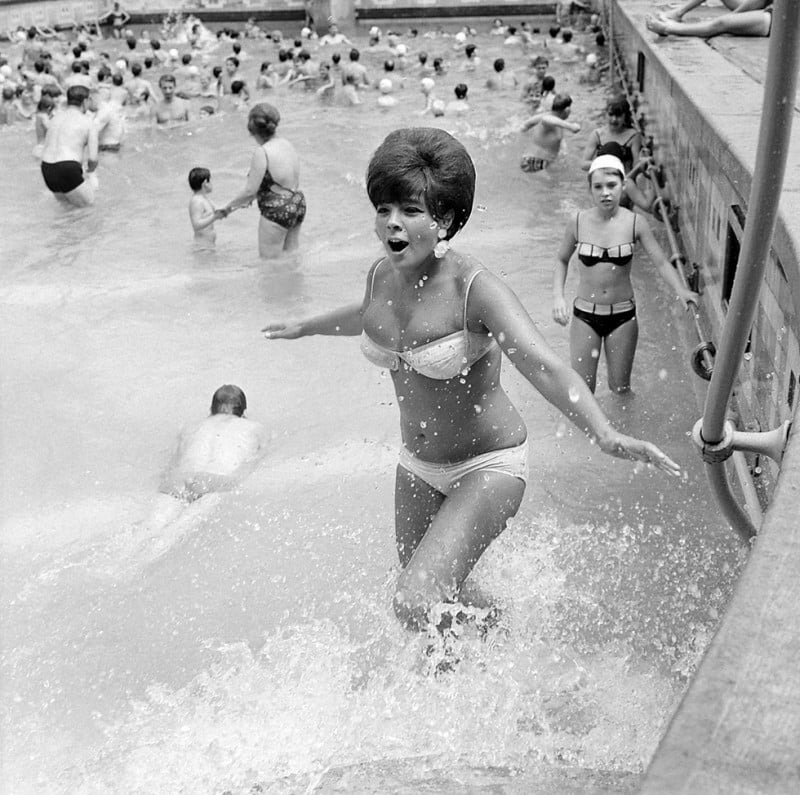
In the 1960s, children frequently swam in natural bodies of water like rivers and lakes, as well as in public or private pools, often without lifeguards or established safety protocols. This lack of oversight meant they faced risks such as strong currents, unclear water quality, and limited supervision, contributing to higher potential for accidents like drowning or injuries from natural hazards or crowded conditions. Safety measures and awareness of water-related risks were less developed compared to today’s standards.
Source:
reddit
Please SHARE this with your friends and family.


