


The Roanoke colony mystery, one of America’s oldest, began in 1587 when John White established a British settlement on Roanoke Island, North Carolina. His daughter gave birth to the first English child in the Americas there. Delayed by war, White returned in 1590 to find the colony vanished, leaving only “Croatoan” carved into a post. The fate of the colony and the meaning of “Croatoan” remain unknown.
Even if the mystery is eventually unraveled, the various theories people have speculated on over the years remain intriguing.
Theory #1: Local Native Tribes Absorbed The Colonists As Friends Or Slaves

Hatteras Island, once called Croatoan, housed a Native American tribe with whom Roanoke settlers carved a rapport, as seen on the fort’s gatepost. Scott Dawson’s 2020 book suggests the settlers moved to the island, resolving the mystery. Alternative theories propose connections to tribes like the Chesapeake.
Historical accounts mention Europeans among the Iroquois, and archaeological finds indicate Roanoke colonists living with different tribes. Unfriendly encounters were reported, including European slaves beating copper. Claims of European ancestry persist among present-day Native people, but DNA analysis remains inconclusive.
Colonists Fell Victim To Cannibalism Or Practiced It Themselves

Edgar Allan Poe Had A Mysterious Connection to The Word ‘Croatoan’
The mystery of the Roanoke colony extends beyond its disappearance; scholars aim to unravel the significance of the carved word “Croatoan.” Speculation lingers: Did the colonists believe the Croatoan tribe held answers to their fate?
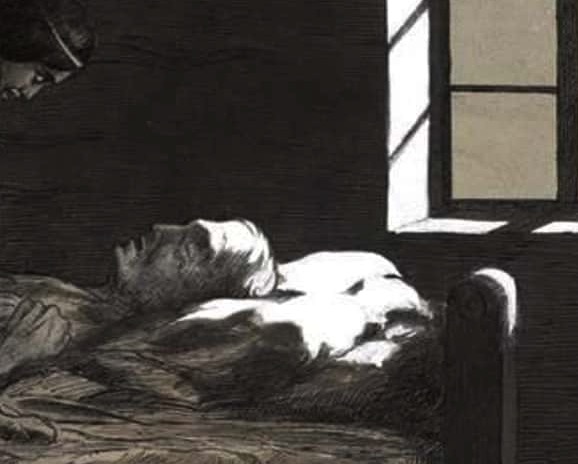
While this remains unanswered, the term “Croatoan” resurfaces in another enigma centuries later. Edgar Allan Poe’s 1849 death, marked by uncertainties and lost records, took a peculiar turn. Found nearly unconscious and incoherent in Baltimore, MD, Poe reportedly uttered the word “Croatoan” before his death. With no clear diagnosis and lost medical records, the eerie connection prompts questions about whether Poe, like the lost Roanoke colonists, experienced an inexplicable fate.

‘Croatoan’ Appears At The Site Of Many Other Mysterious Disappearances
The term also surfaces on the last page of the logbook of the ghost ship Carroll A. Deering in 1921, which ran aground near Croatoan Island. Even aviation pioneer Amelia Earhart allegedly wrote the word in her journal, discovered after her disappearance in 1937. The recurrent appearance of “Croatoan” in these disparate events adds an eerie layer to the mystery.

The Colonists Were Massacred By Chief Powhatan
Supposedly, Powhatan possessed items taken from the colonists, such as a musket barrel and a brass mortar and pestle. However, historians and anthropologists question the veracity of this story, as it solely relies on Strachey’s account, with no mention by John Smith in his own writings.

An Infectious Disease Drove The Colonists Mad

Spanish Troops Murdered The Colonists
England was at war with Spain when the Roanoke colony disappeared, and some think the Spanish were involved in the disappearance of the Roanoke colonists. Spain and England were locked in a rivalry over the colonization of the Americas, among other things, and there were Spanish troops stationed in Florida at the time.
Did Spanish troops make their way to North Carolina and eradicate the British foothold in the are

The Colonists Were Sabotaged As Part Of A Plan To Discredit Sir Walter Raleigh
The theory posits that the colonists moved west into present-day North Carolina, where they became involved in Native American conflicts, leading to capture or murder. Miller argues that the Crown kept this information secret, explaining the absence of historical records on the fate of the Roanoke colony.

The Colonists Tried To Sail Back To England

The Croatoan Tribe Executed The Colonists As Suspected Witches
Although local tribes in the area did not typically execute witches, they did condemn dangerous outsiders to death, and the colonists could have been perceived as a threat, leading to their potential demise.

Roanoke Was The Site Of A Zombie Apocalypse
However, historical evidence and records do not support such fantastical claims. The mystery of the Roanoke colony likely involves more plausible historical explanations rather than speculative scenarios like a zombie apocalypse.

The Roanoke Colonists Were Transformed Into Trees
In this interpretation, those who seemed to have gone missing may have, according to the tribe’s beliefs, become integrated into the landscape itself. This perspective suggests that, from the tribe’s point of view, the individuals didn’t truly vanish but rather became a permanent part of the land due to the island spirit’s retribution.

The Reptilian Devil Of The Woods Possessed The Colonists
They warned the colonists that this malevolent reptilian spirit had pervaded the entire region. As infighting ensued among the settlers, the Croatoans believed it was a sign that the colonists had been infected with the creature’s evil, prompting them to turn against each other.

The Colonists Were The Victims Of North Carolina Witches
Another perspective is that the colonists may have encountered witches in the region, adding to the legends surrounding North Carolina’s wooded areas. Legends spoke of witches stalking the woods, and the arrival of new settlers could have contributed to this lore.
Native peoples in North Carolina were said to share stories of witches practicing black magic to harm others, while early European colonists accused the Native people themselves of being witches. The historical context also includes later colonists accusing each other of witchcraft, famously exemplified by the Salem Witch Trials.
The Dare Stones Tell The Story Of The Missing Colonists

Aliens Abducted The Colonists

Virginia Dare Survived And Was Turned Into A Beautiful White Doe
The story tells of her acceptance and love within the tribe but takes a dark turn when an evil witch doctor transforms her into a white doe out of jealousy. While fictional, the tale has contributed to local lore, with many claiming to have seen a ghostly white doe in the area, adding to the mystique of the Roanoke mystery.

Drought or Famine: The Silent Killer of Roanoke Colony

Deadly Flora: Toxic Plants and the Lost Colony

New Beginnings: Roanoke Settlers’ Inland Journey

Nature’s Fury: How a Natural Disaster Could Have Erased Roanoke

Pirate Predators: Did Buccaneers Destroy Roanoke?

Internal Strife: Mutiny and the Fall of Roanoke
Mystery Illness: An Unknown Disease at Roanoke

Captured by Conquistadors: Did the Spanish Abduct Roanoke’s Settlers?

Mass Hysteria: Psychological Breakdown at Roanoke

Time Warp: A Supernatural Twist in Roanoke’s Tale

Secret Riches: Roanoke’s Hidden Treasure and Relocation

Predatory Peril: Were Roanoke’s Settlers Prey to an Unknown Beast?

Southern Odyssey: Roanoke’s Shipbuilding Endeavor and Disappearance

Volcanic Catastrophe: Did Geological Turmoil Doom Roanoke?

Explosive End: An Accidental Tragedy at Roanoke

Silenced by Secrets: The Dangerous Knowledge of Roanoke’s Settlers

Please SHARE this with your friends and family.

_(14597755979).jpg)


