


Exploring from quirky roadside oddities to uniquely eccentric museums, the United States brims with charming sights often overlooked by conventional guidebooks. Join us on a cross-country road trip, making pit stops at a self-flushing latrine, a curated exhibit of human brains, and numerous other fascinating destinations. Let’s begin with:
Alabama – Fort Gaines
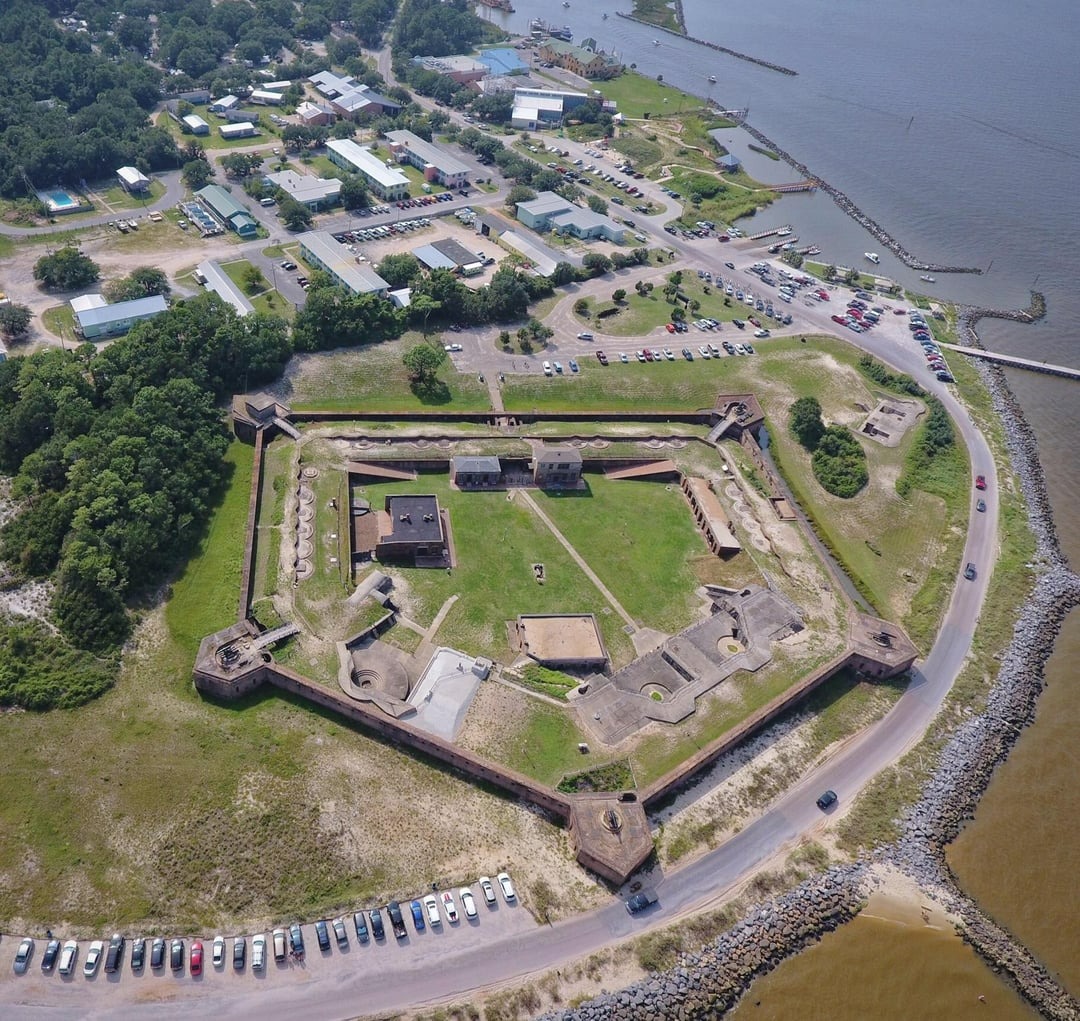
While visiting Alabama, you have the option to explore the U.S. Space & Rocket Center in Huntsville or witness the excitement of a Crimson Tide game at Tuscaloosa’s Bryant-Denny Stadium. However, if you’re seeking a rather unconventional experience—like pretending to use the restroom with nine friends—look no further than Fort Gaines in Alabama.
Here, you’ll find a unique “self-flushing latrine” that relies on an ancient yet effective method: the natural tides of the Gulf of Mexico. Positioned along the coastline, these ten adjoining privies, offering minimal privacy to soldiers, ingeniously utilize the tidal movements to wash away any waste. While you can certainly visit for a memorable photo opportunity, the facilities themselves are no longer operational for their original purpose.
Alaska – Hammer Museum
Arizona – London Bridge
Arkansas – The Gurdon Light
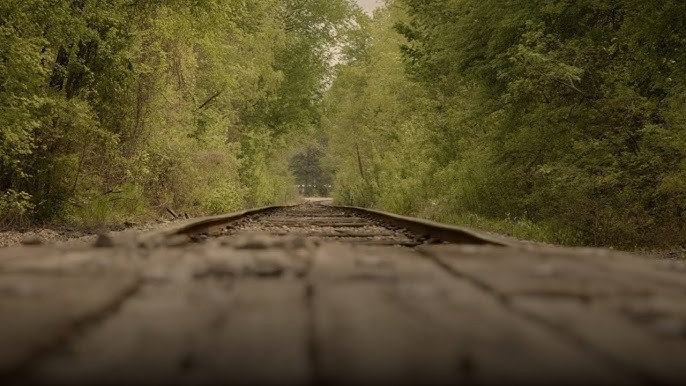
Nestled within the forests of Arkansas, a peculiar phenomenon known as the Gurdon Light has captivated curious onlookers for years. Local lore spins a tale of a spectral lantern, purportedly belonging to a railroad worker who met an untimely demise while searching for his severed head. However, the true cause of this enigmatic floating light remains elusive. The Gurdon Light even earned a feature on the television show Unsolved Mysteries.
One plausible explanation revolves around the concept of piezoelectricity, wherein materials like quartz crystals—abundant in the underground of the area—can convert mechanical energy into electrical energy. It’s conjectured that the pressure exerted on the quartz might manifest as the eerie luminous effects reported by witnesses, casting an otherworldly glow amidst the darkness of the Arkansas woods.
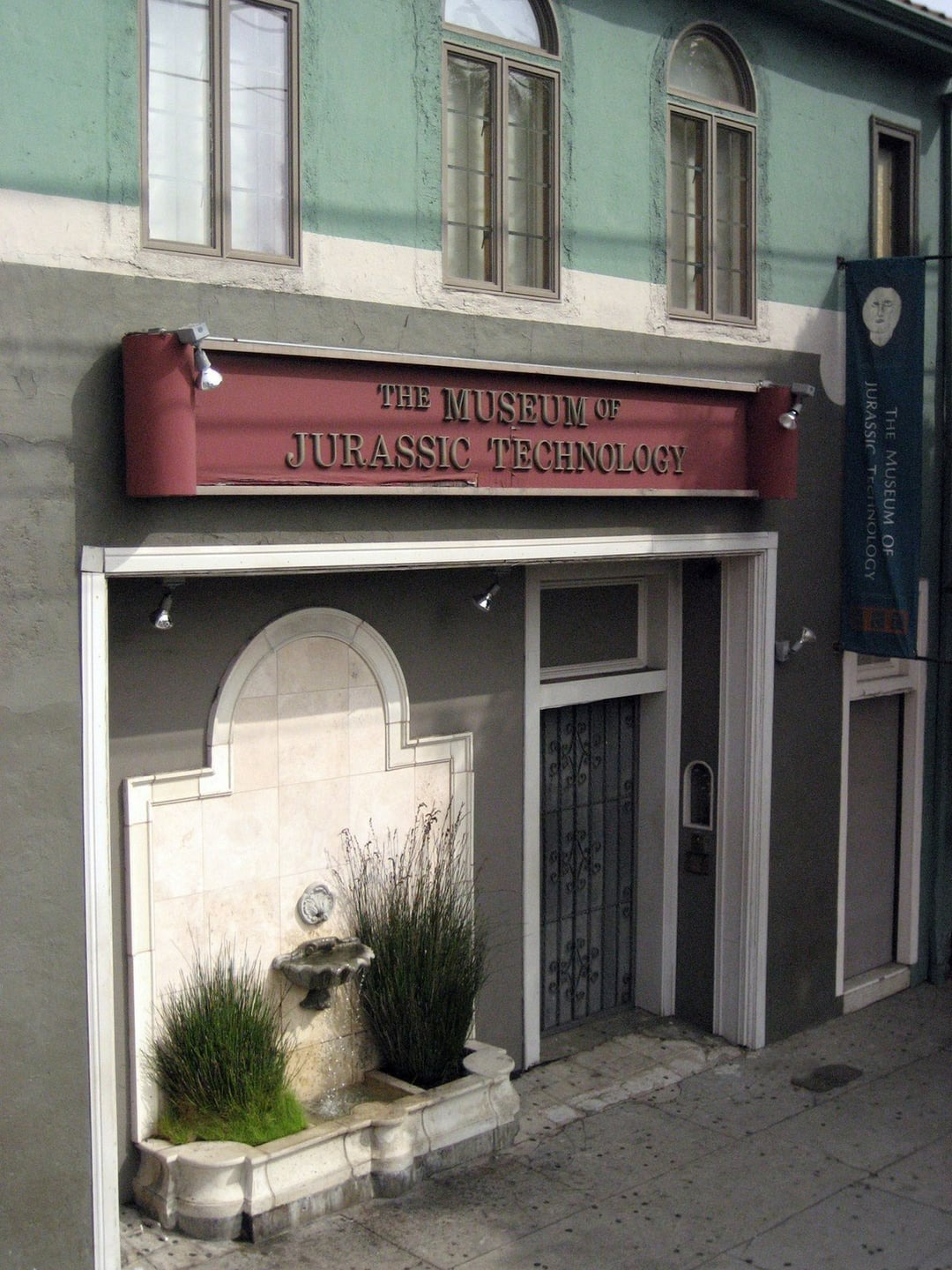
California – The Museum of Jurassic Technology
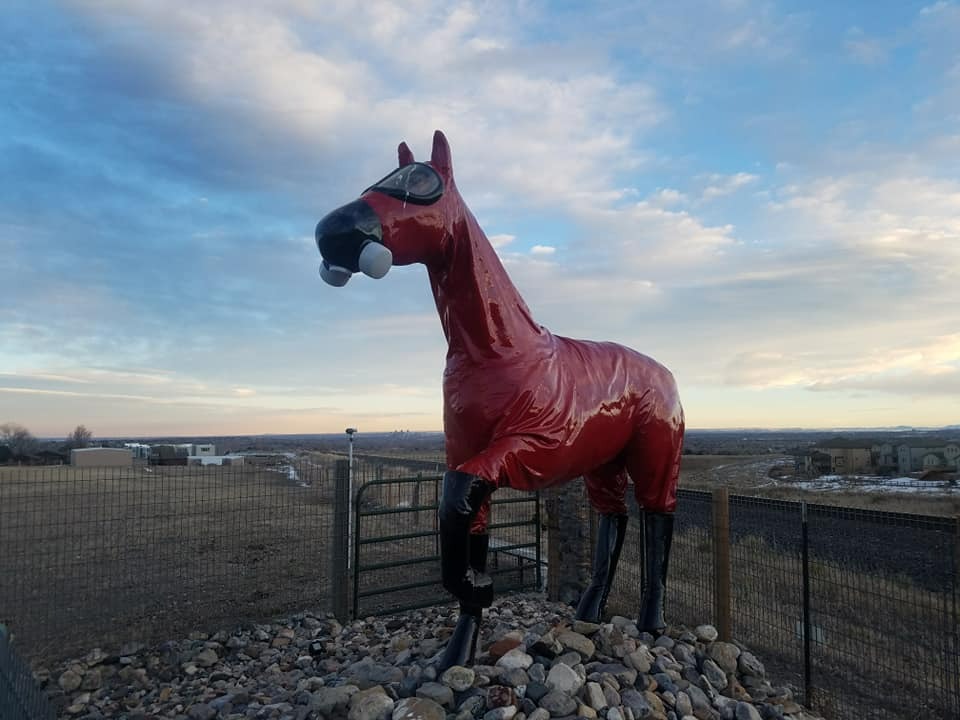
Colorado – The Cold War Horse
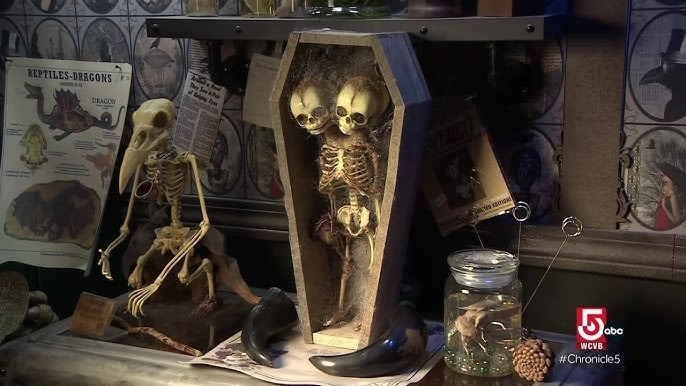
Connecticut – The Cushing Center
Yale University’s Cushing Center houses a remarkable collection comprising hundreds of human brains preserved in glass jars, curated for medical posterity. Originating from the efforts of Dr. Harvey Cushing, renowned as the father of modern neurosurgery, this collection stands as a testament to the advancements in neuroscience.
While exploring New Haven, Connecticut, a visit to Yale’s Beinecke Rare Book and Manuscript Library is a must. Although access to the reading room is restricted to Yale students and approved academics, the library offers rotating exhibits open to the public. Among its treasures lies the enigmatic Voynich Manuscript, a prized possession that continues to captivate scholars and enthusiasts alike.
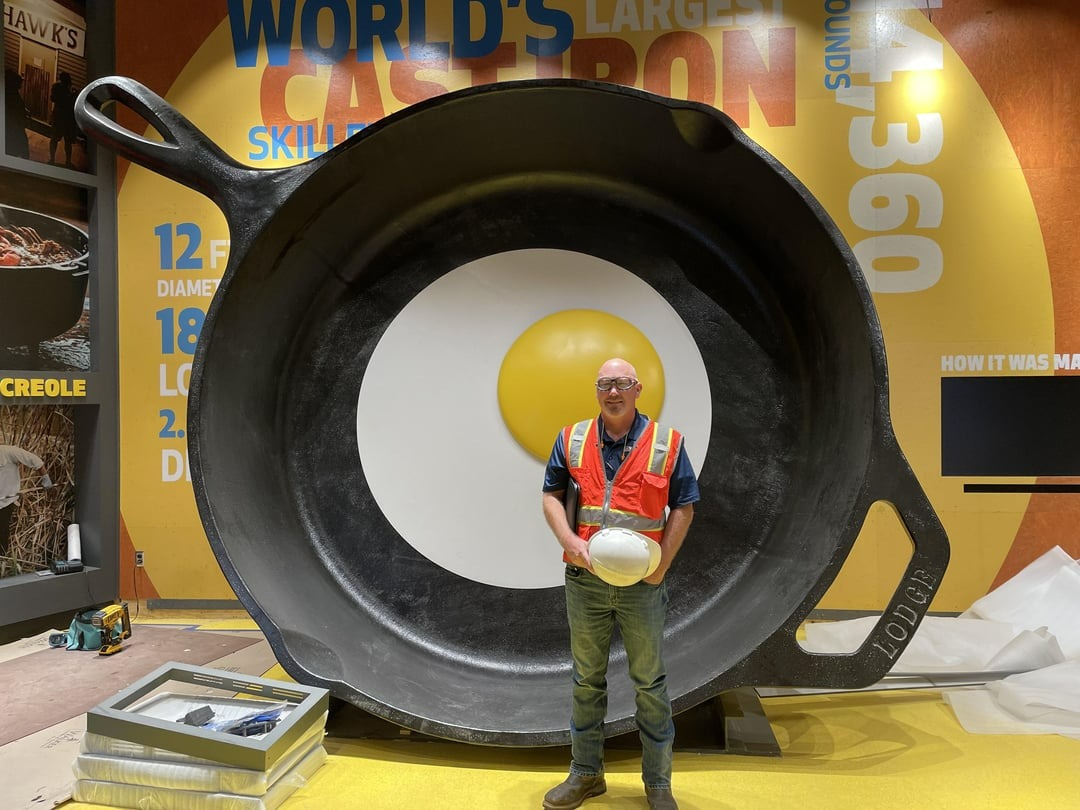
Delaware – The World’s Largest Frying Pan
Florida – The Coral Castle
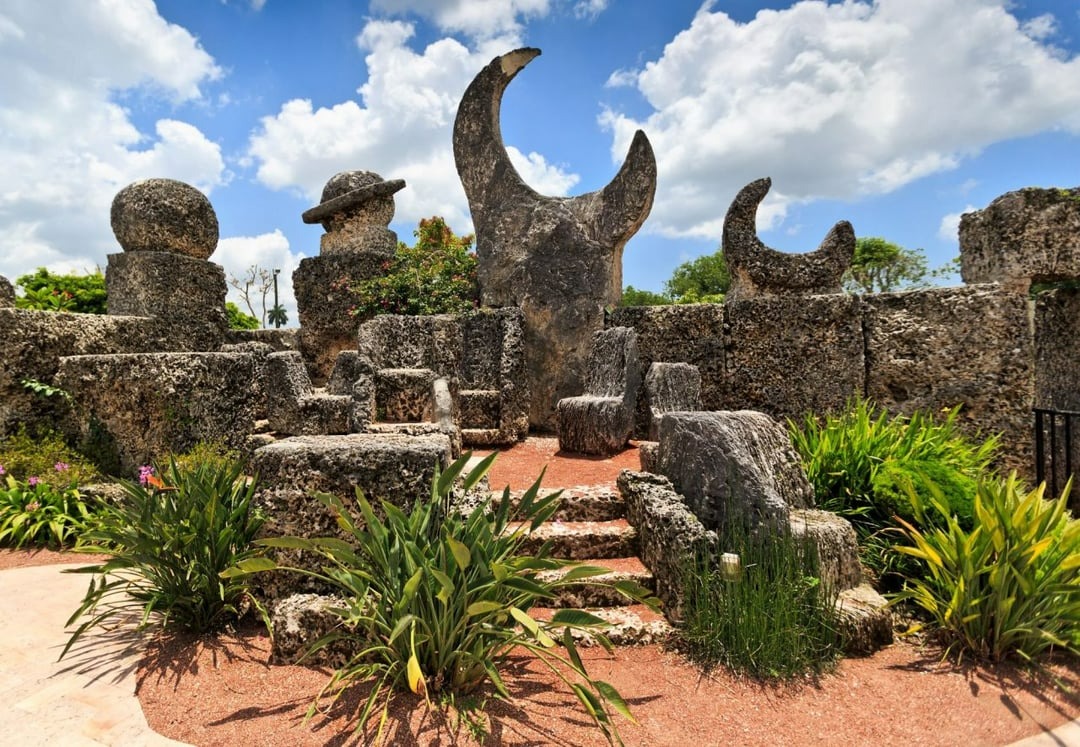
Georgia – Rock City

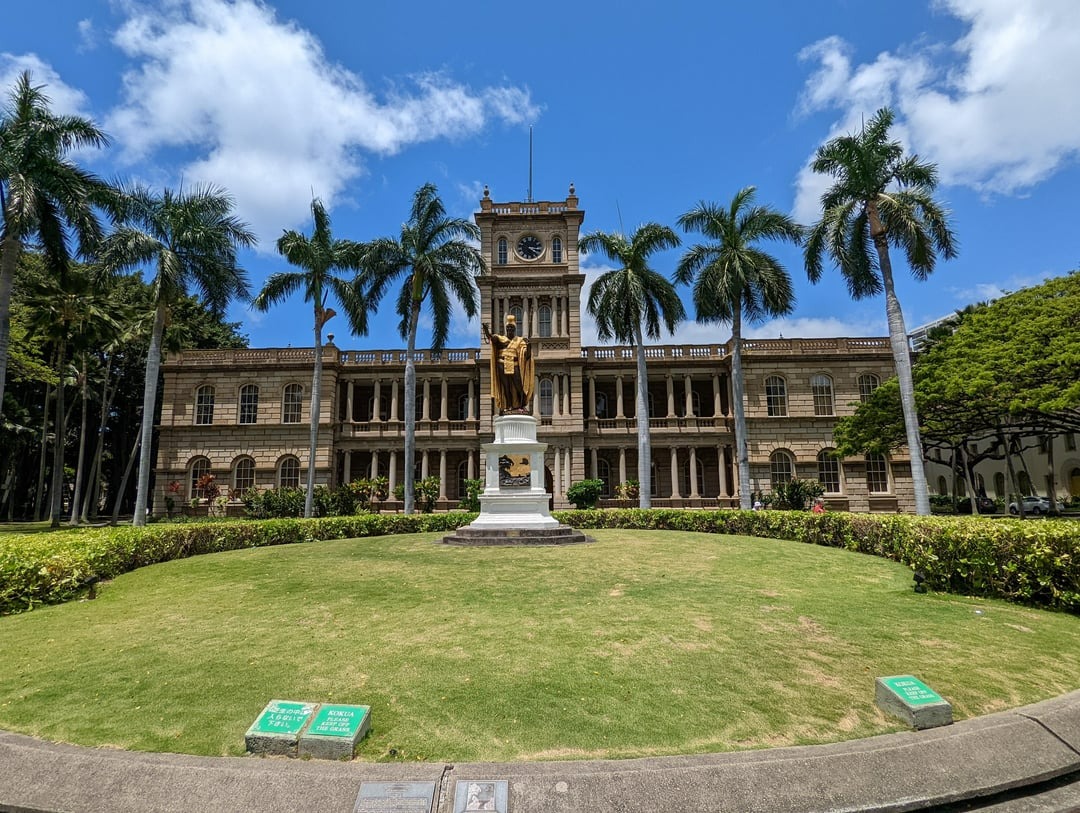
Hawaii – Iolani Palace
Hawaii’s Iolani Palace may not boast the same level of eccentricity as many other entries on this list, but it holds a distinction that sets it apart: it stands as the sole royal palace in the United States.
While the history of the United States has typically shied away from monarchy, Hawaii’s narrative took a different turn. Prior to the late 19th century, Hawaii thrived as an independent kingdom. Queen Lili’uokalani resided in the palace until she was deposed by the euphemistically named Committee of Safety—a coalition primarily comprising businessmen with the backing of influential figures in the U.S. Despite her efforts to reclaim the throne, the queen faced imprisonment within the confines of the palace for nearly eight months. This tumultuous chapter in Hawaiian history adds a unique layer of significance to the palace’s legacy.
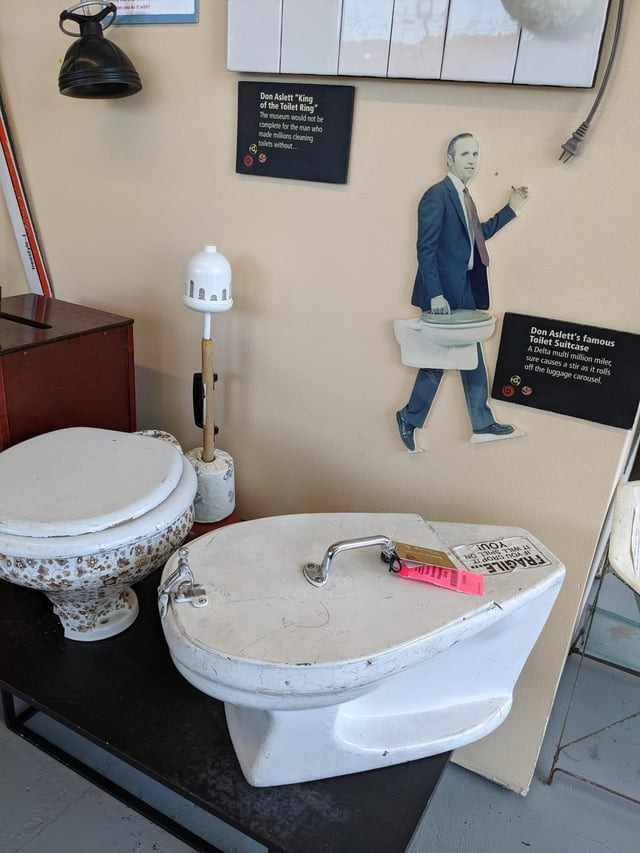
Idaho – The Museum of Clean
The Museum of Clean in Idaho aims to broaden the concept of cleanliness beyond just tidiness to encompass various facets of life, including clean homes, clean minds, clean language, clean community, and a clean world. This ambitious mission, depending on one’s interpretation, can be seen as either endearing or perhaps slightly unsettling, driving the ethos of one of the most peculiar museums you’re likely to encounter.
For those adventurous souls willing to embark on a long journey, a visit to the Museum of Clean can be complemented by a stay at Idaho’s Dog Bark Park Inn, an inn shaped like two colossal beagles. And for those seeking even more whimsy, there’s the Potato Hotel, designed in the likeness of Idaho’s most renowned crop, offering an experience that is both distinctive and delightfully absurd.
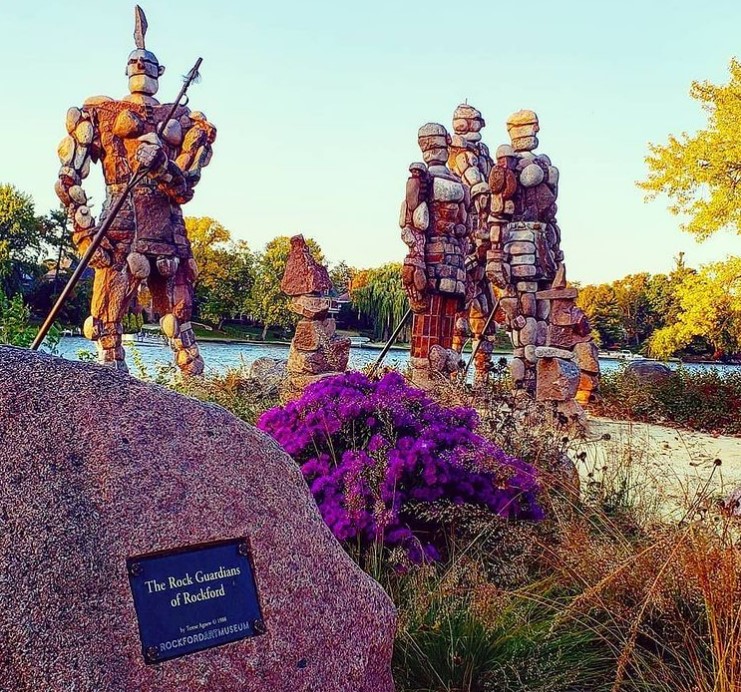
Illinois – Rockmen Guardians
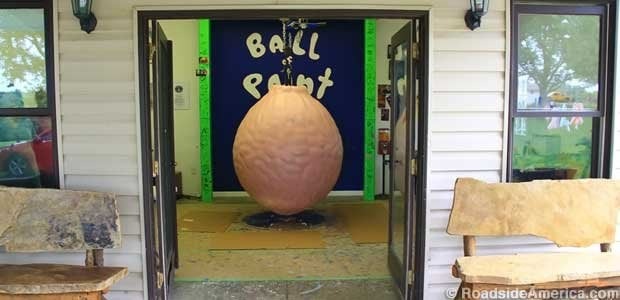
Indiana – World’s Largest Ball of Paint
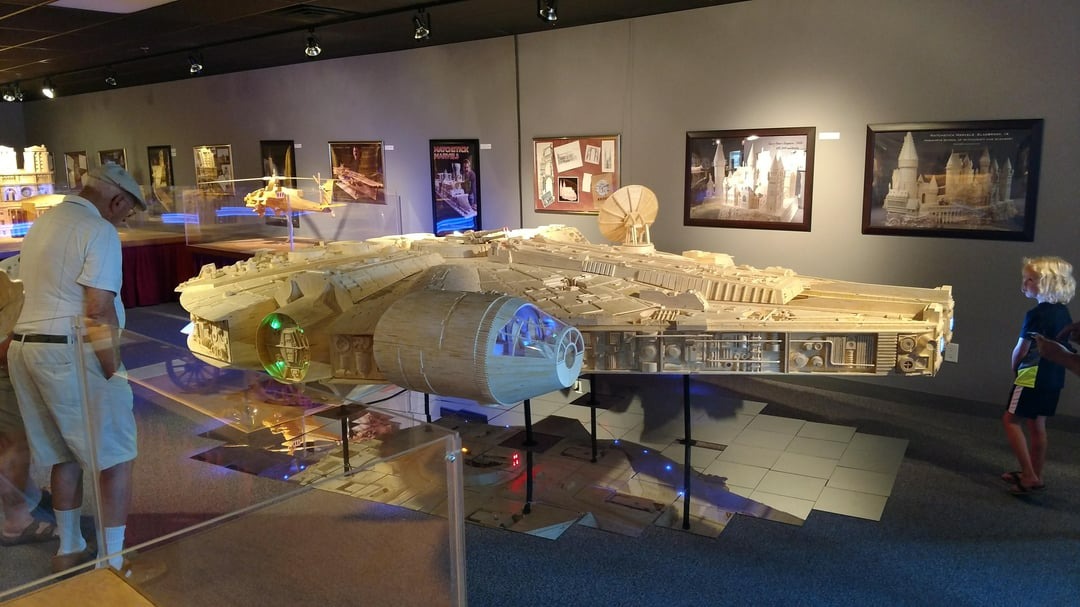
Iowa – Matchstick Marvels
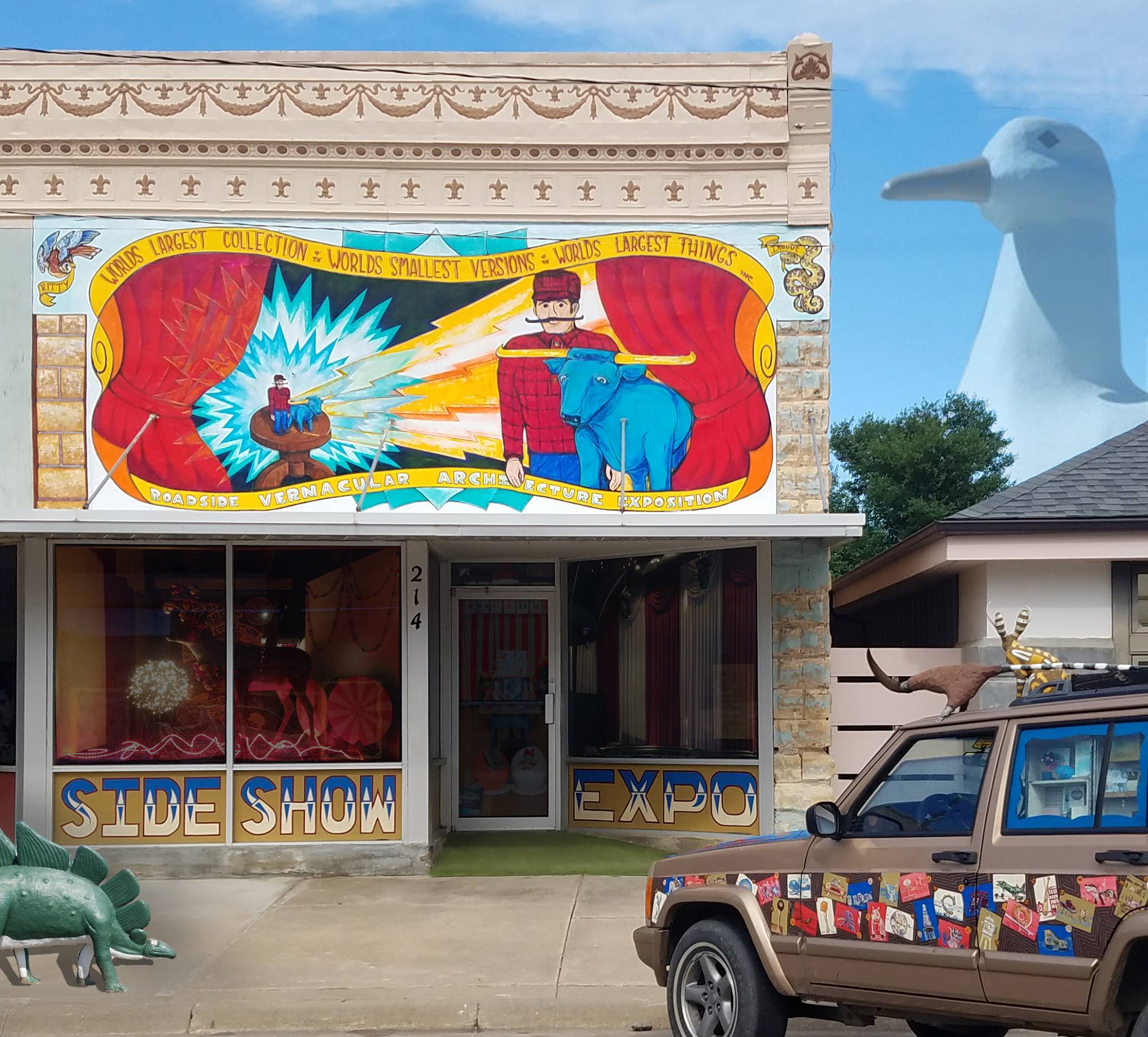
Kansas – The World’s Largest Collection of World’s Smallest Versions of World’s Largest Things
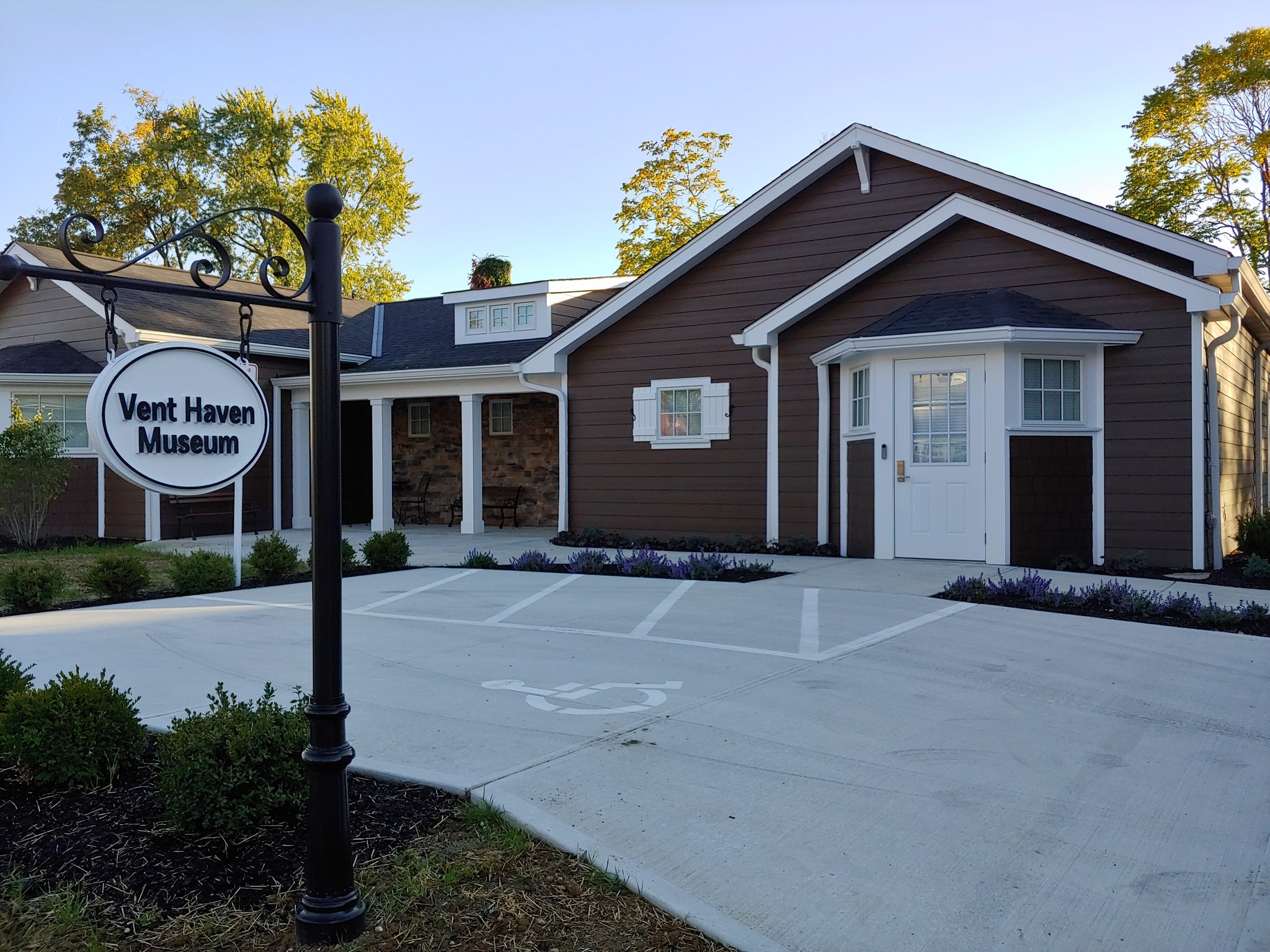
Kentucky – Vent Haven Museum
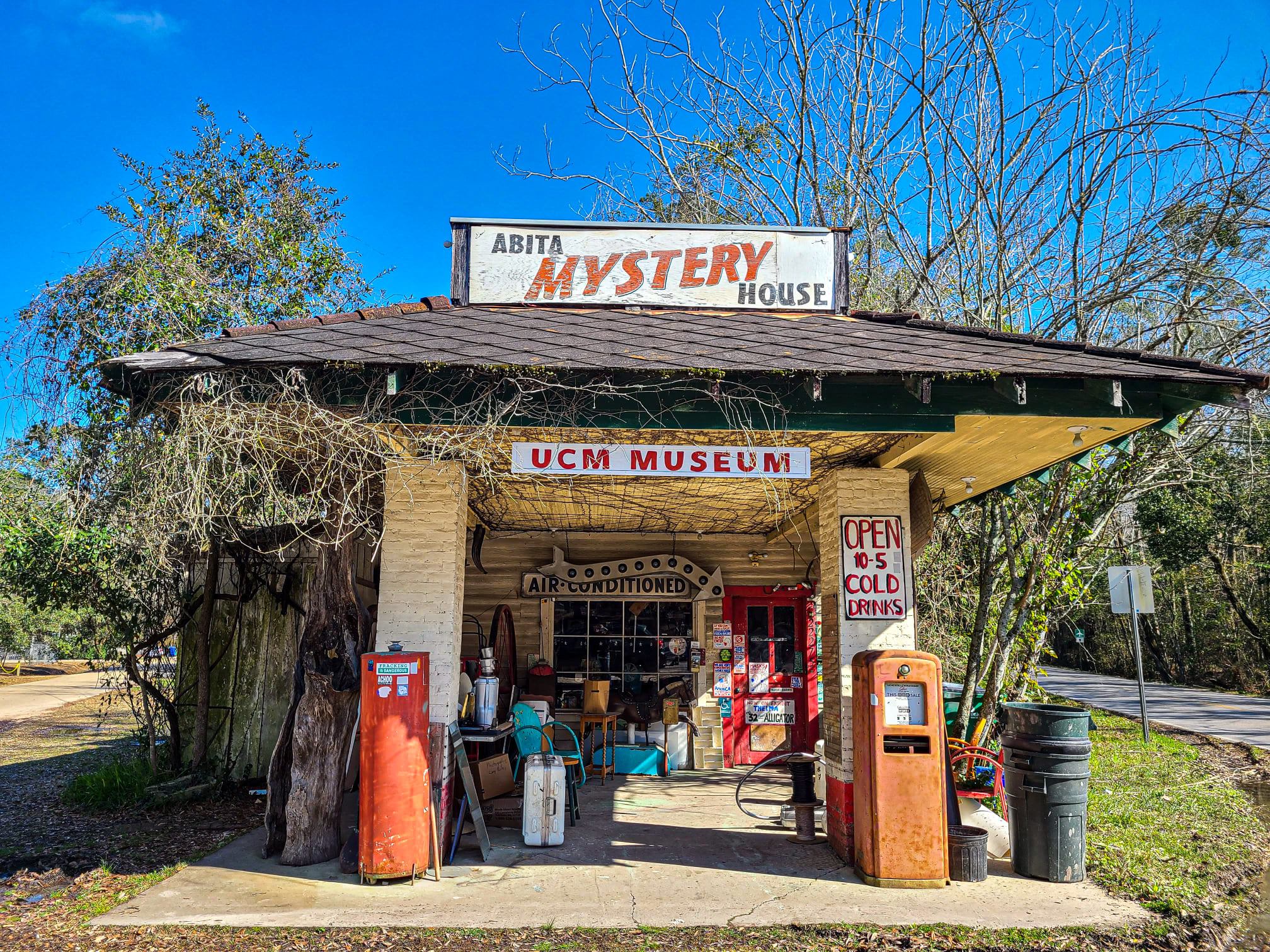
Louisiana – Abita Mystery House
Maine – The Umbrella Cover Museum
In Maine, the Umbrella Cover Museum pays homage to a cultural artifact often overlooked—the humble sheaths designed to encase umbrellas when not in use.
With a name like its founder, Nancy 3. Hoffman, it’s no surprise that the museum embraces its eccentricity. Featuring a “Board of Troublemakers” instead of a traditional Board of Directors, and boasting a diverse collection of umbrella covers from numerous countries, the museum stands out as a unique attraction.
What sets the Umbrella Cover Museum apart from others on this list is its unconventional origin story, partially inspired by an act of petty theft. As Hoffman candidly admits, “I was in a dime store and I stole a cover off of an umbrella … just the cover. Then I knew I was hooked.”

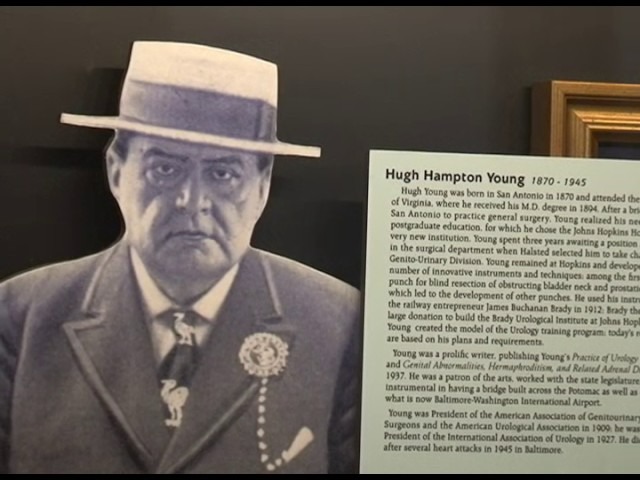
Maryland – The Urology Museum
Massachusetts – The Museum of Bad Art
In Boston, choosing the best museum can be a challenging task given the wealth of options available. The Museum of Fine Arts stands out with one of the largest art collections globally, while the Isabella Stewart Gardner Museum showcases masterpieces by renowned artists such as Diego Velazquez and Albrecht Dürer, even commemorating one of the most notorious art heists in history.
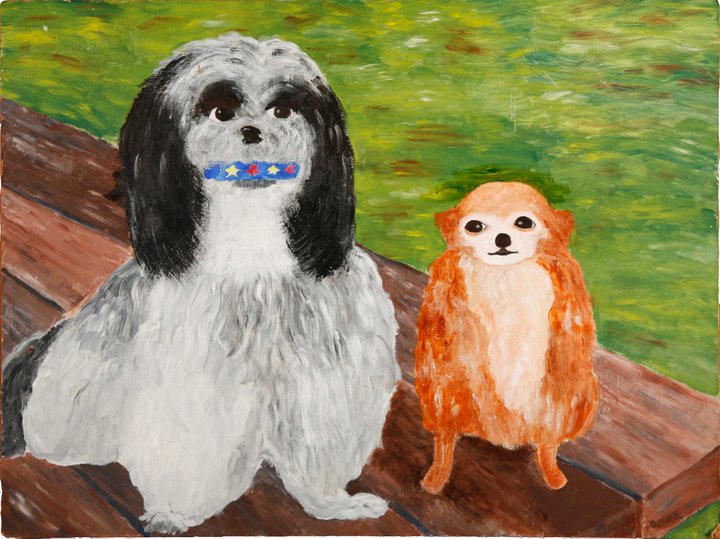
However, for those seeking a departure from staggering beauty and impeccable craftsmanship, the Museum of Bad Art offers a unique alternative. With a mission to “bring the worst of art to the widest of audiences,” the museum challenges conventional notions of artistic merit. While the concept of “bad art” is subjective, a glance at MOBA’s collection—featuring themed exhibits like “PoorTraits” and “In the Nood”—may sway even the most skeptical observers.
Michigan – Marvin’s Marvelous Mechanical Museum
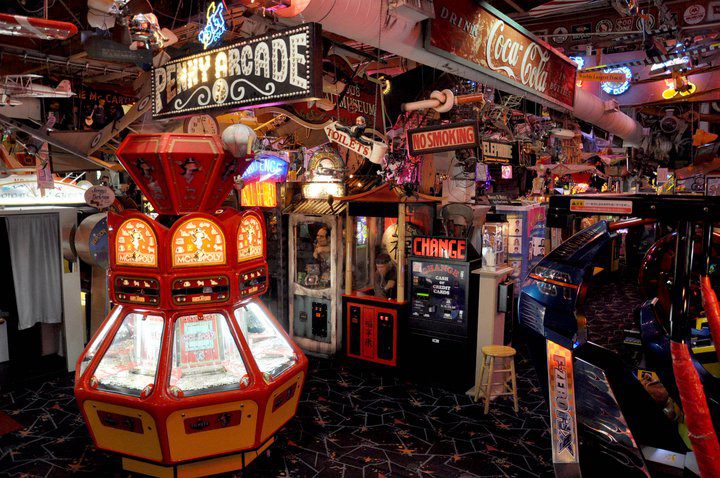
Marvin’s Marvelous Mechanical Museum in Farmington Hills, Michigan, has garnered recognition as one of the United States’ 100 Most Unusual Museums, according to The World Almanac. Among its vast array of attractions lies “The Disgusting Spectacle,” an animatronic figure engaged in the rather unsavory act of picking his nose.
While admission to the museum is free, visitors are unlikely to depart without spending a penny. Rows of coin-operated pinball machines and an assortment of peculiarities—such as “The Guillotine,” which springs to life for a small fee—tempt patrons. Adding to the whimsical ambiance are ceilings adorned with remote-control airplanes mounted on laundry conveyor belts, creating a playful and immersive experience that appeals to individuals of all ages.
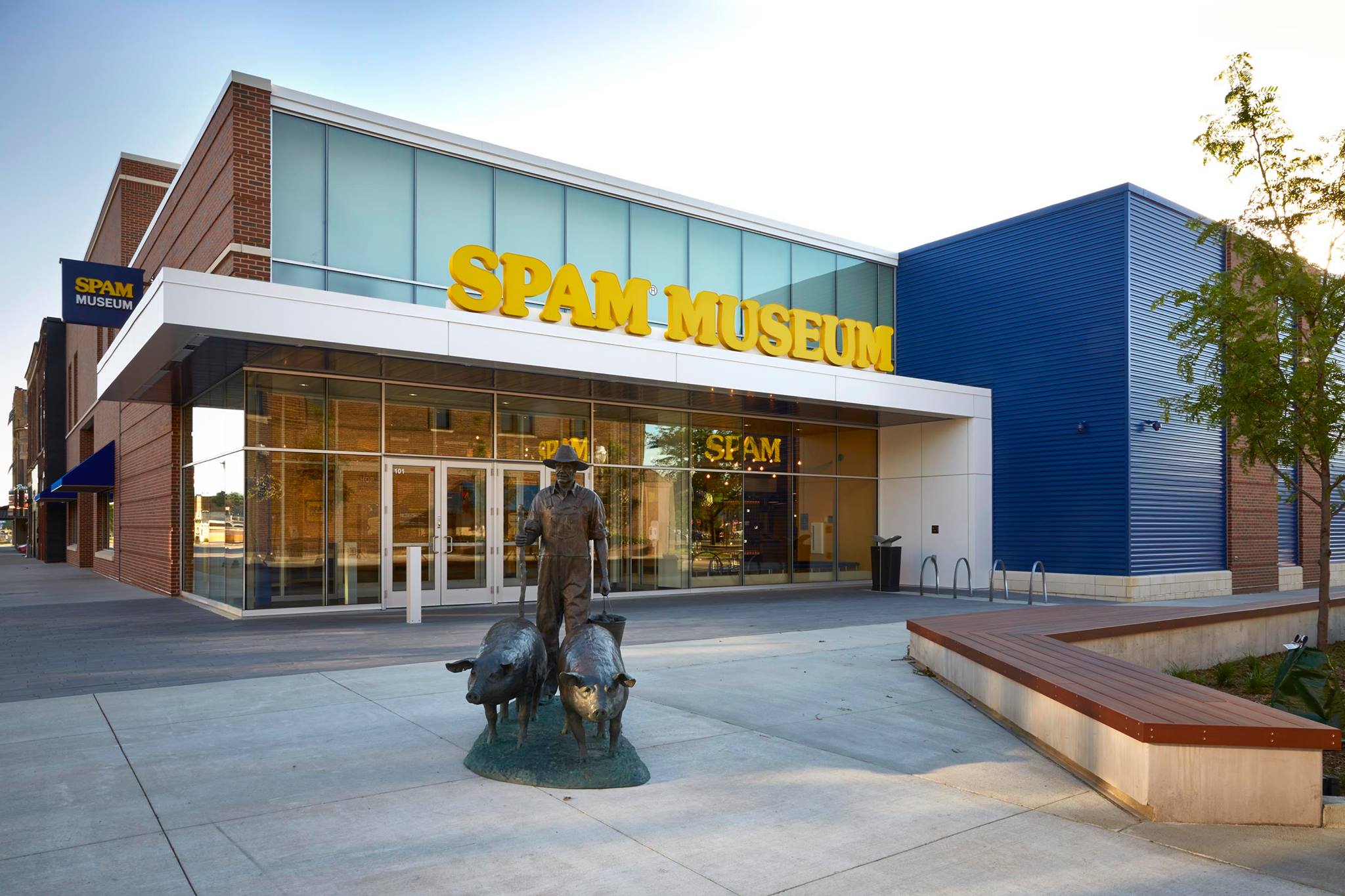
Minnesota – The Spam Museum
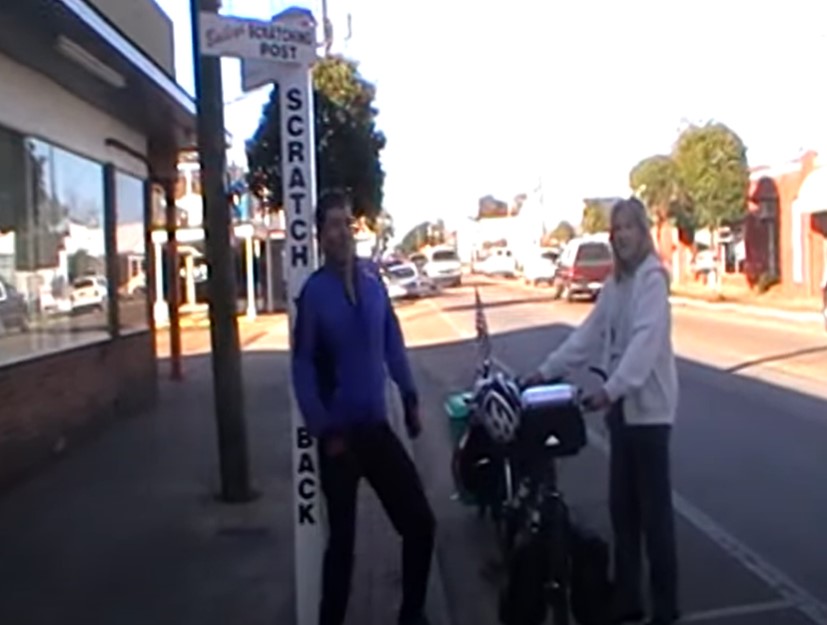
Mississippi – Bailey’s Scratching Post
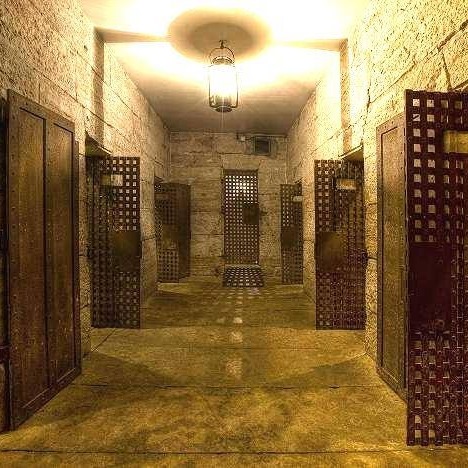
Missouri – 1859 Jail and Marshal’s Museum
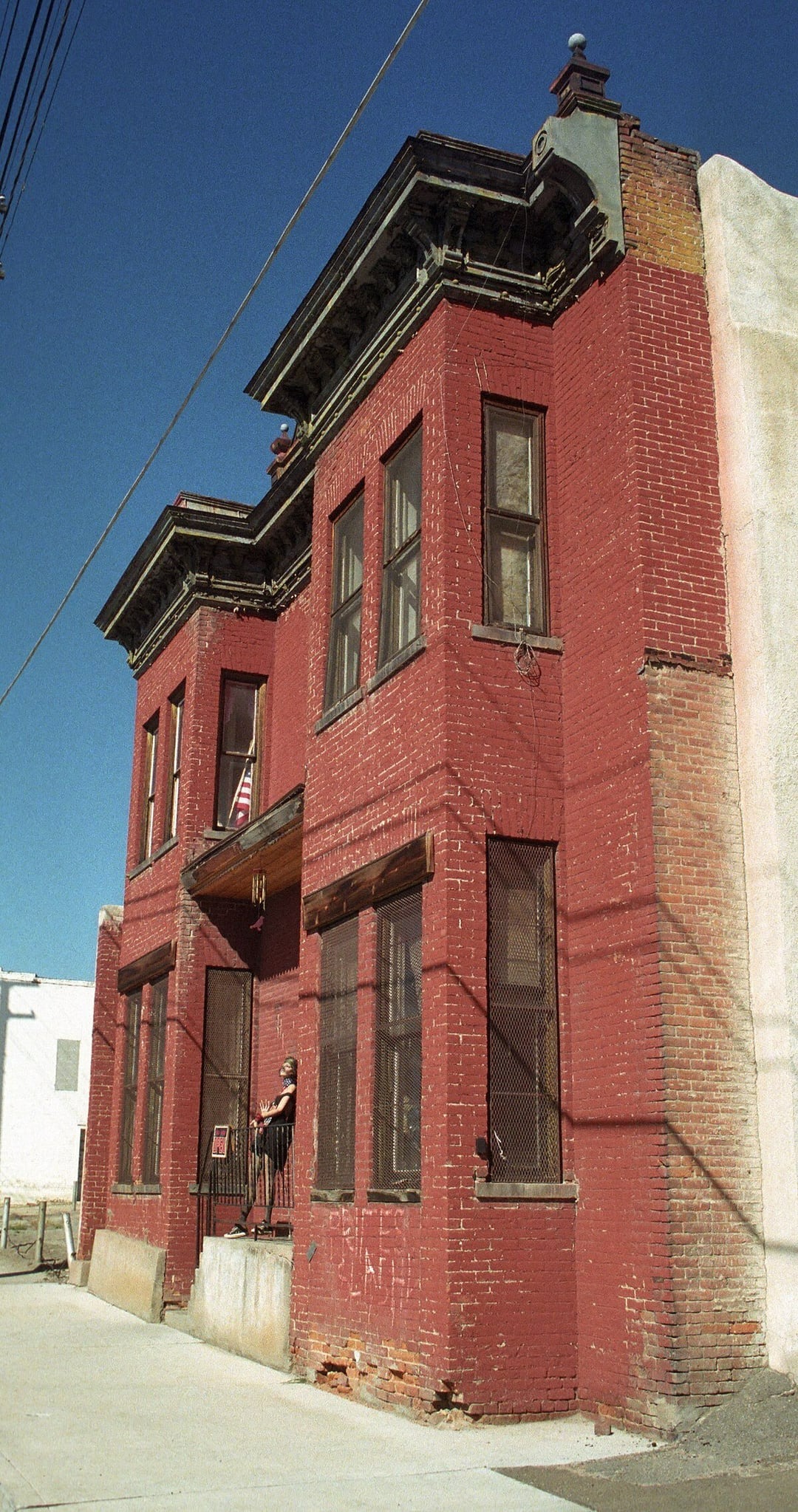
Montana – The Dumas Brothel
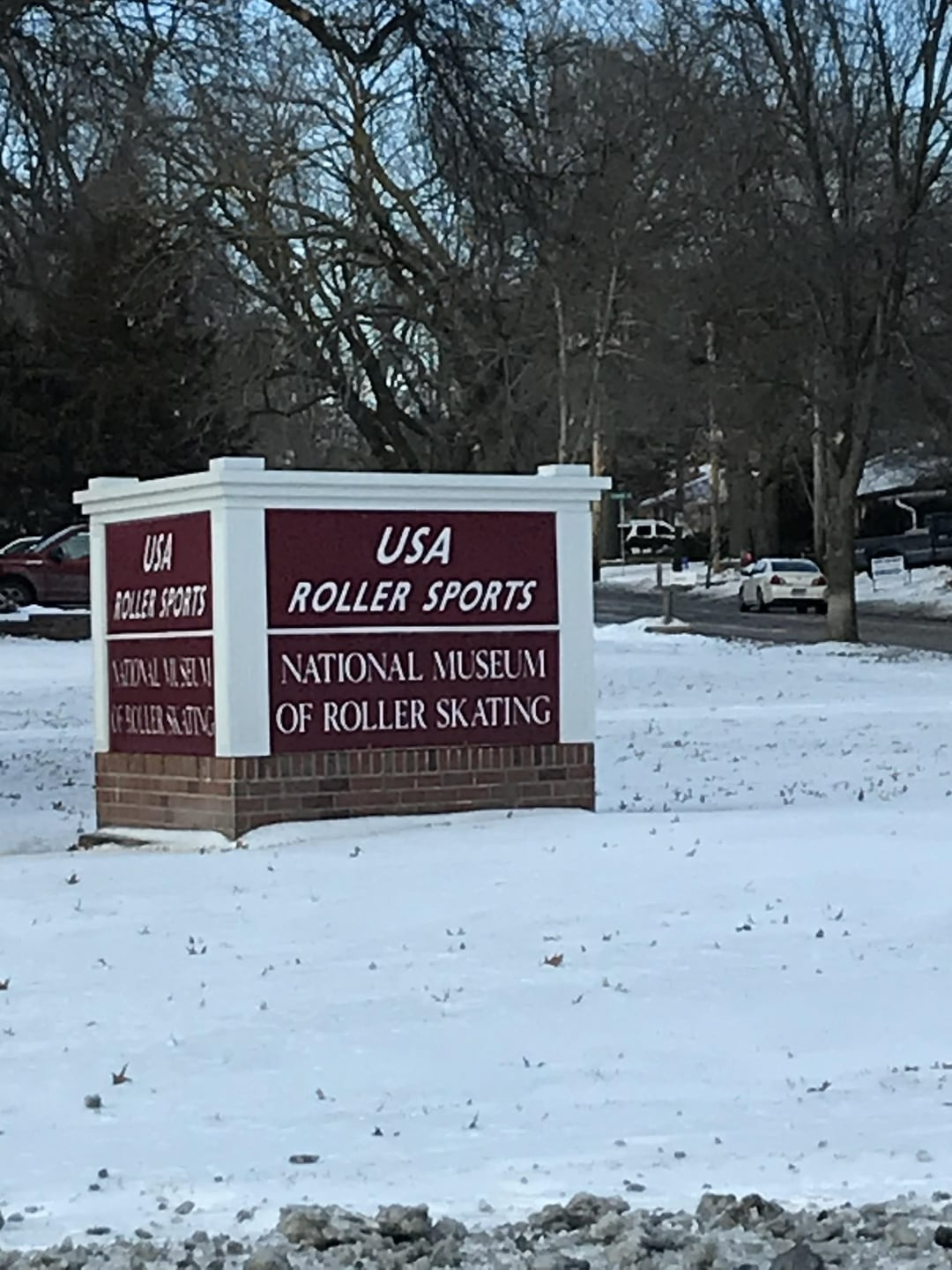
Nebraska – The National Museum of Roller Skating
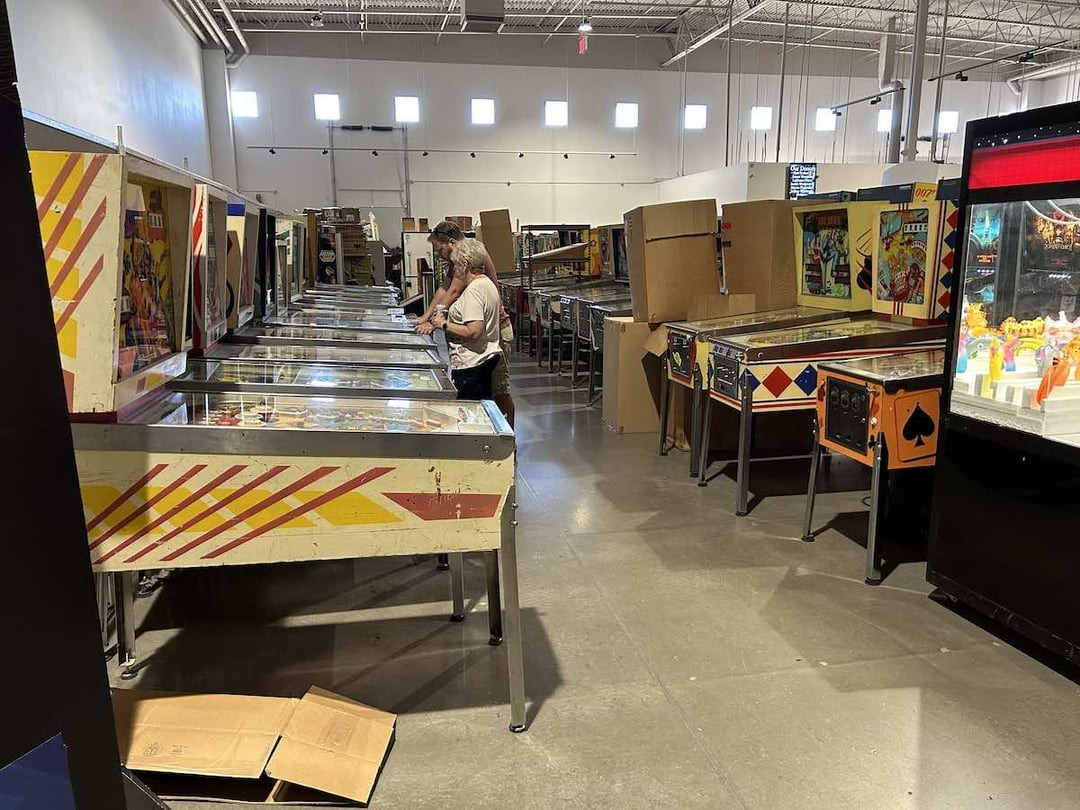
Nevada – The Pinball Hall of Fame
When you arrive at Tim Arnold’s establishment in Las Vegas, Nevada, there’s little ambiguity about what awaits you inside. The Pinball Hall of Fame offers an expansive 25,000 square feet of gaming space filled with pinball machines spanning decades of history. Despite its name, the focus seems to be more on celebrating and playing these iconic games rather than commemorating the greatest pinball players of all time—apologies, Tommy.
While in the area, why not extend your stay at Nevada’s World Famous Clown Motel for a truly unique experience?
New Hampshire – The Museum of Dumb Guy Stuff
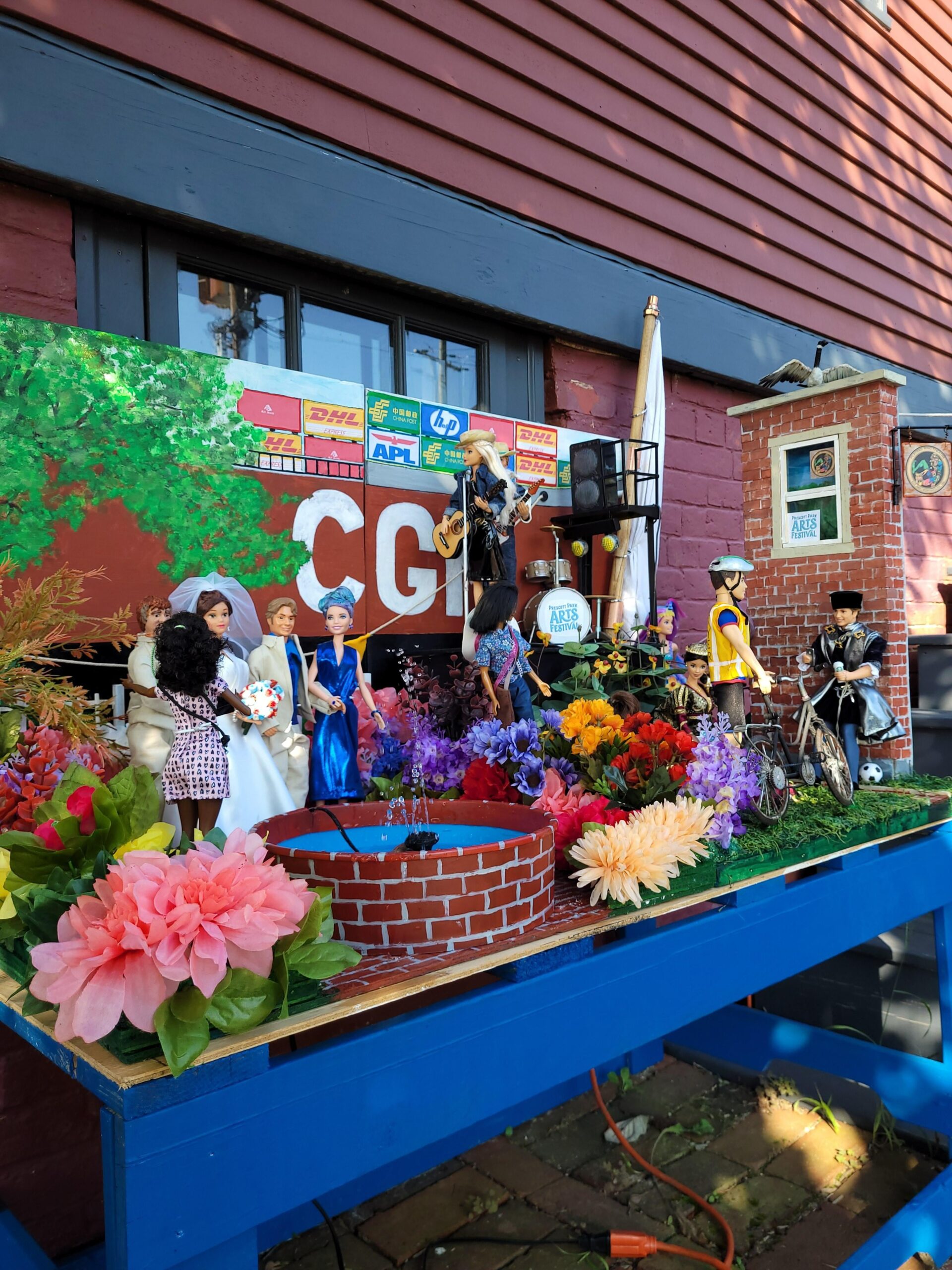
The Museum of Dumb Guy Stuff may not be the most accurate name on this list—it boasts a historically precise recreation of Dover, New Hampshire, circa 1959, among other exhibits. However, to be fair, a title like “The Museum of Fairly Insignificant But Somewhat Delightful Things Two Guys Made in A Basement” doesn’t exactly have the same ring to it.
There’s an undeniable mad scientist vibe to the whole operation, as if the mad scientist in question was more interested in cramming customized figurines into a tiny space beneath an ordinary Portsmouth home. Interestingly, the museum almost never came to be. Rod Hildebrand shared a story about his co-founder, Clay Emery, pitching the idea to his wife. Initially skeptical, she eventually relented, remarking, “Well, it’ll keep me out of your hair.” Clay responded, “And she thought about it for a moment and said, ‘I support that.'”
New Jersey – The World’s Largest Lightbulb
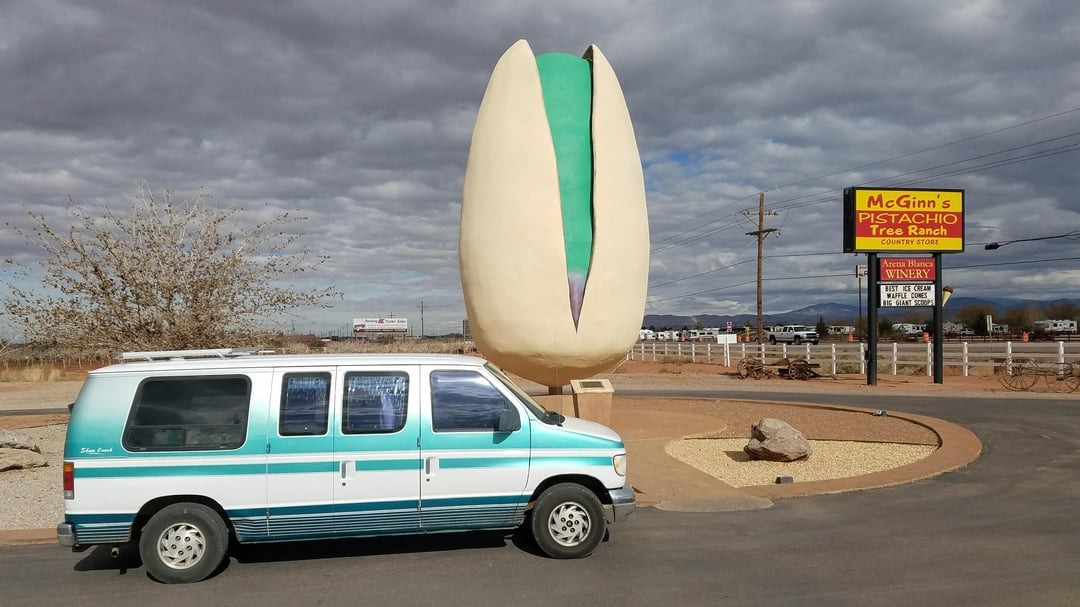
New Mexico – The World’s Largest Pistachio
New York – Treasures in the Trash
North Carolina – The Road to Nowhere
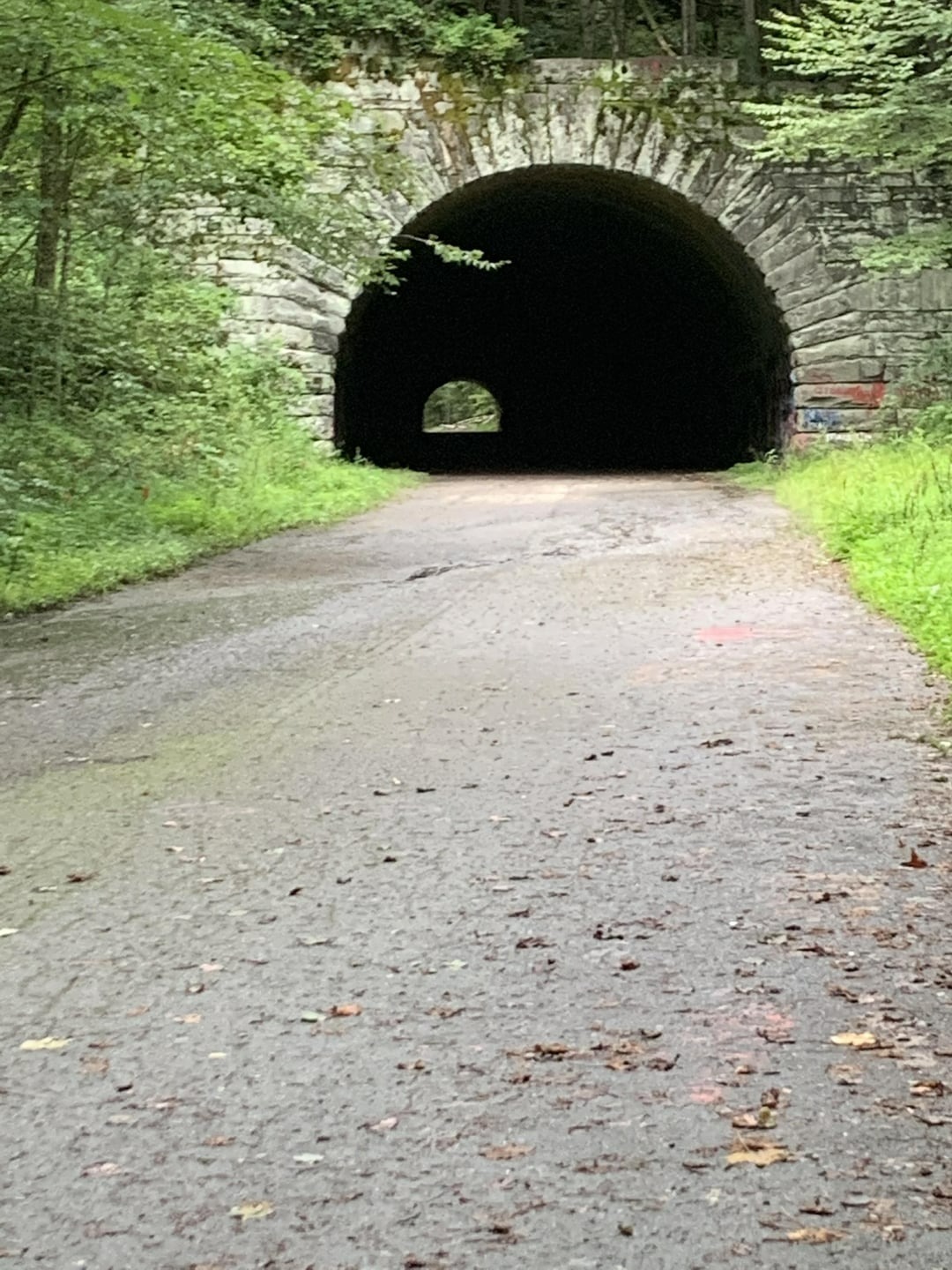
When the construction of Fontana Dam in North Carolina necessitated the displacement of several nearby towns along the Little Tennessee River, including the submersion of Old Highway 288 under Fontana Lake, it led to a significant upheaval for residents. In response, the federal government proposed building a new road connecting Bryson City and Deals Gap, allowing displaced residents to access burial sites of their loved ones.
However, this public works project was never completed, leaving behind a peculiar attraction known as the “Road to Nowhere.” The road terminates abruptly in a quarter-mile tunnel that leads to nowhere. Nearby, a sign erected by a disgruntled landowner reads, “Welcome to the Road to Nowhere—a broken promise! 1943->?->,” serving as a poignant reminder of the government’s unfulfilled commitment and the lasting impact on the affected communities.
North Dakota – Tent Pole Monument to Circus Dead
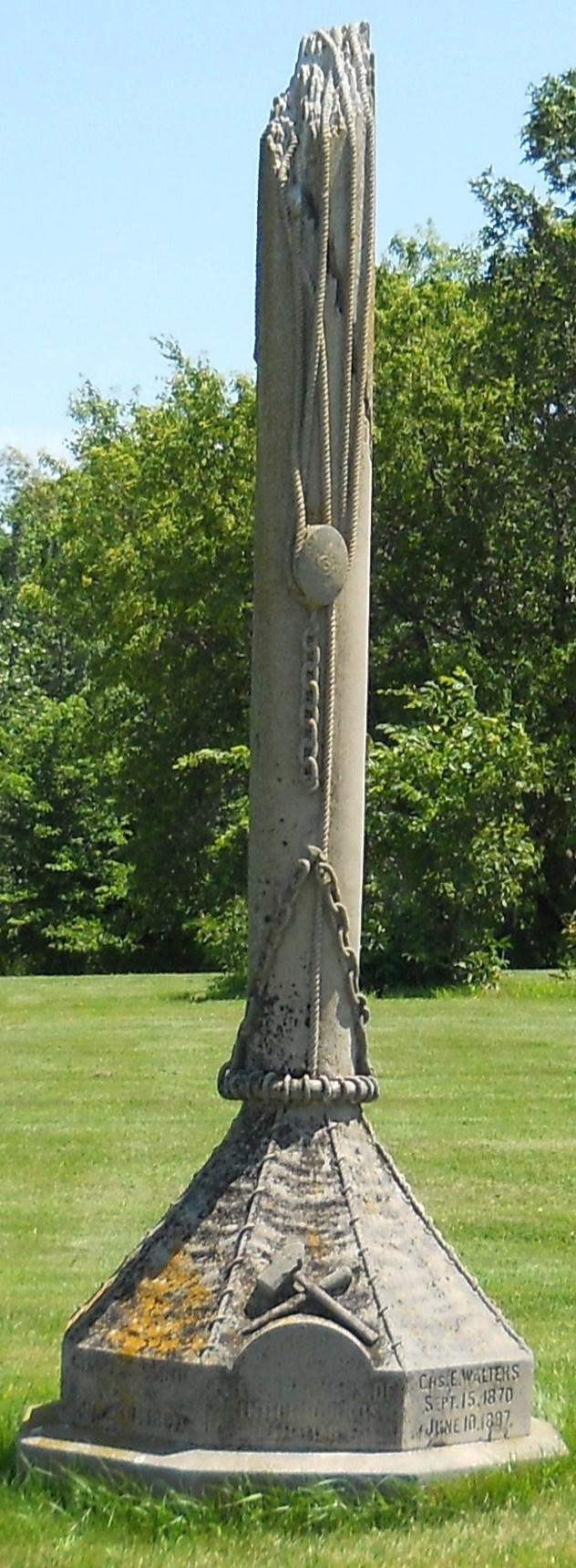
The Tent Pole Monument to Circus Dead may appear as a simple granite pole in a small cemetery, but its backstory is both captivating and somber. In 1897, when Ringling Brothers visited Wahpeton, a thunderstorm disrupted their show preparations. Despite the adverse weather conditions, the circus decided to proceed with the performances, erecting a large pole to support the main tent. Tragically, lightning struck the pole, resulting in injuries that claimed the lives of three men. Remarkably, even this horrific incident did not deter the show from going on.
Today, the monument—a stone replica of the original metal pole—stands in a cemetery just outside of town, serving as a poignant reminder of the tragedy that occurred. Reportedly, in more recent years, when a circus passes through the area, members of the troupe pay their respects by visiting the cemetery, honoring the memory of those who lost their lives in the line of duty.
Ohio – The Lucky Cat Museum
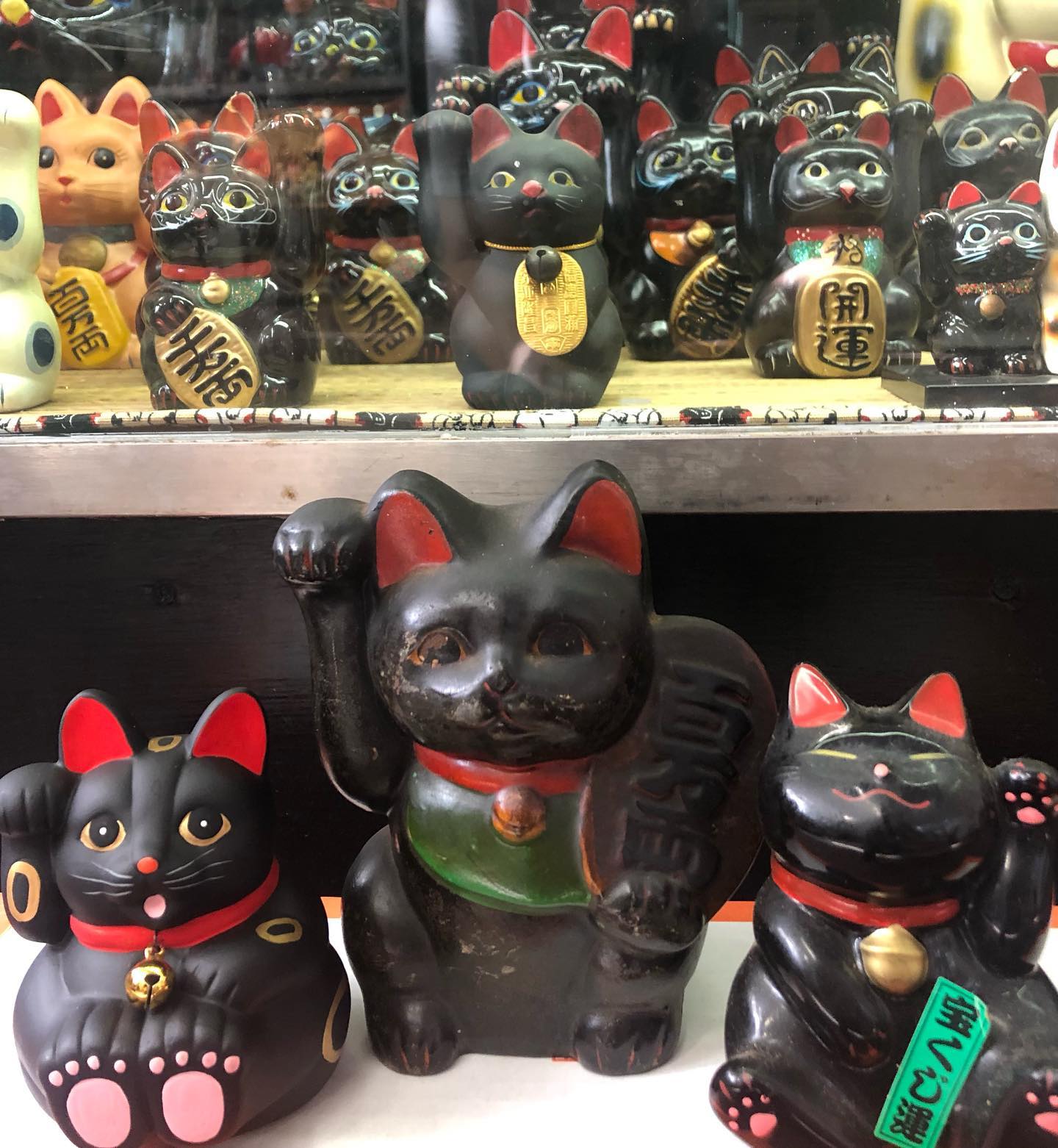
Cincinnati’s Lucky Cat Museum—spelled “mewseum” on their website—houses a fascinating collection of approximately 2000 maneki-neko, the charming beckoning cats commonly found in East Asian homes and businesses. While these iconic figurines are often associated with Chinese establishments, they are believed to have originated in Japan and are thought to bring good luck to their owners.
The mewseum was founded by Micha Robertson, who initially started with just a few dozen waving cats in her personal collection. Over time, the museum has expanded to feature hundreds of variations in size and design, offering visitors a comprehensive exploration of this beloved cultural symbol.
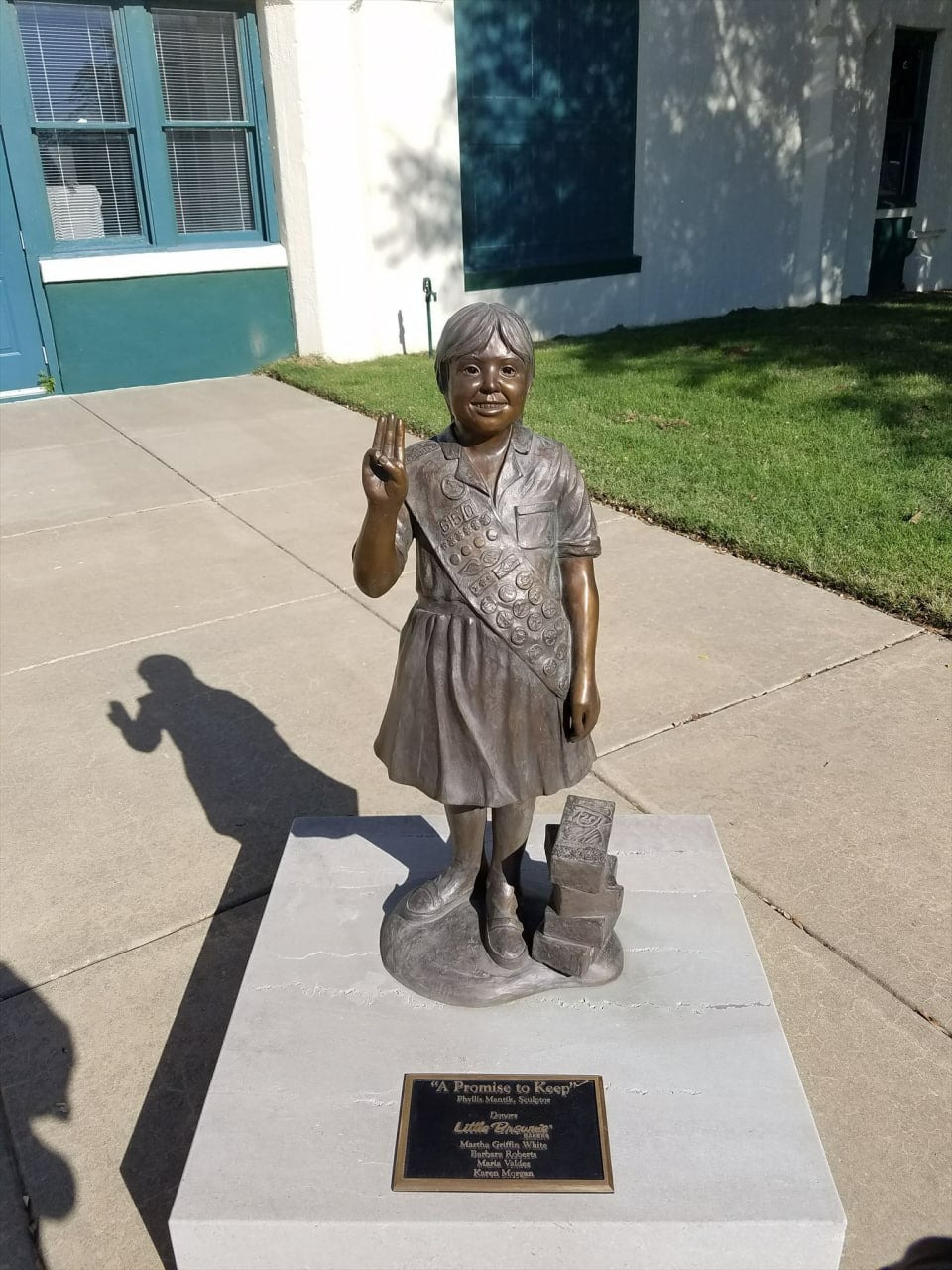
Oklahoma – The First Girl Scout Cookie Sale Statue
Oregon – The National Hat Museum
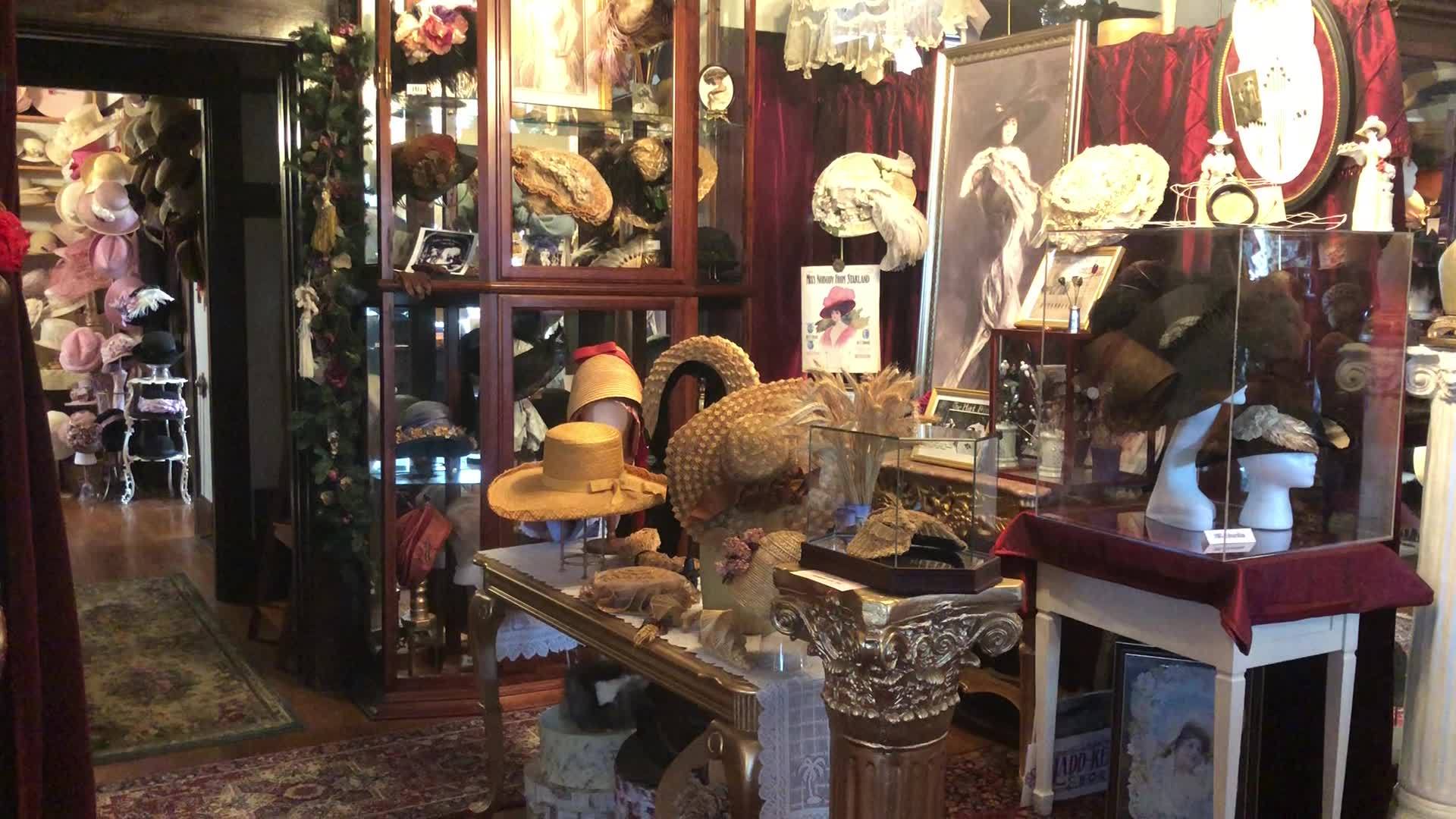
In the world of comedy writing, the term “putting a hat on a hat” refers to an overstuffed premise that lacks effectiveness. Conversely, in football, it’s a straightforward explanation for successful run-blocking, albeit potentially risky. However, at Portland, Oregon’s National Hat Museum, “putting a hat on a hat” simply refers to sound space management. With over 2000 hats in one small location, some stacking is unavoidable.
While the museum, currently temporarily closed, typically offers year-round celebrations of millinery, visitors are encouraged to keep an eye out for special events. Past highlights listed on the museum’s website include the obligatory Kentucky Derby Day celebration, as well as more unconventional hat-centric affairs such as the black-clad “Mausoleum Edwardian tea.”
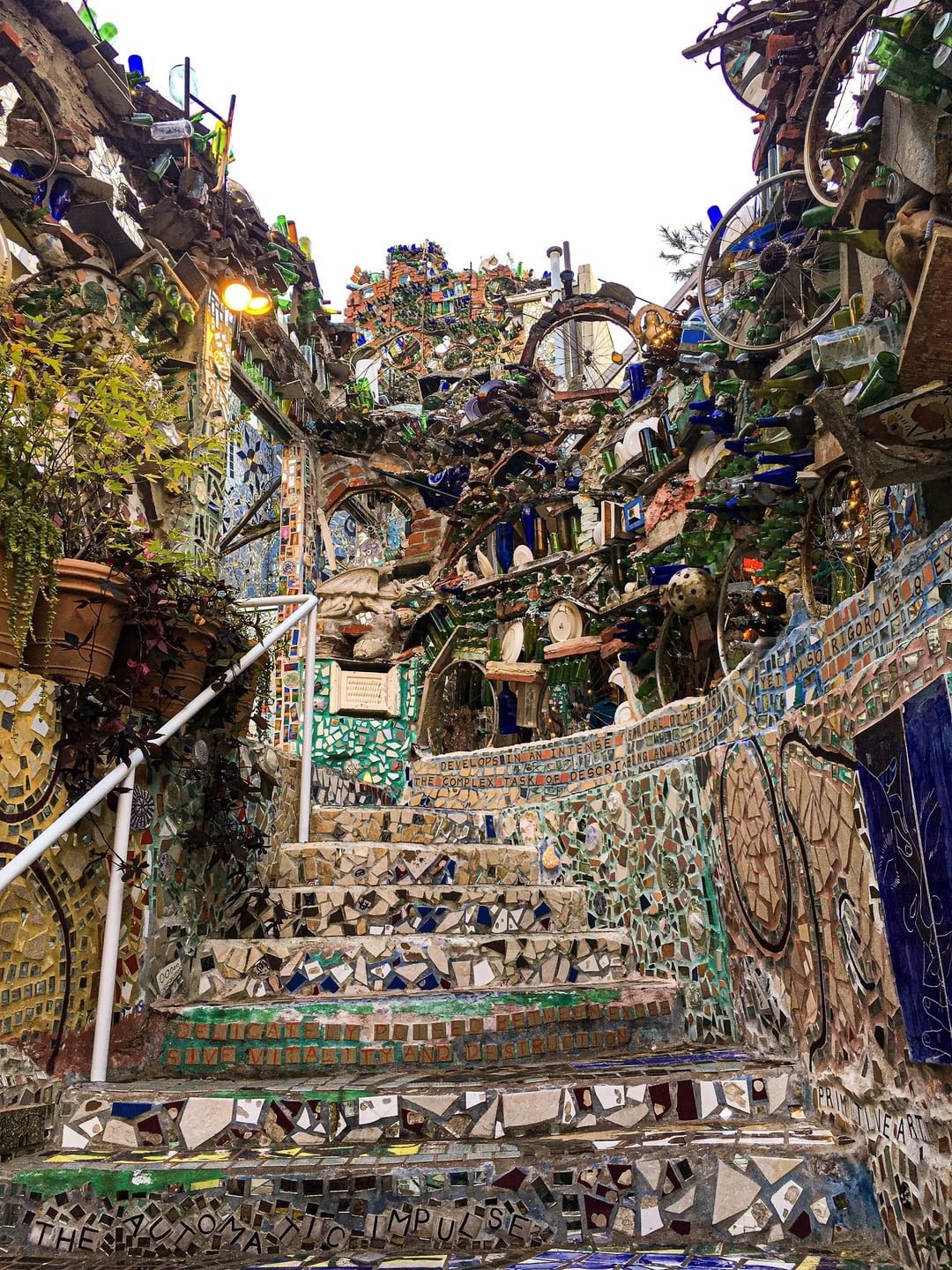
Pennsylvania – The Magic Gardens
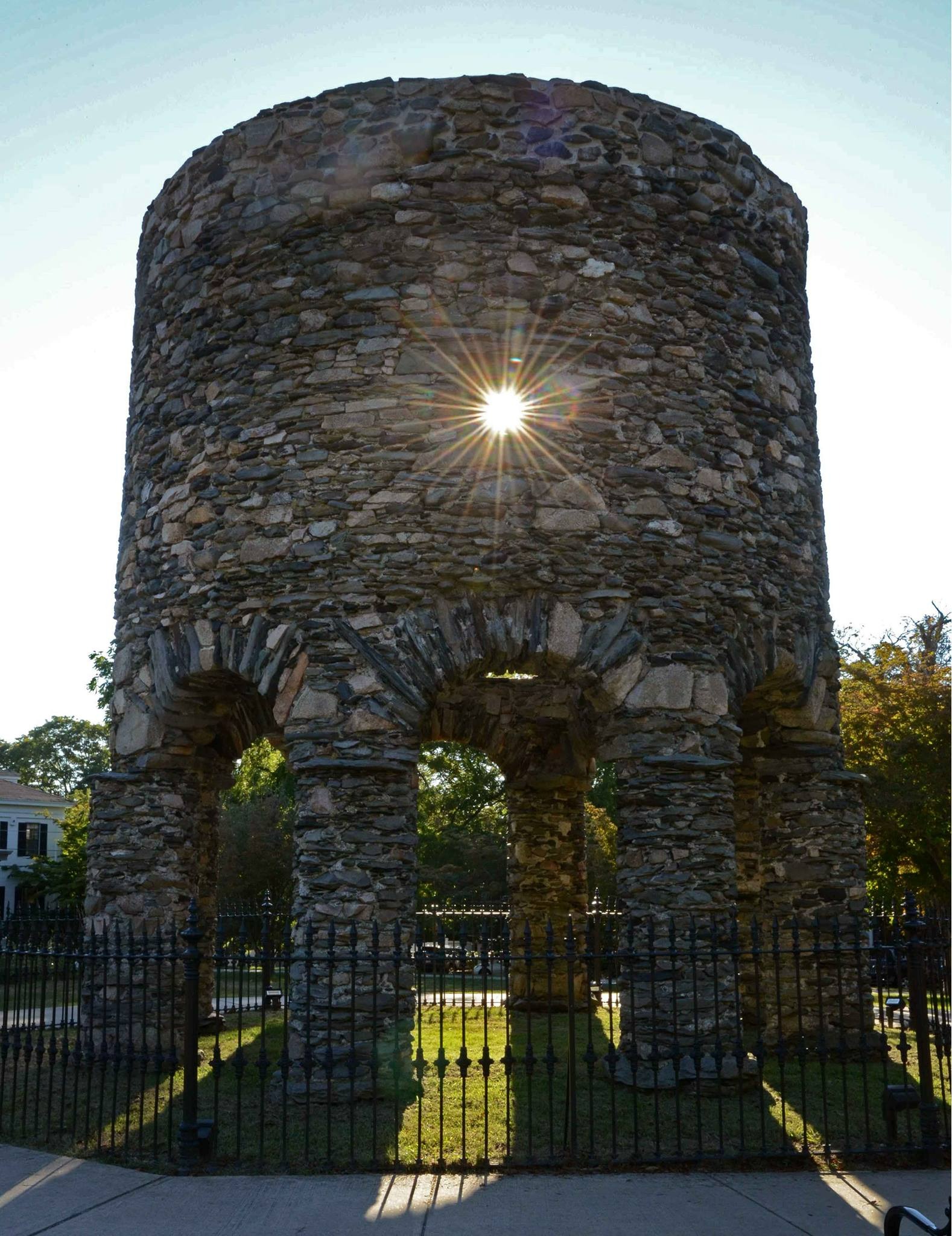
Rhode Island – Newport Tower
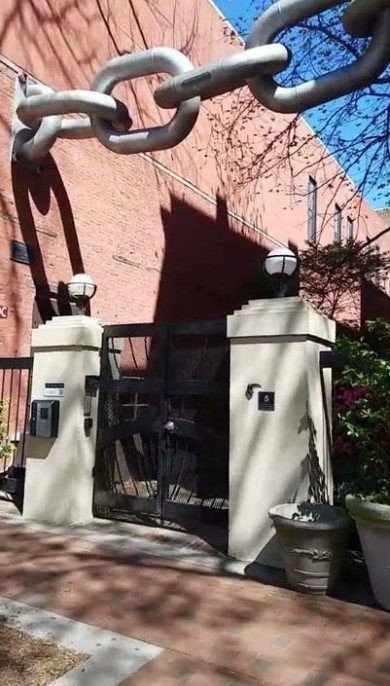
South Carolina – Neverbust Chain
On Main Street in Columbia, South Carolina, there exists an intriguing sight—a gap between two buildings housing a Brazilian steakhouse and a jeweler. Suspended about 15 feet above the ground, between these buildings, hangs the Neverbust Chain, a sculpture crafted by an American artist known as Blue Sky. Remarkably, the links of the chain are made of real steel, suggesting a significant effort in installation.
The motivation behind Blue Sky’s creation remains a mystery. When questioned about the sculpture’s purpose, the artist remained cryptic, simply stating that “One building looked like it was leaning a little bit.” RoadsideAmerica.com perhaps captures the essence of the piece best, remarking that it “signifies something, possibly.”
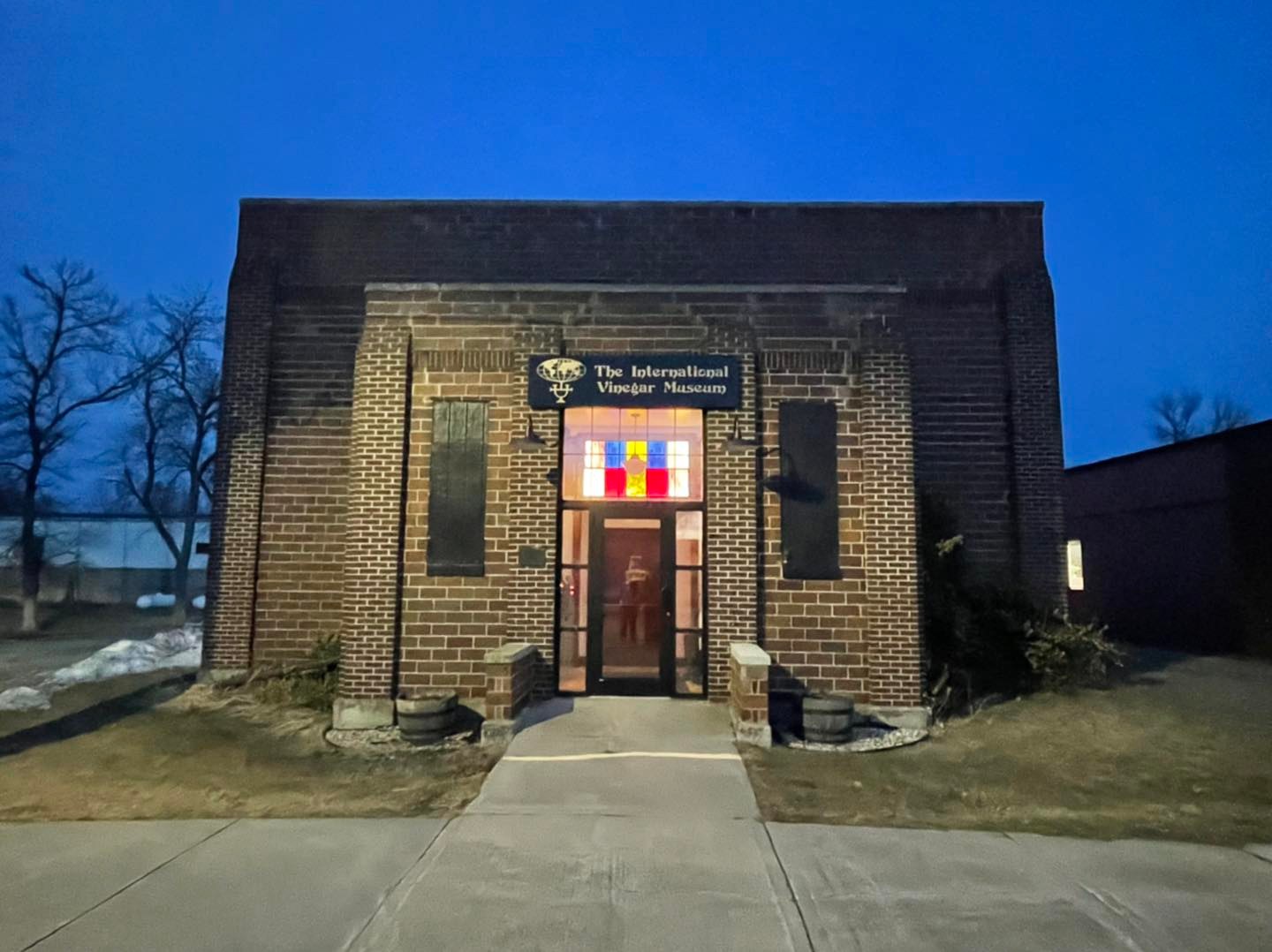
South Dakota – The World’s 1st and Only International Vinegar Museum
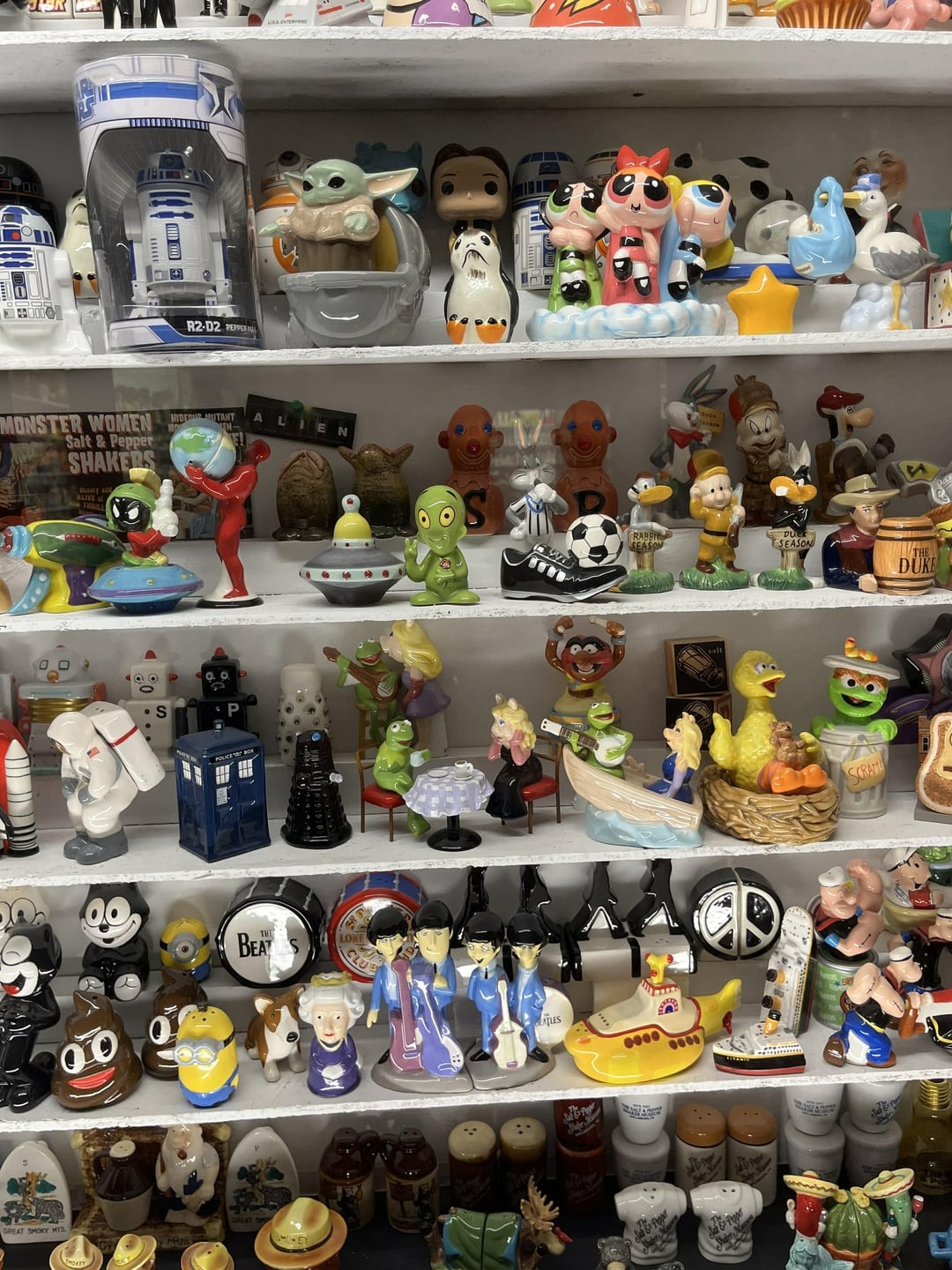
Tennessee – The Salt and Pepper Shaker Museum
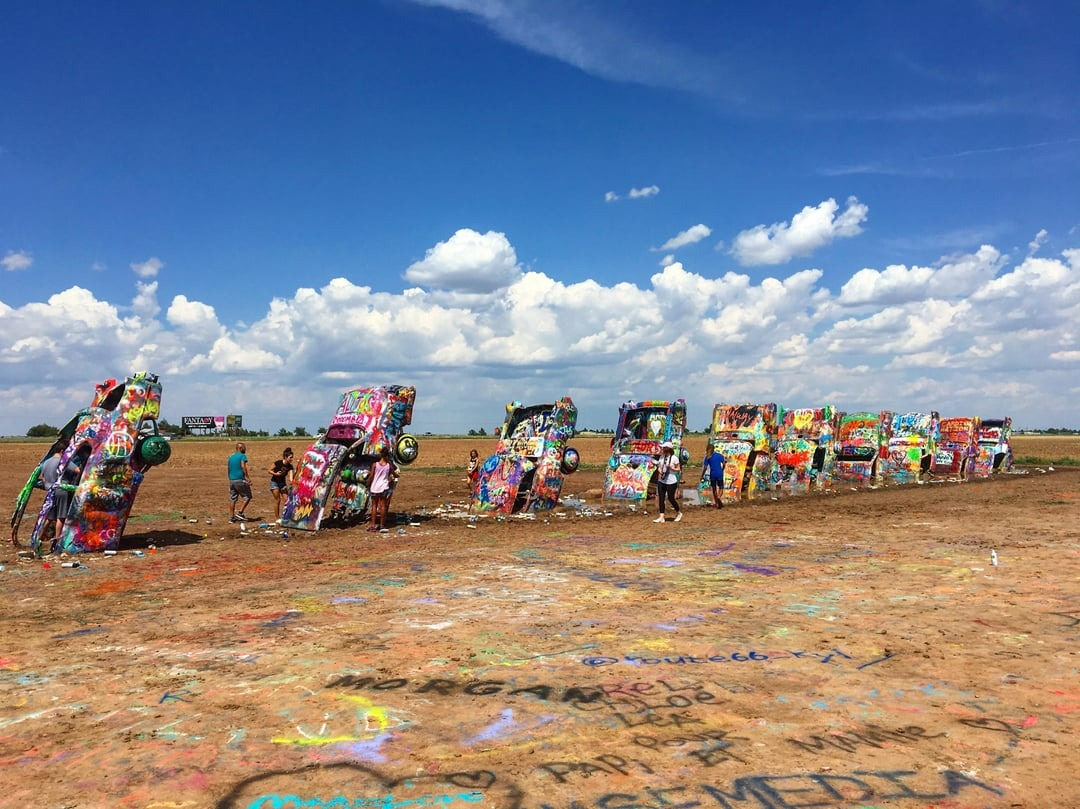
Texas – Cadillac Ranch
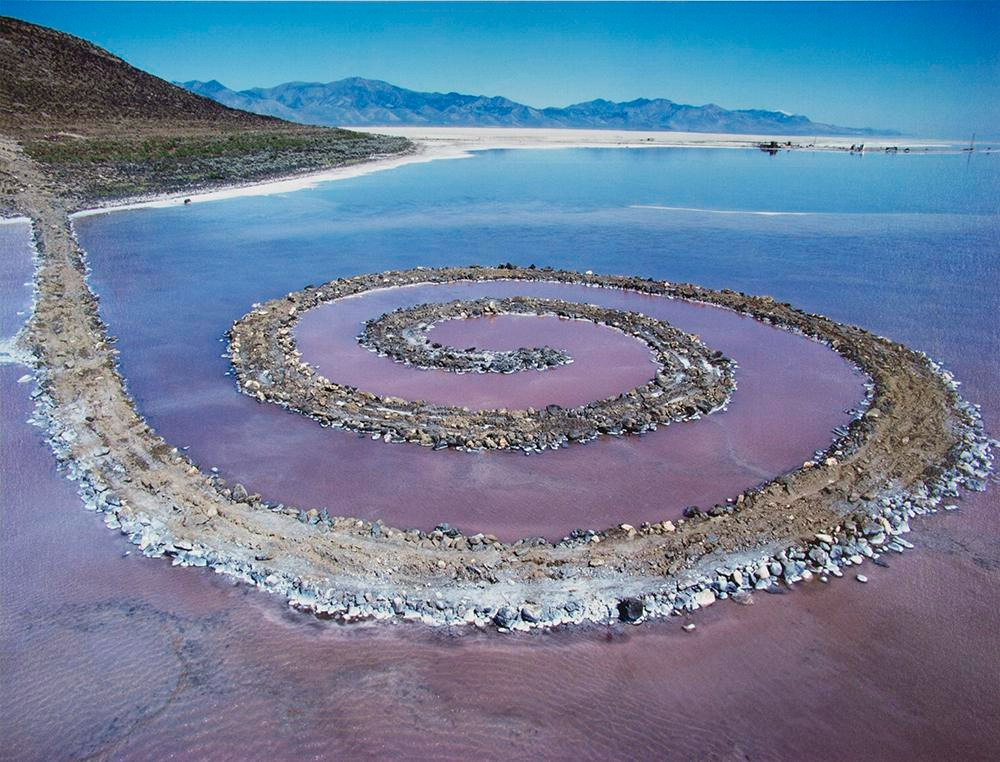
Utah – Spiral Jetty
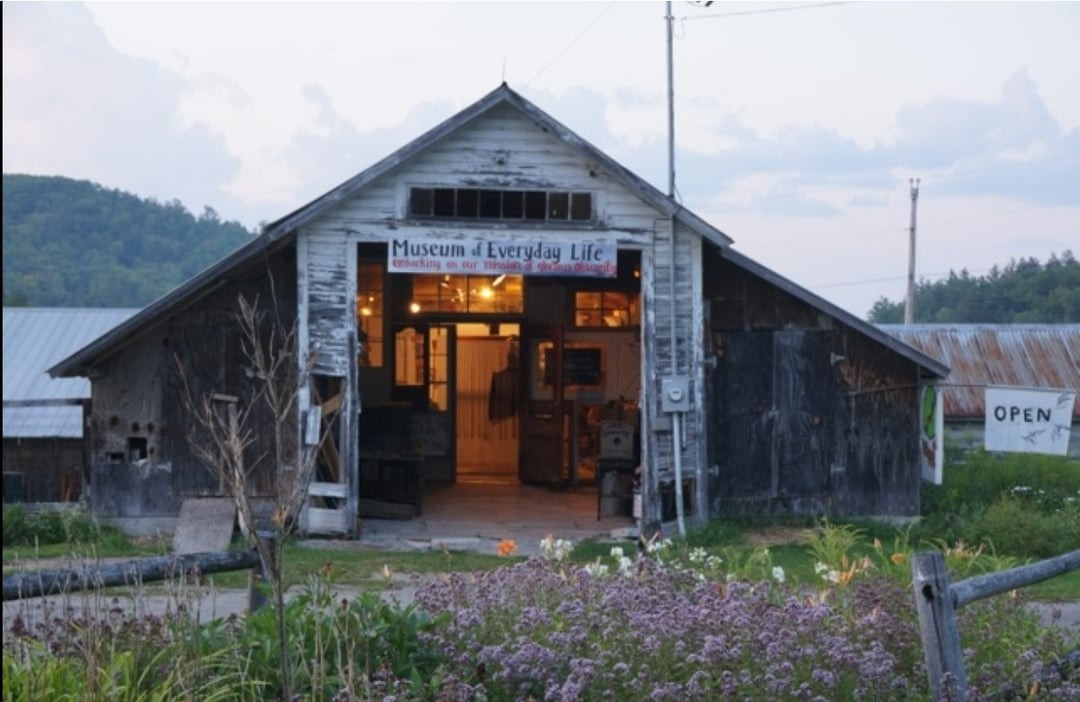
Vermont – The Museum of Everyday Life
Virginia – The Hollywood Cemetery
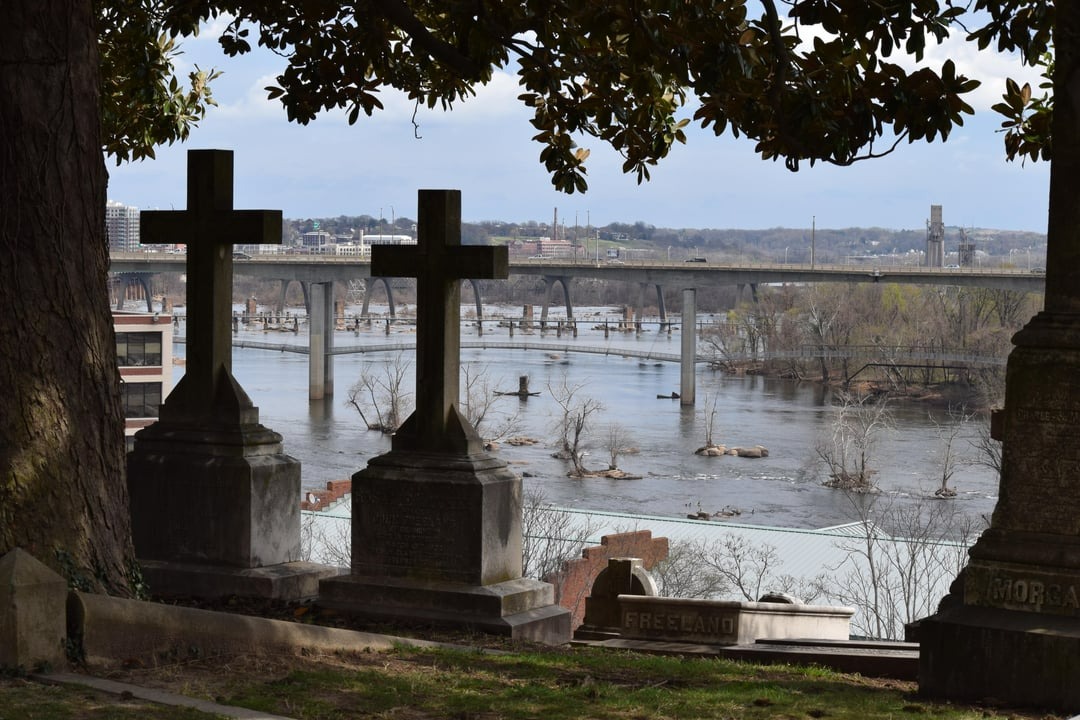
Located in Richmond, Virginia, Hollywood Cemetery may sound like a burial ground straight out of California, but it’s actually a historical site renowned for its notable occupants. Among those laid to rest there are U.S. Commanders-in-Chief James Monroe and John Tyler, as well as Jefferson Davis, the first and only president of the Confederacy. However, Hollywood Cemetery also holds a more peculiar legend—a vampire.
The tomb of William Wortham Pool, situated within the cemetery, has sparked rumors and local folklore suggesting that Pool may have been a member of the undead. While these tales may have originated from the imagination of college students under the influence of “chemical sensory enhancement and adrenaline,” as noted by Richmond Magazine, they haven’t deterred curious visitors from seeking out the tomb for years.
Washington – Light Reign
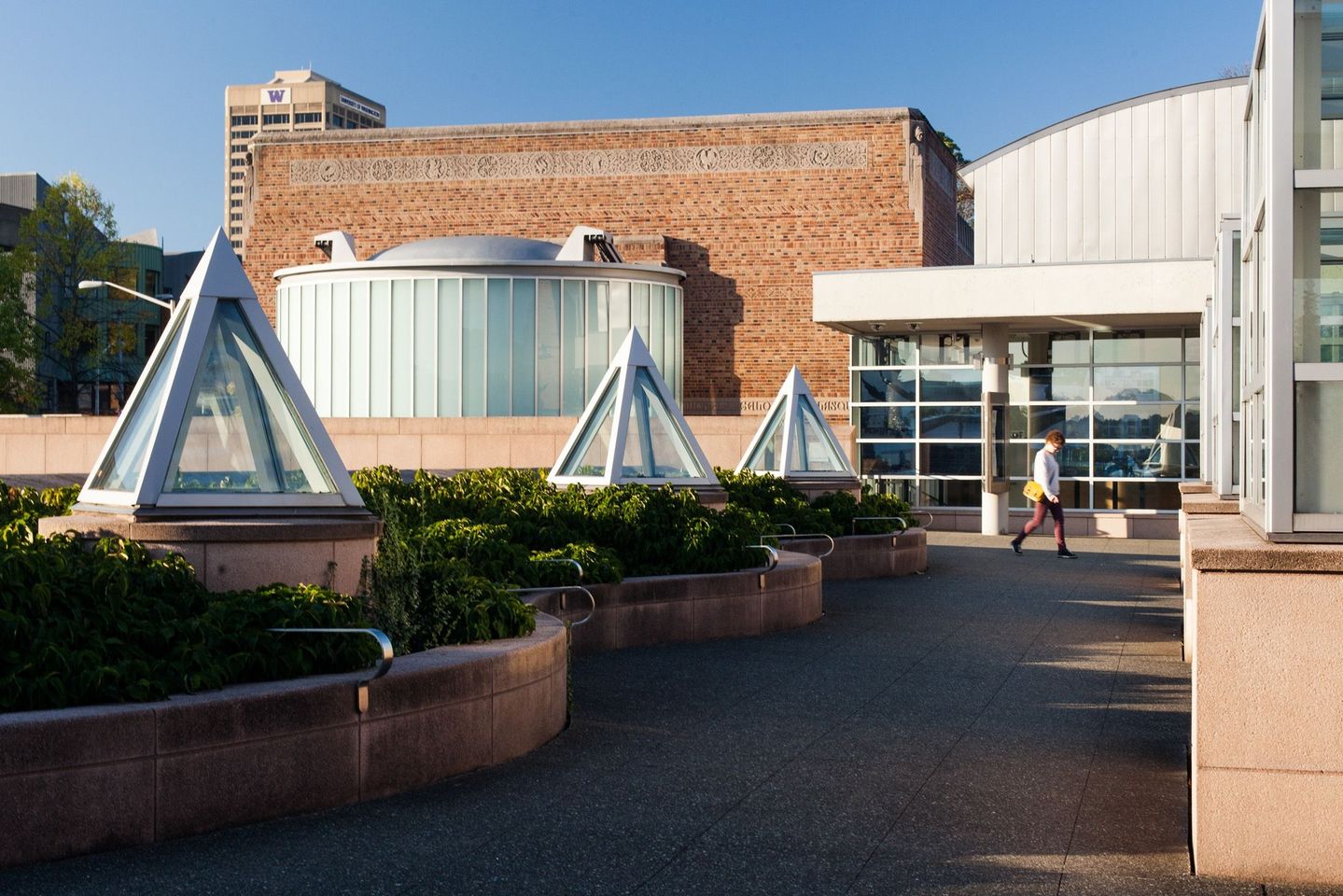
Renowned artist James Turrell is known for his innovative approach to light, perspective, and space, which often challenges viewers’ perceptions. Whether he’s crafting unique light installations on the ceiling of the Guggenheim Museum or continuing his work on the Roden Crater in Arizona’s Painted Desert, Turrell’s creations have a transformative effect.
One of his notable pieces, Light Reign, can be experienced at the Henry Art Gallery on the University of Washington campus. This installation captivates viewers with its exterior, which illuminates in a spectrum of colors akin to the world’s most captivating LED lamp. Once inside, visitors are invited to gaze upward through a roof cut open to reveal the uninterrupted sky, offering a profound and immersive experience.
West Virginia – Archive of the Afterlife
Wisconsin – National Bobblehead Hall of Fame and Museum
Wyoming – Yellowstone’s Thermal Pools
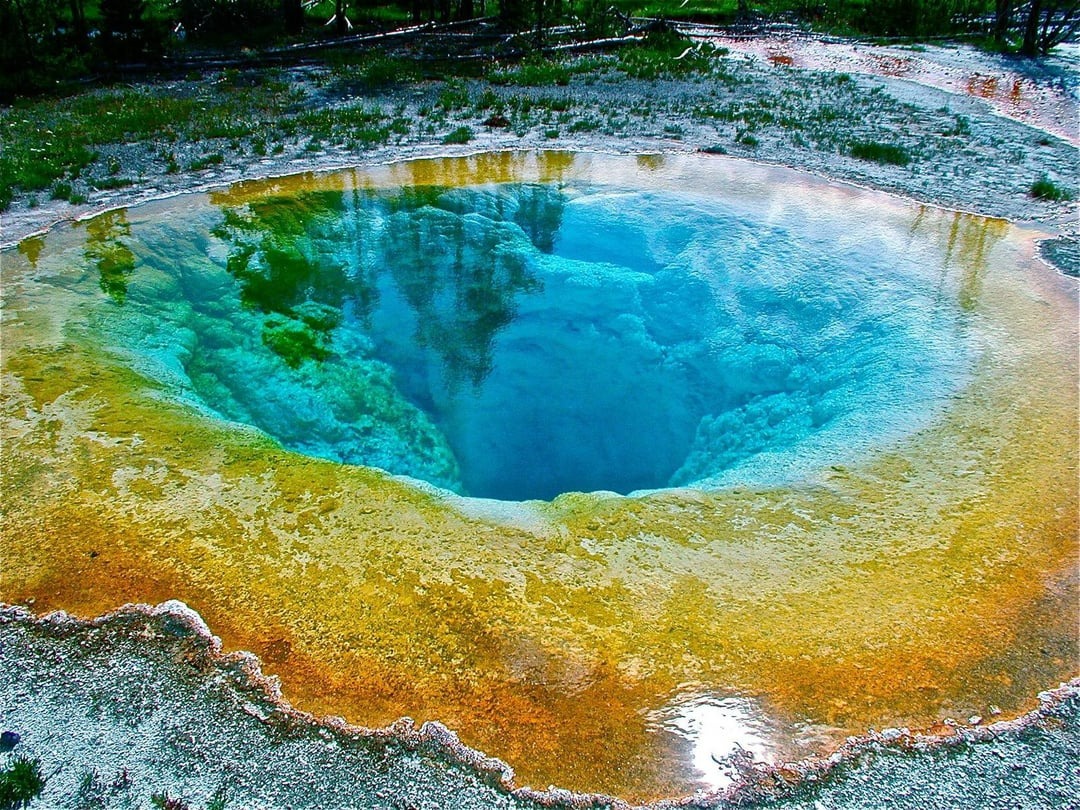
Yellowstone National Park in Wyoming may not be known for its quirkiness, but it boasts a unique attraction in its stunning thermal pools, which derive their vibrant colors in part from heat-loving bacteria dwelling within them. Interestingly, one type of bacteria found in these pools produces the enzyme Taq polymerase, which played a crucial role in a significant scientific breakthrough you may be familiar with.
PCR (polymerase chain reaction) tests, commonly used for detecting COVID-19 and developed in part by Nobel Prize winner Kary B. Mullis, rely on Taq polymerase. This enzyme facilitates DNA replication through a technique called thermal cycling, involving a series of heating and cooling cycles. Remarkably, the varying temperatures of the thermal waters in Yellowstone naturally mimic this temperature cycling process.
While Taq polymerase can now be produced in a laboratory setting, the discovery of its naturally occurring counterpart in bacteria from Yellowstone’s thermal pools was instrumental in the development of PCR testing technology. This underscores the fascinating interplay between nature and scientific innovation.
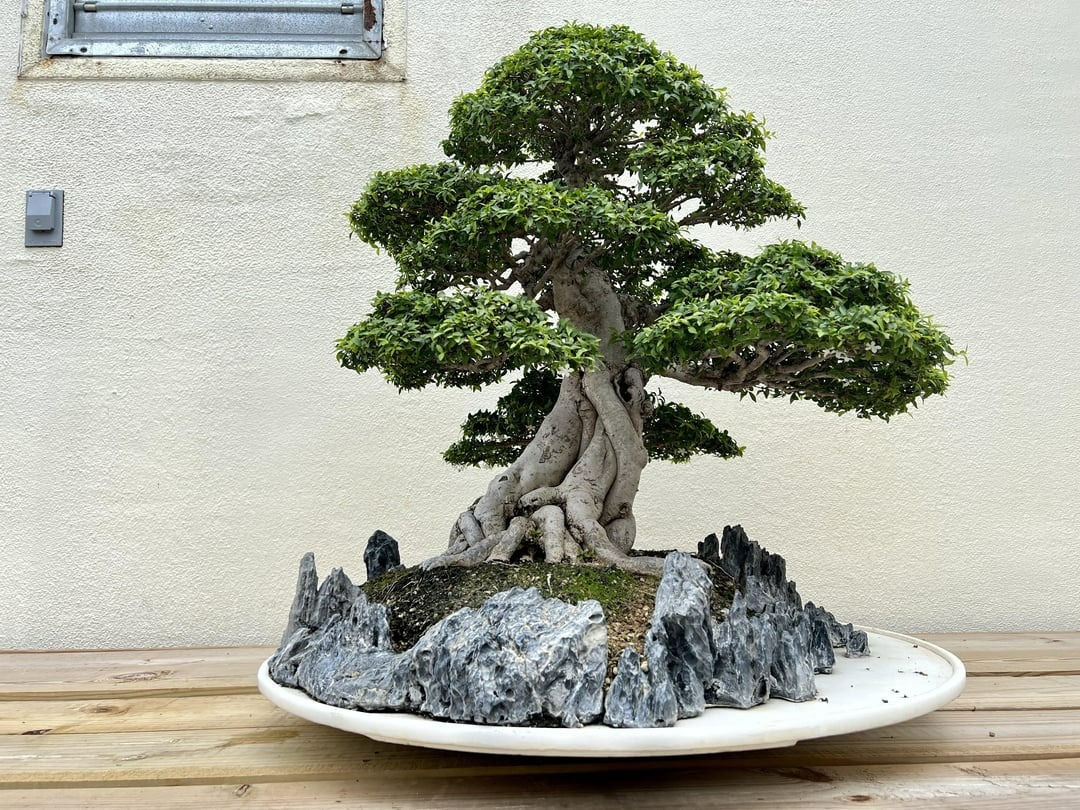
Washington, D.C. – National Bonsai and Penjing Museum
Washington D.C.’s National Bonsai and Penjing Museum offers visitors a serene and cost-free experience, showcasing a diverse array of exquisite trees in a peaceful setting. For those unfamiliar with the term “Penjing,” it represents the Chinese counterpart to bonsai, with a subtle yet distinct difference in approach.
According to bonsai practitioner Robert Steven, “penjing” focuses more on artistic subtleties in depicting natural phenomena, while “bonsai” emphasizes disciplined technical skill with the aim of evoking the physical perfection of an aged tree. This nuanced distinction highlights the rich cultural heritage and artistic traditions associated with these miniature tree art forms, inviting visitors to appreciate their beauty and craftsmanship.
Please SHARE this with your friends and family.


