


For many, the idea of summiting Mt. Everest is a bucket-list item of epic proportions. But if you train hard, save some money, and set your mind to accomplish this incredible feat, then you at least have a chance.
Getting to the top of the tallest mountain on the planet is going to come with some challenges, though, and some of them may surprise you. So before you set out on your adventure, be sure to get the entire picture.
Check out this list of 15 stories that describe what it’s like to climb Mount Everest and be sure to share it with a friend!
1. It’s a 2-month journey with lots of down time
Before you set out, be sure that you realize just how long it is going to take. Because you will be reaching such high elevations, you need ample time to acclimate your body. Oftentimes, you will hike up to one camp and then back down again in order to force your body to produce more hemoglobin which will help transfer more oxygen from the lungs to other cells via red blood cells.
One climber, Alan Arnette, said, “In many ways, it is Groundhog Day where each day feels the same. It starts with breakfast of eggs, toast, and jam, then many people take a few-hour hike to continue their acclimatization. Then it is time for lunch of Spam and vegetables. The afternoons are spent checking email, perhaps a shower and shave for the men, taking a nap, or visiting the neighbors. Late afternoon, teams often gather to watch a movie on a laptop or socialize before dinner of rice, noodles, sometimes meat. Most people go directly to bed after dinner but some teams will show a movie on a screen from a laptop in the dining tent.”

2. You’ll see the bodies of people who weren’t successful
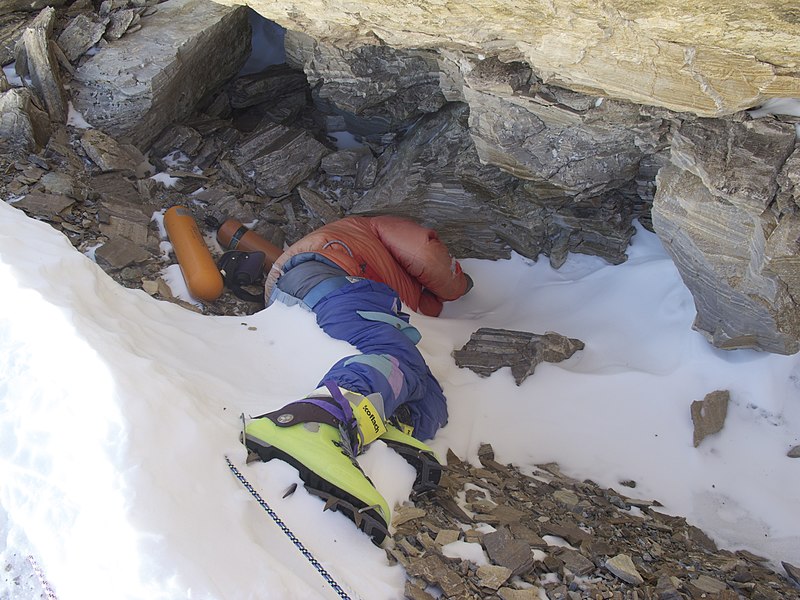
There’s no guarantee that you will make it to the summit. Due to the harsh conditions and a lack of oxygen, some climbers die on their way up. And because resources are so slim and time so precious, those bodies remain on the mountain rather than being carried back down. It is estimated that there are more than 200 bodies still up on Everest.
Climber John Beede said this, “It’s gruesome of course, to climb past bodies. But it’s something I mentally prepared for. If nothing else, they are frozen sentinels, reminding others what is at stake. It takes six to 12 Sherpa hours to move a body just a few hundred meters. People could die moving a dead body off the hill, and the reward-to-risk ratio doesn’t make sense…”
3. Breathing itself is a challenge
Summiting Everest is only for the most experienced mountaineers. Because of the high elevation and freezing temperatures, David Breashears says that hiking up Everest is “like running on a treadmill and breathing through a straw, even with bottled oxygen.”
He goes on to say, “Everything tells you to turn around. Everything says: This is cold, this is impossible.”

4. You’ll have to face the Death Zone
No matter how much time you spend acclimating to the evaluation that you will be facing, there still comes a height where human life cannot be supported. This comes at about 8,000 meters (or 26,300 feet) and is known as the Death Zone. You need to spend as little time as possible here.
Climber Shaunna Burke said, “Your body is breaking down and essentially dying. It becomes a race against the clock.”

5. Your brain and lungs will swell
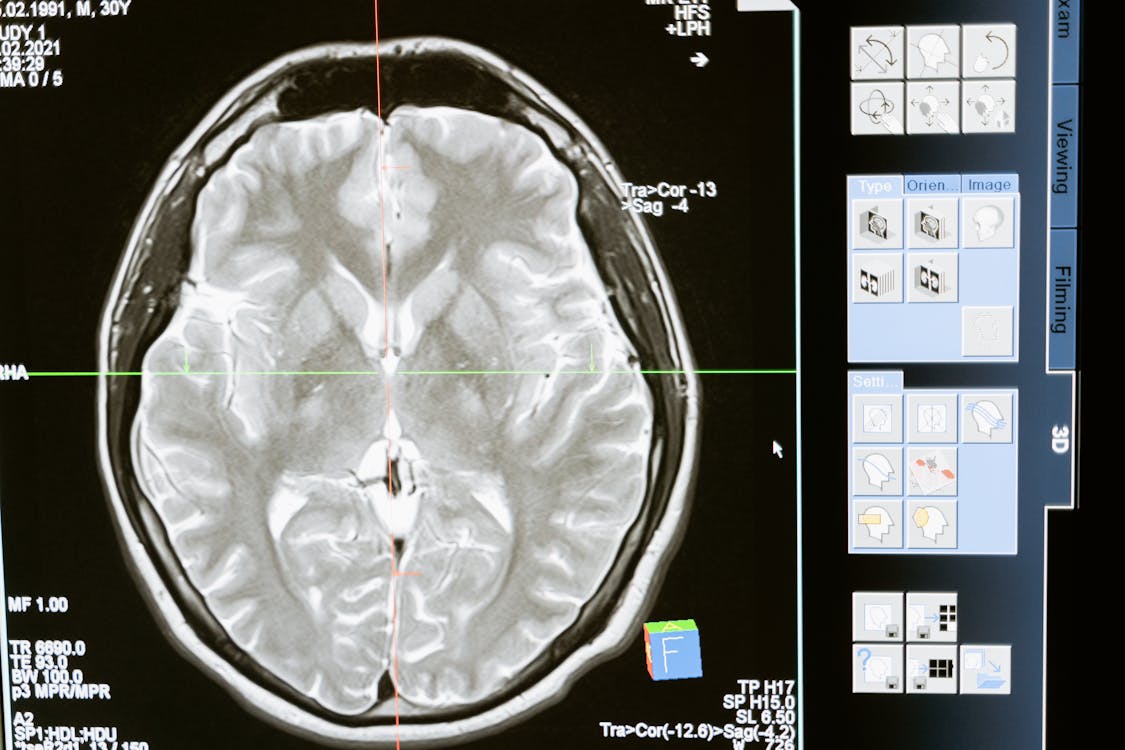
Strange things start to happen to your body when you reach these extreme heights. Human life was simply not meant to exist at that altitude. Your brain and lungs will begin to swell as your body starts to deal with edema. Climbers are at risk of developing HAPE or HACE which stands for high altitude pulmonary edema and high altitude cerebral edema, respectively. The symptoms can range from confusion and fatigue to death.
John Beede said, “Every climber undergoes some degree of pulmonary edema, so the medics told me. In some, the symptoms are unrecognizable and in others, like me, they are audible… you can hear noises in your lungs.”
6. You may face avalanches and falling ice
Medical dangers aren’t the only thing that you will face when climbing up Everest. There are plenty of other hazards as well.
Avalanches are a constant threat, and falling ice can easily take you out. In one section of the climb, you will have to pass over the Khumbu Icefall glacier. John Beede described this as “a frozen waterfall of ice that is 3,000 feet tall… Massive crevasses, 100-ton blocks of ice can fall on you at any moment, delicate snow bridges can collapse on any step, and avalanche danger is always present.”
7. You will feel oxygen deprived for much of the journey
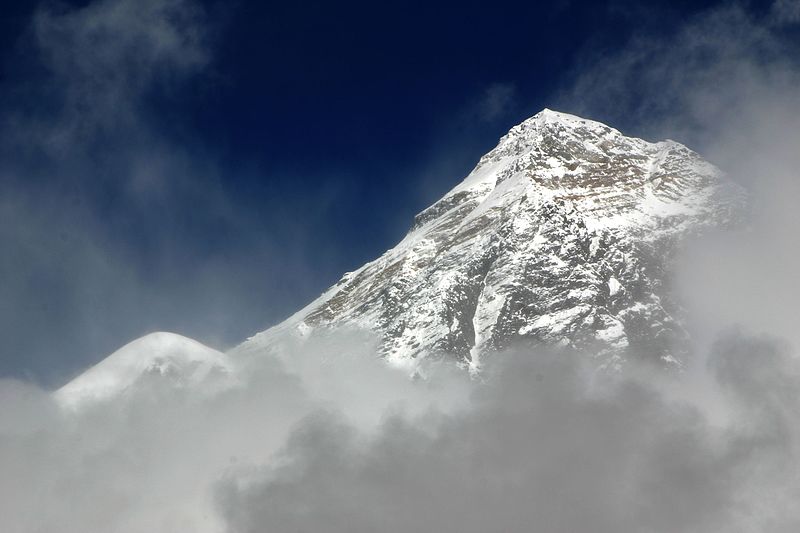
It doesn’t take long to start to feel the effects of oxygen deprivation. At around 17,000 feet there is about 50% less oxygen in the air. With Everest reaching just above 29,000 feet, you will be feeling these effects for most of the trip. That is why acclimating your body is so important.
John Beede explains “From 10,000 feet, up to about 24,000 feet, the body will still adapt and attempt to acclimatize. If you go slowly enough (over days), you will be fine. However, in the death zone, it’s too much for your body to acclimatize to, and eventually, even with oxygen, you will die.”

8. It’s hard to get a good night’s rest, despite the exhaustion
There will be some long and grueling days up on the mountain, you will be so tired that all you want to do is sleep, However, because of the lack of oxygen, you may experience insomnia.
Beede talks about something called Chain Strokes Breathing, “where you will actually stop breathing right at the moment you fall asleep, then wake up gasping. It’s a normal part of the acclimatization process but makes for incredibly restless sleep. I’d often lay in my tent in the dark staring into nothing, completely exhausted, unable to sleep.”

9. You may experience snow blindness
When the sun shines down on the mountain, the glare off the ice can be so bright that it blinds climbers.
One climber, Brian Dickinson, experienced this blindness firsthand after dropping his goggles, which cracked. This allowed ice to work its way inside the goggles and forced him to become snow-blind while he hiked back down from the summit.
He recalls that “A descent that should have taken three hours, took seven. I was totally snow blind, so I was hand over hand in the descent. It took a month and a half for my left eye to come back and two days for my right.”

10. You may have to deal with theft
Because of the harsh conditions and lack of oxygen, bottles of oxygen are stashed in certain areas on the way up to the summit. Sometimes, people will steal the bottles that aren’t theirs in order to use them or even take them back down the mountain to sell. Sometimes, the theft is simply due to inexperience.
Brian Blessed said this: “60% of the people out there hadn’t a clue what they were doing… They were turning up with one tent and no [bottled] oxygen, hoping other people would help them out.”

11. Watch out for yellow snow
Climbing up Everest has become very popular in recent decades as more and more people flock to climb the highest summit in the world. The camps have become so crowded that people relieving themselves on the mountain has become a huge problem.
Climber, Adrian Ballinger said this: “If you walk from one tent to another in Camp II or IV, you will step in sh*t. If you melt snow from the camp areas, you are drinking sh*t.”
Another climber, Lakpa Rita added, “People just dig holes at Camps I and II, and it melts out and smells terrible. When it melts out, it gets into the water, and people are getting sick at every camp.”

12. You’ll want to prepare for frostbite
When people say that it is cold on the summit, they mean it. In the winter, Mount Everest can have a wind chill of minus 148. There is a small window of time in May when the temperatures get a little warmer but are still below zero. These freezing temperatures create a high-risk environment for developing frostbite.
Climber Shaunna Burke said, “Any exposed skin freezes instantly.”

13. For all the trouble, it’s actually a very expensive adventure
In order to get up Everest, you will need to hire a guide. The cost to reach the summit will set you back about $45,000 on average. Some services can cost over a hundred thousand dollars on the high end.
When choosing which service you will use and have to pay for, consider what Beede says: “You get what you pay for when it comes to safety, food, and knowledge. If you get in trouble, they won’t come rescue you.”

14. There’s a disturbing amount of trash on the way up
Just like the problem that climbers are facing with the mass amounts of human excrement, they are also facing issues with the amount of trash that is left behind on the mountain either intentionally or not. Mountaineer Troy Aupperle explains, “You barely have enough energy to get yourself off the mountain, so anything you don’t have to carry or can get rid of, you just off-load so you can get down.”
Efforts are being made to clean up the mountain, however. Nepal has started charging a $5,000 deposit that will be returned to the climber if they leave with everything that they came with.

15. You’ll come down quite a but lighter
Your body will be heavily taxed during your journey up the mountain. You can expect to lose at least 25 pounds and may find it hard to eat enough calories to keep your body functioning properly since it will need so much energy.
Beede explains, “It’s mental endurance. You’re there for seven weeks. Every day you wonder if it’ll be your last, and you regularly watch others quitting. You feel like garbage all the time. You rarely want to eat, and you lose 25 to 45 pounds over the journey because your body is consuming itself.”

Please SHARE this with your friends and family.


