


What you’re about to read are rare and unusual medical conditions that show just how strange and surprising the human body can be. These disorders reveal a fascinating side of health you’ve likely never heard of.
Walking Corpse Syndrome

Imagine feeling like a ghost, doubting your own existence. Those with Cotard’s Syndrome experience this unsettling disbelief, convinced they have died or that their organs are missing. It’s a frightening break from reality, often paired with intense depression and anxiety. Although rare, this condition highlights the intricate mysteries of the human brain.
Exploding Head Syndrome
Your head won’t actually explode, but this syndrome can make it feel that way. People with Exploding Head Syndrome experience sudden, loud noises coming from within their own mind, usually as they’re falling asleep or waking up. Though painless and brief, these episodes can be startling, disrupting sleep and showing how strangely the brain can misfire.

Source:
david garrison via pexels
Stone Man Syndrome
In a world of constant change, some people face an unexpected transformation. Fibrodysplasia Ossificans Progressiva (FOP) causes muscle and connective tissue to slowly turn into bone, encasing the body in a “second skeleton.” Movement becomes limited, and even minor injuries carry serious risks. This rare condition highlights the incredible resilience required of those who live with it every day.

Source:
RF._.studio via pexels
Fish Odor Syndrome
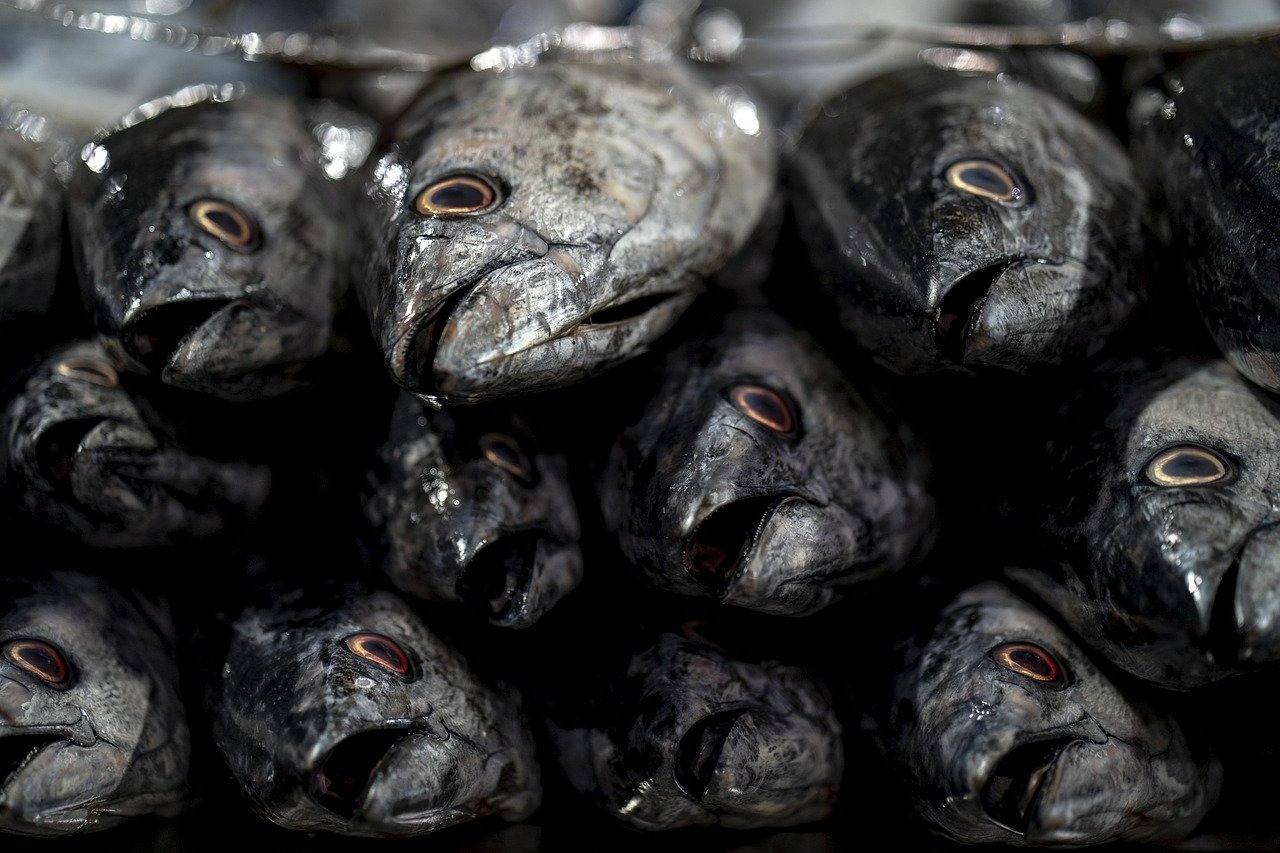
Trimethylaminuria, or Fish Odor Syndrome, causes a strong, fishy smell due to the body’s inability to break down trimethylamine. This rare genetic condition can impact social interactions and self-esteem, leading those affected to seek coping strategies. It’s a reminder that our bodies can send signals we can’t control.
Source:
akbarnemati via pixabay
Blue Skin Disorder
Blue-skinned individuals aren’t just fantasy; for those with Methemoglobinemia, it’s a reality. This condition lowers the oxygen-carrying capacity of red blood cells, giving skin a blue tint. Often genetic, it can also be triggered by certain medications and chemicals, affecting both health and social interactions in ways beyond appearance.

Source:
kevyn jacobs via wiki
Alice in Wonderland Syndrome
This rare condition makes the world appear distorted. For those with Alice in Wonderland Syndrome, objects may seem larger or smaller than they are, and distances can feel skewed. Named after Lewis Carroll’s tale, it can be disorienting, turning simple tasks into challenges due to altered perception of size and space.

Source:
temperatesage via pixabay
Alien Hand Syndrome
Alien Hand Syndrome feels like a ghost in the body—causing one hand to act independently, beyond the person’s control. It’s as if the hand has a mind of its own, sometimes even defying the person’s intentions. Rare but unsettling, this condition leaves individuals watching their own hand move as if driven by an outside force.

Source:
via pixabay
Werewolf Syndrome
Hypertrichosis, or Werewolf Syndrome, causes excessive hair growth across the body—not just the face but arms, legs, and more. This rare genetic disorder can dramatically alter one’s appearance. While werewolf legends are glamorized, for those with this condition, it often brings social challenges and a unique set of hurdles.

Source:
unknown via wiki
Human Werewolf Syndrome
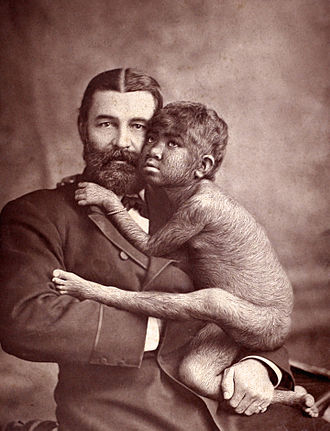
Frequently mistaken for “Werewolf Syndrome,” Hypertrichosis Universalis leads to abnormal hair growth all over the body, resembling the mythical creature. While it may sound like a fantasy, those affected face practical challenges, such as managing excessive hair and navigating a world intrigued by their distinctive appearance.
Source:
W & D Downey via wiki
Congenital Insensitivity to Pain
A life without pain may seem like a blessing, but for those with Congenital Insensitivity to Pain (CIP), it can be perilous. This rare condition prevents individuals from feeling pain, which can lead to unnoticed injuries or health issues until severe damage occurs. Living without the usual warnings that pain provides necessitates constant vigilance and care.

Source:
Uncredited WPA photographer via wiki
Hypertrichosis
Known as “werewolf syndrome,” hypertrichosis leads to unusual, dense hair growth in unexpected areas. This condition can be caused by a genetic anomaly or certain medications, reminiscent of a time when body hair was essential for survival. Today, those affected navigate unique grooming routines, often attracting curiosity and raising eyebrows wherever they go.

Source:
iwl via wiki
Foreign Accent Syndrome
Imagine waking up speaking with an accent you’ve never learned. After certain brain injuries or strokes, some individuals experience this phenomenon, leading to unrecognizable speech. It’s an auditory illusion that leaves both speakers and listeners puzzled. While it doesn’t affect language skills, it profoundly challenges identity and communication.

Source:
fauxels via pexels
Water Allergy
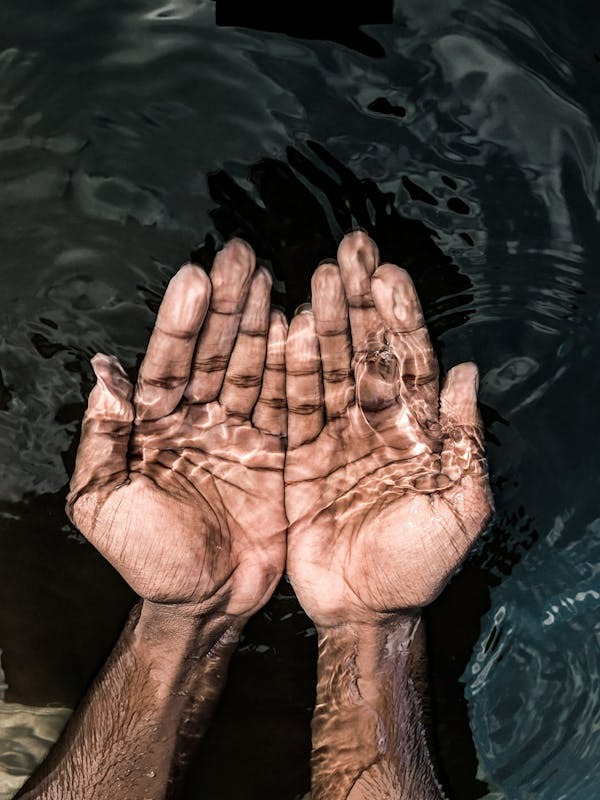
For many, water represents life, but for some, it brings pain. Aquagenic urticaria causes itchy hives and rashes upon contact with water, turning everyday activities into daunting challenges. From bathing to sweating, simple tasks become fraught with difficulty. This mysterious condition serves as a reminder of how essential needs can sometimes become adversaries in the complex workings of the body.
Source:
jacob kelvin.j via pexels
Vampire Disease
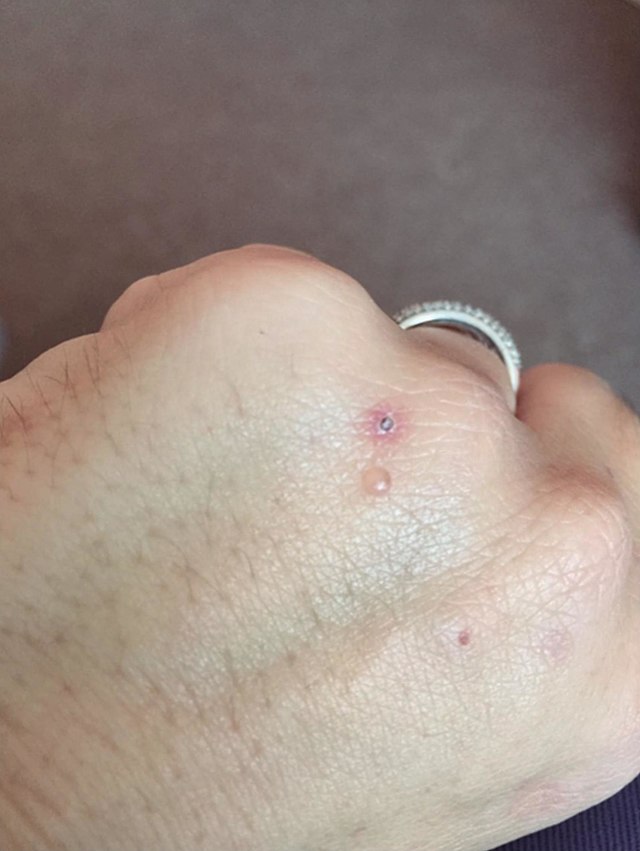
Porphyria, often called “vampire disease,” causes severe photosensitivity, making sunlight exposure painful and leading to blisters and deep scarring. Historical rumors have even connected those affected to vampire legends. Though treatments are available, they highlight how sunlight—an everyday pleasure for many—can transform into a significant challenge for those living with this condition.
Source:
Nicolás Hermosilla B.; Gonzalo de Toro; Montserrat Molgó via wiki
Tree Man Syndrome
Epidermodysplasia verruciformis, commonly referred to as tree man syndrome, causes bark-like growths due to a heightened sensitivity to HPV. This results in wart-like lesions on the skin, creating a striking blend of human and natural resilience. The condition presents a poignant image of transformation, contrasting the softness of human flesh with nature’s rugged elegance.

Source:
Monirul Alam via wiki
Laughing Death
Imagine laughing your way to an untimely end. This rare condition, known as Kuru, primarily affected the Fore people of New Guinea. Linked to the consumption of human brain tissue during cannibalistic rituals, this terrifying disease causes neurological deterioration, leading to uncontrollable laughter and ultimately resulting in death.

Source:
pixabay via pexels
Persistent Genital Arousal Disorder
Living in a state of constant arousal may seem manageable, but for those with Persistent Genital Arousal Disorder (PGAD), it’s a daily struggle. This perplexing condition causes continuous, unwanted physical arousal that is unrelated to sexual desire or stimulation, forcing sufferers to contend with their own bodies. The pressure can significantly impact mental health and daily life.

Source:
rodolfo clix via pexels
Walking Disaster Syndrome
Formally known as Dyspraxia, this condition creates a disconnect between the brain’s commands and the body’s ability to carry them out. Those affected often appear clumsy or awkward due to difficulties with coordination and motor skills. Beyond physical challenges, it can also affect organizational abilities and memory, making even simple tasks feel overwhelming at times.

Source:
Sun-Ra via wiki
Stiff Person Syndrome
Stiff Person Syndrome (SPS) transforms muscle control into a struggle against rigidity. This autoimmune and neurological disorder causes severe muscle stiffness and painful spasms, limiting mobility and often leading to significant anxiety due to its unpredictable onset. Rare and frequently misdiagnosed, this condition presents unique challenges for those who live with it.

Source:
kindel media via pexels
Pica Syndrome
Have you ever had the urge to eat something unusual? Pica Syndrome might be the reason. This condition drives individuals to consume non-food items such as dirt, paper, or even metal. Often associated with nutritional deficiencies or developmental issues, it can be a potentially dangerous behavior that confuses both those affected and the medical professionals trying to help.

Source:
vladimir srajber via pexels
Jumping Frenchmen Disorder
Explore the intriguing phenomenon of Jumping Frenchmen Disorder, a unique condition characterized by exaggerated startle responses. Originating in the lumberjack communities of Maine, this neurological disorder causes intense involuntary reactions, such as jumping or yelling, often in response to minor stimuli. It offers a fascinating look at the unpredictable behavior of the nervous system.

Source:
seek liam via wiki
Moebius Syndrome
Discover the rare and fascinating Moebius Syndrome, a neurological condition that affects facial expression and eye movement. Present at birth, this syndrome leads to paralysis of the facial muscles, making it impossible to smile, frown, or blink. Despite these challenges, individuals with Moebius Syndrome lead fulfilling lives, demonstrating the remarkable resilience of the human spirit in overcoming unique obstacles.

Source:
david garrison via pexels
Kleine-Levin Syndrome
Explore the enigmatic realm of Kleine-Levin Syndrome, a rare sleep disorder often called ‘Sleeping Beauty’ syndrome. Individuals affected by this condition endure prolonged sleep episodes lasting days or even weeks, accompanied by confusion, altered perception, and sometimes excessive eating (hyperphagia). This mysterious syndrome underscores the complexities of the brain’s sleep regulation processes and the many unknowns still present in sleep science.

Source:
andrea piacquadio via pexels
Progeria
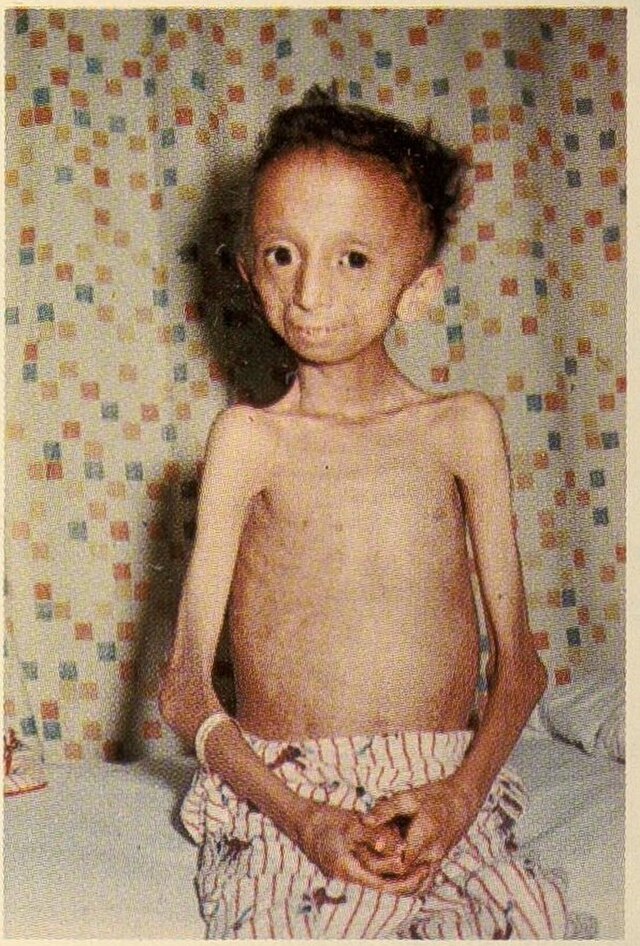
Enter the world of Progeria, a genetic disorder that causes dramatic and rapid aging in children. Affecting around 1 in 20 million individuals globally, this condition results in symptoms usually associated with aging, such as hair loss, heart disease, and joint problems, all manifesting at a young age. Progeria highlights the complex relationship between genetics and aging, inspiring both medical research and increased awareness.
Source:
Sydney S. Gellis and Murray Feingold via wiki
Morgellons Disease
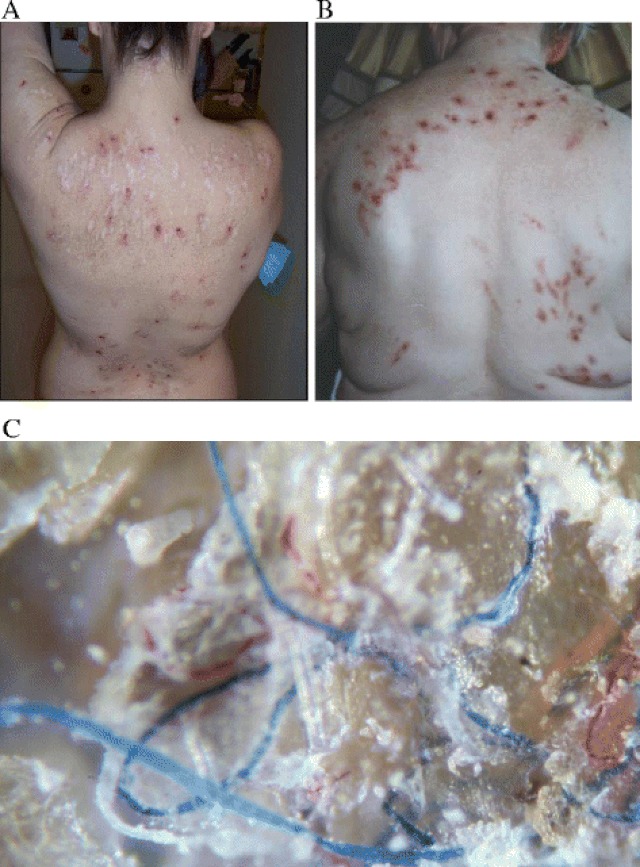
Explore the mystery of Morgellons Disease, a condition characterized by sensations of crawling and stinging on the skin, accompanied by the emergence of thread-like fibers from sores. The controversial nature of Morgellons, with ongoing debates about its origins and causes, highlights the complexities of dermatological and neurological interactions. This enigmatic condition challenges the medical community, raising important questions about perception and pathology.
Source:
Marianne J Middelveen, Cheryl Bandoski, Jennie Burke, Eva Sapi, Katherine R Filush, Yean Wang, Agustin Franco, Peter J Mayne and Raphael B Stricker via wiki
Hydrophobia
While most of us can’t fathom life without water, individuals with hydrophobia experience an intense fear of it. Often associated with late-stage rabies, this phobia can trigger panic even at the sight or sound of water. The act of attempting to drink may lead to muscle spasms or breathing difficulties, profoundly impacting a person’s daily activities and routines in unimaginable ways.

Source:
steve johnson via pexels
Fruit Hoarding Syndrome
Imagine feeling an overwhelming urge to hoard fruit. Those with Fruit Hoarding Syndrome experience an irresistible compulsion to stockpile every type of fruit they encounter. This condition can lead to unusual hoarding behaviors similar to OCD symptoms, significantly impacting relationships and lifestyle choices due to the constant preoccupation with collecting fruit.

Source:
magda ehlers via pexels
Reverse-Knee Syndrome
The fascinating Reverse-Knee Syndrome turns the norm on its head, as individuals affected by this rare congenital condition have knees that bend backward. This anatomical anomaly piques medical curiosity and often requires tailored management strategies, including custom braces or surgeries, to improve mobility and address the challenges associated with this unusual physical alignment.

Source:
unknown via wiki
Aquagenic Urticaria
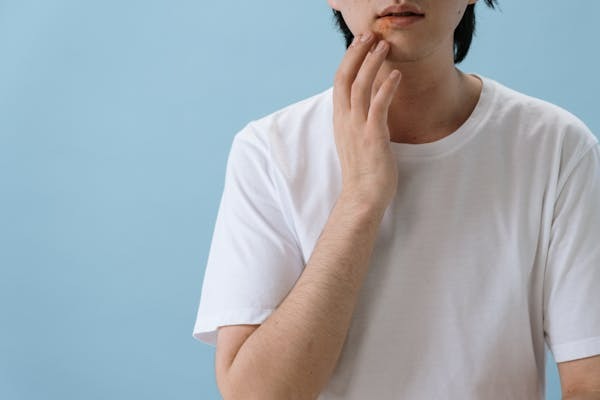
Aquagenic Urticaria, often called a water allergy, is an extremely rare condition where contact with water triggers itchy hives on the skin. Whether taking a shower or getting caught in the rain, exposure to water can lead to redness, burning, and welts, turning everyday activities into a nightmare. This condition can disrupt daily living and force individuals to find innovative ways to manage basic hygiene.
Source:
cottonbro studio via pexels
Cotard’s Delusion
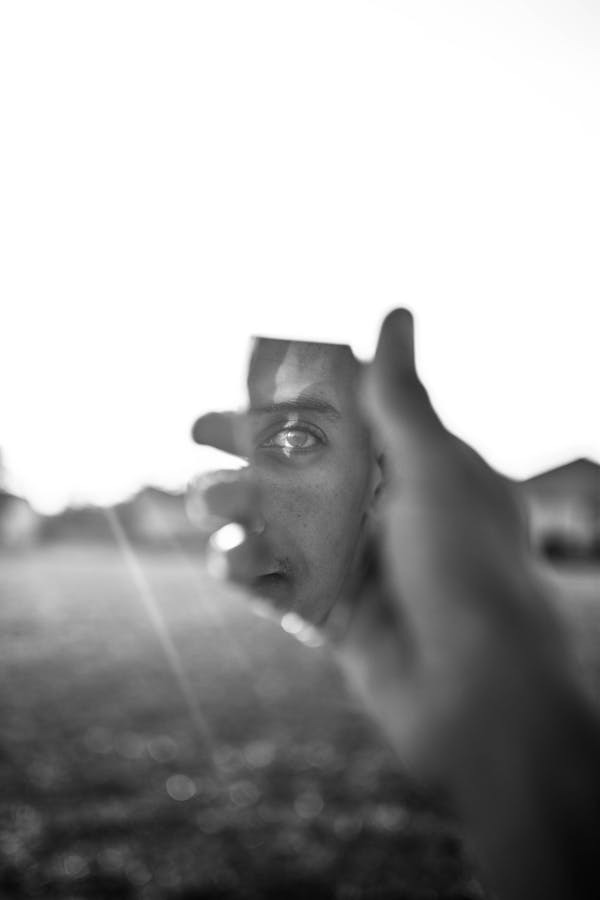
Cotard’s Delusion, commonly known as Walking Corpse Syndrome, is a rare psychological disorder in which individuals believe they are dead or do not exist. This enigmatic condition can lead to unusual behaviors and distorted perceptions of reality, causing significant distress. Patients may become disconnected from life’s basic routines and necessities, making it a deeply unsettling experience.
Source:
Amine M'siouri via pexels
Pusher Syndrome
Pusher Syndrome is an intriguing condition that typically affects stroke survivors. It causes individuals to adopt a tilted body posture, leading them to believe they are upright and stable when they are not. This misperception results in pushing away from their stronger side. Therapists must engage creatively with these individuals, employing tailored strategies to help recalibrate their sense of balance.

Source:
eren li via pexels
Capgras Delusion
Imagine questioning the authenticity of your family and friends. Capgras Delusion induces just that, making individuals believe their loved ones have been replaced by impostors. This rare psychiatric disorder can be both disorienting and distressing, posing challenges not only for those experiencing it but also for their families. Researchers are investigating its origins, exploring connections to memory and emotional processing in the brain.

Source:
gustavo fring via pexels
Syndrome X
Syndrome X is a fascinating genetic mystery where children seem to stop aging beyond infancy. Although they grow older, their physical appearance and cognitive abilities remain unchanged. With only a few documented cases, this condition puzzles scientists, who are working to uncover its secrets. While the causes are still not fully understood, Syndrome X continues to capture the interest of the medical community.

Source:
vika glitter via pexels
Trimethylaminuria
Trimethylaminuria, commonly known as ‘Fish Odor Syndrome,’ is a metabolic disorder that prevents the body from breaking down trimethylamine, resulting in a strong fishy odor. This condition can lead to social isolation, impacting daily interactions and self-esteem. To help manage symptoms, researchers and medical professionals provide dietary advice and supplements, striving to enhance the quality of life for those affected.

Source:
balon greyjoy via wiki
Pfeiffer Syndrome
Pfeiffer Syndrome is a rare genetic disorder characterized by the premature fusion of certain skull bones, which affects the development of the skull, hands, and feet. This fusion results in distinctive facial features and can lead to potential neurological issues. Individuals with Pfeiffer Syndrome often face various physical challenges and may require surgeries and therapies to improve both functionality and appearance.

Source:
unknown via wiki
Alien Limb Syndrome
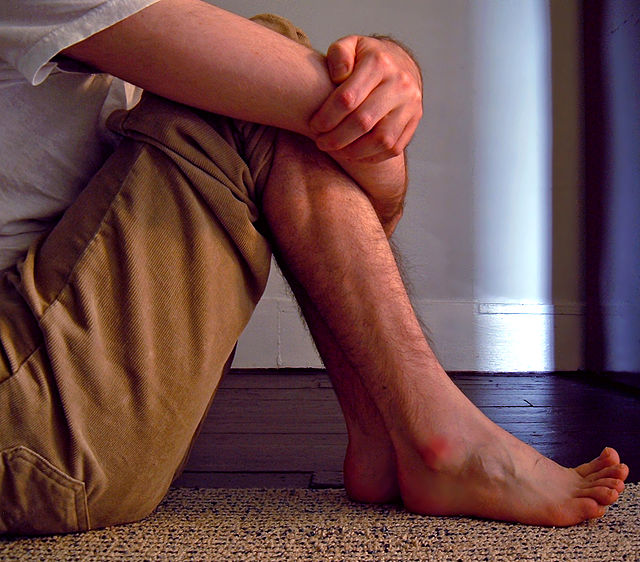
Alien Limb Phenomenon is a rare condition where individuals experience their limbs moving without conscious control, leading to actions that feel unintentional or foreign. This phenomenon can make everyday tasks challenging and unpredictable, as the affected limbs seem to act independently, creating a disconcerting experience for those who live with it.
Source:
Nicholas A. Tonelli via wiki
Proteus Syndrome
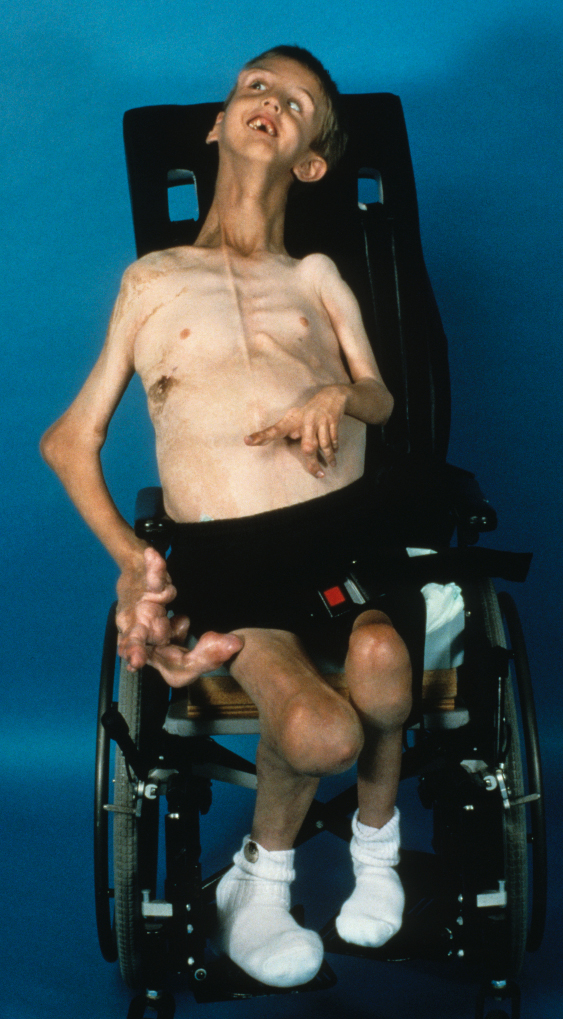
Proteus Syndrome is marked by abnormal overgrowth of bones, skin, and tissues, leading to disproportionate physical development in affected individuals. This rare condition can result in significant and unique changes over time, creating distinct appearances and challenges for those living with it. Each day can bring a new experience as their bodies transform, emphasizing the complexity and variability of this condition.
Source:
Leslie G Biesecker via wiki
Turner Syndrome
Turner Syndrome is a chromosomal disorder that affects women, resulting from the partial or complete absence of one X chromosome. This condition is characterized by distinctive features such as short stature and may also lead to developmental and reproductive challenges. However, with early intervention and tailored support, many individuals with Turner Syndrome lead vibrant and fulfilling lives.

Source:
chup chup hinh via pexels
Antley-Bixler Syndrome
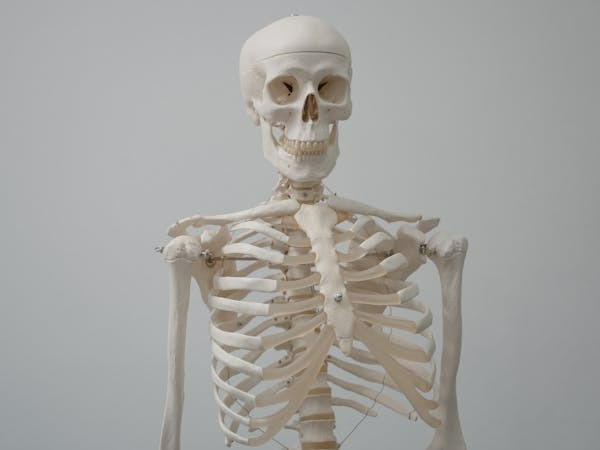
Antley-Bixler Syndrome is a rare genetic disorder that affects bone development and various body systems. Individuals with this condition may present with craniofacial abnormalities and skeletal changes, leading to challenges in many aspects of daily life and overall health. Early diagnosis and supportive care are crucial in managing the symptoms and complications associated with this syndrome.
Source:
Tima Miroshnichenko via pexels
Blaschko Lines
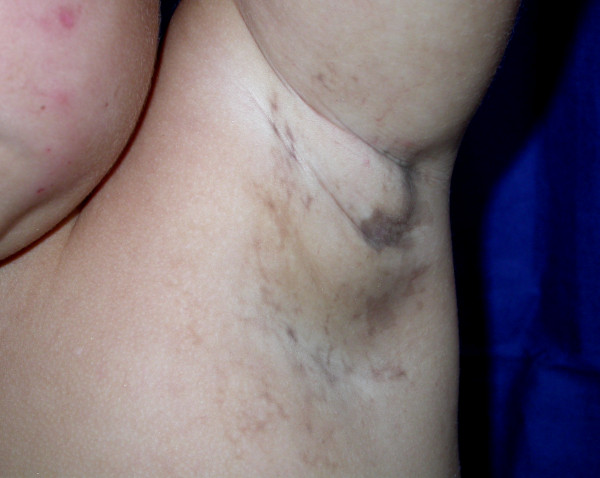
Imagine having invisible tiger stripes that only become visible under specific conditions. Blaschko Lines are just that—unique patterns on the human body that trace the pathways of developmental cell migration that occur in the womb. These lines typically remain hidden but can emerge visibly in certain rare skin conditions, revealing the body’s hidden stories and the intricate processes that shape us from the very beginning.
Source:
see above via wiki
Please SHARE this with your friends and family.


