


Throughout history, people have grappled with similar intimate concerns and desires, despite changing societal perspectives on sexuality. Issues such as contraception, performance anxiety, and moral considerations have persisted across different eras and locations.
While the methods and reasons for these concerns have evolved, the fundamental human curiosity and pursuit of pleasure through the exploration of the body have remained constants in the human experience, highlighting the enduring nature of human sexuality and its complex relationship with culture and society.
Clerics had to make a choice
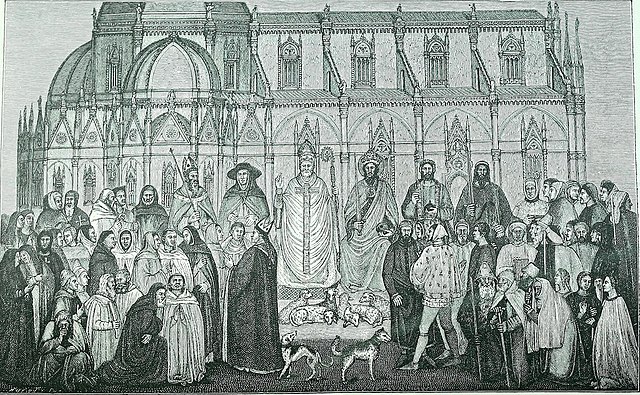
Clergy members in the Middle Ages often found themselves facing a difficult dilemma when it came to celibacy.
While their religion required them to be celibate to preserve their spiritual purity, medical professionals of the time would sometimes advise them to abandon celibacy if they became sick.
The medical advice was based on the belief that abstaining from sexual activity for extended periods could lead to various health problems.
In some cases, clergy members may have believed the medical advice but chose to remain celibate regardless, prioritizing their religious vows and spiritual commitments over potential health concerns.
Erectile Dysfunction was investigated
During a time when procreation was highly emphasized, men who experienced difficulties with sexual performance posed significant concerns.
In such cases, the Church sometimes conducted physical investigations of a man’s genitals to determine the nature of the problem. If the issue was deemed unsolvable or severe, it could potentially lead to the granting of a marital separation.
In certain instances, “honest women” were brought forward to examine the man in question. These examinations were intended to ascertain the validity of claims regarding the man’s dysfunction.
Entering from behind was a sin
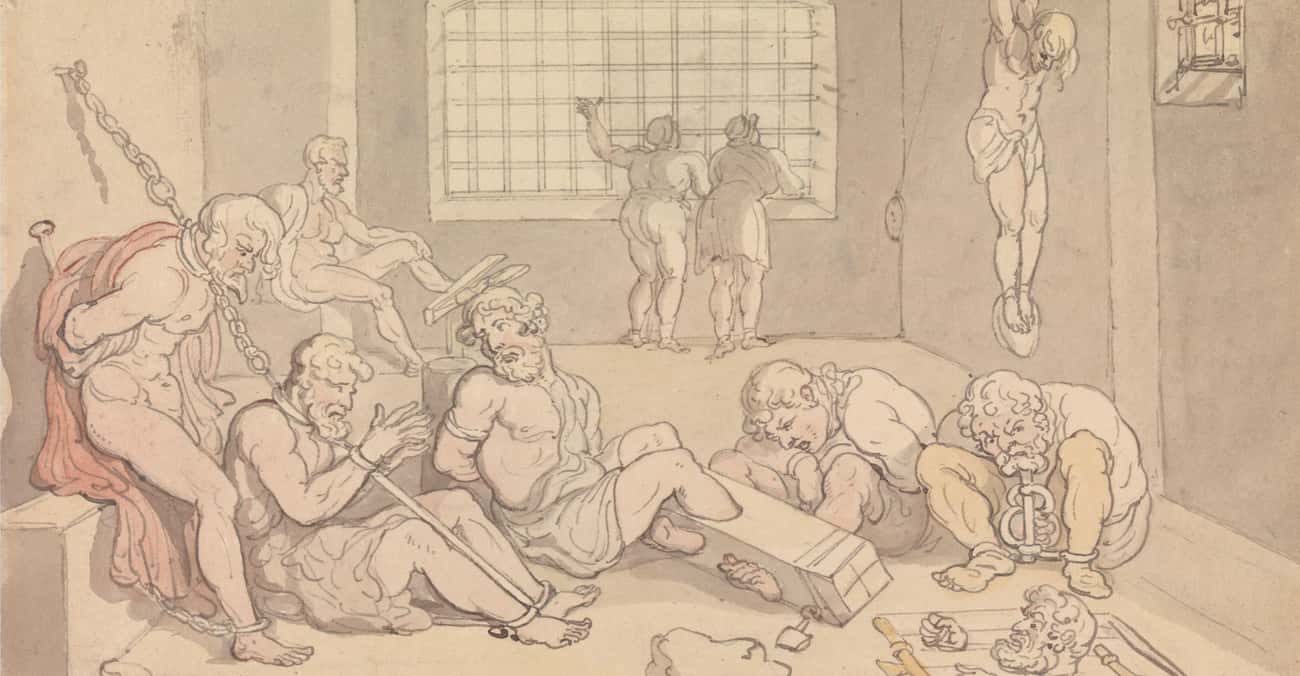
During the Middle Ages, engaging in rear-entry intercourse was not only considered sinful but also prohibited by the prevailing moral and religious norms of the time.
However, historical records from the Southern Netherlands between 1400 and 1550 reveal a surprising trend: both men and women were occasionally put on trial for participating in this particular act.
This suggests that despite being frowned upon and officially forbidden, rear-entry intercourse was relatively widespread among individuals of both genders during that era.

Cathouses were widely accepted
During the Middle Ages, sex work held a different societal role compared to today. In contrast to many contemporary countries, it was often viewed as a necessary profession.
The Church, for a time, tolerated this work to some extent, as it believed it could help counter negative public image and serve as a means of regulating the behavior of men.
One interesting historical example is the city of Florence, which, in response to concerns about a growing reputation for homosexuality, encouraged the establishment of brothels to divert men from these tendencies.
In this way, Christian society used the services of sex workers as a means to promote decency and influence the behavior of men, reflecting the complex ways in which this work and societal attitudes towards it have evolved over time.
There was a time when priests could marry
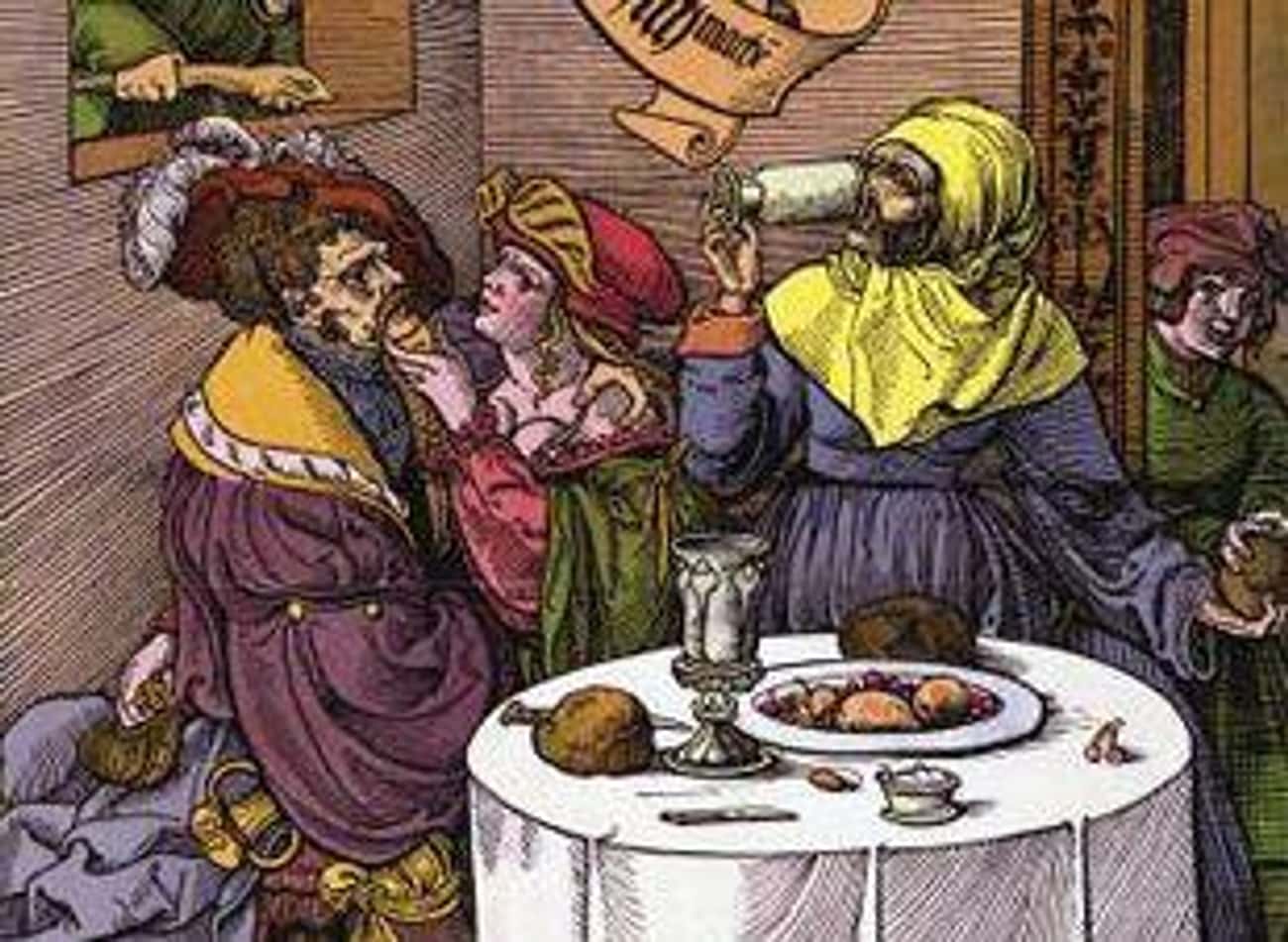
The imposition of celibacy upon the clergy by the Roman Catholic Church did not begin until the late 11th century. Prior to this, priests were allowed to marry, and it was common for them to have wives and even raise their sons to become priests as well.
However, as the Eucharist (the sacrament of the Holy Communion) became increasingly sacred and central to the Church’s doctrine, concerns arose about the idea that priests could engage in marital relations with their wives and then directly handle the altar and sacrament.
This practice did not align with the evolving theological and spiritual views of the Church’s leadership, leading to the eventual establishment of celibacy as a requirement for clergy.
Too much of sex was bad but so was not getting enough
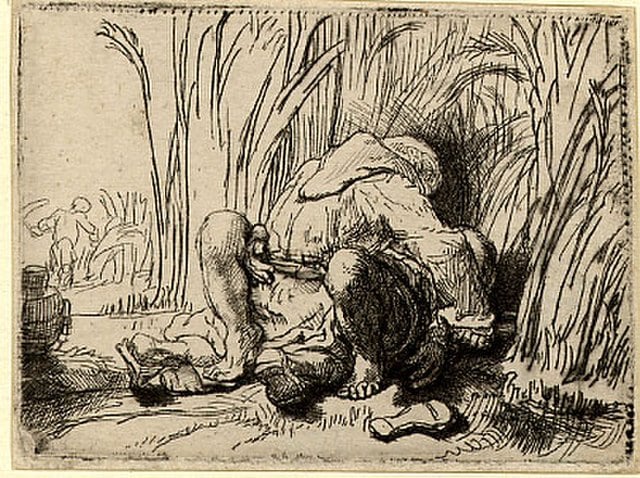
In the Middle Ages, there are historical accounts of prominent clergy members and men away from their wives on military campaigns whose deaths were attributed to their celibacy.
This belief was influenced by the medical science of the time, which was rooted in the concept of the four humours (blood, phlegm, black bile, and yellow bile) that were believed to compose the human body and temperament.
It was thought that maintaining a balance among these four humours required careful management of what went into and out of the body.
The practice of bloodletting, often using leeches, was one way people attempted to balance the humours. If someone had a particular illness or personality issue, it was often attributed to an excess of blood.
Similarly, this line of thinking extended to semen, where it was believed that prolonged abstinence from sexual activity could lead to a buildup of semen inside the body, causing various issues and potentially even leading to death.
Missionary was the way
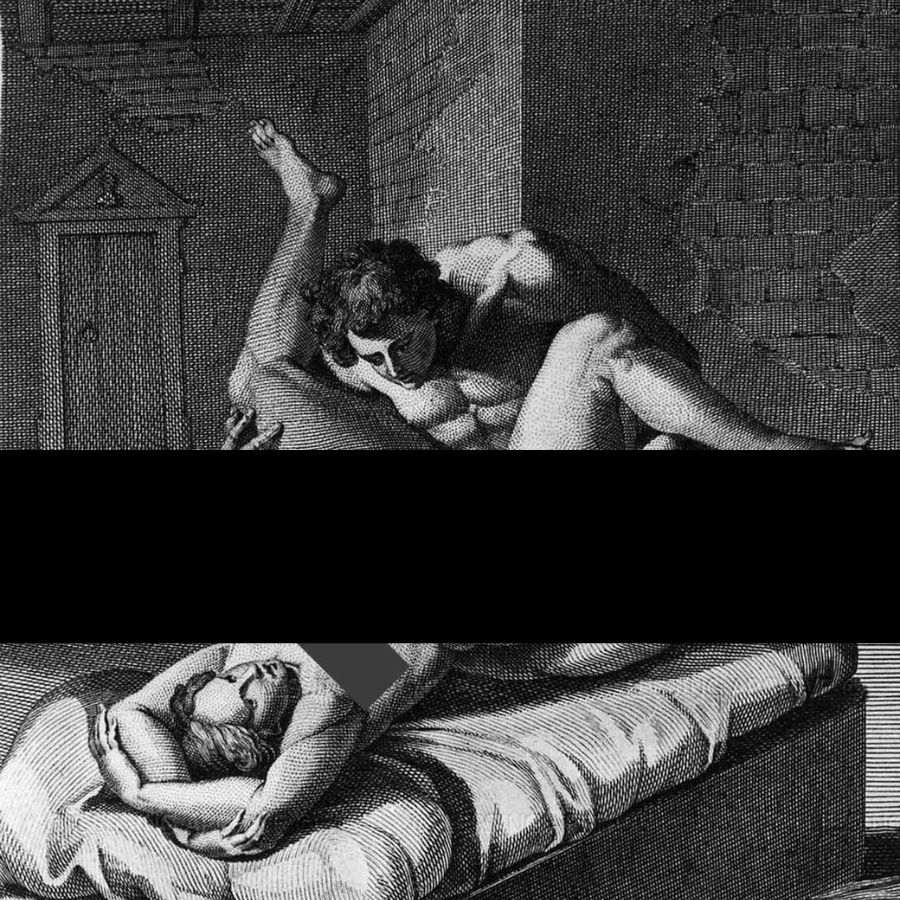
In accordance with Catholic Church teachings, the missionary position was considered the only acceptable way to engage in intercourse.
Other positions were discouraged because they were seen as potentially confusing gender roles or emphasizing the pleasure aspect of the act, rather than its primary role as a means of procreation.
Deviation from the standard missionary position could lead to punishment, depending on the specific circumstances and the severity of the perceived transgression.
These strict guidelines were a reflection of the Church’s historically conservative stance on sexual matters, with an emphasis on the reproductive purpose of intimate relations within the confines of marriage.
Women needed to have a balance
During various periods in history, including the Middle Ages, there was a widespread belief that conception depended on the release of semen during male climax.
This led to the notion that women must also produce a form of “seed” within them, which was thought to be released during sexual intercourse.
Just as men were believed to suffer illness if their semen built up due to a lack of sexual activity, it was similarly thought that women might experience health issues if their supposed “seed” accumulated without release.
Women were thought to be more active than men
The belief that women were more desiring of sex and more prone to temptation was indeed influenced by both religious narratives, such as the story of Adam and Eve, and observations of women’s sexual behaviors.
The story of Adam and Eve’s original sin in Christian theology has often been interpreted to suggest that Eve’s temptation of Adam led to the fall of humanity, reinforcing the idea of women as temptresses.
Furthermore, historical observations of women’s desires during menstruation or pregnancy, times when sexual activity would not lead to reproduction, contributed to the perception of women as more inclined.
But women didn’t really have a lot of chances for sex
In historical periods marked by strong religious and societal restrictions on sexual behavior, such as medieval Europe, there were stringent rules governing sexual activity. While extramarital sex was generally discouraged for both men and women, women faced more severe consequences for transgressions.
Marital sexual activity was restricted to regular penetrative intercourse within marriage, leaving few options for female pleasure. There were also strict limitations on when sexual activity was permitted, and sex was primarily viewed as a means of procreation.
Men could sometimes bypass these restrictions by engaging with prostitutes, while women faced more significant social and legal consequences for deviating from approved norms.
These constraints, deeply rooted in religious and societal norms, significantly restricted women’s sexual agency and autonomy.
Please SHARE this with your friends and family.


