


Schools often teach us things that turn out to be wrong or outdated. Many of the facts we learned as kids have since been proven incorrect. In this discussion, we’ll look at some of these common misconceptions and how our knowledge has changed.
You won’t always have a calculator with you

The reasoning behind teachers emphasizing mental math remains valid—it’s useful to practice. However, with calculators constantly available on our phones or devices, knowing how to use one is essential. Hopefully, you paid attention in those classes!
Pluto being a planet
The demotion of Pluto was a big shock, and many of us still find it hard to accept. On the bright side, it did turn out that many teachers were wrong about Pluto being a planet, which is something we can find a bit satisfying. Still, it doesn’t erase the disappointment.

Source:
NASA/Johns Hopkins University Applied Physics Laboratory/Southwest Research Institute/Alex Parker via wiki commons
No such thing as a dumb question
Everyone should feel free to be curious without shame, and you should continue to embrace this attitude most of the time. However, there are exceptions, like questions driven by dishonesty or designed to invade personal boundaries, as well as those meant to annoy teachers.

Source:
Max Fischer via Pexels
Getting arthritis when you crack your knuckles
Before smartphones became widespread, it was easier to tell kids all sorts of things without them fact-checking. Bones crack and pop all the time, and while some people might pay so-called experts to crack their joints, it doesn’t mean we’re all developing calcified joints. Science shows that this is just a myth.

Source:
Eren Li via Pexels
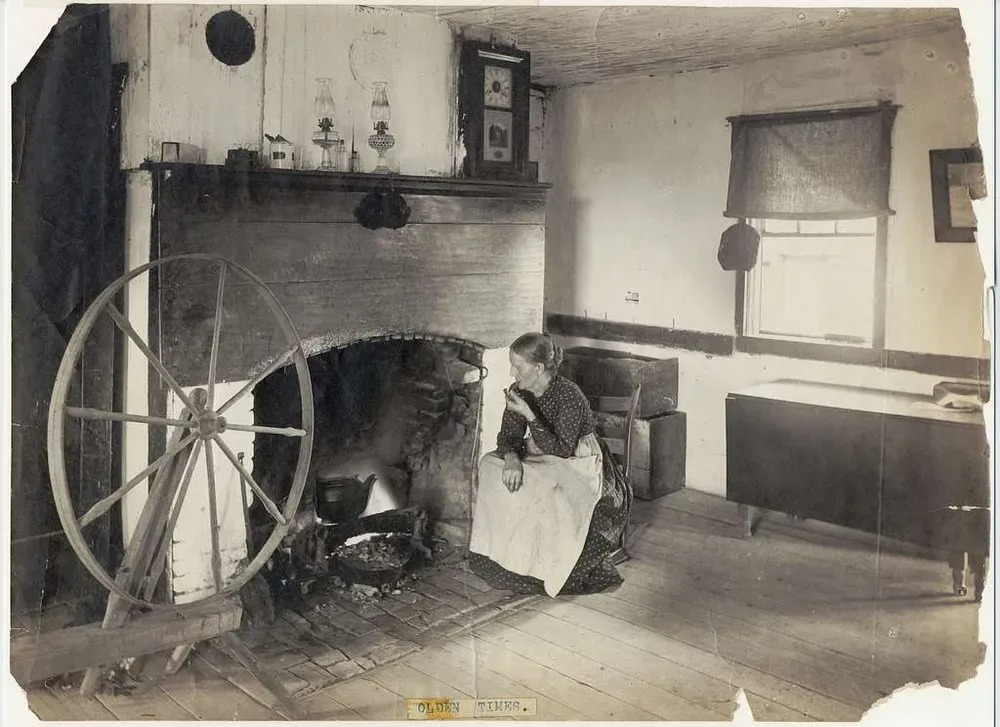
Saying ‘Ye olde’ the way it’s spelled
Shakespeare and his contemporaries wrote in an early form of Modern English, not Old English, which is much harder to understand. Also, the ‘Y’ in ‘Ye’ was more of a stylistic choice by early printers and should be pronounced with a ‘th,’ just as we would say it today.
Source:
Library of Congress via picryl
You need to write in cursive
The decline of cursive writing is often linked to the invention of the ballpoint pen in the late 1800s. This new pen made it possible to write quickly and sloppily while still being legible due to the quick-drying ink. Since then, teachers have struggled to promote cursive, especially as physical writing has become less common and many see it as less relevant.

Source:
Katya Wolf via Pexels
Newton discovered gravity thanks to an apple
This story is featured in textbooks everywhere, often with a humorous illustration of an old man getting hit on the head by falling fruit. While Newton’s writings indicate he observed falling apples which inspired his ideas, there’s no evidence to suggest that an apple actually fell on his head.

Source:
Tom Swinnen via Pexels
George Washington’s wooden dentures
A lot has been said about America’s founding fathers, and while some stories are embellished for drama, this particular myth is particularly off-base. While George Washington did wear dentures, they weren’t made of wood—nor were dentures made of wood in that era. In fact, dentures have been made from various materials throughout history.

Source:
Natural Museum of Dentistry via Flickr
The Salem Witch Trials
Many TV shows, movies, and stories depict the Witches of Salem being burned at the stake, but historical records show that no one was actually burned during the Massachusetts witch trials. Instead, several women were imprisoned, and some died in captivity. Regardless, it’s a tragic part of history, as none of those accused were actually witches.

Source:
SalemPuritan via Wikimedia Commons
Memorize things or you won’t have access to them later
The basic idea of memorization has its merits, but the school system’s heavy emphasis on absorbing and repeating information isn’t always effective for everyone and has limited real-world application. With tools like Google easily accessible on our phones, the approach often seems outdated.

Source:
LingApp via Pexels
Keep making that face and it will stay that way
It’s no surprise that this isn’t true. People don’t walk around with their tongues out or cheeks puffed up, regretting not heeding their teachers’ advice to stop being goofy. While such behavior can still be rude or inappropriate, it’s not something that defines a person’s life.

Source:
Andrea Piacquadio via Pexels
Napoleon was a short man
Napoleon is often thought to have been short, but he was actually around 5’7″, which was average height for his time and even today. However, the story about him inventing modern canning techniques with glass jars is true!

Source:
Anderiba12 via Wikimedia Commons
Vikings and those horned helmets
Norse warriors are often shown wearing iron helmets with large, decorative horns, but this imagery comes from Wagner’s operas and not from historical reality. Vikings did not actually wear such helmets; in practical terms, the horns would have made them easy targets for enemies to grab and pull.

Source:
Visitor7 via wiki commons
The Greeks invaded Troy with a wooden horse
The story of the Trojan horse is a classic example of clever strategy and ingenuity. However, it originates from Homer’s *Iliad*, where the tale has been creatively interpreted and altered through centuries of translations. What was probably a boat or some other form of transport has been transformed into the legendary giant wooden horse that never actually existed.

Source:
Sk via Flickr
Technology is unreliable
It might be wishful thinking to believe that technology won’t be a major factor in our lives, but it’s clear that the world is deeply reliant on it. While everyday survival doesn’t depend entirely on tech, it’s something we interact with constantly. Teachers should be aware of and adapt to this reality.

Source:
Pixabay via Pexels
I before E, except after C
The “i before e” rule is commonly taught to help with spelling, but there are far more exceptions to the rule than examples where it applies. In practice, it can make spelling more confusing rather than easier, sometimes leaving kids better off just learning to guess or recognize patterns.

Source:
Polina Tankilevitch via Pexels
Hair and nails grow after death
Many people think that hair and nails continue to grow after death, but this is a misconception. What actually happens is that the skin around the nails and scalp recedes and erodes, giving the illusion of growth. In reality, hair and nails do not grow after death.

Source:
Kristina Nor via Pexels
Fire alarms are not just drills
Fire drills are important for safety, and while they do teach you to walk calmly to the nearest exit, one drill is usually enough to learn the procedure. After that, it’s just a matter of standing outside while they account for everyone. Although the time spent away from class might be a bit inconvenient, it’s a necessary precaution.

Source:
Srattha Nualsate via Pexels
Referencing a vague “Permanent Record”
When applying for a job in your 30s, employers aren’t going to call and ask about your behavior in Miss Robinson’s 2nd grade English class. Of course, if your behavior involved serious issues like starting fires or pushing kids down the stairs, that might be a concern.

Source:
Andrea Piacquadio via pexels
You’ll never use the imperial system
America uses a mix of measurements, combining systems like inches and miles with others. While this might seem inconsistent, it reflects the country’s diversity and practicality. In daily life, you’ll likely find yourself switching between different units, especially in recipes and various tasks.

Source:
Pavel Danilyuk via Pexels
You’re living the best years of your life
It’s important to hope that anyone who tells you your high school years were your peak is wrong. The idea that life is just a slow decline after high school is far from true. Life can always improve, and there are many opportunities for growth and happiness beyond those years.

Source:
Pixabay via Pexels
Being able to run a mile without having to stop
Ideally, being able to run several miles without stopping would be great for any extreme situation your teachers might have imagined, but health and fitness needs are more practical. While cardio is important, most real-life scenarios would allow for walking or speed walking, rather than requiring you to run long distances nonstop.

Source:
Jojo Tesini via Pexels
Map reading is essential
Many notable explorers made their most famous discoveries while lost, even with the help of professional cartographers. If they struggled with maps, you’ll probably manage fine without one. You might not always have GPS signal, but knowing your relative location to key points of interest will often be more helpful than relying on a bulky, complex map.

Source:
ArtHouse Studio via Pexels
Carrots help you see in the dark
This myth originated during WWII when the success of British pilots on night missions was attributed to their carrot-heavy diet. In reality, they had developed advanced radar technology but couldn’t reveal this to avoid tipping off the Germans. There is no evidence to support the idea that carrots improve night vision.

Source:
mali maeder via Pexels
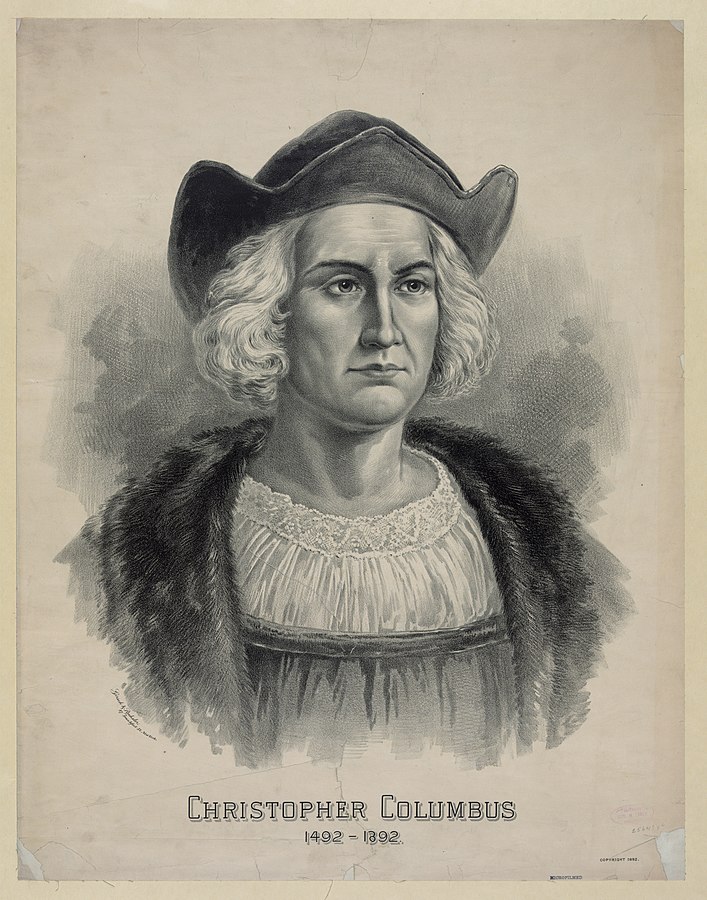
Christopher Columbus was the one who discovered America
This falsehood was taught widely, but it remains one of history’s biggest misconceptions. Evidence shows that Columbus never set foot in North America. Instead, he landed in the Bahamas and parts of Central and South America during his voyages, mistakenly believing he had reached India. Moreover, the lands he ‘discovered’ were already inhabited and thriving with established populations.
Source:
Popular Graphic Arts via wiki commons
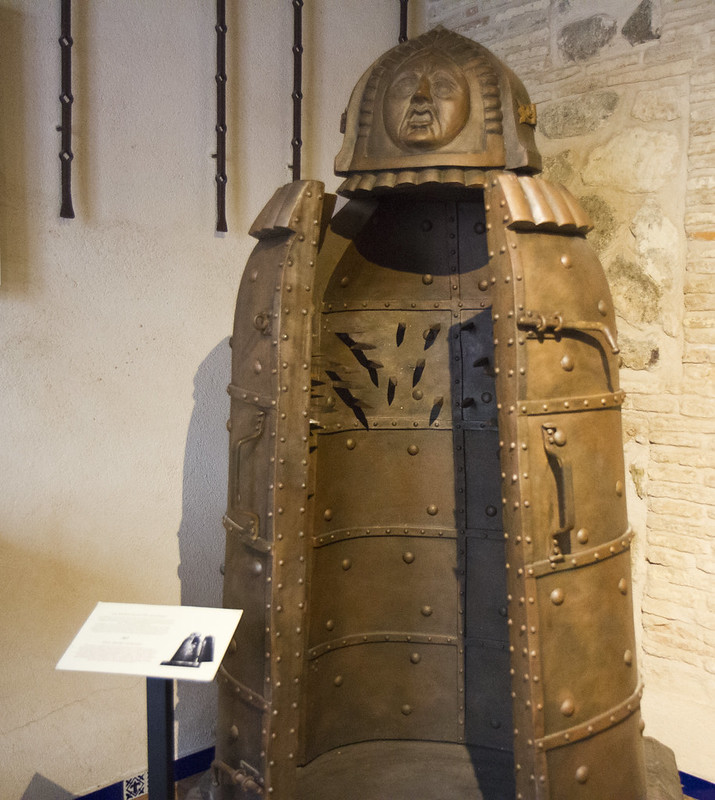
Iron maidens were used for torturing people
These gruesome sarcophagi for the living are often cited by history teachers as infamous Medieval torture devices, but their terrifying reputation is a myth. The first references to them appeared in the 16th century, but there is no solid evidence of their existence before the 18th century, meaning they were never widely used.
Source:
Nathan Rupert via Flickr
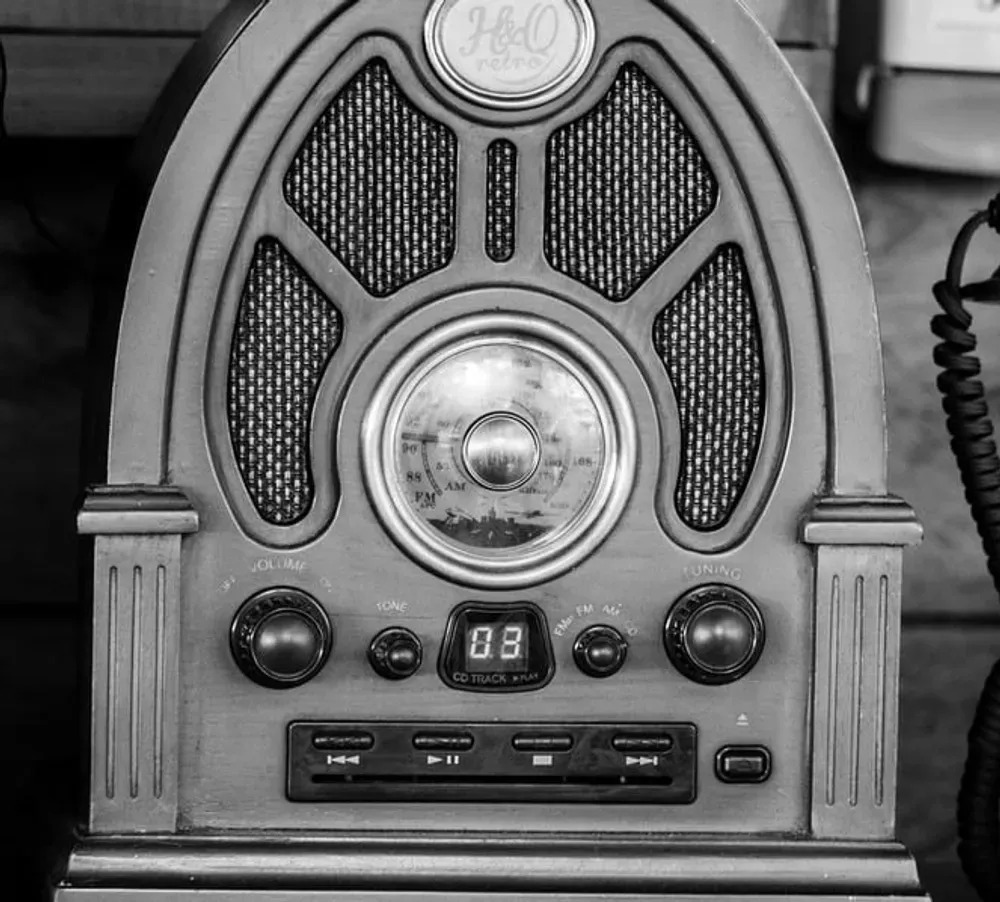
Orson Welles’ War of the Worlds caused panic
You might have heard this tale in English or Drama class as an example of the power of storytelling. The legend claims that Orson Welles’ *War of the Worlds* radio drama caused mass hysteria, prompting evacuations and chaos across America. However, there is no evidence to support this story; it was likely an exaggeration or invention by newspapers at the time.
Source:
via PICRYL
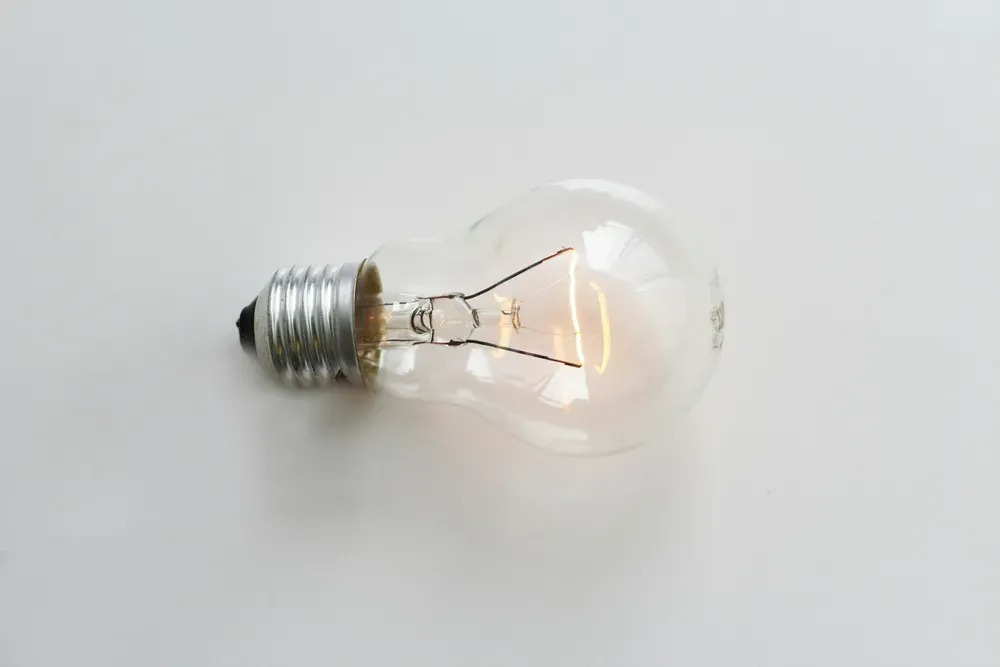
Edison invented the lightbulb
Edison is celebrated as a legendary inventor with many patents and groundbreaking innovations. However, he was actually the 24th person to invent the lightbulb. His real achievement was being the first to mass-produce and popularize it.
Source:
Pixabay via Pexels
The Earth was flat
You’ve probably heard that people in the Middle Ages believed the Earth was flat, but this is mostly a myth. As early as the 4th century, mathematicians and philosophers had observed and hypothesized that the Earth was spherical, even making remarkably accurate estimates of its circumference.

Source:
pixabay via pexels
The Church banned a certain chord
It can be challenging to get kids interested in music theory, so many teachers repeat the idea that the tritone, a dissonant harmony of two notes three whole tones apart, was banned by the Catholic Church. This story, often referred to as “the devil in music,” is a myth. In reality, plenty of choral music composed and sung in churches at the time uses this interval.

Source:
Hyacinth via Wikimedia Commons
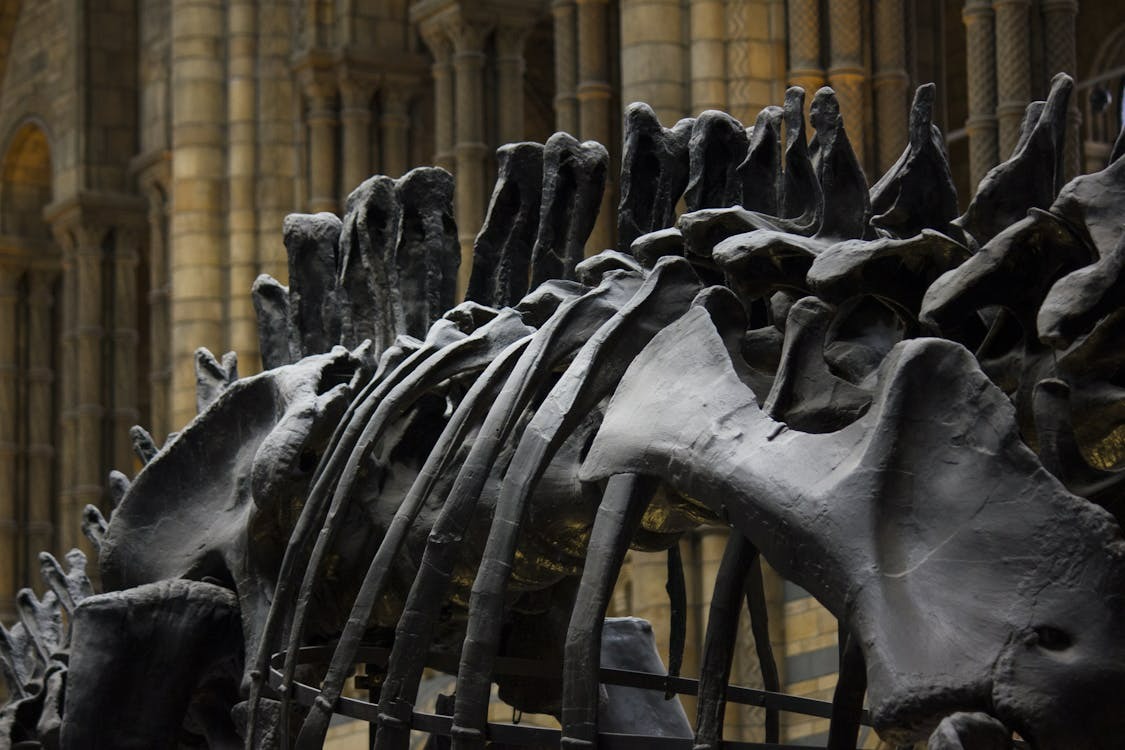
The dinosaurs are extinct
65 million years ago, dinosaurs ruled the planet until a meteor brought a swift end to their dominance. However, it’s not as straightforward as what you might have learned in class. Modern birds share significant genetic material with dinosaurs, making them a continuation of those incredible creatures.
Source:
Pixabay via Pexels
In the southern hemisphere, toilets flush the other way
Using toilets to illustrate the Coriolis effect, which causes hurricanes and typhoons to spin in opposite directions in the Northern and Southern Hemispheres, is a common misconception. In reality, the effect is too weak to influence the small amount of water in a toilet bowl, so this bathroom trivia is incorrect.

Source:
Miriam Alonso via Pexels
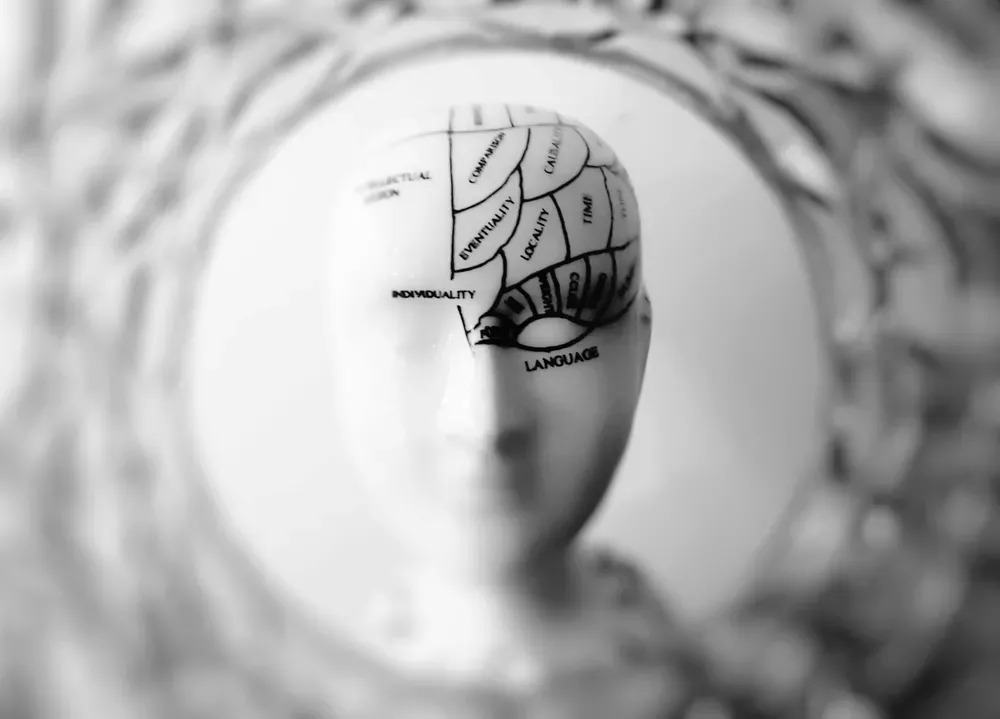
You can either be left or right-brained
The brain is an extraordinary organ capable of amazing feats, from mapping the universe to directing films like *The Godfather*. However, the idea that people are either “left-brained” or “right-brained,” with one side dominating their personality or skills, is a myth. While different brain areas are specialized for certain functions, the brain’s complexity can’t be reduced to just two sides.
Source:
meo via Pexels
They say it’s not funny
You encounter all sorts of humor in school—whether it’s a logical blunder, someone falling over, or a class clown’s joke. The truth is, these things can be genuinely funny and likely remain so throughout life. There’s nothing wrong with that! Teachers probably find much of this humor amusing too, but they often need to maintain professionalism and keep a straight face.

Source:
RDNE stock project via Pexels
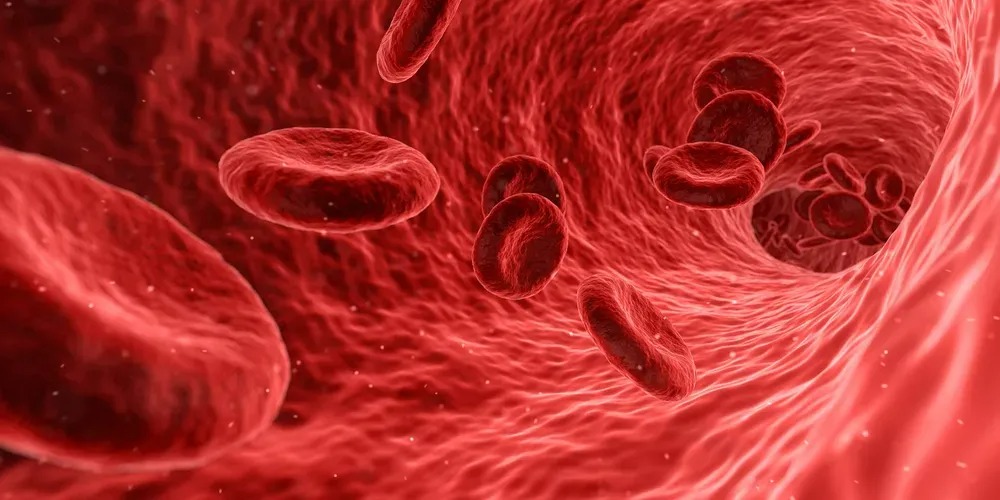
Blood is blue up until it’s exposed to oxygen
The color of your blood does change with the amount of oxygen it carries, but it always remains a shade of red. It never turns blue. The blue appearance of veins is due to the way light penetrates the skin. Red light penetrates deeper, while blue light is scattered and reflected back to the eye, giving veins their blue appearance.
Source:
Pixabay via Wikimedia Commons
The tongue has a taste map
You might recall high school science diagrams showing the tongue divided into sections for different tastes like salty, sweet, and sour. However, this isn’t accurate. Taste buds all over your tongue can detect these flavors equally, regardless of their location.

Source:
Anna Shvets via Pexels
Swallowed gum takes years to digest
Similar to how kids are threatened with the naughty list for misbehavior, teachers use the idea that gum will stay in your stomach for years to discourage chewing gum in class. In reality, while gum isn’t meant to be swallowed and isn’t digested well, it will pass through your system in a few days without causing any harm.

Source:
Chelsi Peter via Pexels
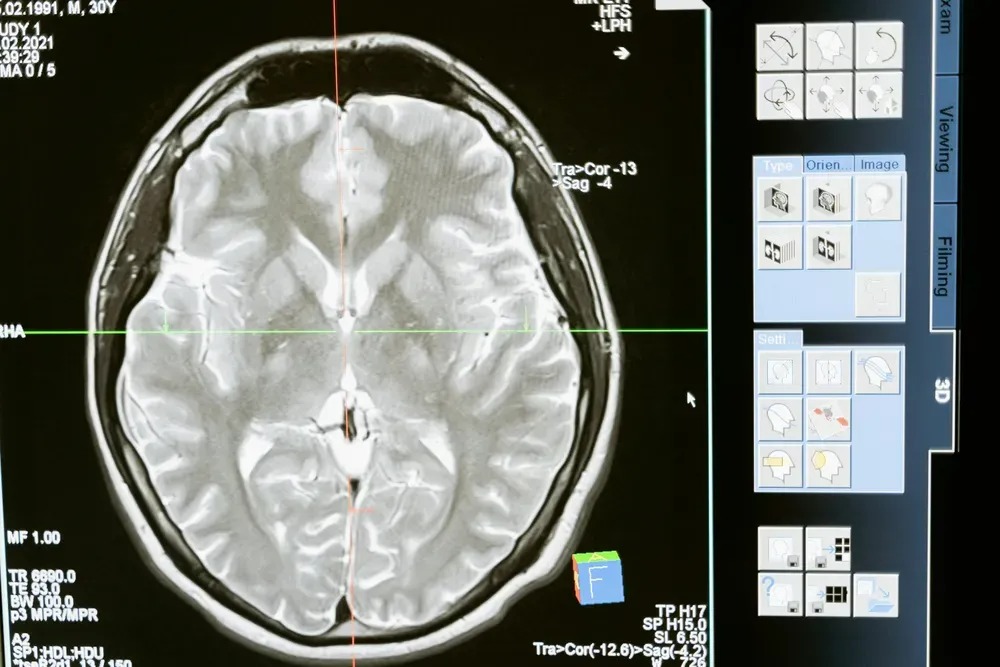
We only use 10% of the brain
The brain’s complexities are still being explored, and we don’t yet have a complete understanding of how it works. The myth that we only use 10% of our brains, which started in the early 1900s and was perpetuated by some influential scientists, is far from accurate. MRIs reveal that even simple tasks activate the entire brain, indicating that it draws on multiple areas for its functions.
Source:
MART PRODUCTION via Pexels
A piece of paper can only be folded 7 times
While it can be challenging and require more force than most people can manage, folding a piece of plain paper more than 7 times is not impossible. The theory behind the 7-fold limit was based on geometric growth, but in 2002, high school student Britney Gallivan set the Guinness World Record by folding a sheet of paper 12 times.

Source:
Ksenia Chernaya via Pexels
Hearing the bell doesn’t dismiss you
The sound of the bell clearly signals the end of class, and it’s crucial to respect that. If you couldn’t cover the lesson in the allotted time, it’s on you to manage that. There are other classes, buses to catch, and activities beyond the extra minutes you might want to stretch.

Source:
PatrickRich via Flickr
Please SHARE this with your friends and family.


