


In the ever-changing toy industry, cherished childhood toys have disappeared, leaving us nostalgic. Join us as we uncover the reasons behind the discontinuation of iconic toys like Tamagotchis and Sky Dancers.
Computer Engineer Barbie
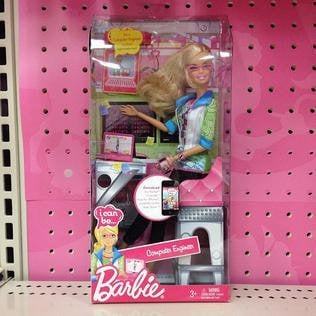
In 2010, the Computer Engineer Barbie was introduced to inspire young girls to pursue careers in technology. However, controversy arose over the accompanying book, “Barbie: I Can Be a Computer Engineer,” where Barbie seemed to rely on male colleagues for coding tasks. This portrayal perpetuated gender stereotypes, leading to public backlash and the doll’s discontinuation by Mattel. This incident underscored the importance of promoting accurate and empowering representations of women in STEM fields and sparked efforts to empower girls in science and engineering.
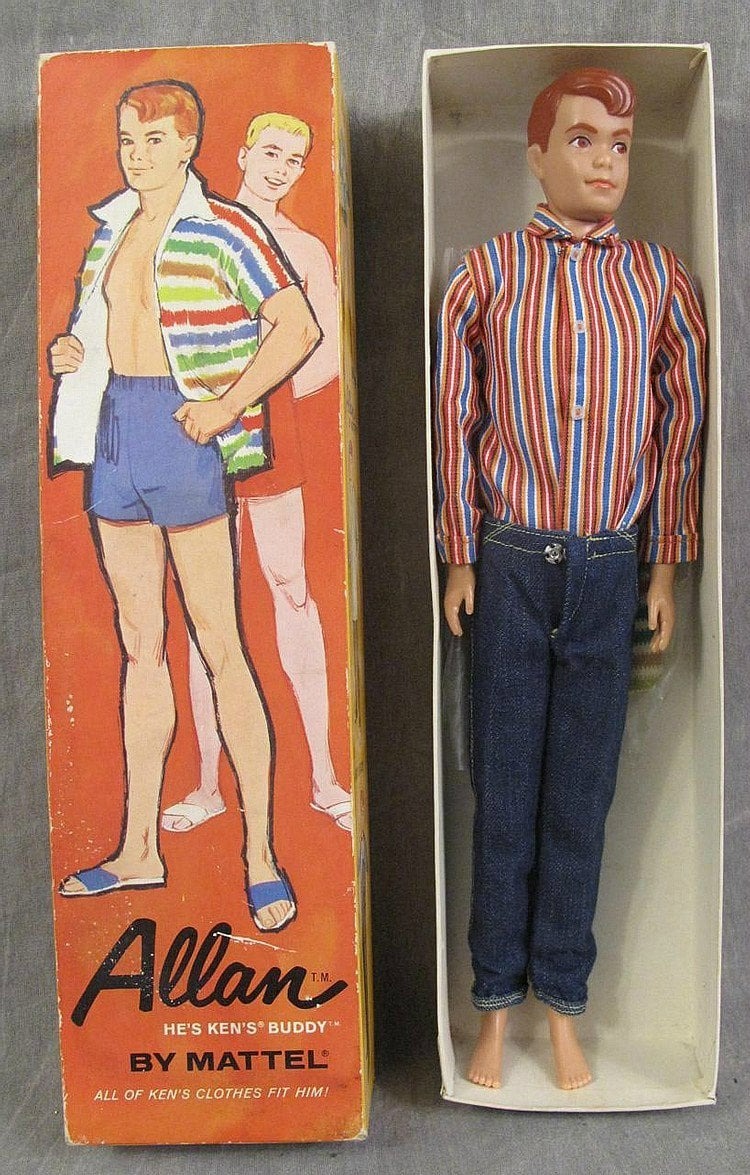
Allan Barbie Doll
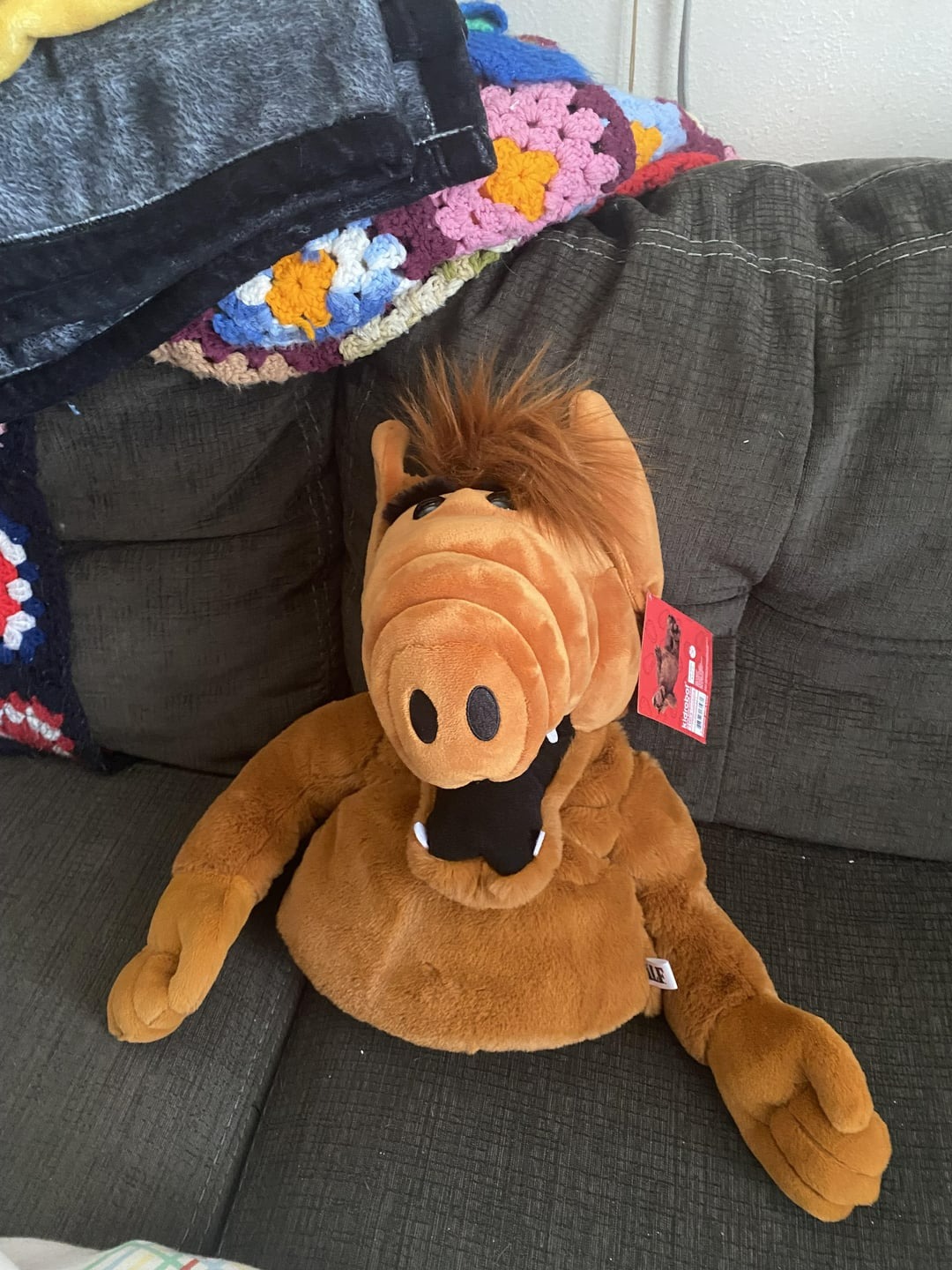
The Alf Doll
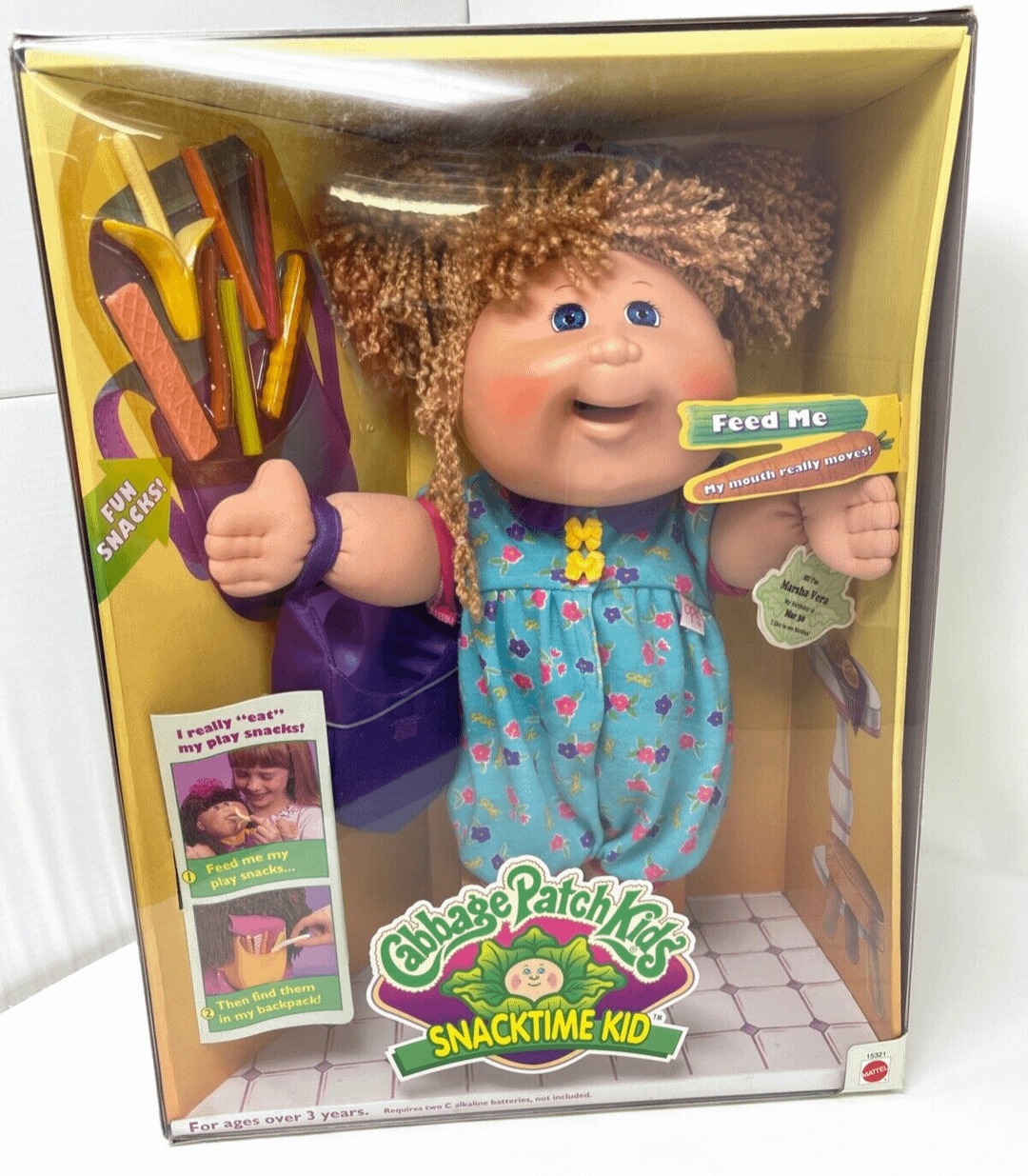
The Cabbage Patch Snacktime Doll
Sky Dancers
Slip ‘N Slide
The classic summer toy, Slip ‘N Slide, gained popularity in the 1960s with its long plastic sheet and water spray creating a slippery surface for kids to slide on. However, certain variations faced discontinuation due to safety concerns and injuries. Original hard plastic versions occasionally caused abrasions, neck and back injuries, and in rare cases, broken bones.
Lawsuits arising from these safety issues led some manufacturers to discontinue specific models or redesign the product with softer materials and enhanced safety features. Despite these challenges, Slip ‘N Slide remains an iconic summer activity for many.

Clackers
Clackers, also known as Clankers, were a popular toy from the 1970s consisting of two hard acrylic balls suspended on strings, creating a clanking noise when rhythmically moved. Despite their popularity, safety concerns led to their discontinuation.
The hard acrylic balls posed risks as they could shatter upon impact or excessive pressure, leading to injuries such as eye injuries, bruised hands, and broken clackers. Manufacturers responded to these concerns by voluntarily discontinuing production, as safety regulations tightened and alternative materials were explored. This ultimately led to the decline and eventual discontinuation of the original clackers from the toy market.

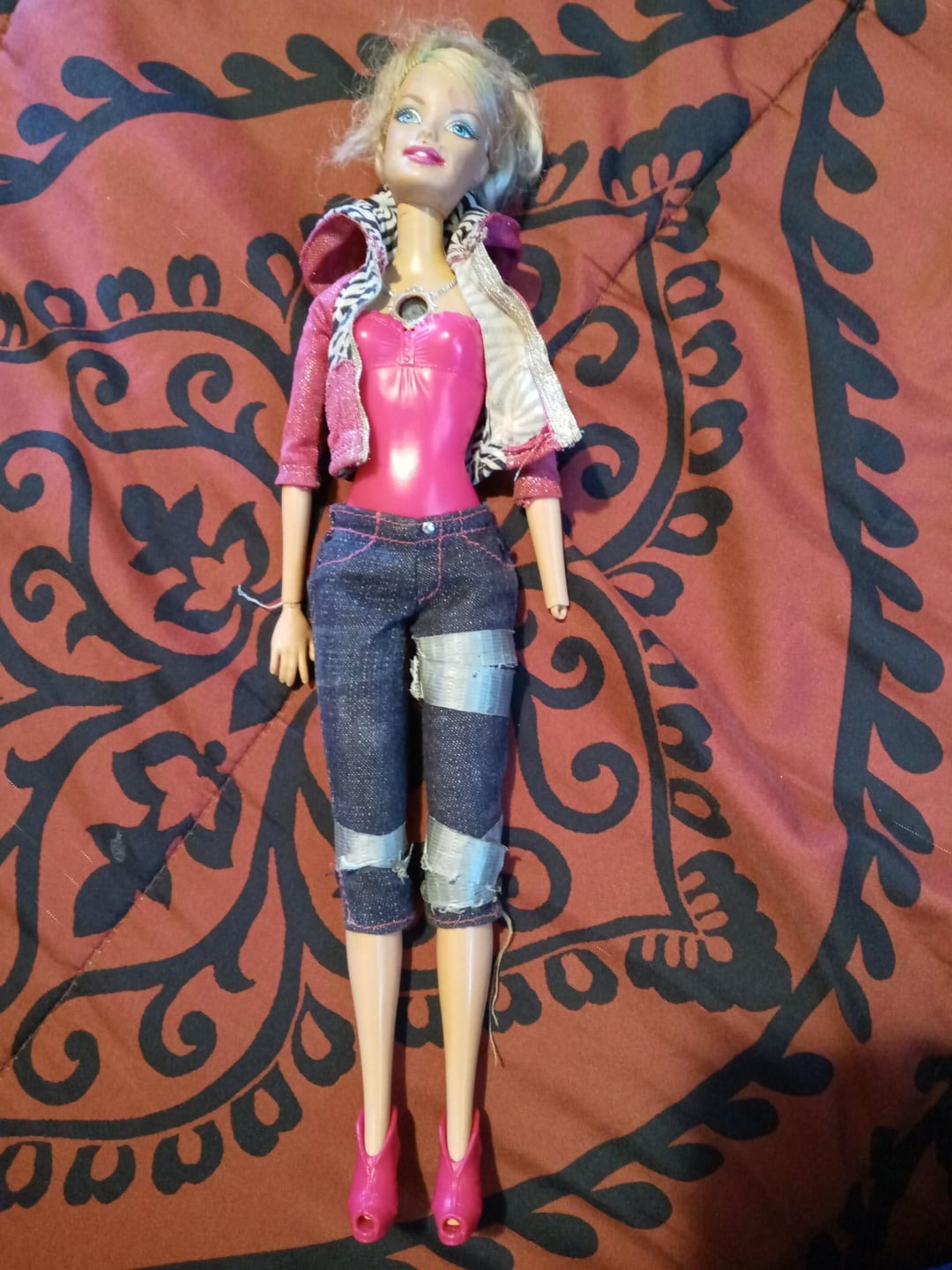
The Barbie Video Doll
The Barbie Video Doll, introduced in the early 2000s, was a unique concept featuring a miniature video camera embedded in Barbie’s chest, allowing children to record videos from her perspective. Despite its popularity, the doll was discontinued due to privacy concerns.
Parents and advocacy groups expressed worries about potential misuse, as the camera could inadvertently capture personal or sensitive content, raising concerns about children’s understanding of consent and privacy. The backlash prompted Mattel to withdraw the doll from the market, highlighting the importance of addressing privacy and ethical considerations when integrating technology into children’s toys.
Poo-Chis
The Poo-Chi, a robotic dog toy introduced by Tiger Electronics in the early 2000s, became popular for its interactive features and lifelike behaviors. However, changes in consumer preferences and technological advancements led to its discontinuation. As the toy industry progressed, electronic pets like Poo-Chi faced competition from more advanced electronic devices and video games.
The decline in demand for Poo-Chi stemmed from consumers seeking more immersive digital experiences. Maintenance issues and limited gameplay options also contributed to its waning appeal. Unable to keep pace with market trends, Poo-Chi was discontinued, marking the end of an era for robotic pet toys in the early 2000s.

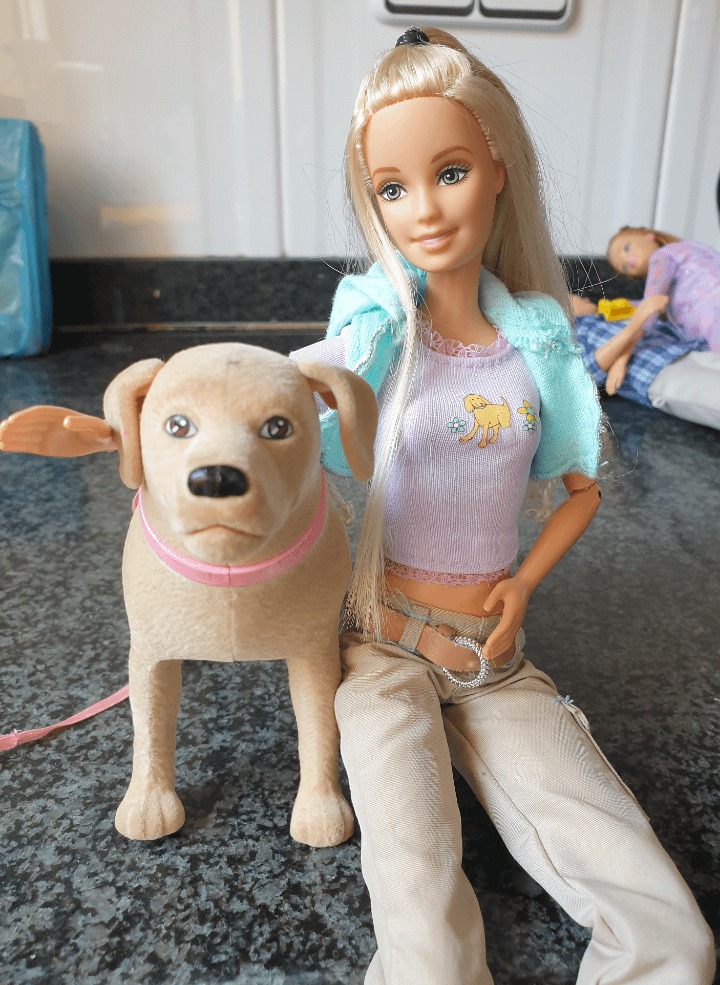
Barbie and Tanner
The Barbie and Tanner Playset, launched in the mid-2000s, showcased Barbie and her pet dog, Tanner, known for his lifelike responses to Barbie’s touch. However, the playset was discontinued due to concerns regarding its durability and potential malfunctions.
Customers encountered issues with Tanner’s sensors and electronic components, causing frustration among children and parents alike. The expense of repairing or replacing faulty units, alongside rising competition from other interactive toys, likely influenced the decision to halt production of the playset.
Sally Secrets
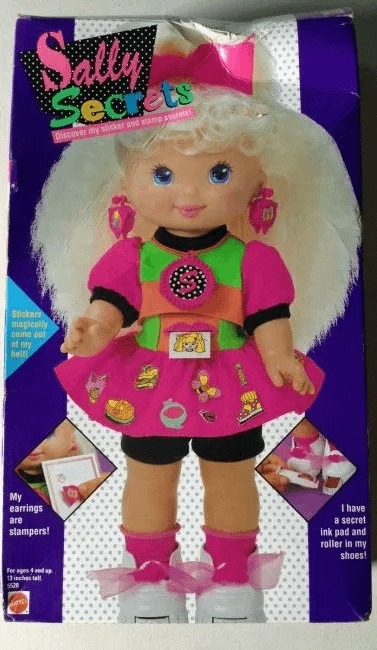
How many of you still have a Sally Secrets doll tucked away in your attic or basement? Launched in the late 1950s, Sally Secrets captivated young girls with its unique feature—a miniature “diary” hidden in the doll’s torso, complete with a locking mechanism. This innovative concept quickly became a favorite among many.
However, Sally Secrets was eventually discontinued for several reasons. The small diary keys posed practical challenges and were easily lost, leading to frustration for children. Additionally, as new toy trends emerged in the 1960s, the doll’s popularity began to decline. Concerns over privacy breaches associated with the diary also contributed to its discontinuation.
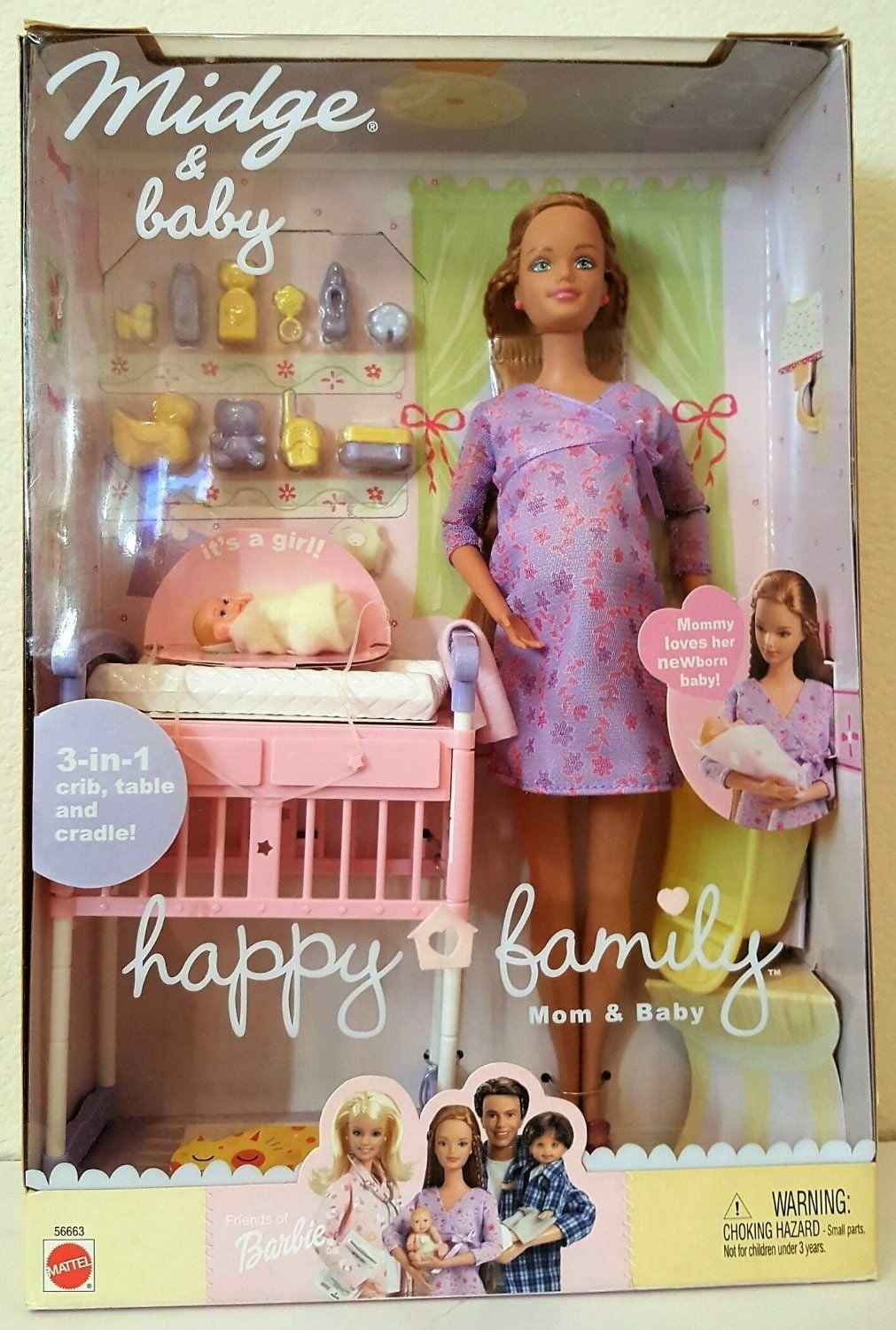
Midge
How many of you remember playing with the Midge Barbie doll while growing up? Introduced in 1963 as Barbie’s best friend, Midge gained popularity over the years. However, controversy surrounded the pregnant version of Midge, introduced later on.
This version, which featured a detachable belly containing a baby, sparked criticism from some parents and advocacy groups. Concerns were raised about its appropriateness for children and the message it conveyed. In response, Mattel decided to discontinue the pregnant Midge doll in 2003 to avoid negative publicity and address concerns about its reception.
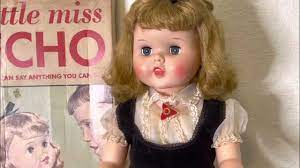
Little Miss Echo
The Little Miss Echo doll, introduced in the late 1960s, was an innovative toy celebrated for its ability to mimic sounds and voices. With a microphone and speaker, it could record and play back phrases, offering an interactive experience. However, it was discontinued due to concerns about privacy.
Some parents and consumer advocacy groups worried about the doll inadvertently recording and playing back inappropriate or private conversations. These concerns, along with shifting toy preferences, led to the discontinuation of Little Miss Echo. Despite its pioneering technology, it became a relic of the past.
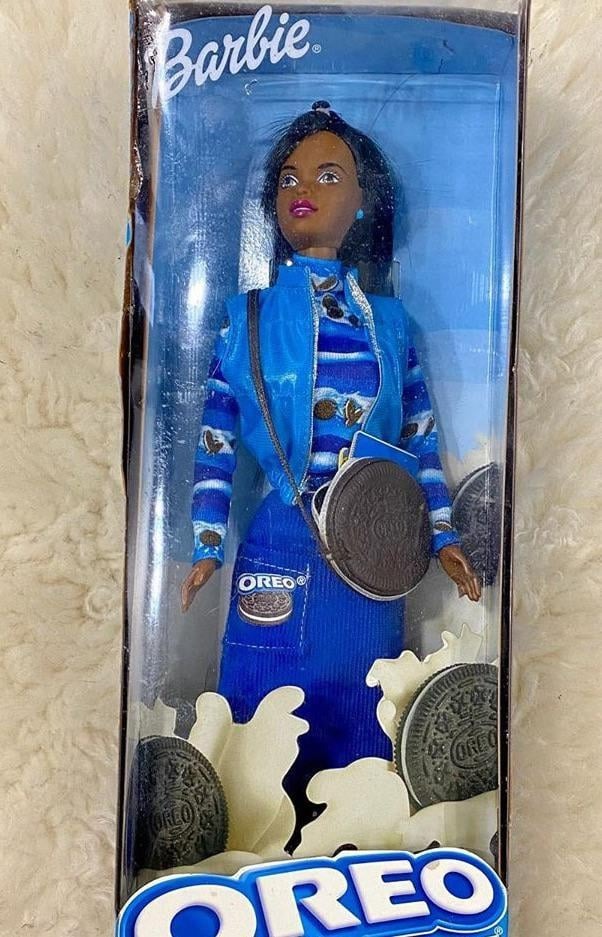
The Oreo Fun Barbie
The Oreo Fun Barbie, launched in 1997 as a limited edition collaboration between Mattel and Nabisco, featured an Oreo-themed outfit and miniature cookies, celebrating the popular snack. However, the doll faced controversy and was discontinued due to concerns about its portrayal of body image.
Critics argued that Barbie’s slim physique contradicted her indulgence in Oreo cookies, perpetuating unrealistic beauty standards. Public backlash and worries about the doll’s potential impact on young girls’ self-esteem led to its discontinuation. This highlighted the growing awareness of responsible and body-positive marketing in the toy industry.
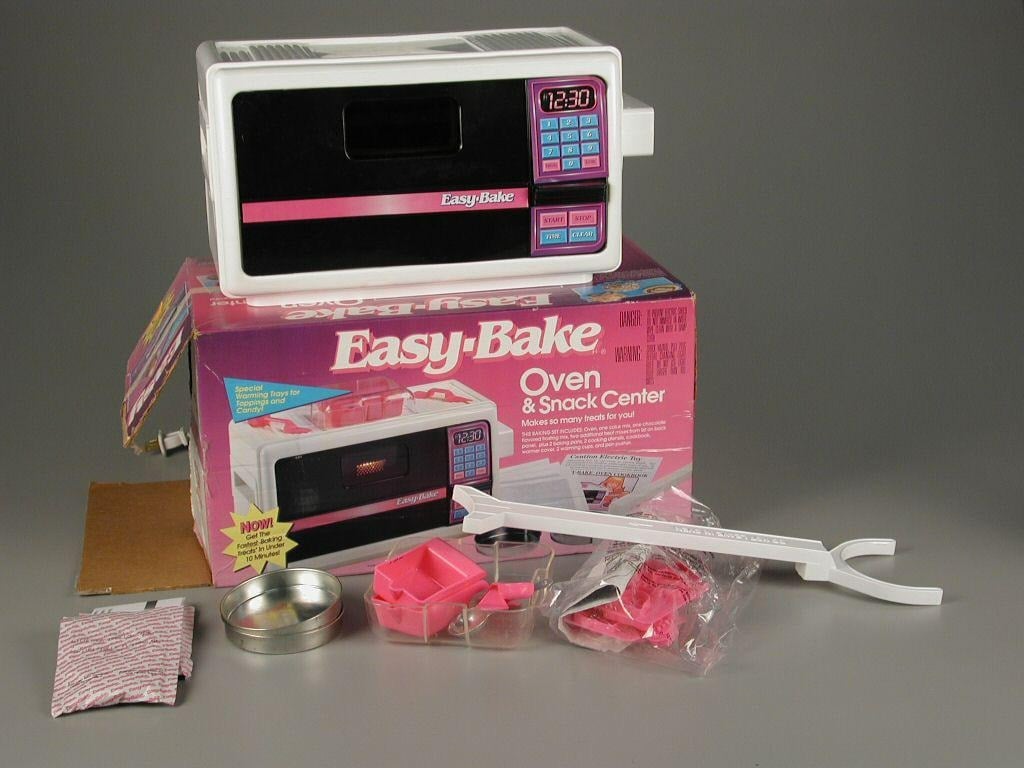
The Easy-Bake Oven
Introduced in the 1960s, the Easy-Bake Oven was a cherished toy allowing children to bake treats using a light bulb. However, its discontinuation in 2007 was primarily due to safety concerns and changing regulations. The traditional model utilized a 100-watt incandescent bulb, posing burn and fire hazards.
As energy-efficient LED and CFL bulbs became prevalent, the classic design became incompatible. Continued worries about children encountering hot surfaces led to its replacement with a new version featuring a heating element, meeting modern safety standards. This change aimed to maintain the essence of the beloved toy while ensuring safety.
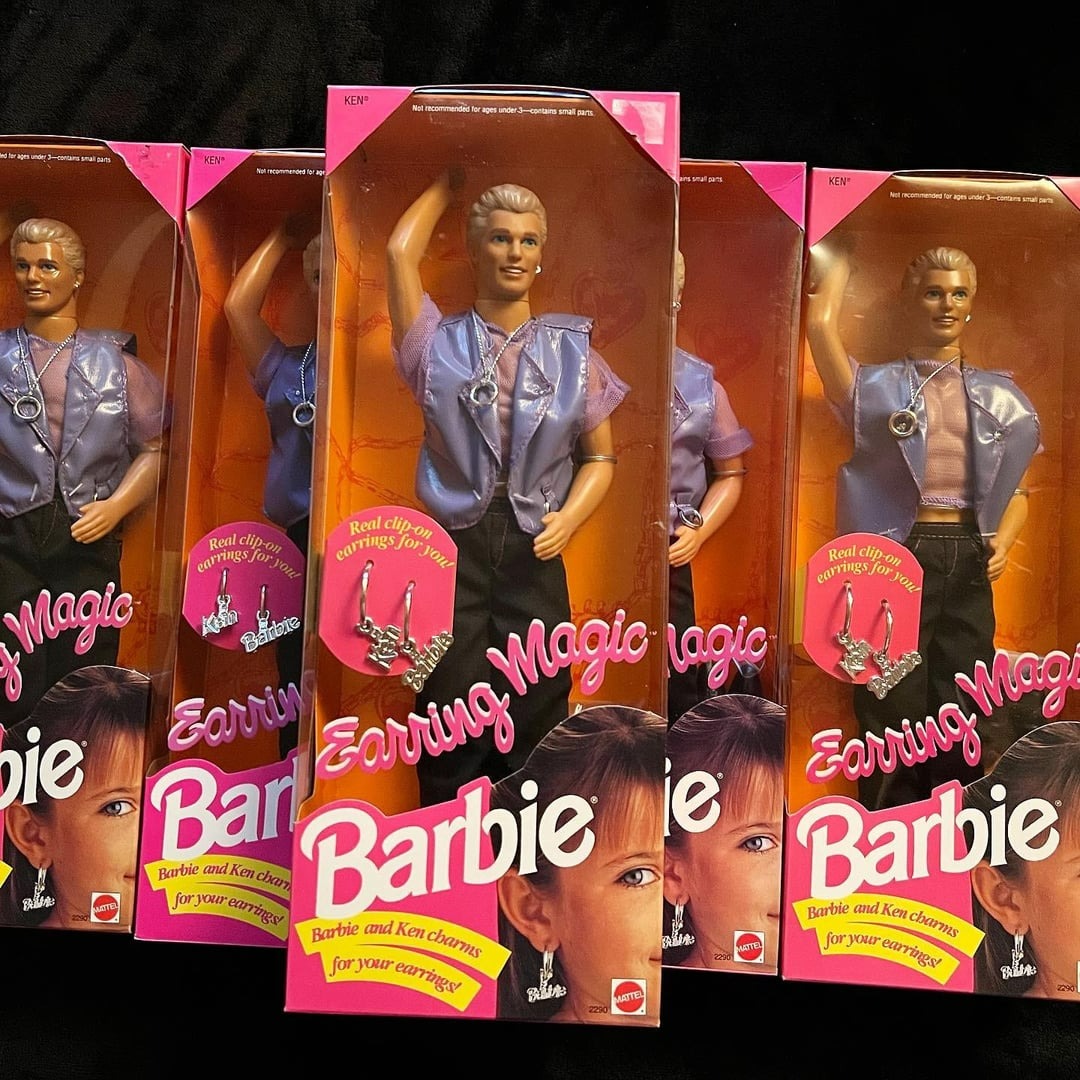
Earring Magic Ken
The Earring Magic Ken doll, launched in 1993, quickly garnered attention for its unconventional design, including a fashionable outfit and a purple earring. Embraced by collectors and the LGBTQ+ community, it faced controversy and subsequent discontinuation due to perceived portrayal of Ken as a gay character.
Criticism from conservative groups regarding the doll’s appearance and accessories pressured Mattel to cease production. Despite its short time on the market, the Earring Magic Ken doll remains a sought-after collector’s item, representing a significant moment at the intersection of pop culture, gender expression, and societal attitudes in the early 1990s.
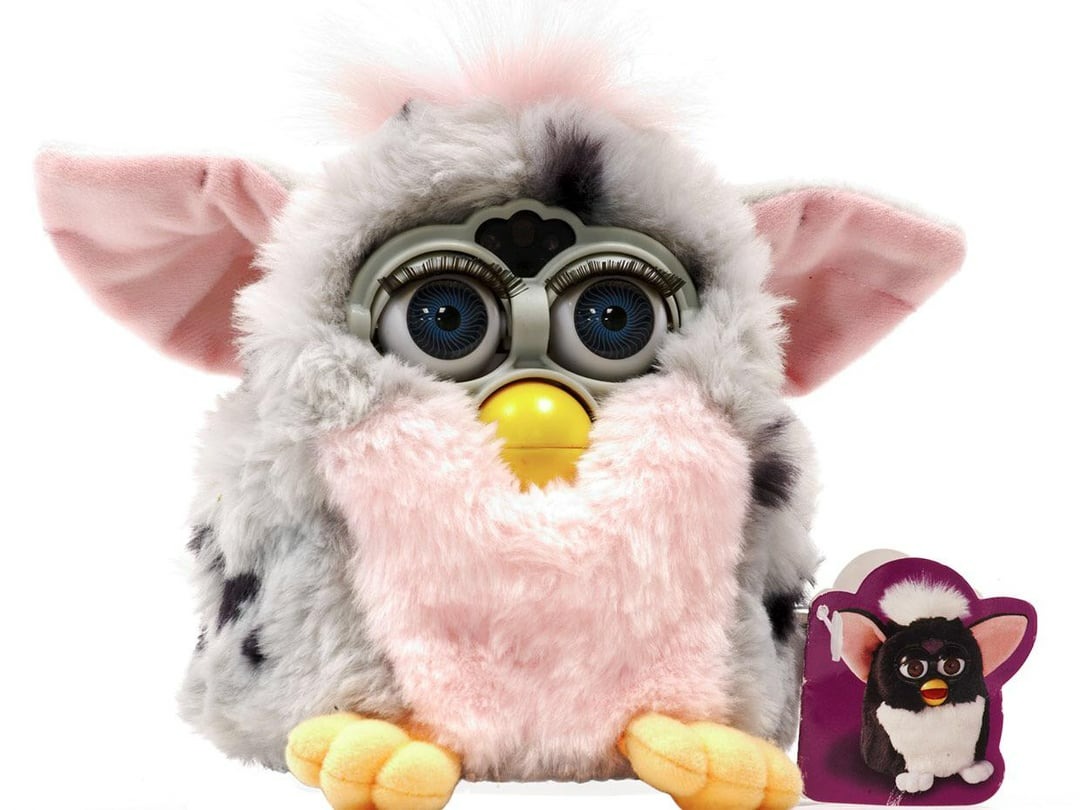
Furbies
Introduced in 1998, Furbies quickly became a cultural phenomenon, cherished for their interactive and pet-like qualities. However, their discontinuation in the early 2000s was primarily due to privacy and security concerns. Equipped with sound and light sensors, Furbies had the potential to inadvertently record conversations, prompting worries among parents and consumers.
In a post-9/11 world with heightened security awareness, these concerns intensified. Additionally, the Furbies’ unpredictable behavior and language development, coupled with potential for unintended profanity, led to bans in some schools and organizations, impacting their popularity. Although discontinued initially, Furbies made a comeback in later years with enhanced security features, remaining a nostalgic and iconic toy from the late 1990s and early 2000s.
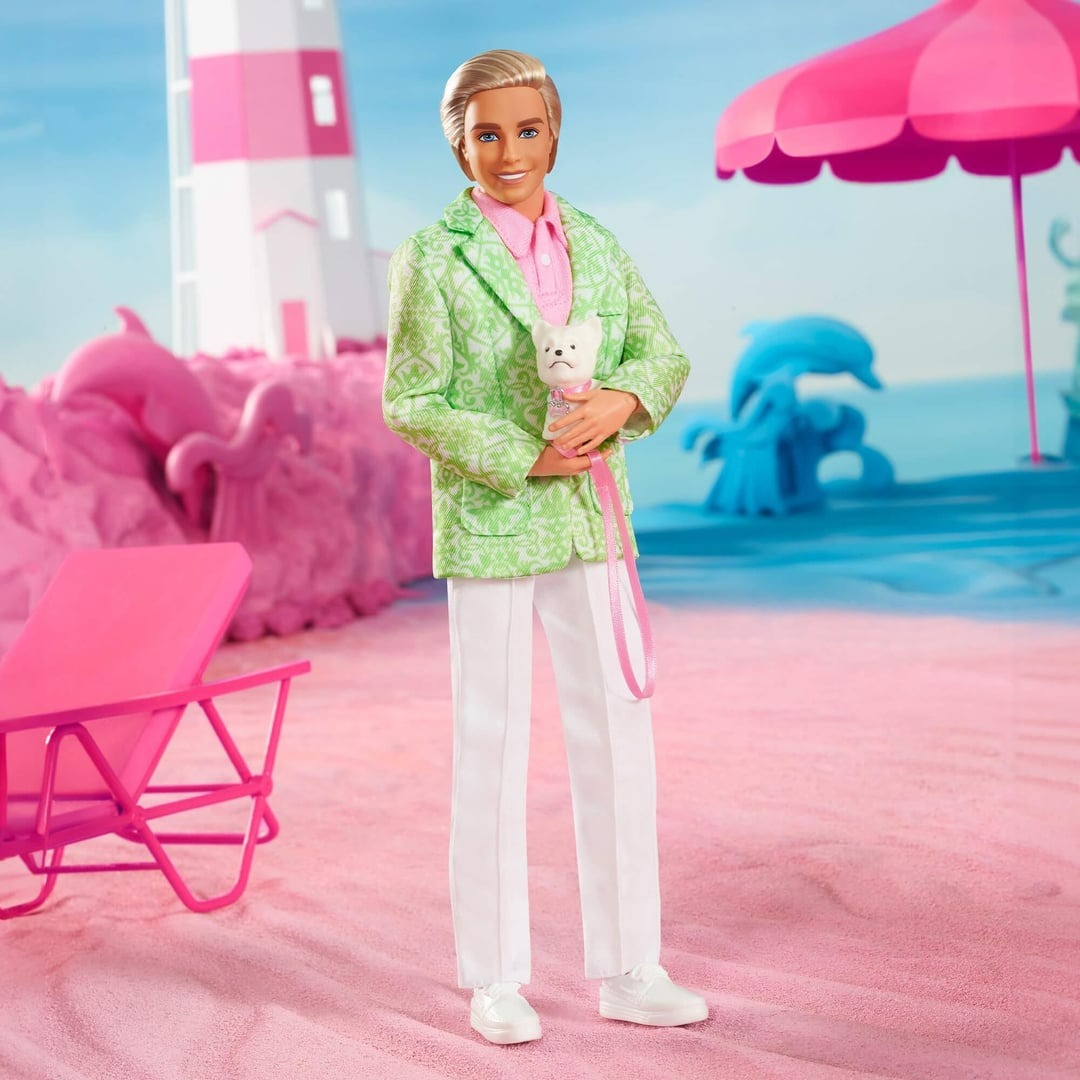
Sugar Daddy Ken
The Sugar Daddy Ken doll, introduced in the 1960s, was known for his suave style and sophistication. However, it faced discontinuation due to evolving cultural sensitivities and shifting social norms. The term “sugar daddy” became associated with an older, wealthy individual in a romantic relationship with a younger partner for financial gain.
As societal attitudes changed, Mattel opted to discontinue the Sugar Daddy Ken doll to avoid potential controversies or misunderstandings related to the term. This decision exemplified the toy industry’s responsiveness to evolving social perceptions, emphasizing the importance of promoting positive and appropriate role models for children through their products.
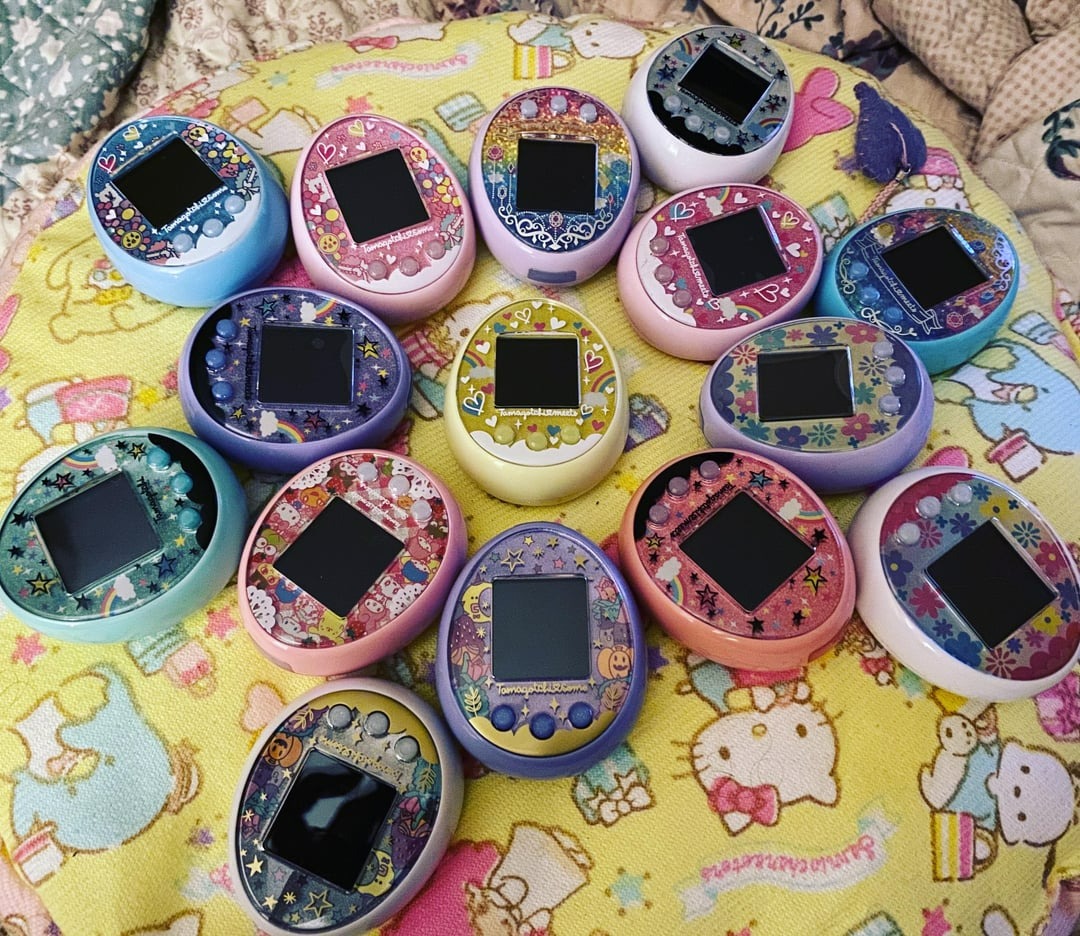
Tamagotchi
The Tamagotchi, a virtual pet keychain introduced in the late 1990s, achieved widespread popularity worldwide. However, its initial discontinuation was primarily influenced by changing market dynamics and evolving toy trends. Following its release, the Tamagotchi faced competition from various virtual pet apps and games on electronic devices, diminishing its novelty and appeal.
Additionally, concerns arose regarding the distracting nature of the toy in schools and other settings, prompting some institutions to ban them. Despite the discontinuation of the original Tamagotchis, Bandai periodically released updated versions and apps to cater to nostalgic fans and new generations.
The Game Boy
Rollerblade Barbie
Leggy Dolls
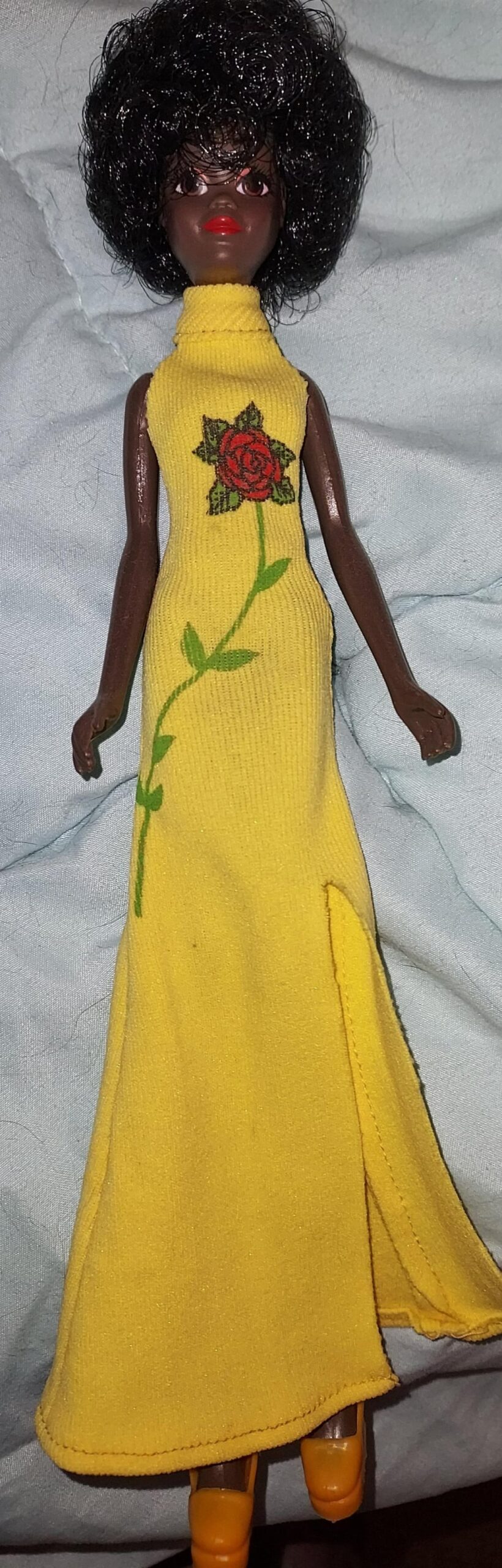
The Hasbro Leggy dolls, introduced in the late 1960s, were renowned for their long legs and chic attire. However, they were discontinued primarily due to shifting fashion trends and preferences. As the 1970s embraced more natural and diverse body types in fashion and beauty standards, the tall, slender look of the Leggy dolls lost popularity.
With the doll market becoming increasingly competitive and the emergence of new toy lines and characters, Hasbro needed to adapt its offerings. These factors, combined with evolving fashion and beauty standards, ultimately led to the discontinuation of the Leggy dolls, marking the end of an era in the world of fashion dolls.
Speak & Spell
The Teen Talk Barbie
Growing Up Skipper
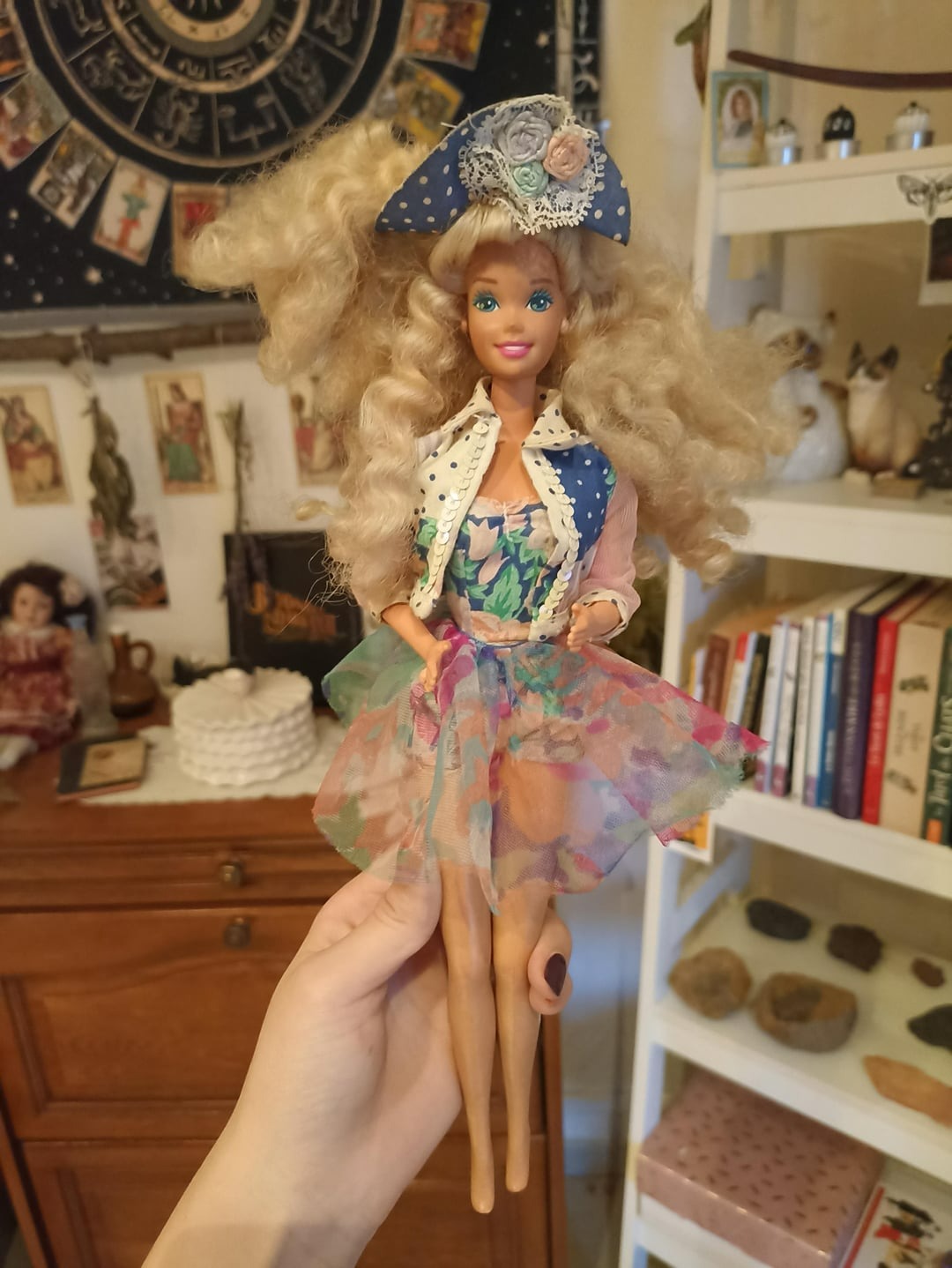
The Growing Up Skipper doll, introduced by Mattel in the early 1970s, aimed to teach children about the concept of aging through a unique feature—twisting the doll’s arm to seemingly make her grow taller and develop a bust. However, concerns arose over its appropriateness and potential impact on children’s perceptions of puberty and body development.
Critics argued that the doll’s feature, suggesting that a girl’s body changes could be manipulated at will, conveyed unrealistic and potentially harmful messages about body image and maturity. In response, Mattel discontinued the Growing Up Skipper doll, reflecting a growing awareness of the importance of responsible and age-appropriate toy design in children’s play.

Rainbow Brite
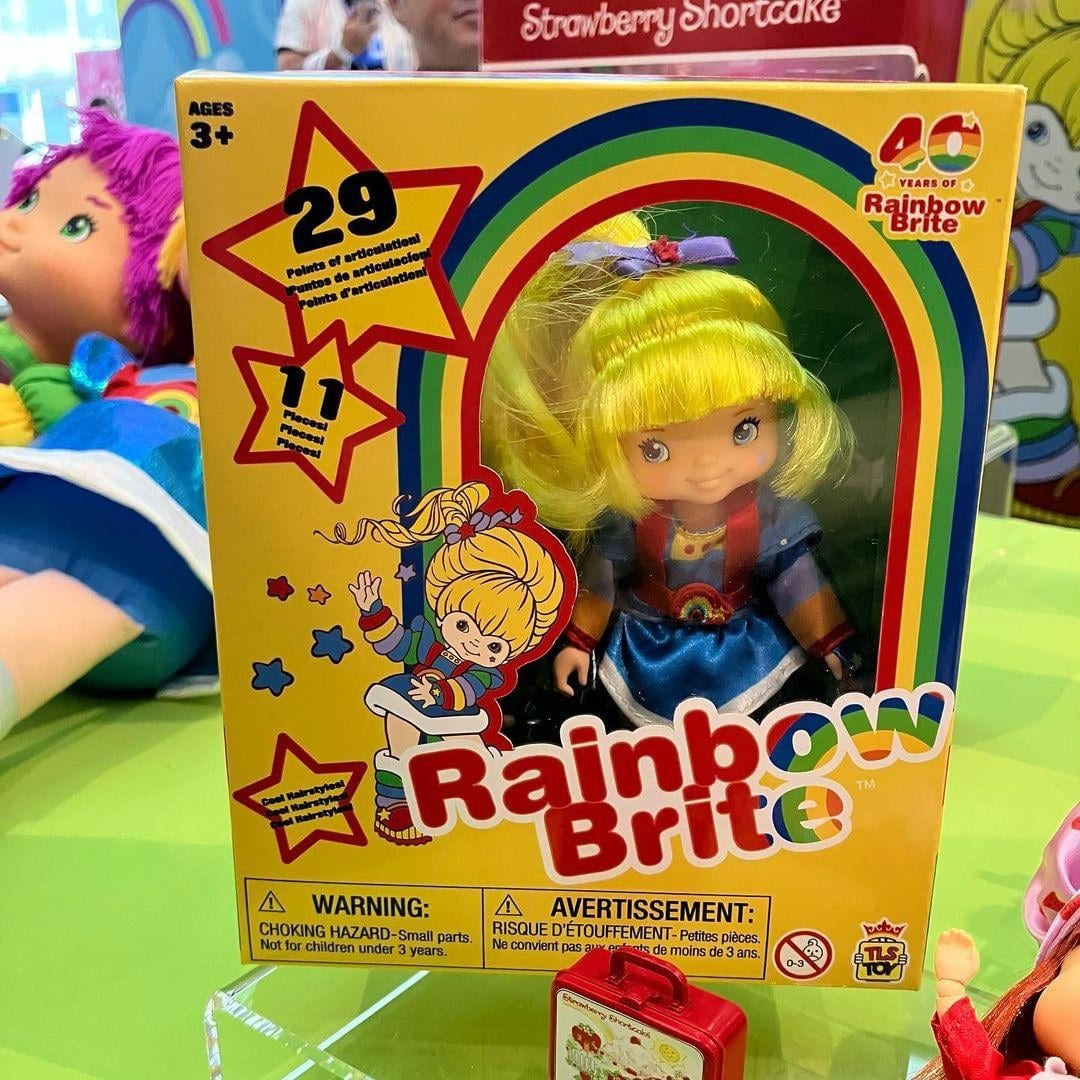
The Rainbow Brite doll, a beloved character introduced in the 1980s, was known for her vibrant appearance and positive messages of spreading joy. However, its initial discontinuation was primarily due to shifting market trends and changes in the toy industry.
As the 1980s gave way to the 1990s, Rainbow Brite’s popularity declined, overshadowed by new toy lines and characters. Hallmark Cards, the company behind Rainbow Brite, shifted its focus to other ventures, contributing to the doll’s discontinuation. Despite this, Rainbow Brite has experienced periodic comebacks and remains cherished among nostalgic adults, highlighting the enduring appeal of retro toys in evoking fond childhood memories.
Chatty Cathy
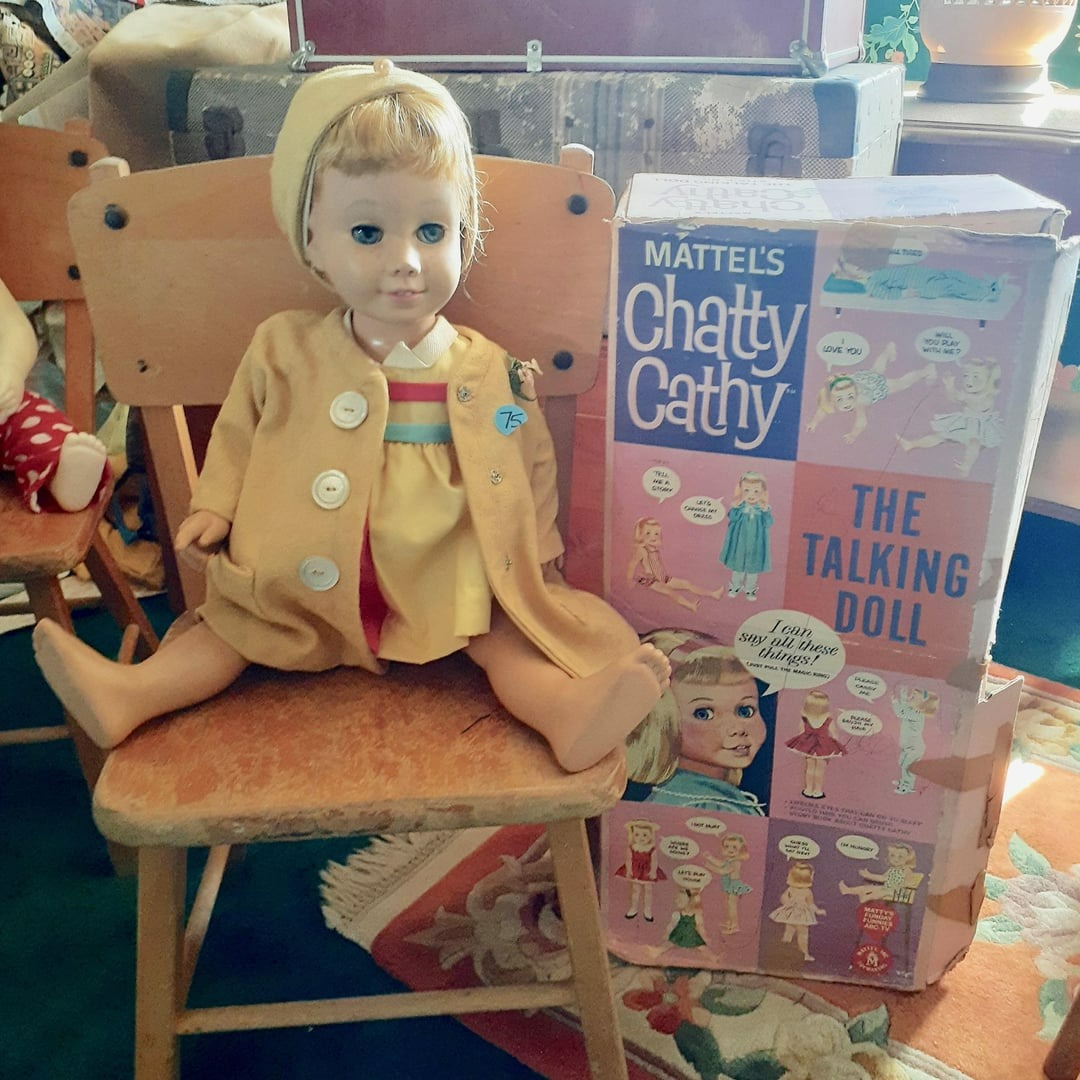
Introduced by Mattel in 1959, Chatty Cathy was a groundbreaking talking doll, captivating children and collectors alike with her ability to utter phrases when a string on her back was pulled. Despite her initial popularity, Chatty Cathy faced discontinuation due to changing consumer tastes and the emergence of new toy trends in the 1960s and 1970s.
The doll’s string-pull mechanism became outdated compared to the electronic and interactive features of newer dolls. Additionally, as societal norms evolved, Chatty Cathy’s wholesome and demure persona was perceived as less relatable compared to more contemporary and diverse doll characters. Despite her discontinuation, Chatty Cathy remains a cherished vintage collectible, showcasing the history of toy innovation in the mid-20th century.
Water Rocket Launcher
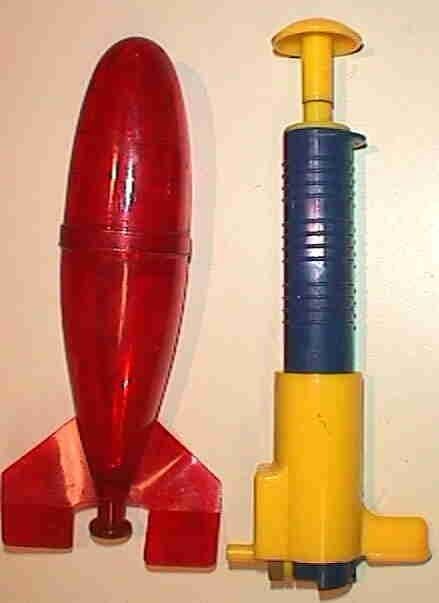
The once-popular rocket launcher toy, featuring plastic rockets launched into the air, faced discontinuation due to safety concerns. While providing exciting outdoor play, accidents and injuries, including eye injuries and bruises, became common. Instances of rockets being launched toward others raised concerns among parents and safety advocates.
Manufacturers faced legal liabilities, prompting the discontinuation of many rocket launcher toys. This decision reflected a prioritization of child well-being in response to safety issues.
Aqua Dots
Aqua Dots, a popular craft toy from the mid-2000s, allowed children to create colorful designs by arranging small beads and fusing them with water. However, their discontinuation was prompted by a significant safety issue. The beads’ coating contained a chemical that, when ingested, could metabolize into the powerful sedative GHB, posing severe health risks to children.
Reports of children falling seriously ill after swallowing Aqua Dots prompted a recall and ceased production due to grave safety concerns surrounding the product.

Teletubbies
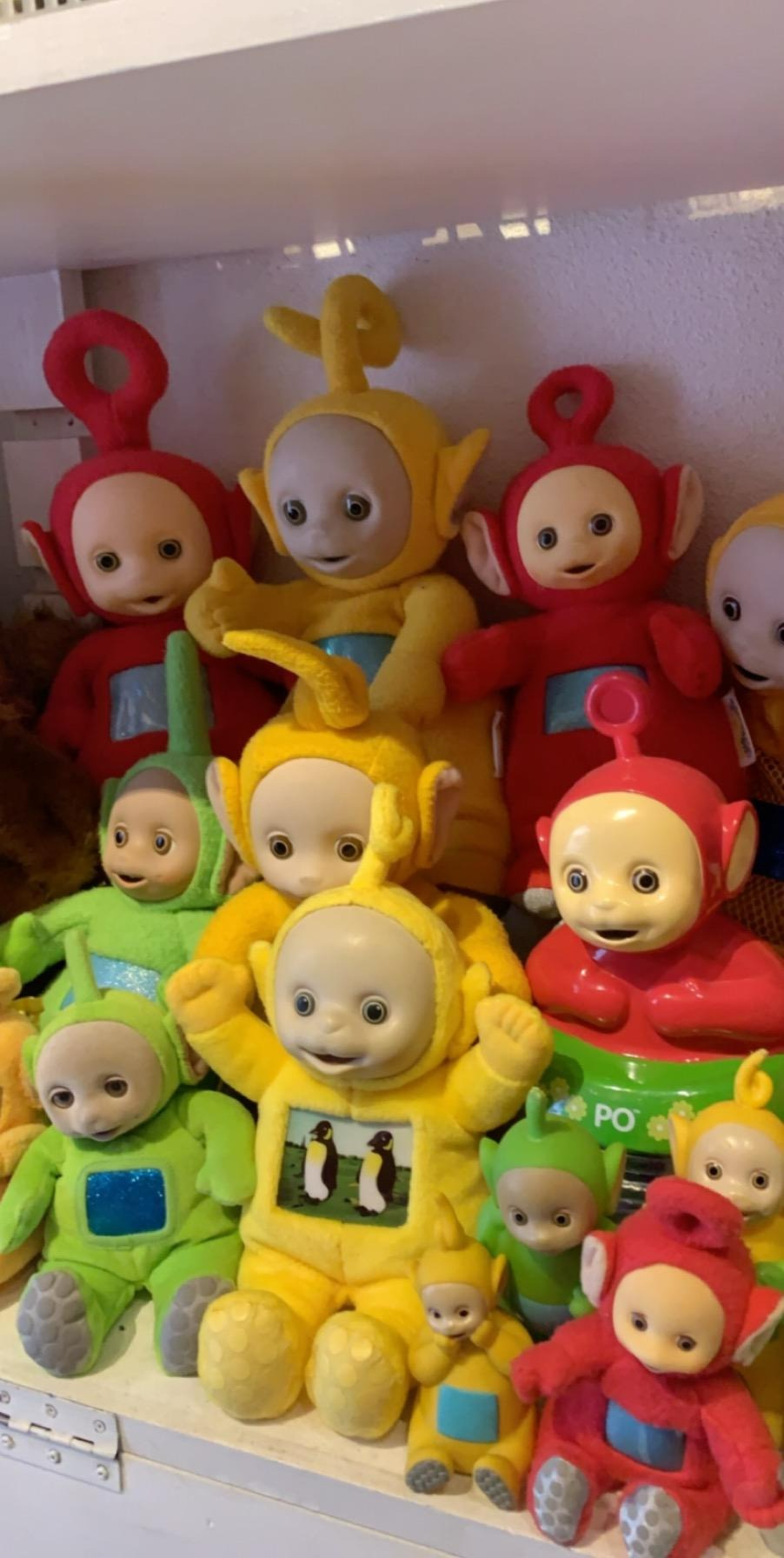
The Teletubbies dolls, inspired by the popular late 1990s children’s television show, initially delighted young audiences with plush versions of the show’s colorful characters. However, their discontinuation was influenced by changing market trends and a decline in the show’s popularity.
As the Teletubbies show lost viewership and appeal, interest in related merchandise, including the dolls, naturally waned. They faced competition from newer and more contemporary children’s characters and toy lines. Despite being taken off the market, the Teletubbies dolls hold nostalgic value for those who grew up watching the show and remain collectibles for fans of the beloved series.
Magnetix
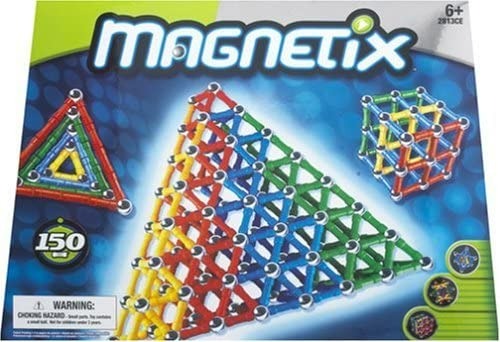
Magnetix, introduced in the early 2000s, were construction toys featuring small, powerful magnets for building various structures. Despite their popularity, they were discontinued due to safety concerns. Reports of children swallowing or inhaling the magnets led to serious health risks such as intestinal blockages and respiratory problems, even resulting in tragic incidents.
The U.S. Consumer Product Safety Commission issued recalls and warnings, prompting manufacturers to redesign the toys and implement safety measures. Despite these efforts, declining sales and consumer trust led to Magnetix’s discontinuation.
Please SHARE this with your friends and family.


