


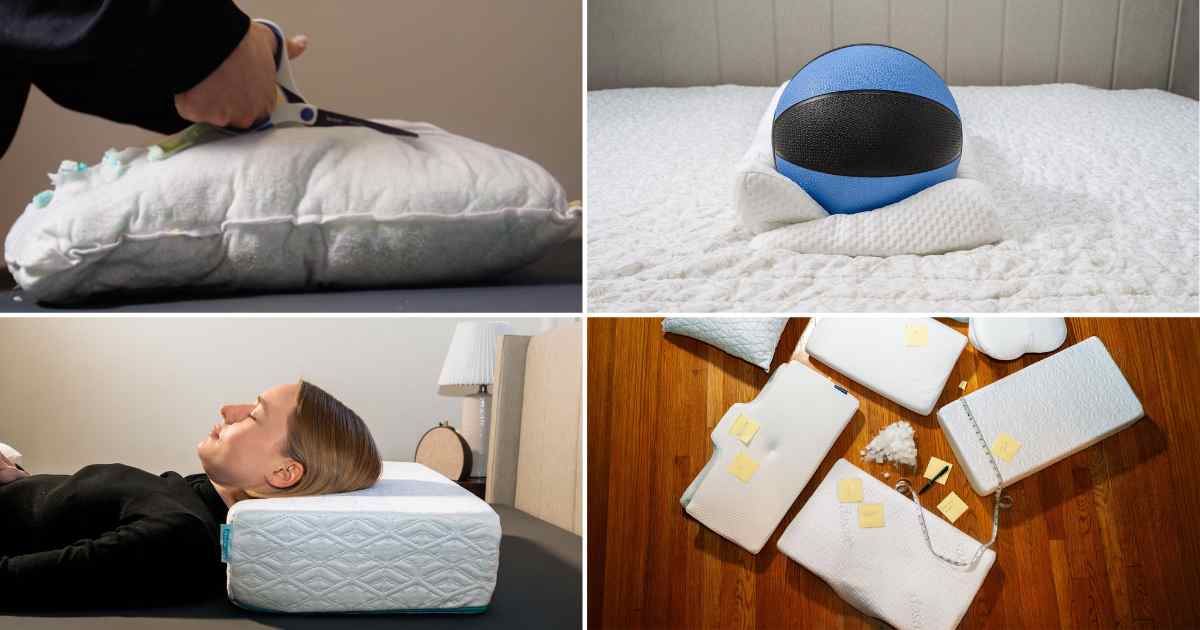
I bought 7 of the most popular pillows on the market, ran three structured tests on each one, and documented everything — including cutting them open to see what the fill actually looks like under pressure.
For me, the best pillow should keep my neck aligned whether I’m on my side or my back, hold its shape through the night, and be made from materials that actually last. I’m not looking for something that feels good in the store and fails by 3am.
The ideal pick relies on real, proven construction — things like contoured memory foam, certified materials, and a pillow that actually supports your spine.
How We Tested
After testing them all, here’s how they ranked
Current Top Deals
Early Fall Sale on the top pick.
- Dosaze Contoured Orthopedic Pillow – Buy 1, Get 1 Free (50% Off)
The Skinny: Our Favorite
Things to Look For in a Pillow
- Side sleeping support – the pillow must fill the gap between your head and shoulder completely. If there’s any downward tilt in the neck, it fails this test.
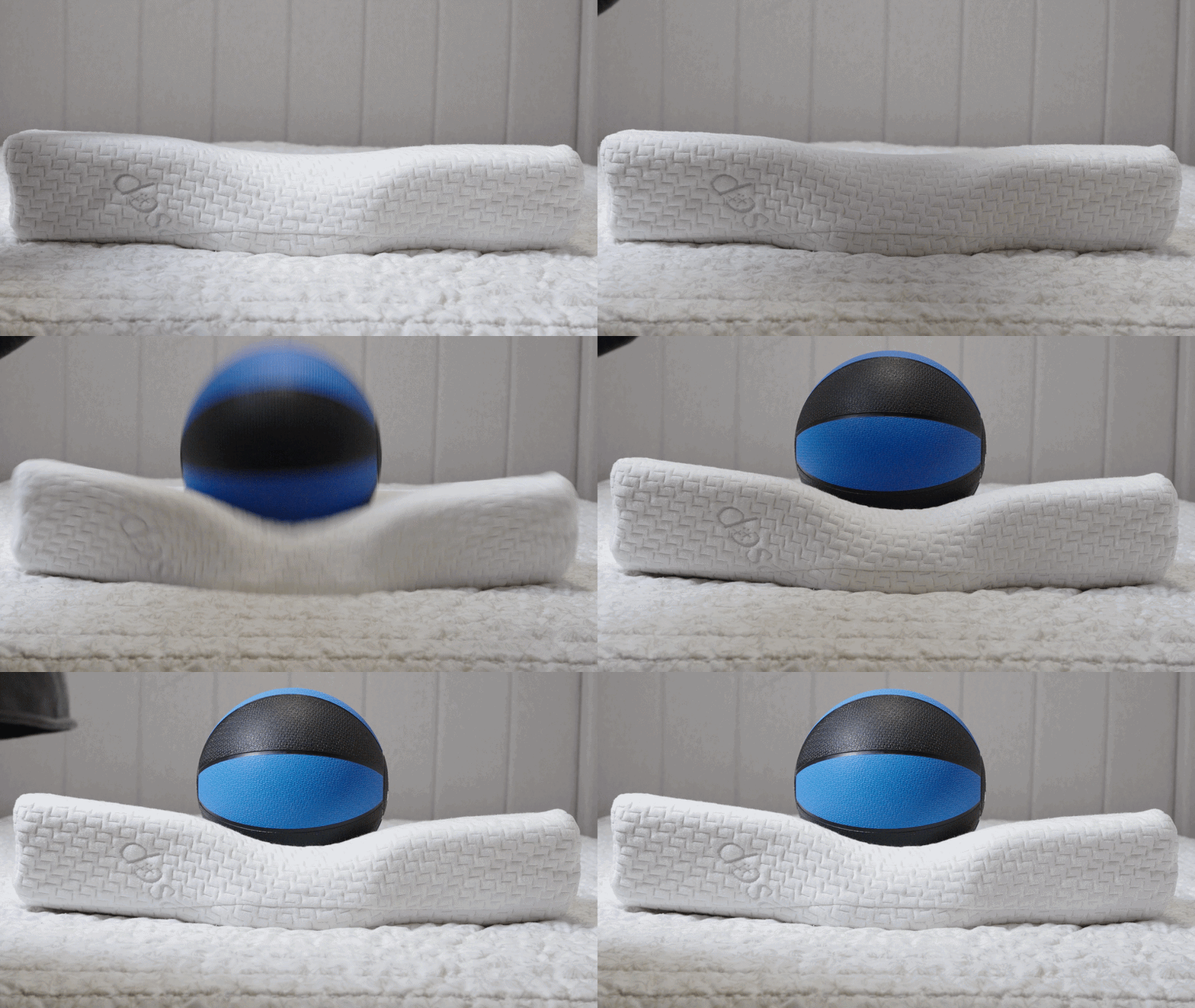
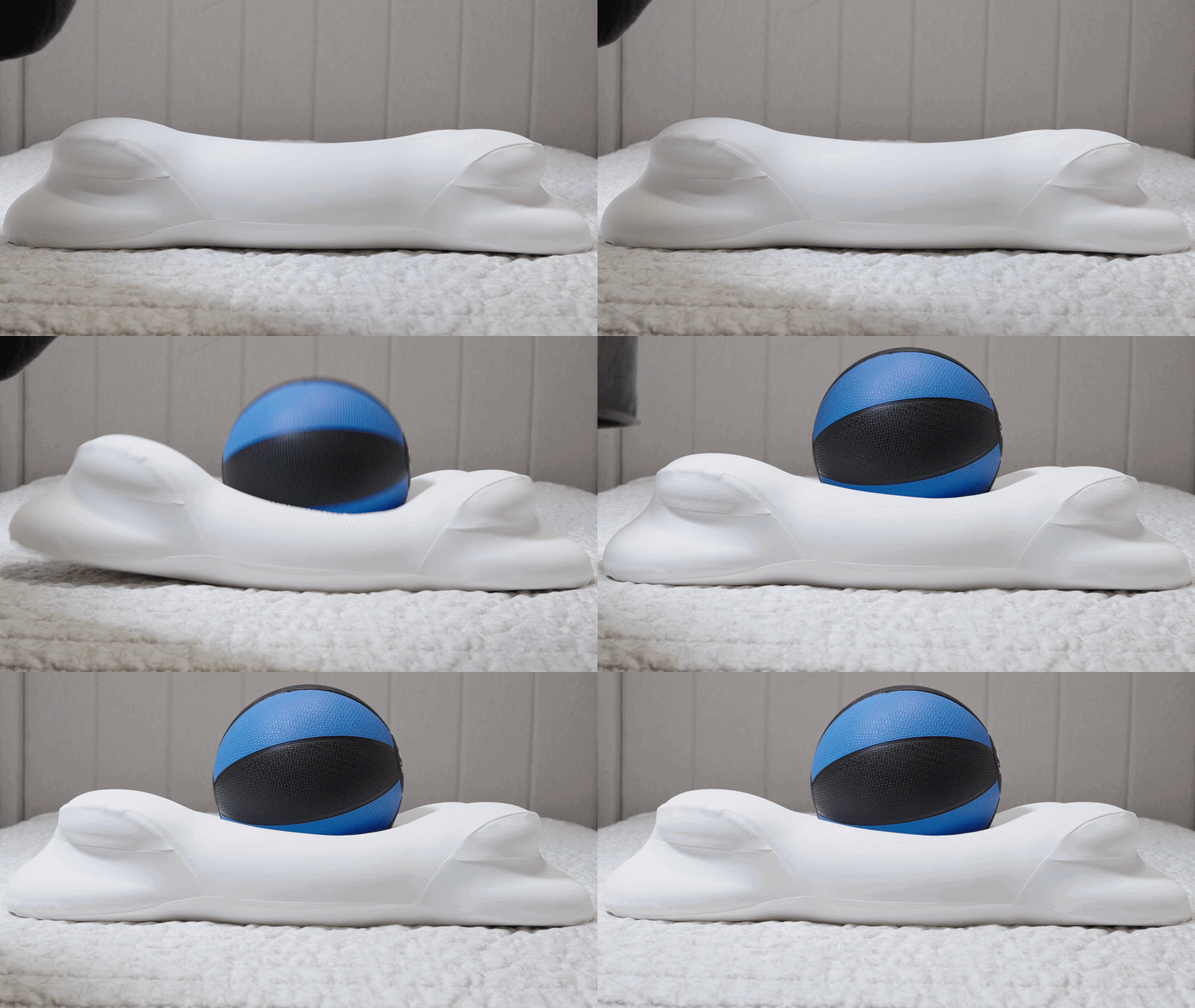
- Support recovery – a pillow that compresses and doesn’t bounce back is no longer supporting you by 3am. The ball drop shows this in 5 seconds.
- Position compatibility – most pillows work for one sleep position. If you move at night, you need proof it handles both. Alignment photos don’t lie.
- Trial and returns – you need to actually sleep on a pillow to evaluate it. A real trial with free returns removes all the risk.
Things to Avoid
- Polyester fiber fill or Recycled Memory foam fill – scored 1–2 in every fill test. It spreads under load, compresses permanently, and is inside most budget pillows.
- Fixed loft – you need to be able to adjust your sleeping position throughout the night and still have the same level of alignment and support.
- No return policy – one major brand in this test doesn’t accept pillow returns at all. If the size is wrong, you’re out of luck. Check policies before you buy.
Your pillow is the one thing between your head and eight hours of either aligned, restorative sleep or misaligned, pain-inducing pressure. Even if your mattress is dialed and your sheets are perfect, the wrong pillow can undo all of it. The right one keeps your neck neutral, your spine aligned, and your sleep uninterrupted.
This article was written in a paid partnership with SBLY.
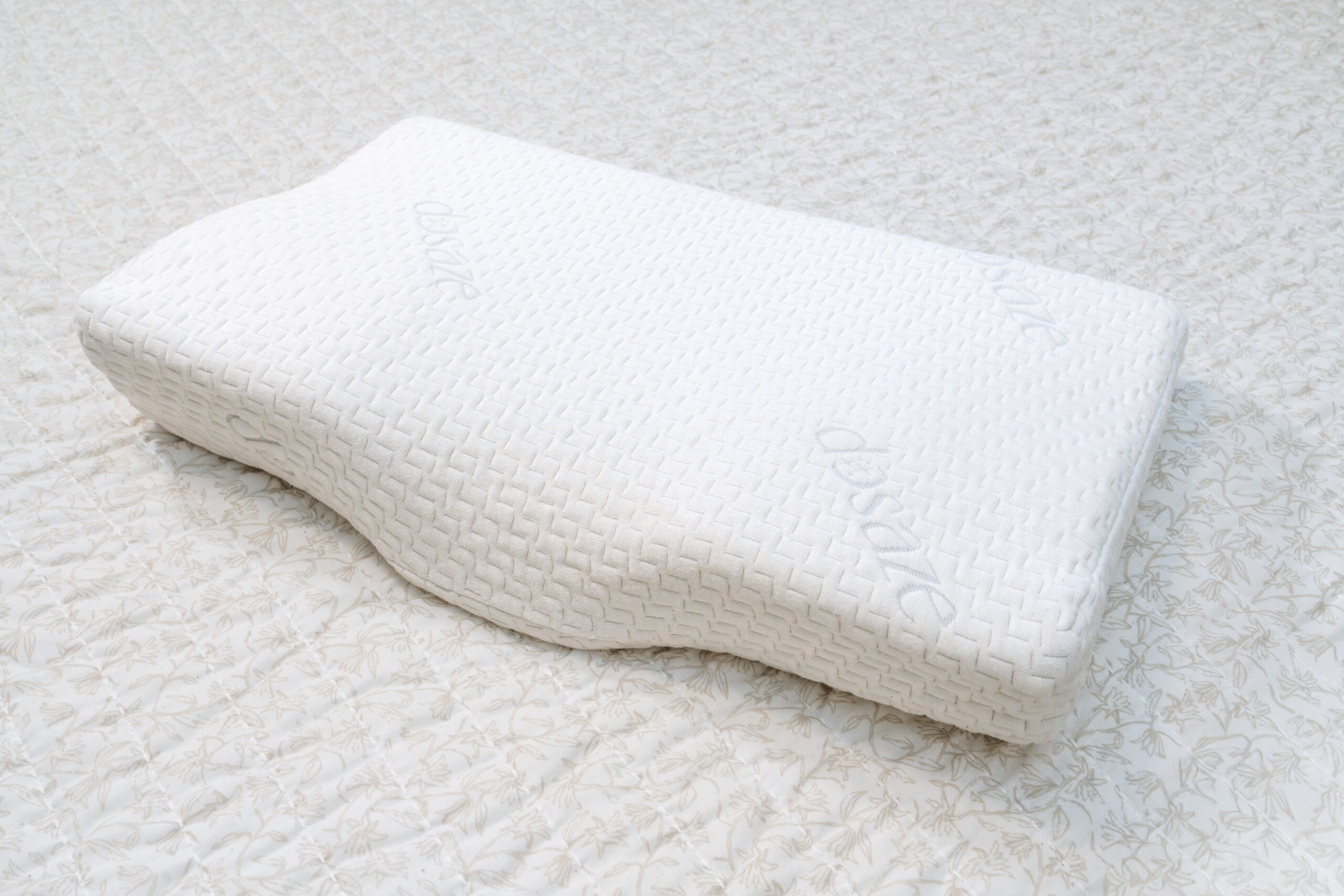
Dosaze Contoured Orthopedic Pillow
Pros
Cons
The Bottom Line
After testing everything, the Dosaze Contoured Orthopedic Pillow stood out not because it excelled in one area, but because it managed to deliver on all of the things I was looking for. Here’s how it performed across each test.Read Full Dosaze Review
Early Fall Sale: the Dosaze Contoured Orthopedic Pillow is buy one, get one free right now, which works out to 50% off two pillows while the sale lasts.
Test 1: Support
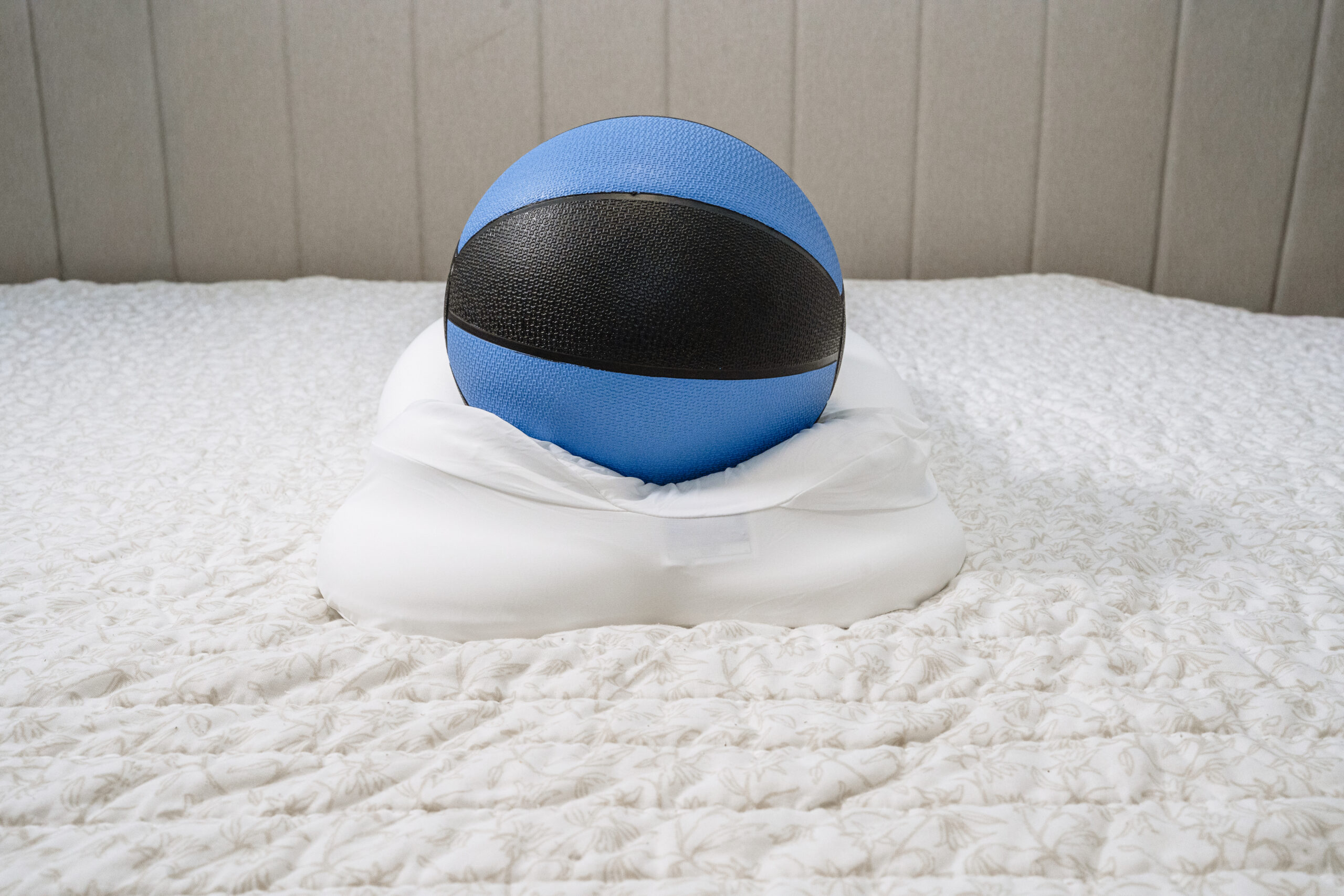
The med ball sank in without the pillow bottoming out. The foam compressed and then recovered — fast. No other pillow in this test did both of those things as cleanly.
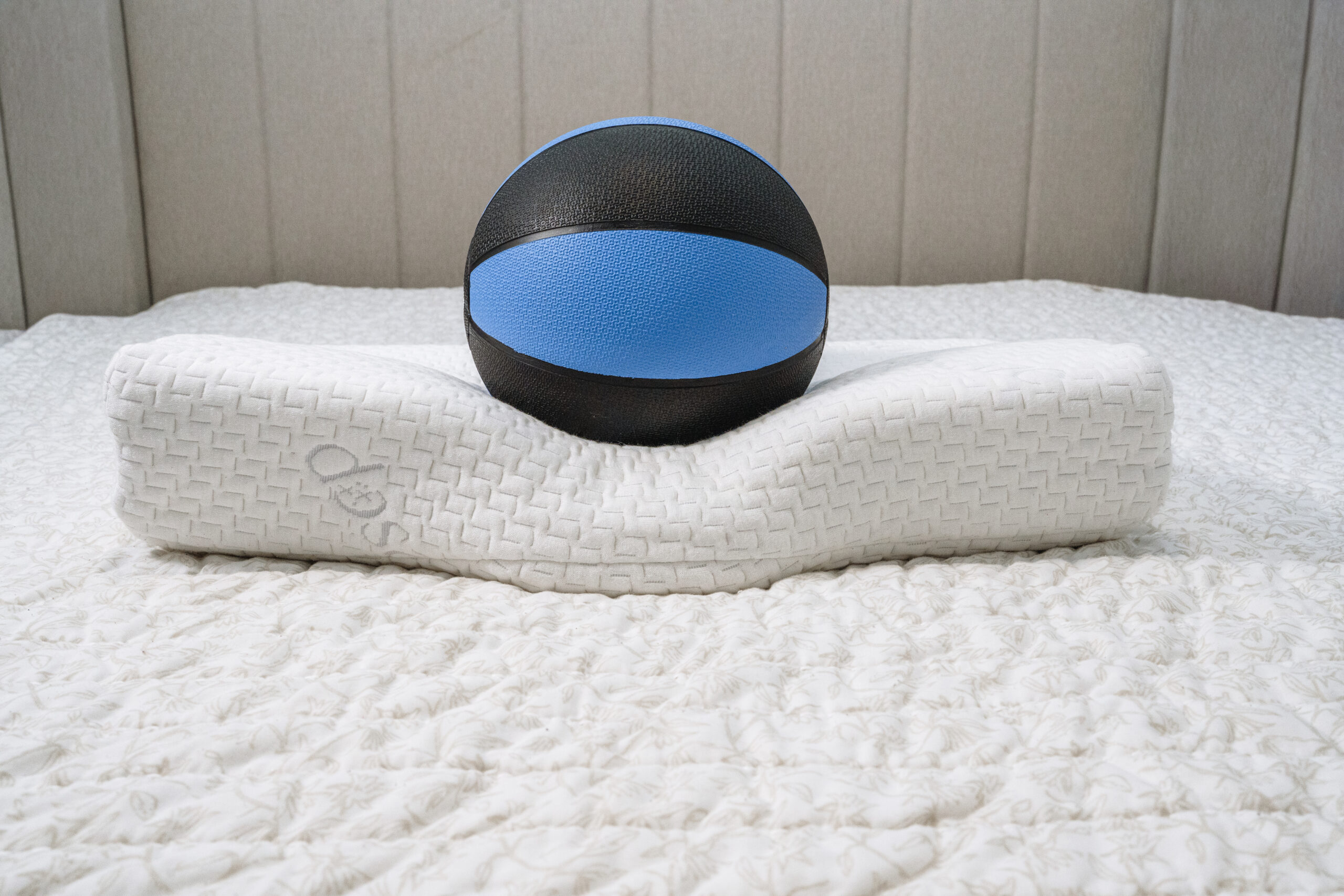
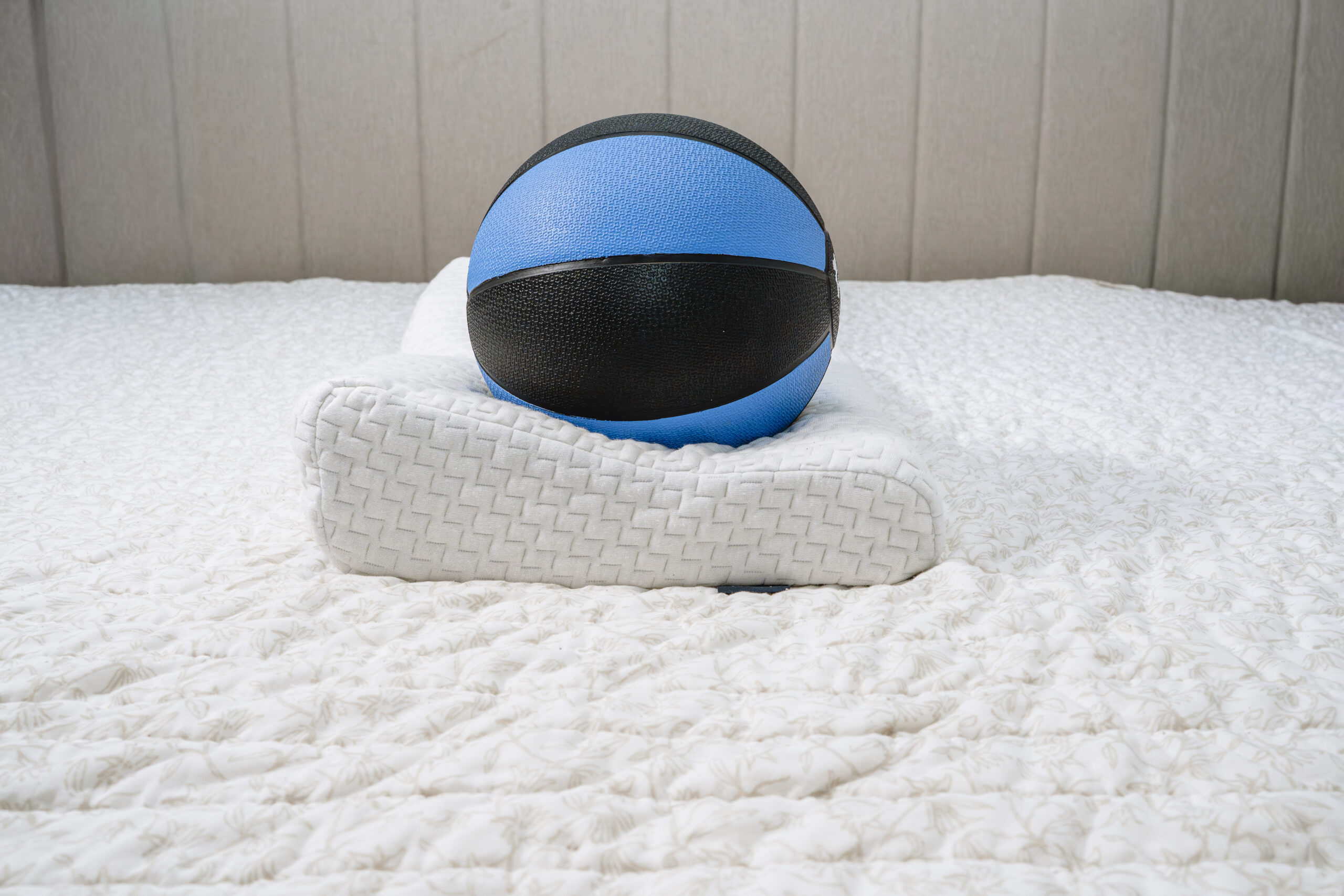
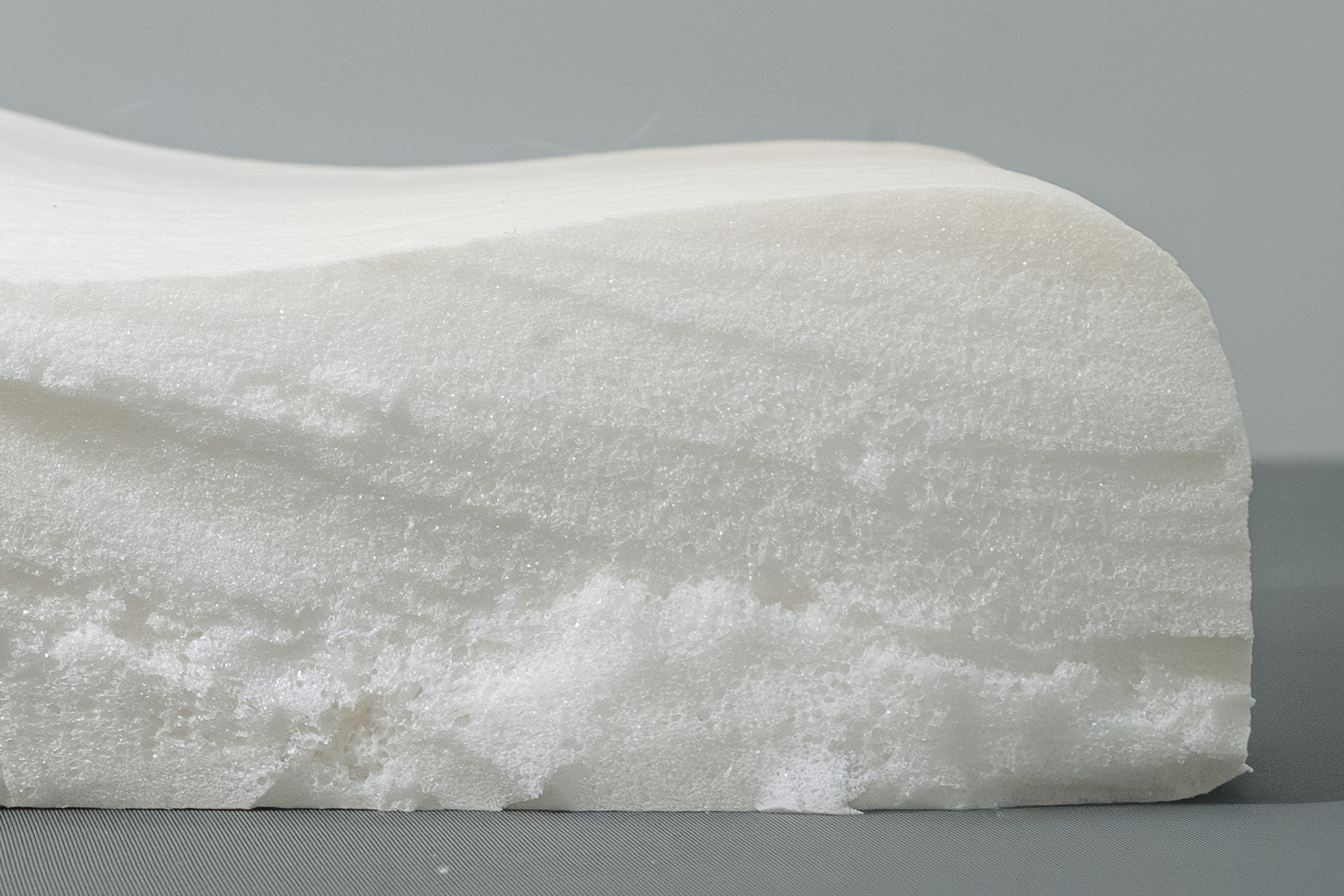
Inside, it’s solid CertiPUR-US certified memory foam — no cheap filler, no fiber bundles, no mixed material that’s going to clump after a few months. This is where it pulled ahead of everything else I tested. The Coop’s adjustable fill required trial and error. The Tempur-Pedic forced a position choice. The Pillow Cube was unusable on your back. The Dosaze addressed all of those gaps by blending real structural support with genuine position flexibility.
Test 2: Alignment
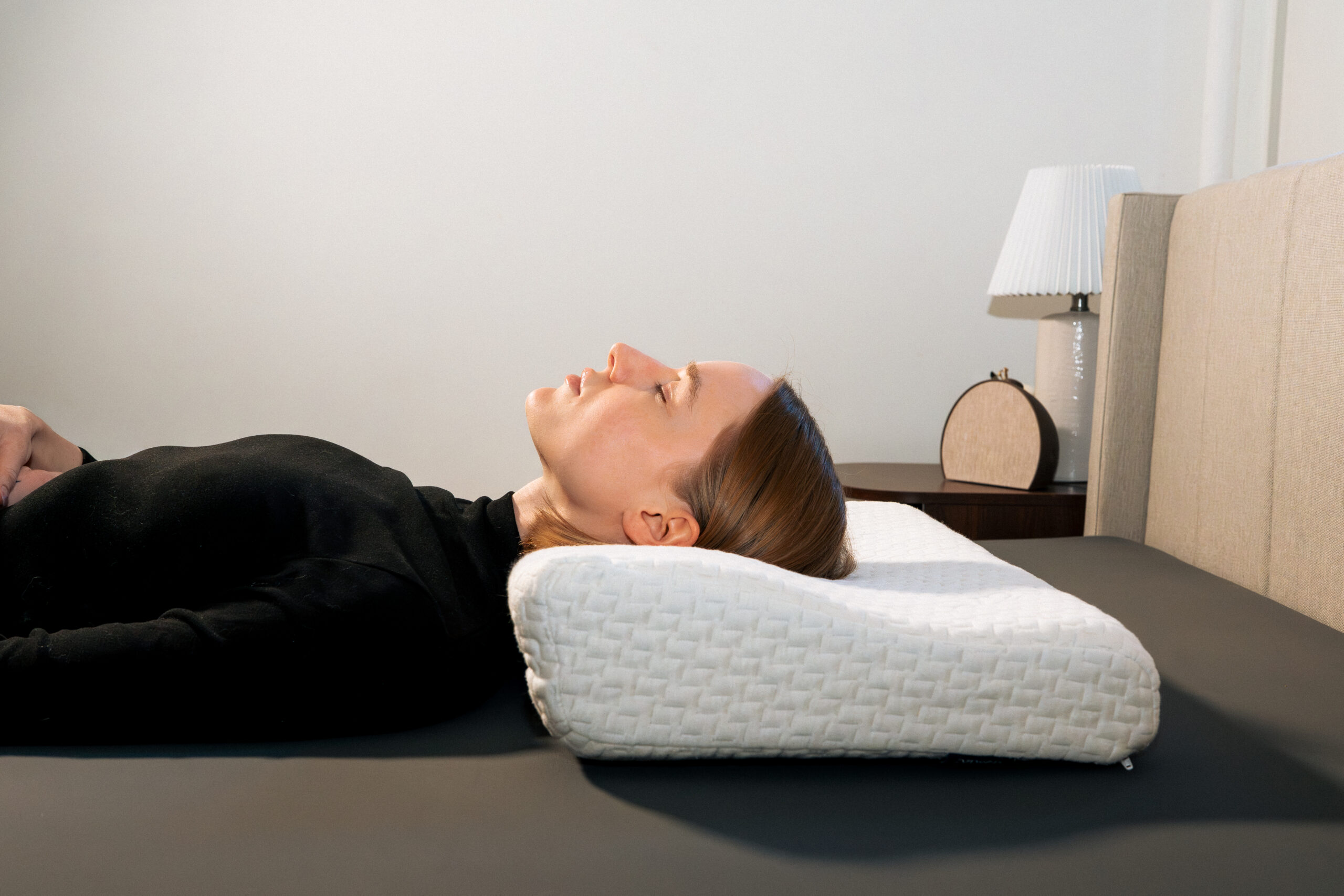
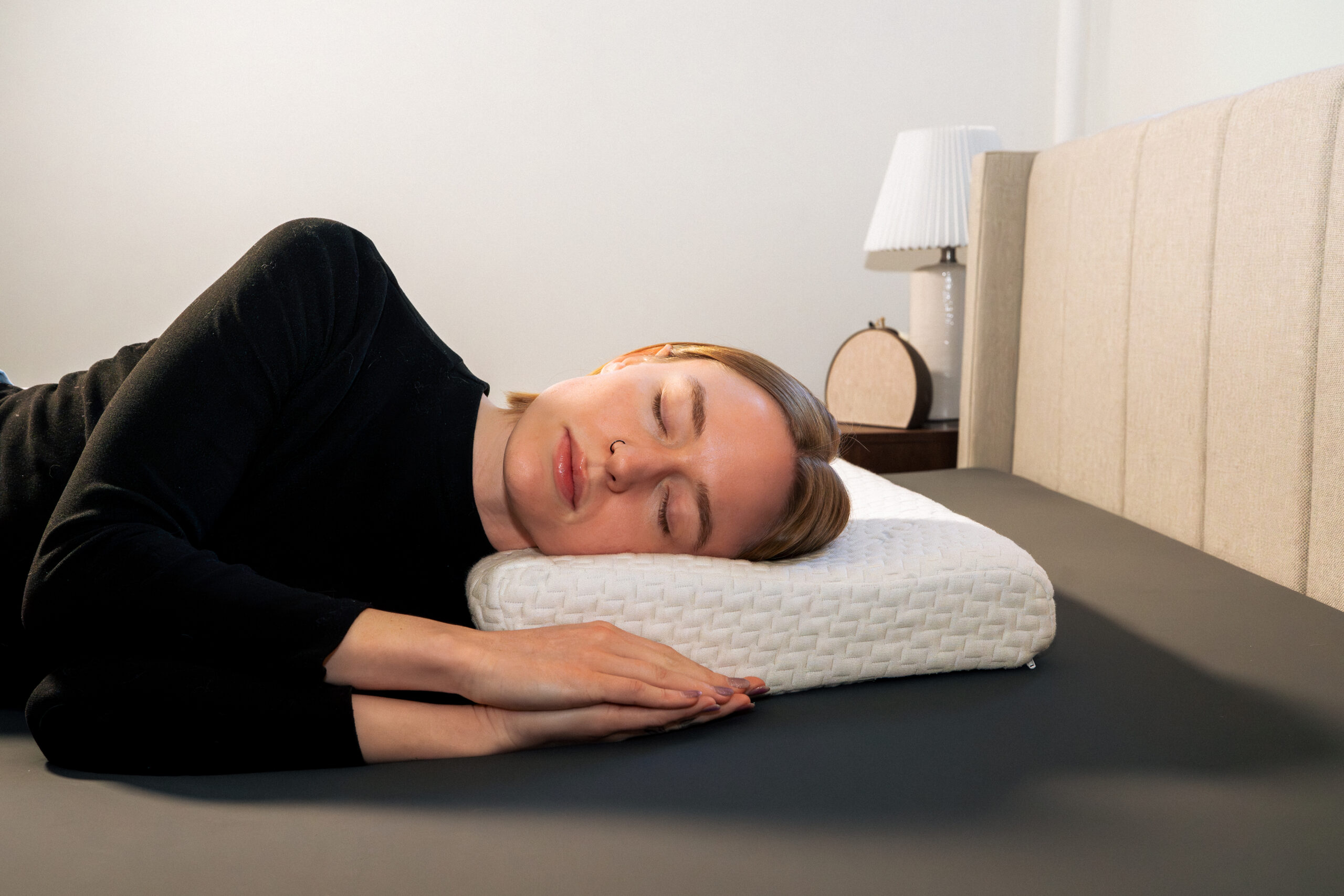
Side sleeping alignment was neutral — ear, shoulder, and hip in line. Back sleeping was the same. No other pillow in this test nailed both positions without any modification. The contoured foam does the work — the wing sections cradle your neck on your side, and the center keeps your neck in a natural curve when you’re on your back. You lie down, and it just works.
Test 3: Fill
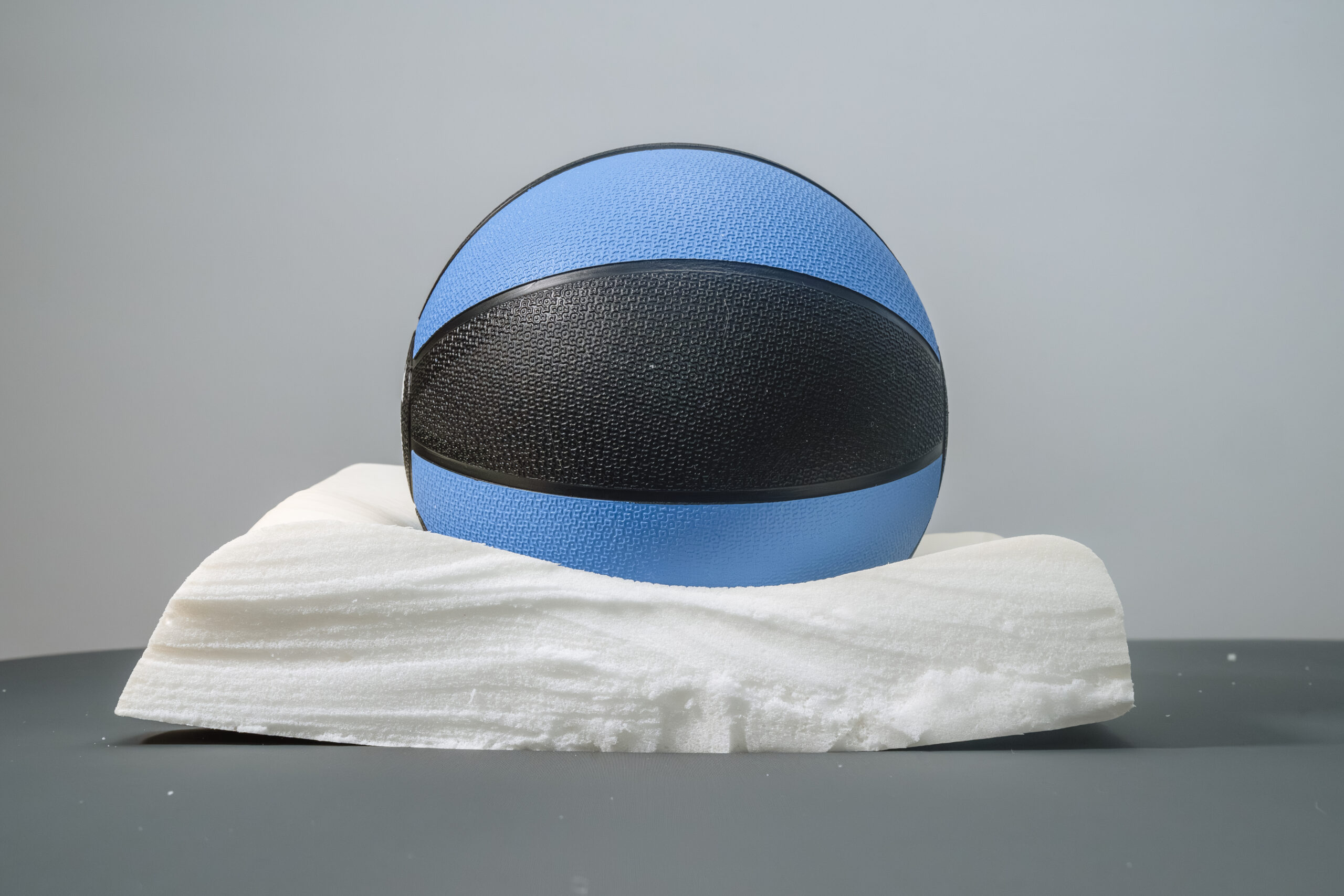
Solid contoured memory foam throughout — no cheap filler, no fiber bundles, nothing that’s going to clump or flatten after a few months. Under the ball it held its shape exactly where it needed to. This is what quality foam actually looks like.
On top of that, Dosaze backs it with a 60-night risk-free trial and a 10-year warranty. Most other brands don’t come close — the Tempur-Pedic doesn’t even accept returns on pillows. Some brands claim they have free returns, but require you to ship it back to CHINA (for more than the cost of the pillow). Knowing I could test it without risk made the quality feel that much more compelling.
Verdict: The most versatile pillow in this test. If you’re waking up with a stiff neck or sore shoulder, the pillow is almost always part of the answer. Based on everything I tested, the Dosaze is the one I’d replace it with.
CURRENT OFFER: Dosaze is running a Buy 1, Get 1 Free promotion on their pillow. If you’ve been sleeping on the wrong pillow, this is worth checking out while the deal lasts. Grab one here.
⭐ Why We Picked Dosaze as the Best
After testing every pillow, the Dosaze stood out for one reason: it was the only one that delivered consistent alignment in both side and back sleeping — without requiring you to flip it, adjust the fill, or pick a position. Add in the 10-year warranty and 60-night free trial, and it’s the easiest recommendation in this test.
Testing Breakdown
Coop Home Goods Original Adjustable Pillow
Pros
Cons
The Bottom Line
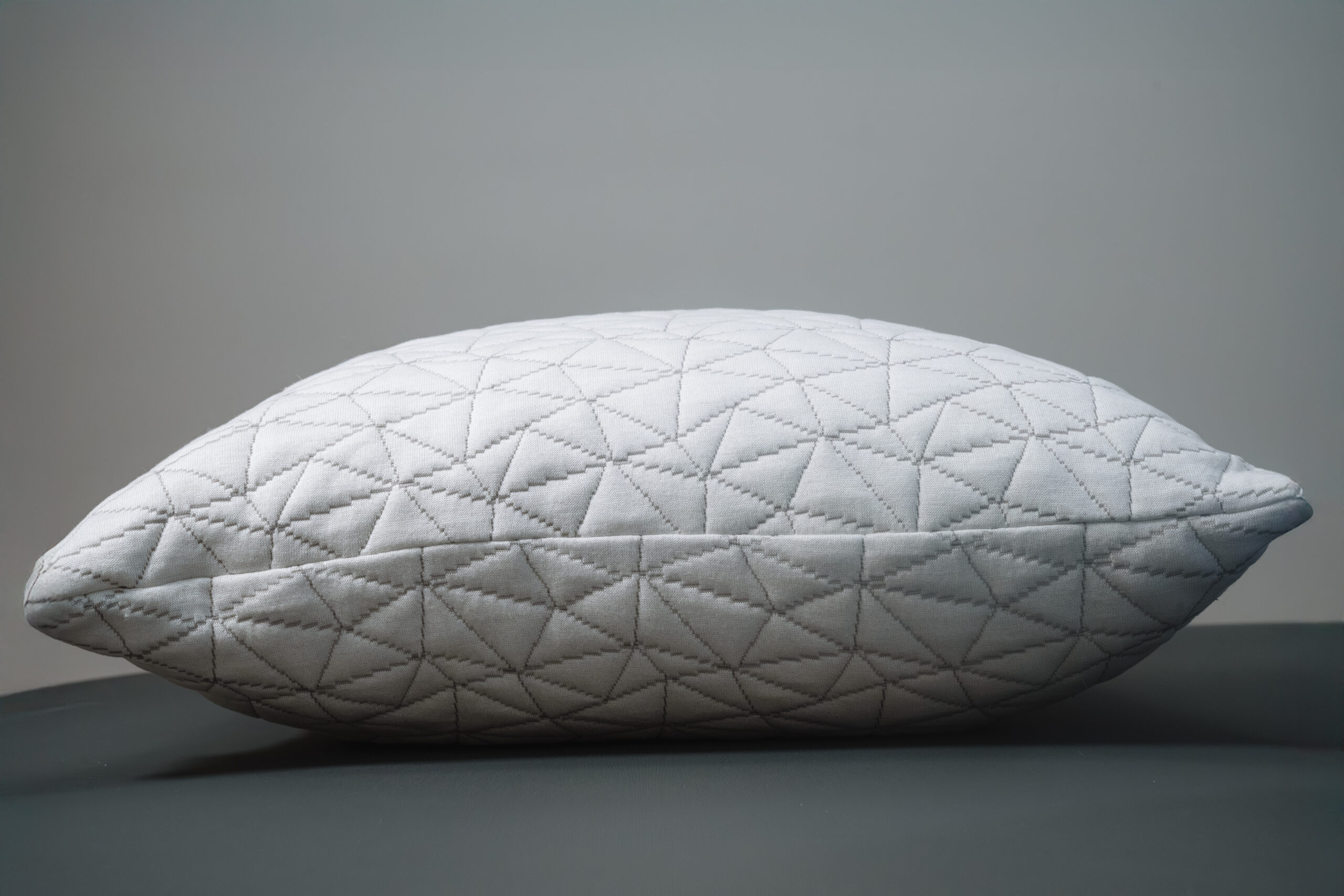
The Coop Home Goods is one of the most-reviewed pillows on Amazon, and it earns most of that attention. The adjustable fill is real — not just a marketing line — and for dedicated side sleepers, the default loft worked well right out of the bag.Read Full Coop Review
Test 1: Support
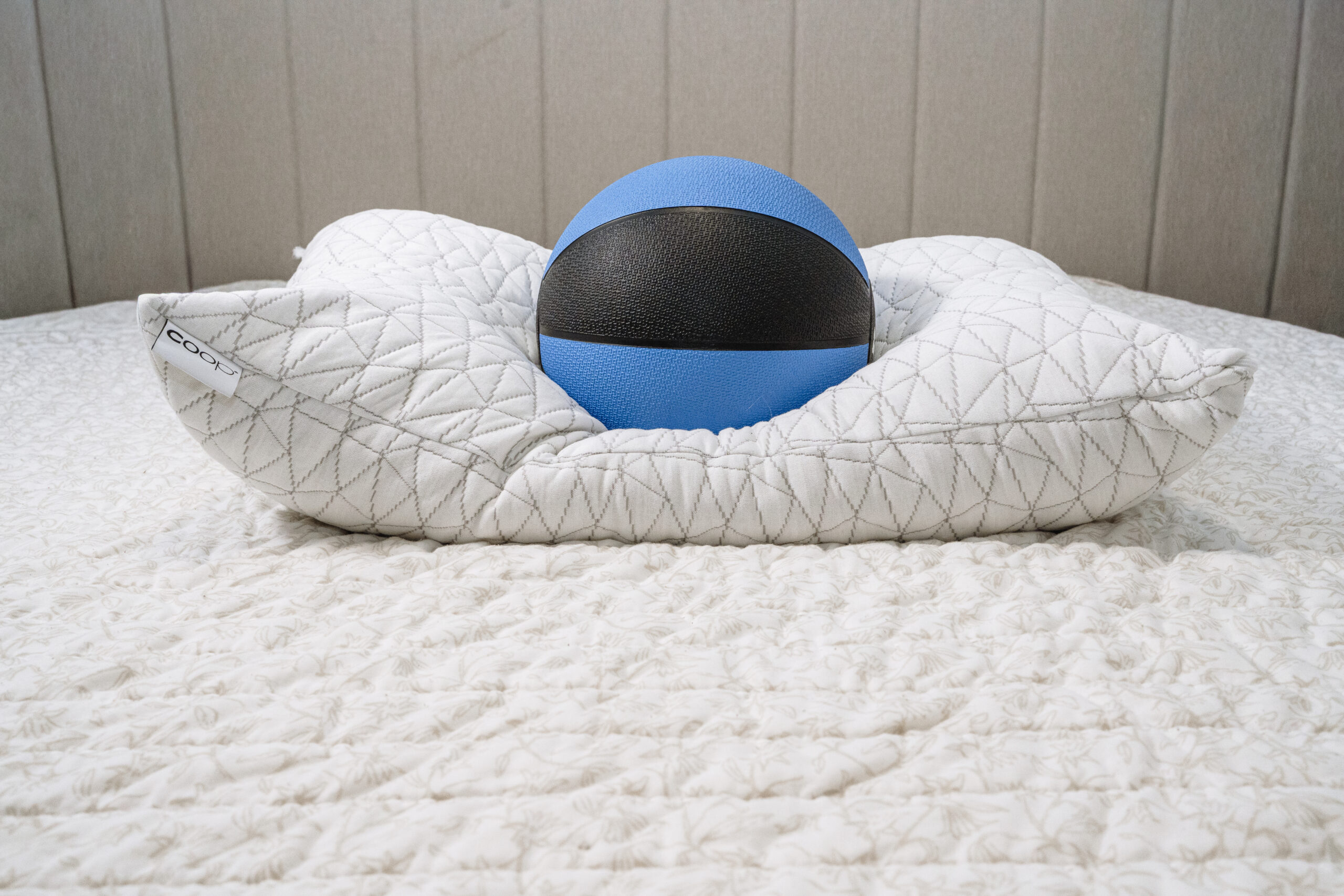
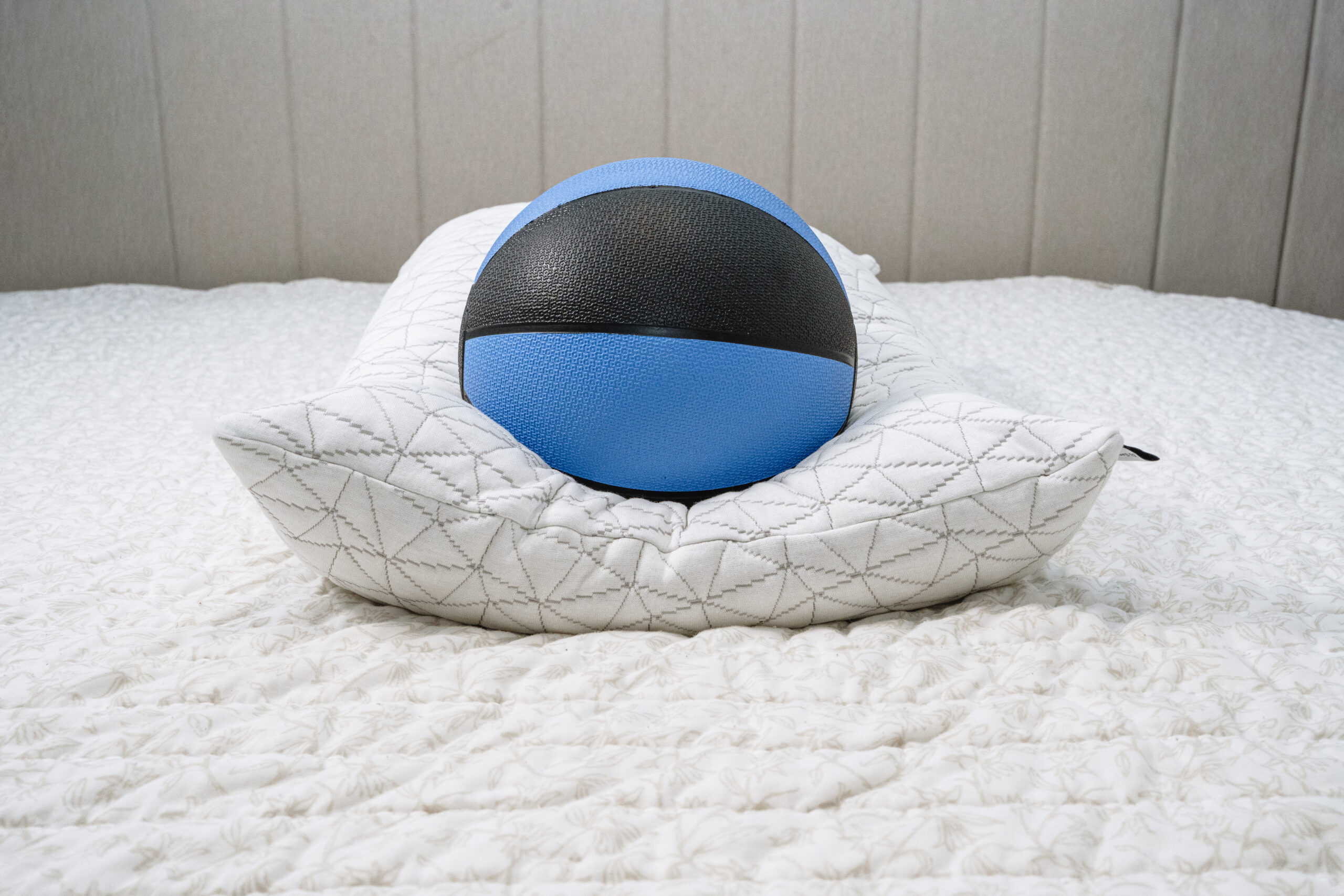
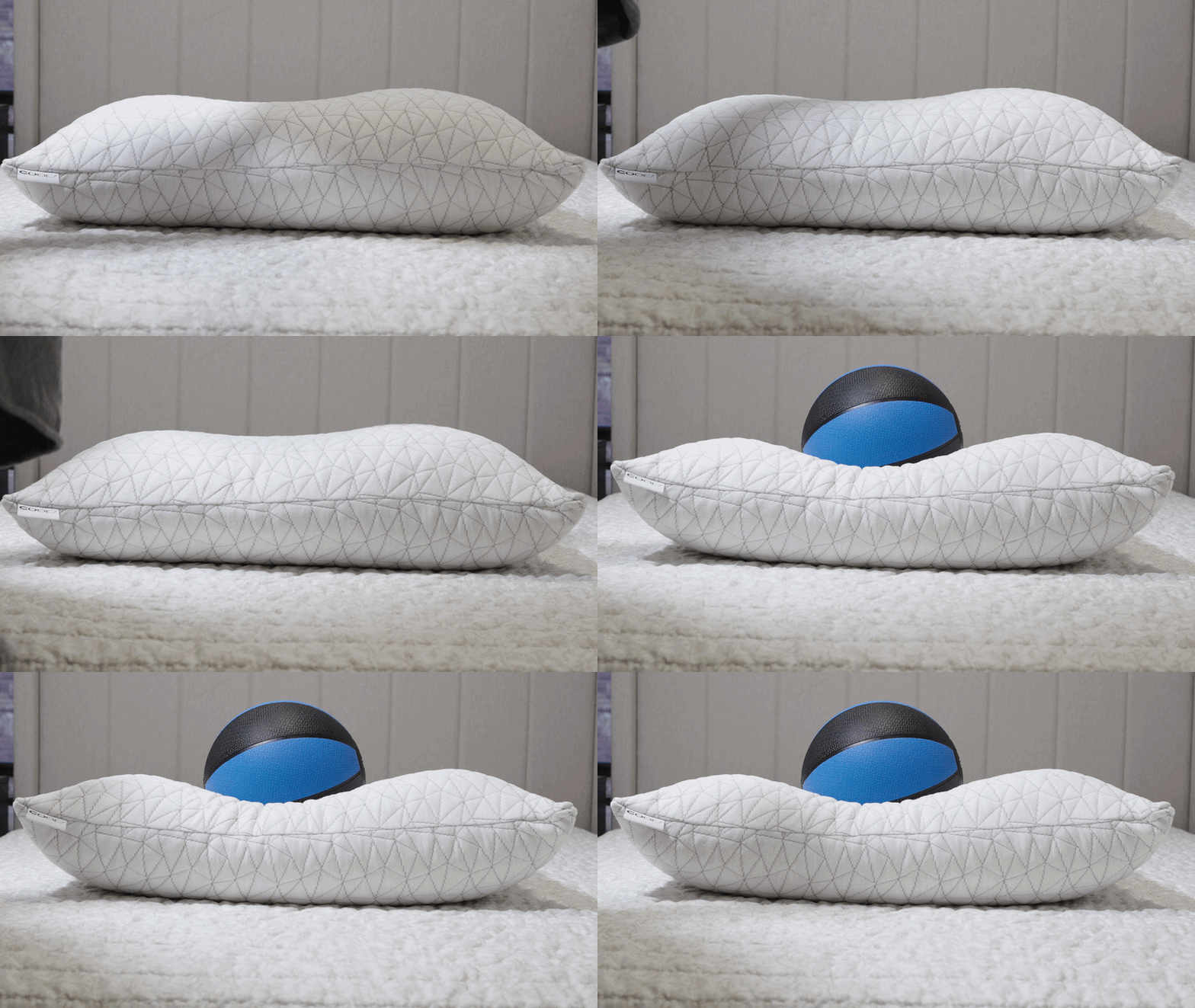
The ball sank into the Coop and recovered well — not as fast as the Dosaze, but noticeably quicker than the budget options. The cross-cut memory foam blend gives it good bounce-back. No bottoming out.
Test 2: Alignment
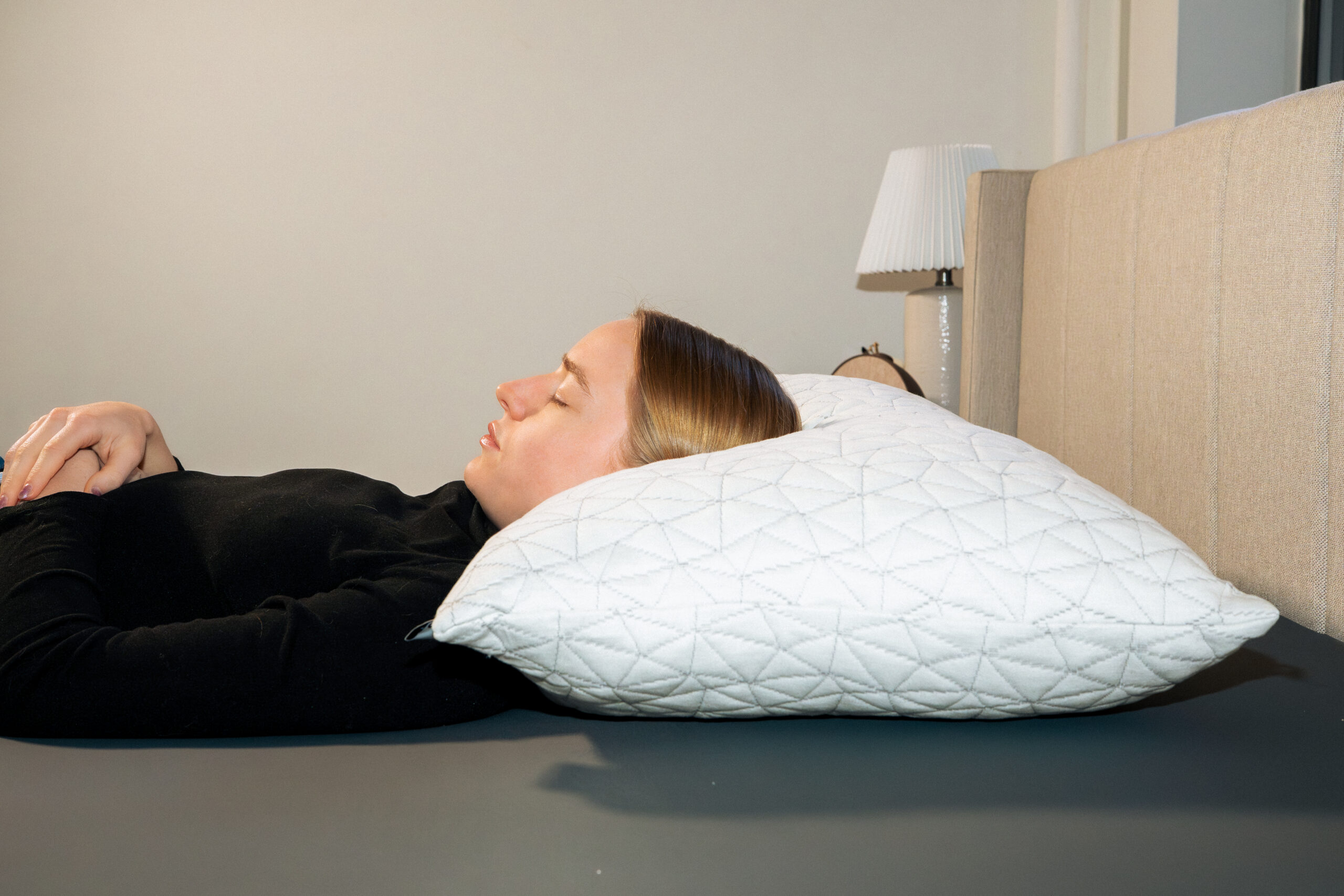
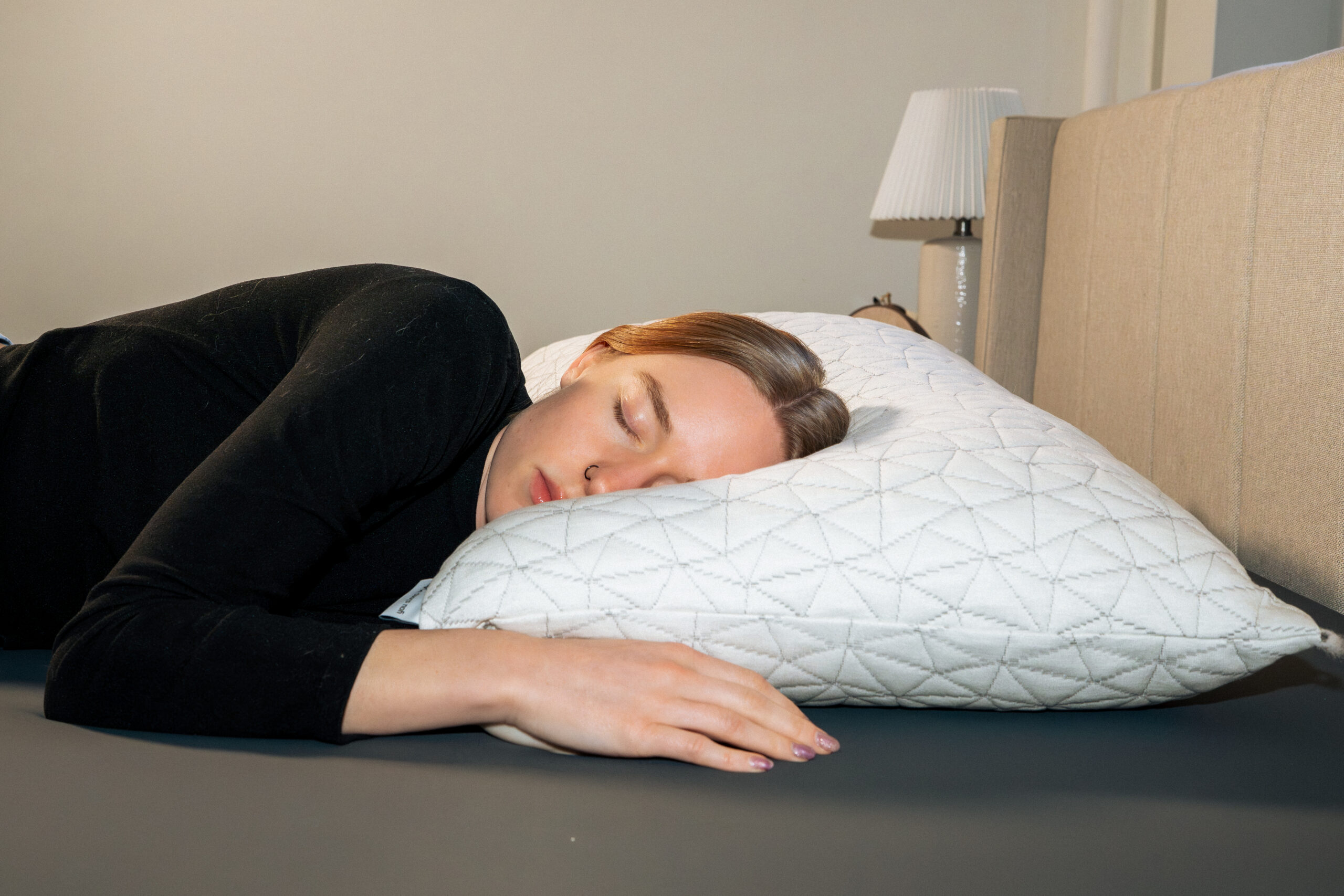
Side sleeping at default fill? Aligned. Flip to your back and your head gets pushed forward — too tall. Remove enough fill to fix back sleeping and it’s now too low for side sleeping. You can find a sweet spot, but you’re still choosing between positions.
Test 3: Fill
Inside the Coop is a cross-cut memory foam and microfiber blend. It’s quality fill — better than polyester by a wide margin — but the microfiber component will lose loft faster than solid foam over time. Under the ball, it held shape well but showed more give than single-material options.
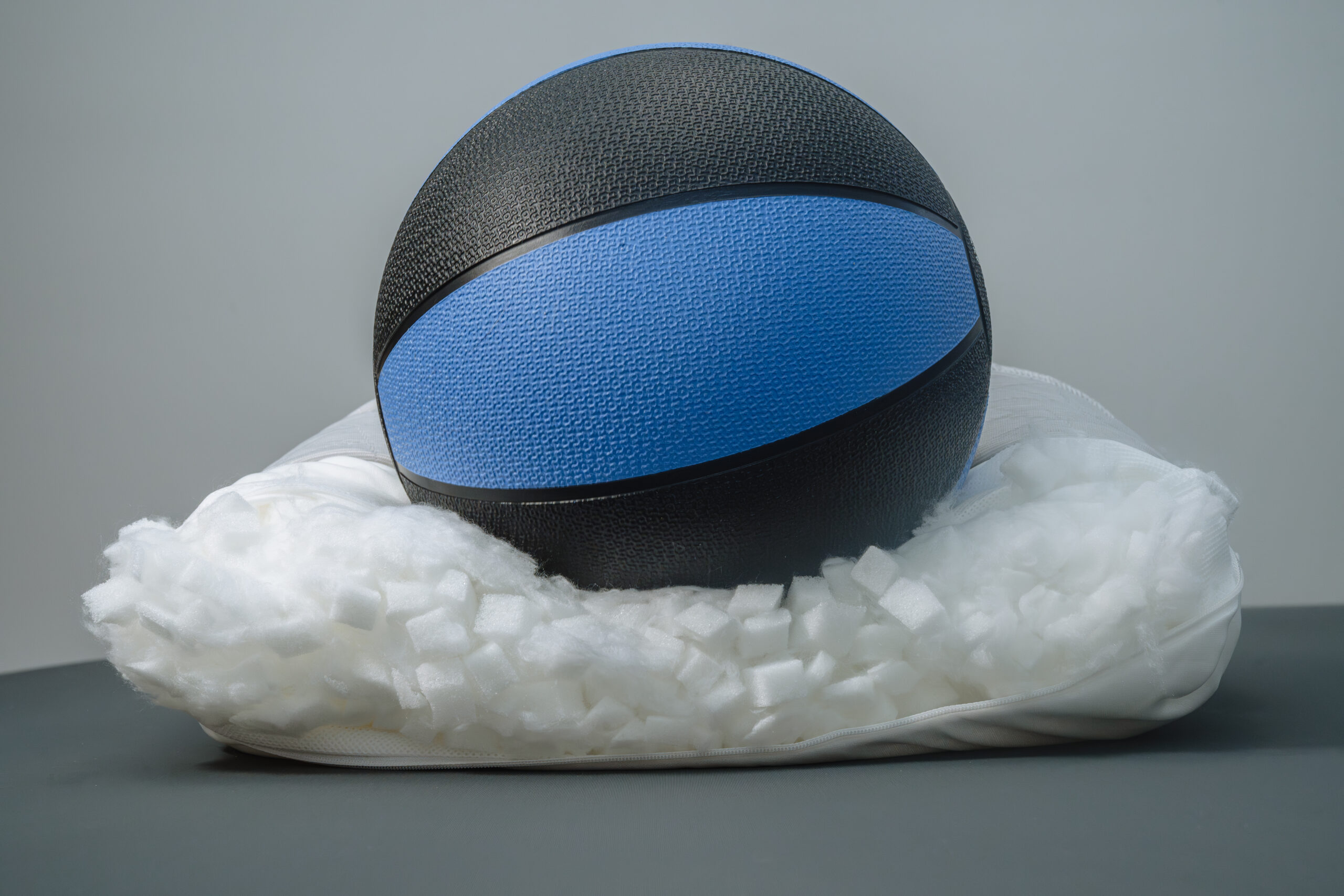

Verdict: For someone who sleeps strictly on their side and wants adjustable loft at a lower price point, it’s a very strong choice.
Testing Breakdown
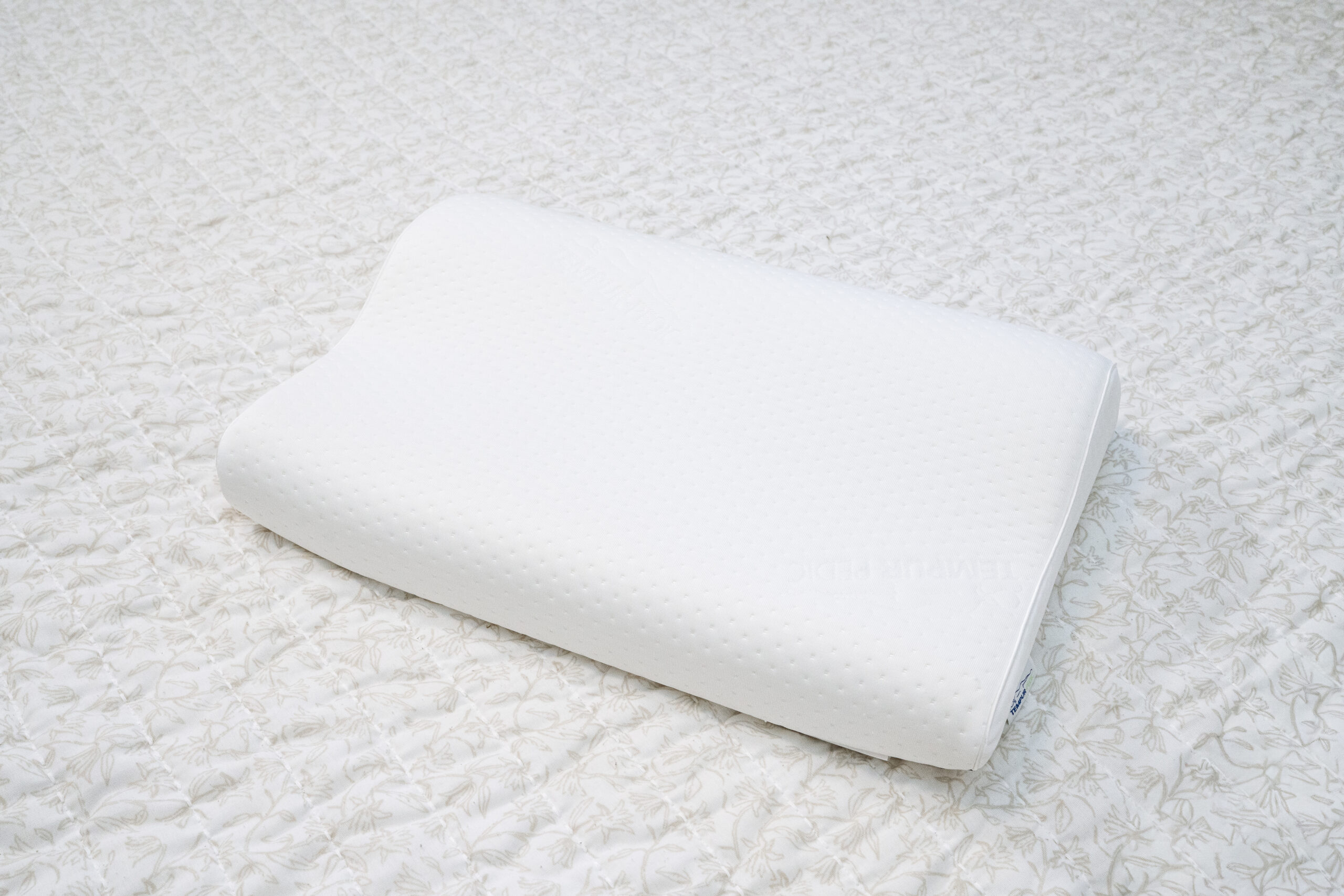
Tempur-Pedic Neck Pillow
Pros
Cons
The Bottom Line
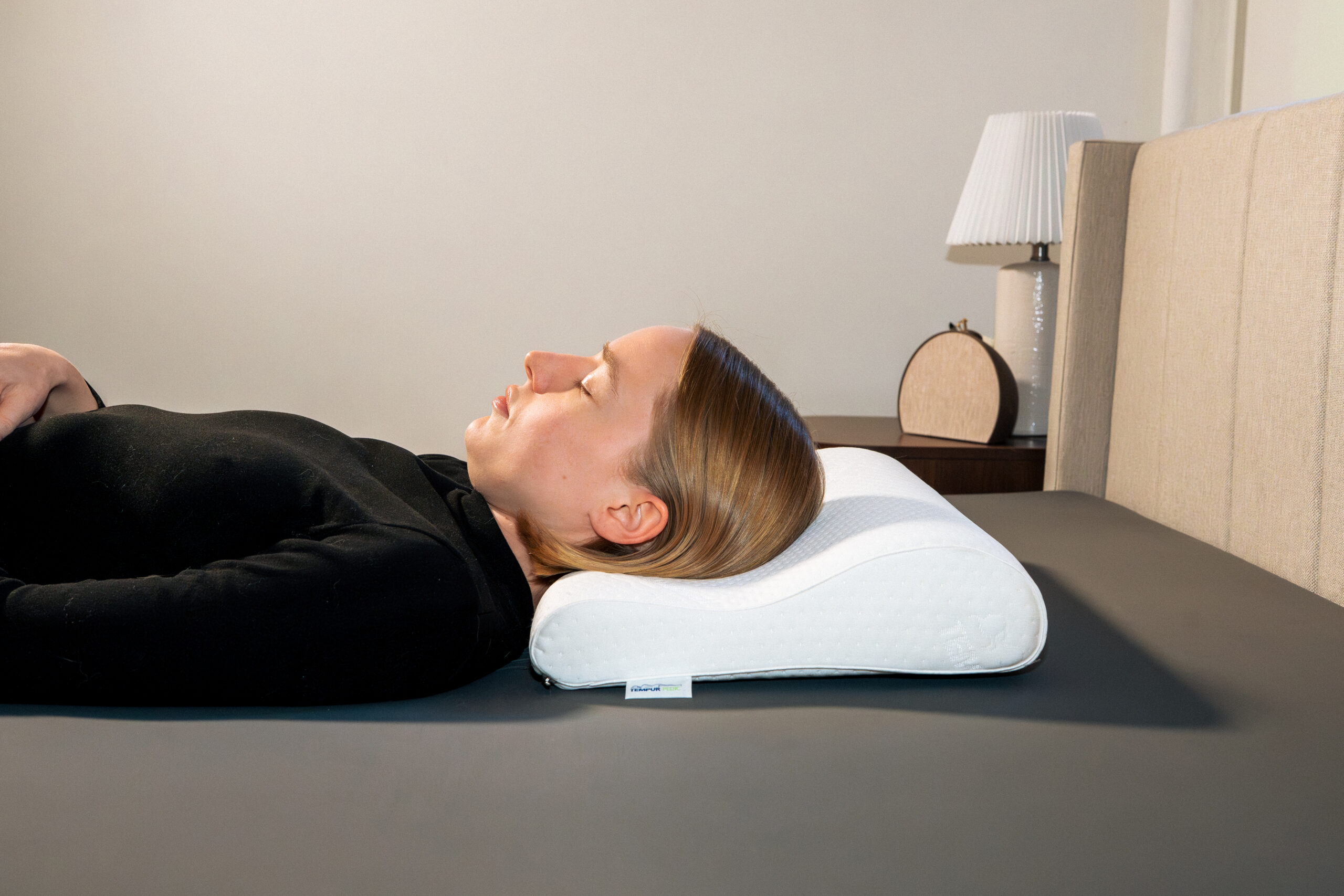
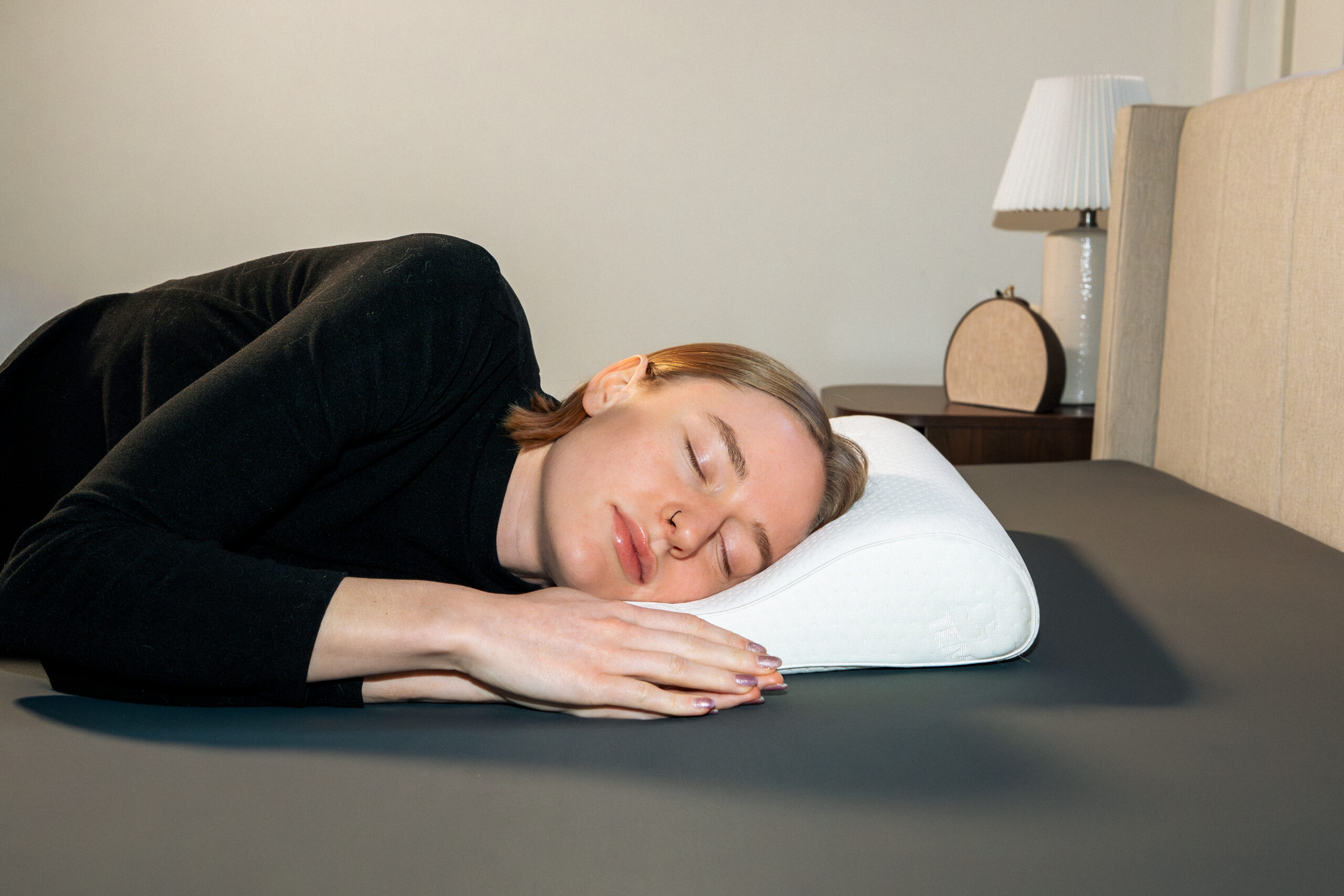
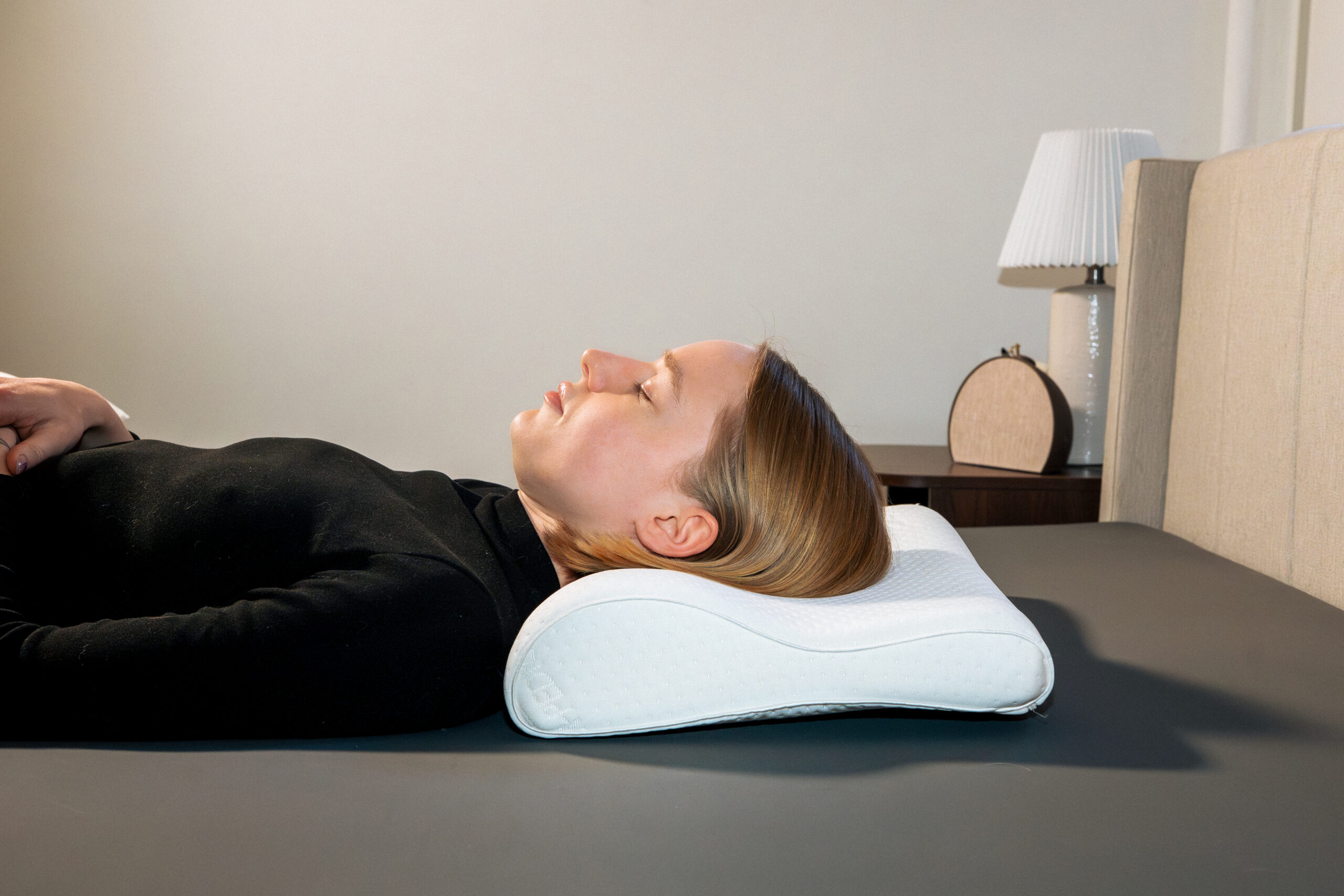
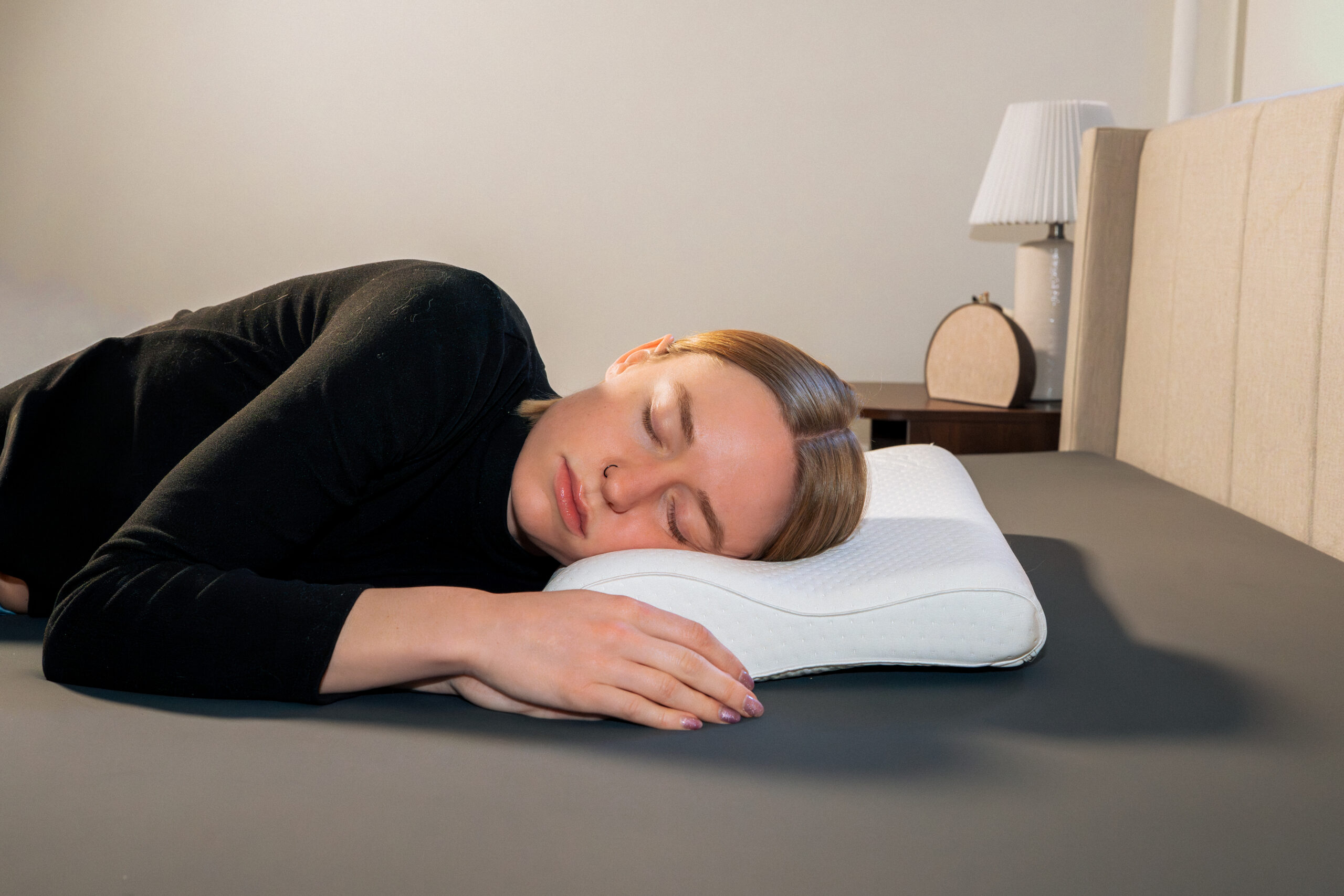
Tempur-Pedic makes a contoured pillow with a raised outer edge for side sleeping and a lower center for back sleeping. The loft is fixed — you choose your size (Small, Medium, or Large) at purchase based on your shoulder-to-neck measurement, and that’s what you get. If you pick the right size, it works well. If you don’t, you’re committed.Read Full Tempur-Pedic Review
Test 1: Support
The support test was strong — high-density foam resists load well, though recovery is noticeably slower than the Dosaze or Coop. The ball sank in and the foam took its time coming back. Solid resistance, but not responsive.
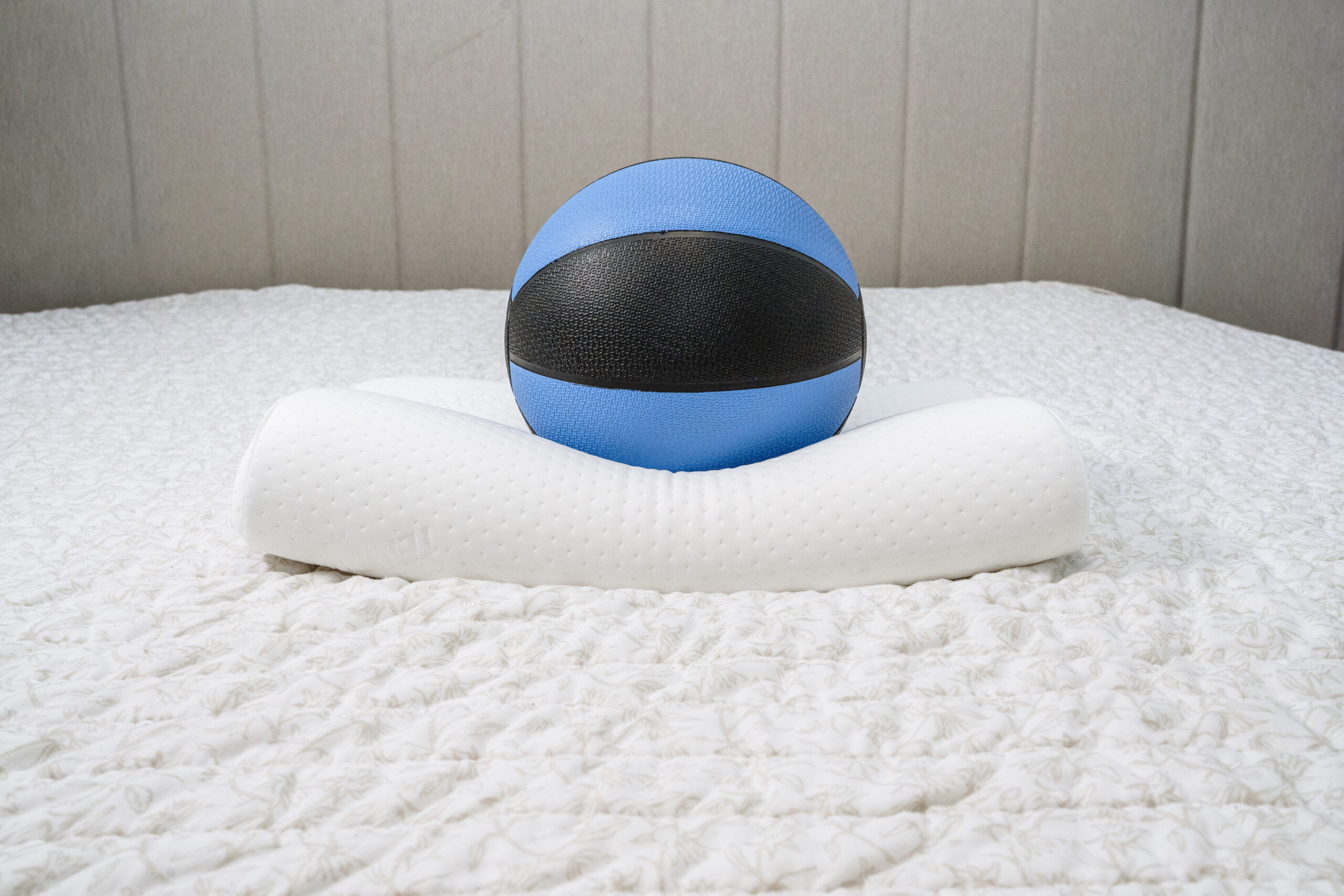
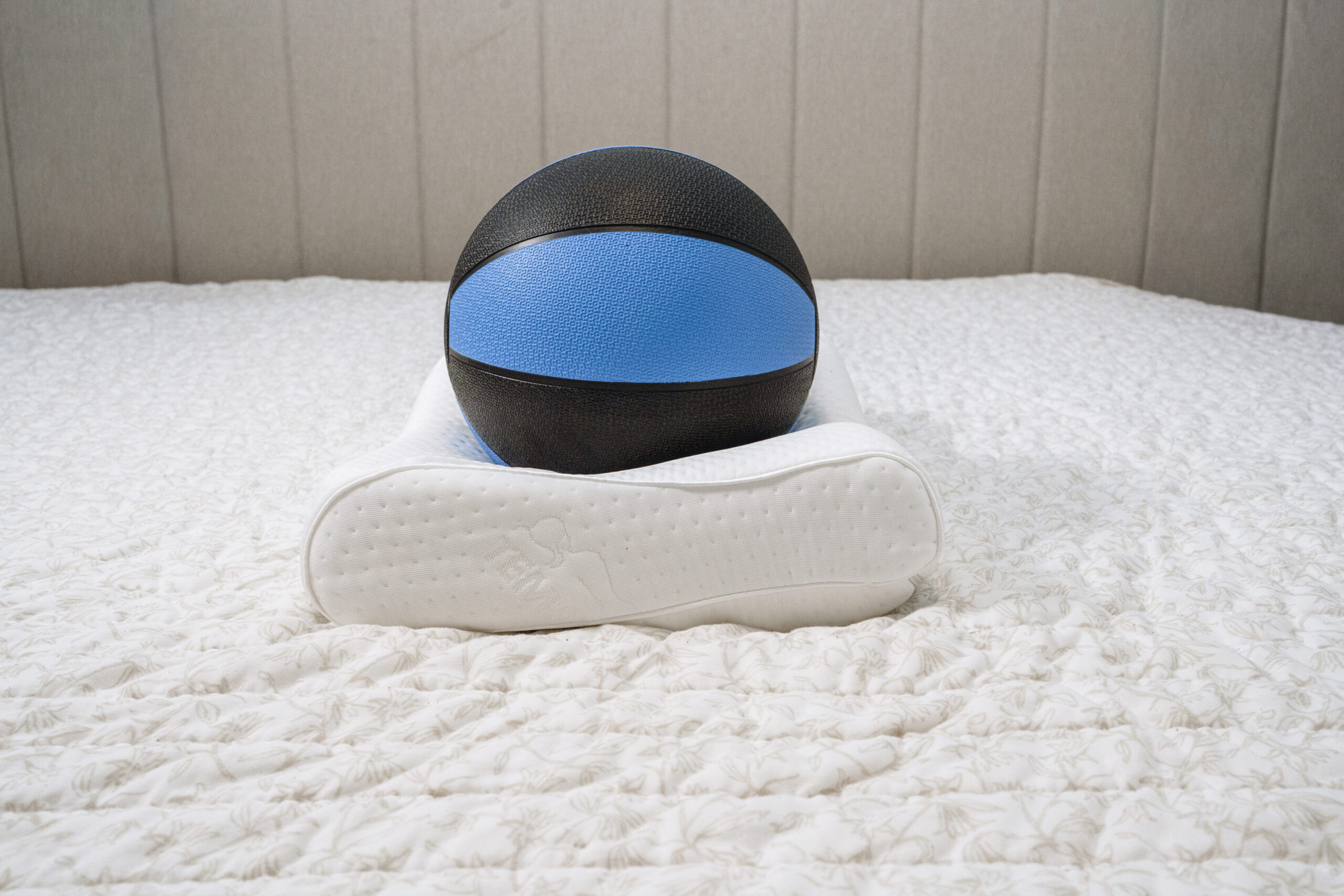
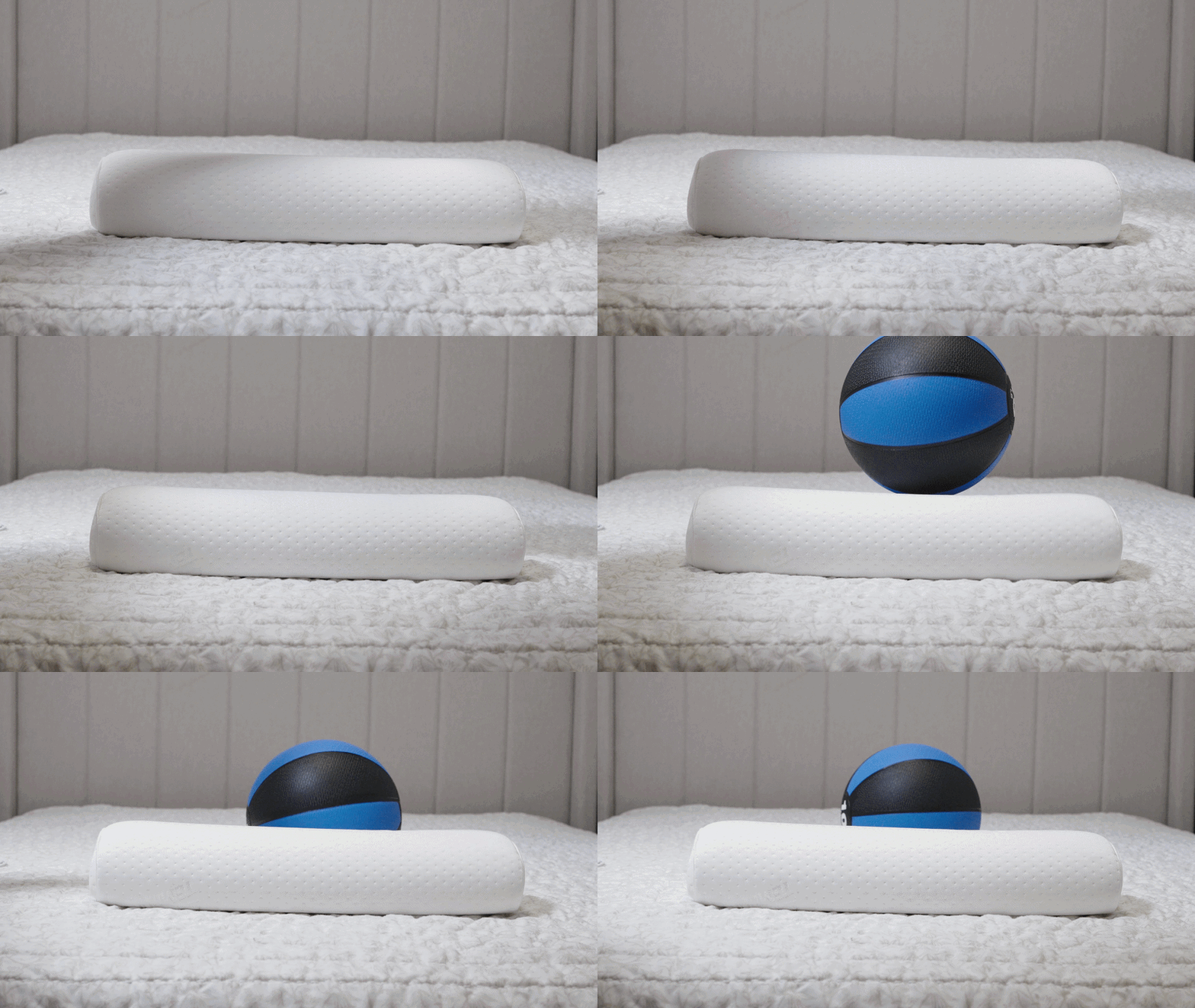
Test 2: Alignment
The contour works — if you get the right size. Side sleeping alignment was good on the raised edge. Back sleeping in the center channel was solid. But you’re locked into one size with no adjustment and no returns.
Test 3: Fill
Solid TEMPUR-Material foam — no filler, no blends. This is premium single-material construction and it shows. Under the ball it held shape with minimal give. The biggest flag: Tempur-Pedic doesn’t accept pillow returns. If you size wrong, there’s no safety net.
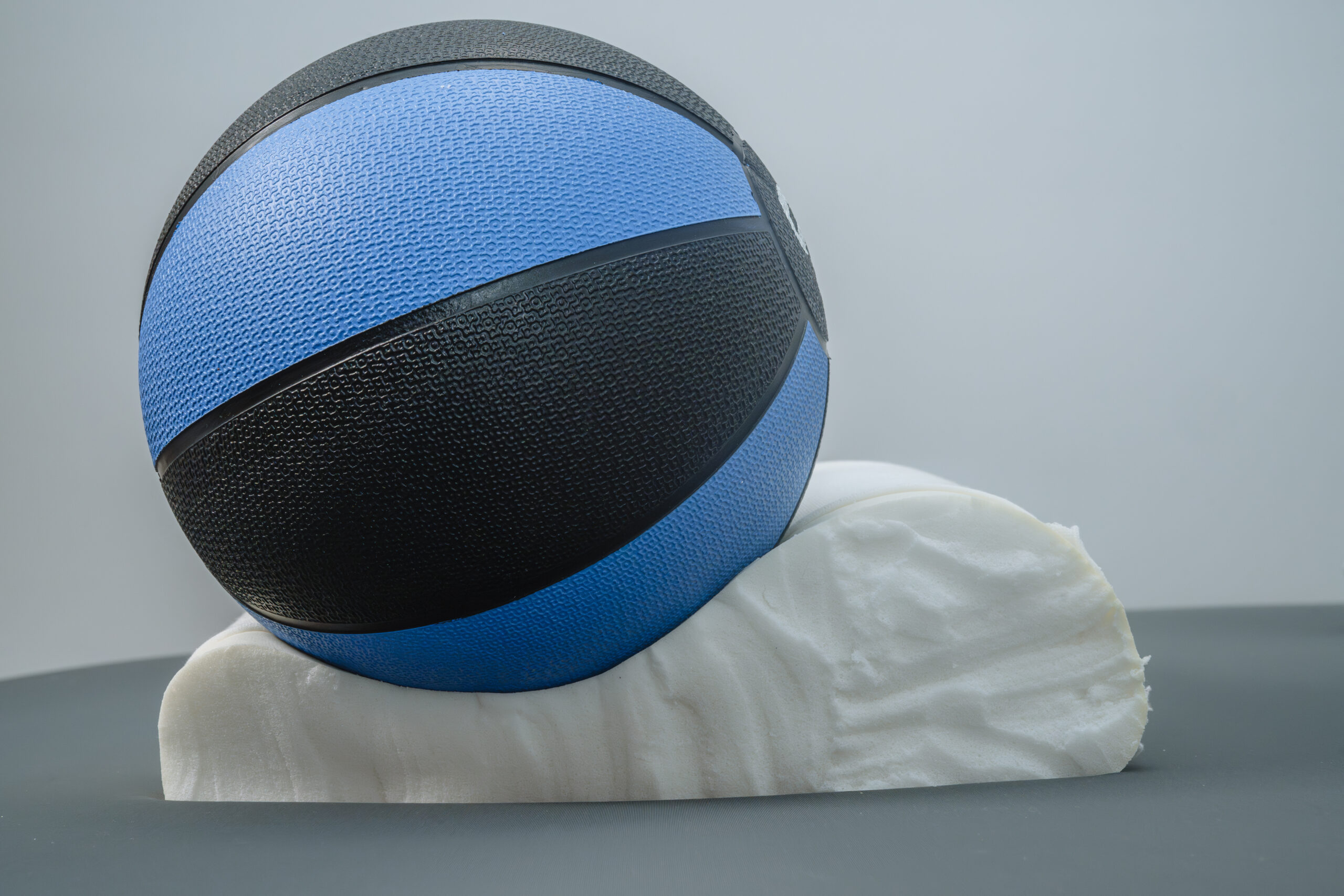
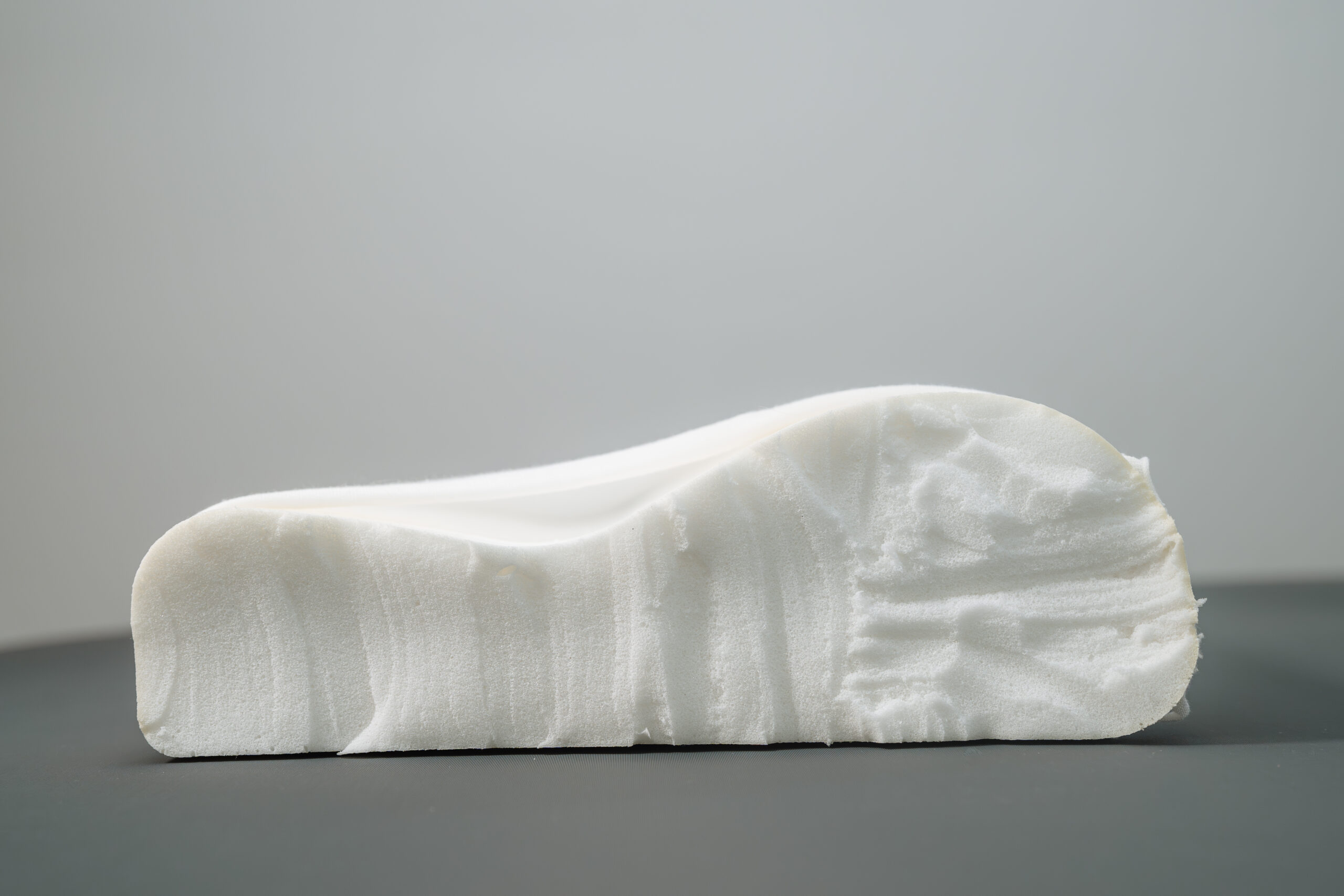
Verdict: That alone makes the Dosaze’s 60-night free trial look exceptional by comparison.
Testing Breakdown
Side Cube Original
Pros
Cons
The Bottom Line
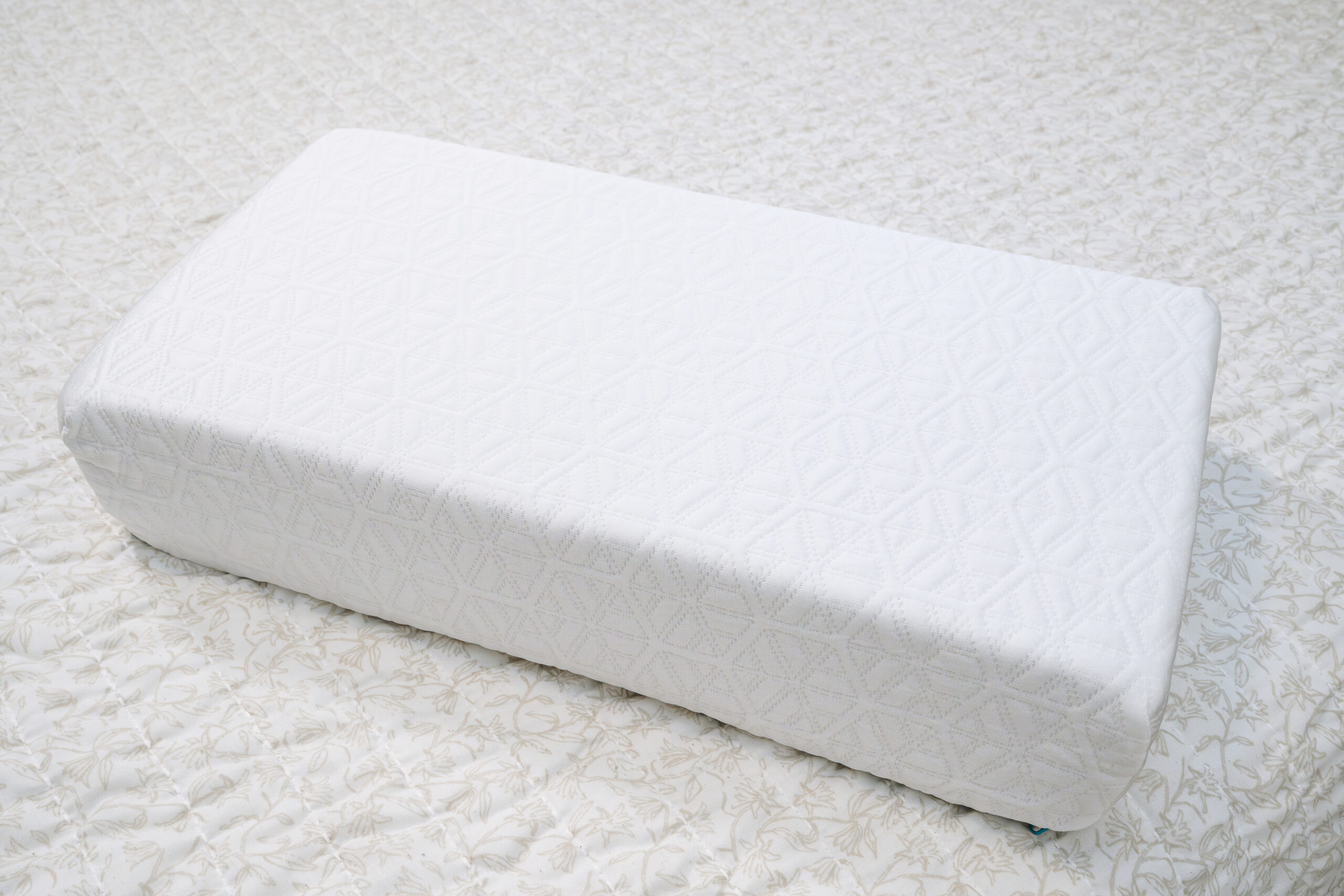
The Pillow Cube makes no secret of what it is: a solid foam pillow designed specifically for side sleepers. The squared shape fills the gap between head and shoulder more completely than a traditional rounded pillow — and for the right shoulder width, it works well.Read Full Pillow Review
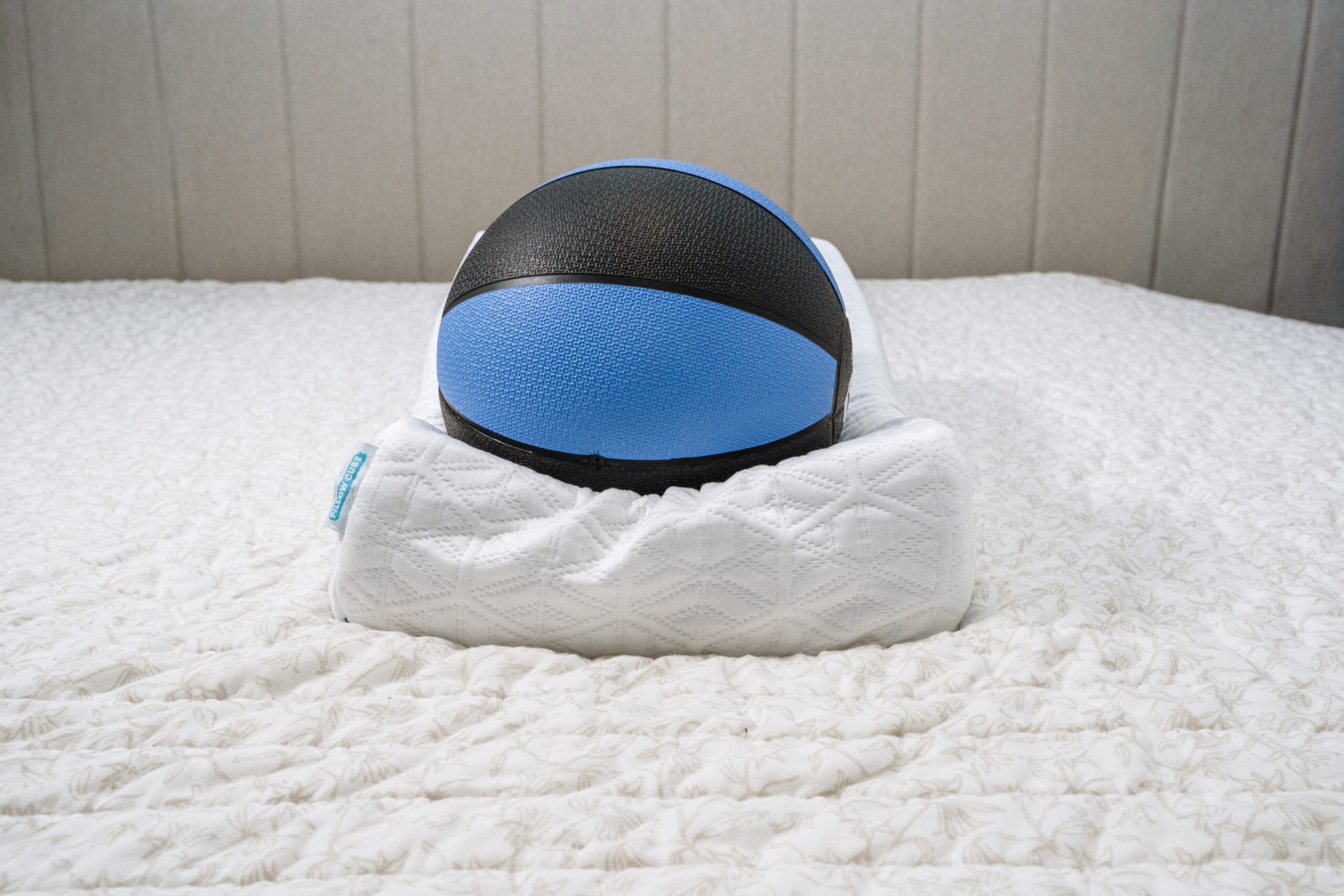
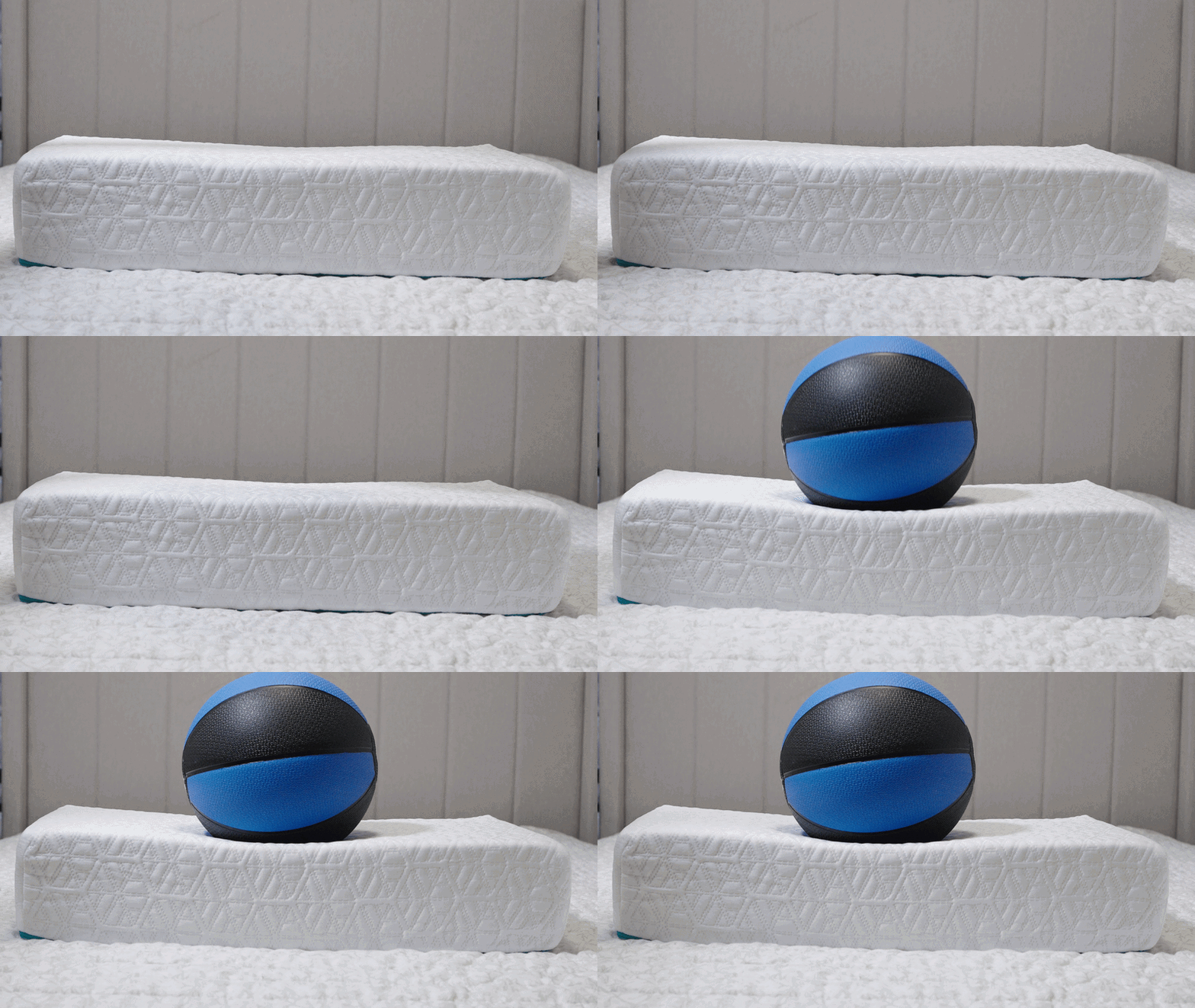
Test 1: Support
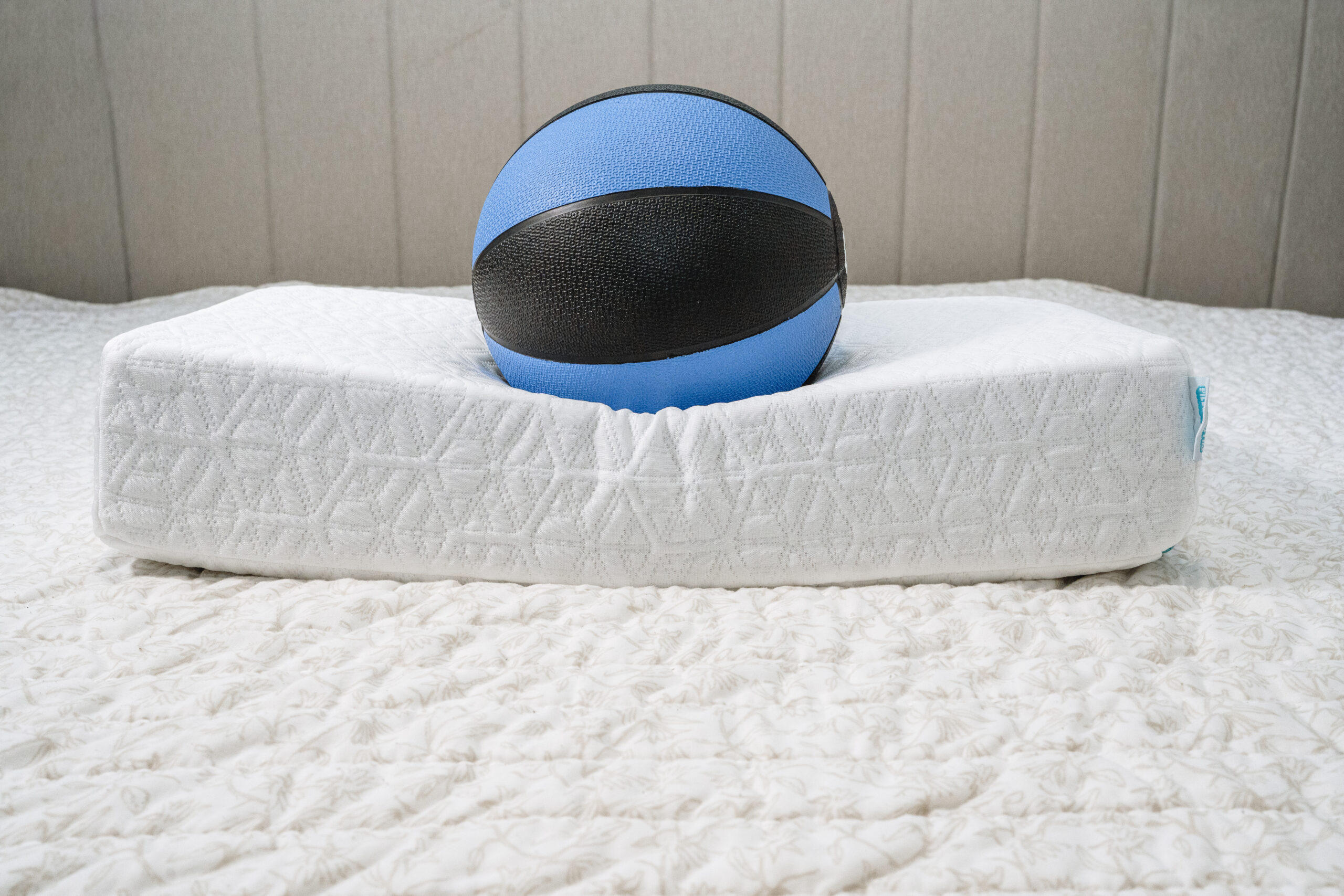
The squared shape gave the ball a stable platform. Support was solid — the foam held up under load with good density. Recovery was adequate but not as fast as contoured options.
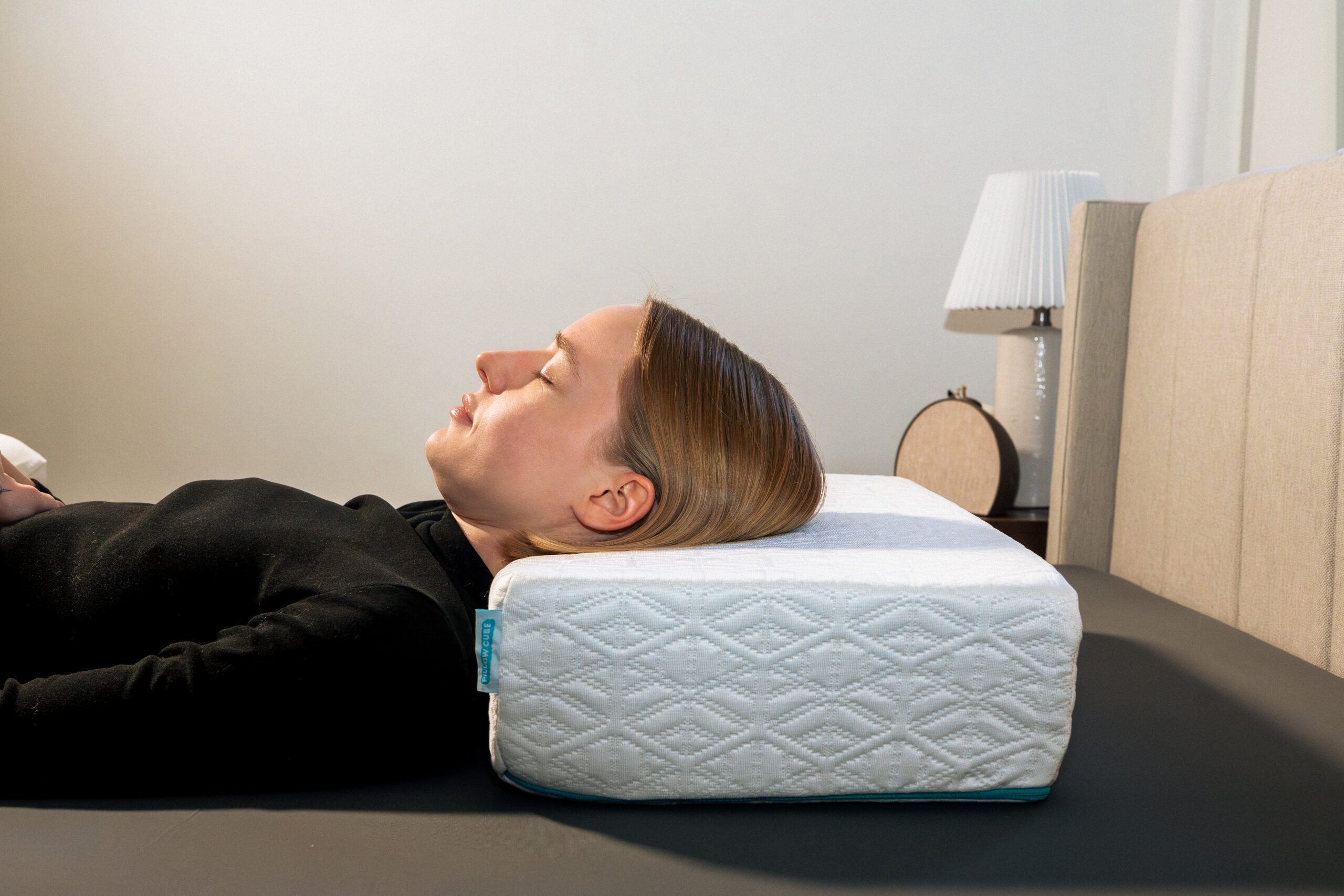
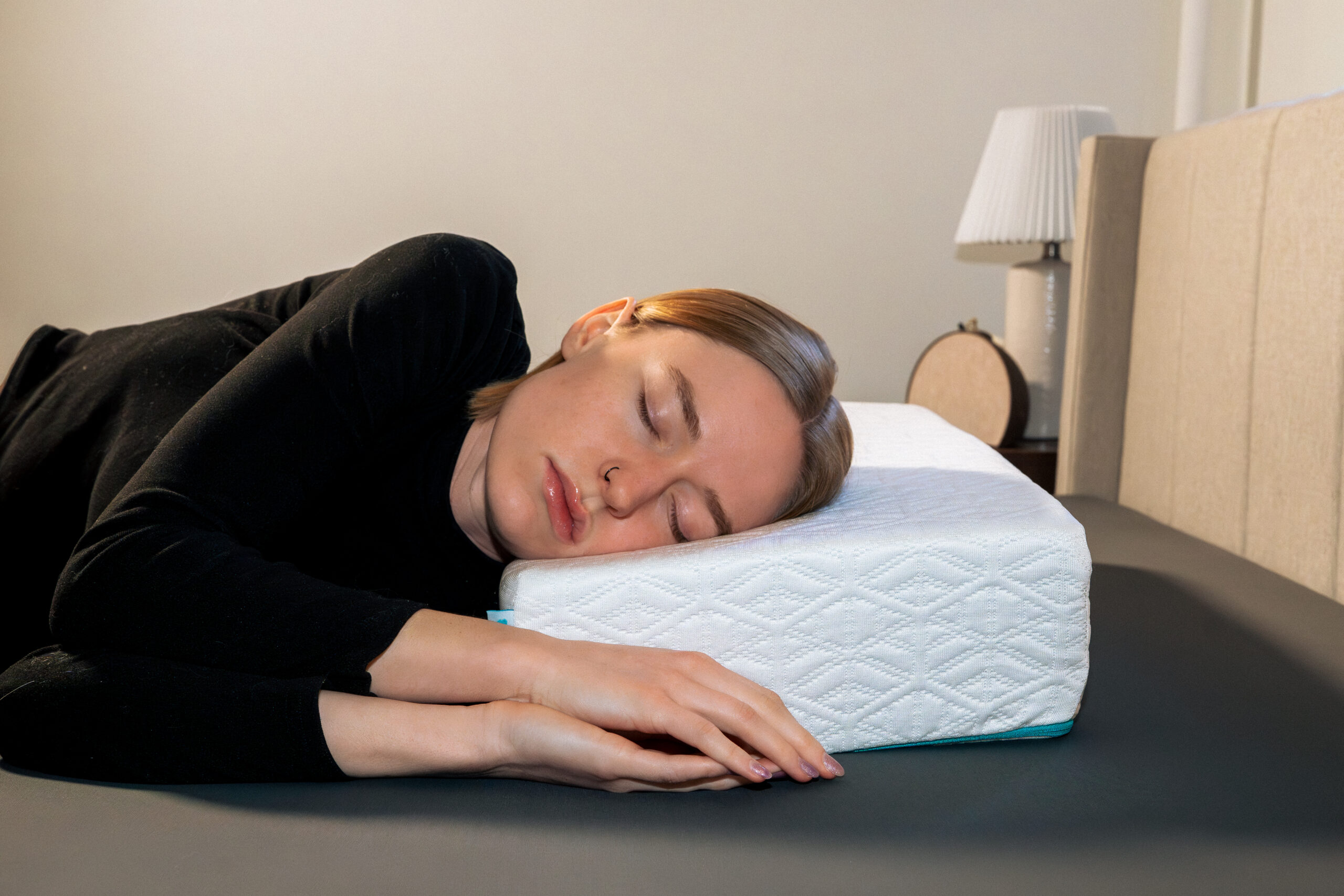
Test 2: Alignment
Side sleeping alignment was solid for average-to-broad shoulders. Back sleeping was a hard fail — the pillow is too tall and immediately pushes your head forward. This is a one-position product.
Test 3: Fill
Viscoelastic aero foam inside — consistent density, no filler. The foam held its shape under the ball. Durable construction that should last, but since it only works in one position, the longevity argument only applies if you’re a strict side sleeper.
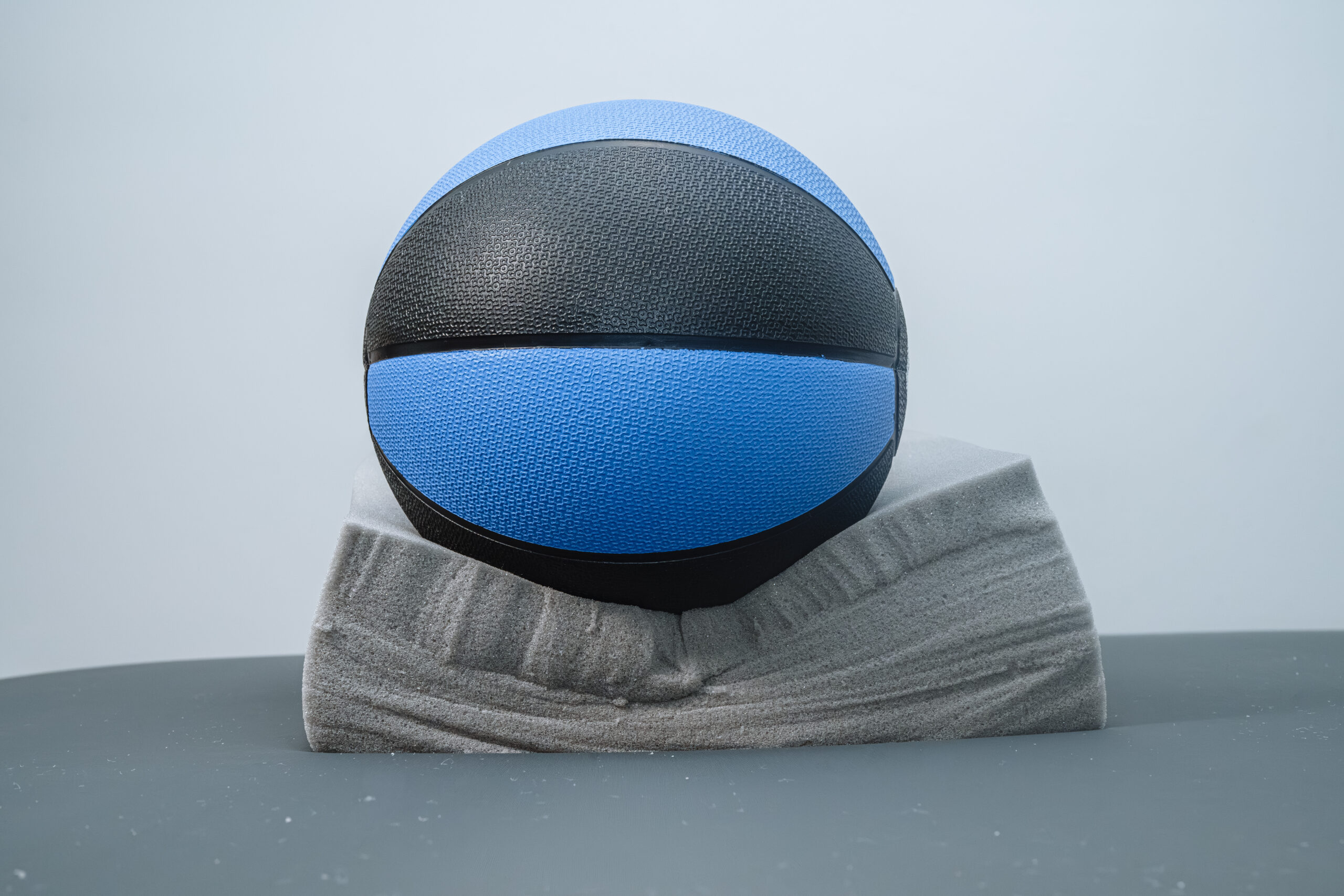
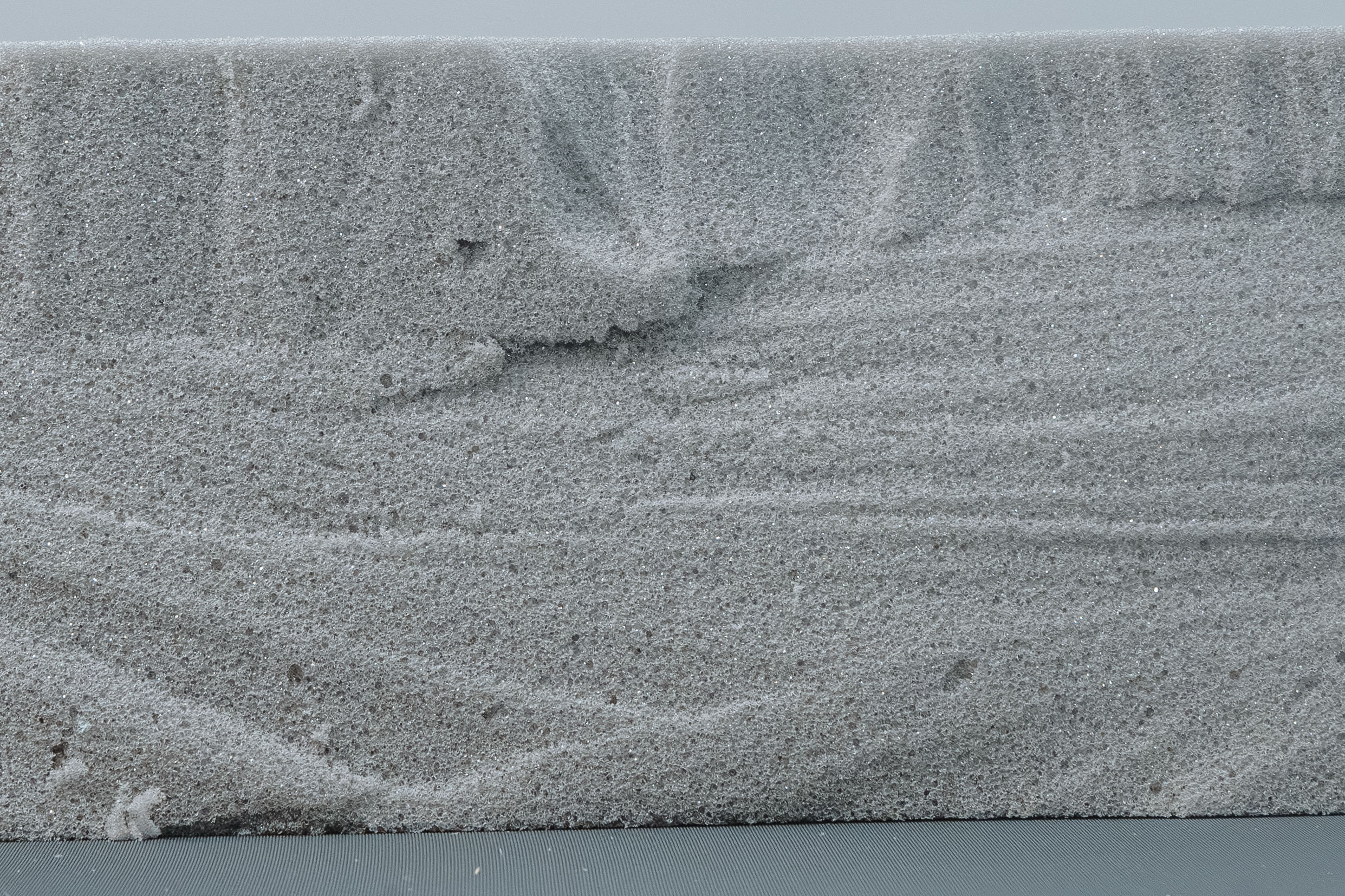
Verdict: If you never move at night, it’s a good pick. If you do, it’s a problem.
Testing Breakdown
CloudAlign Pillow
Pros
Cons
The Bottom Line
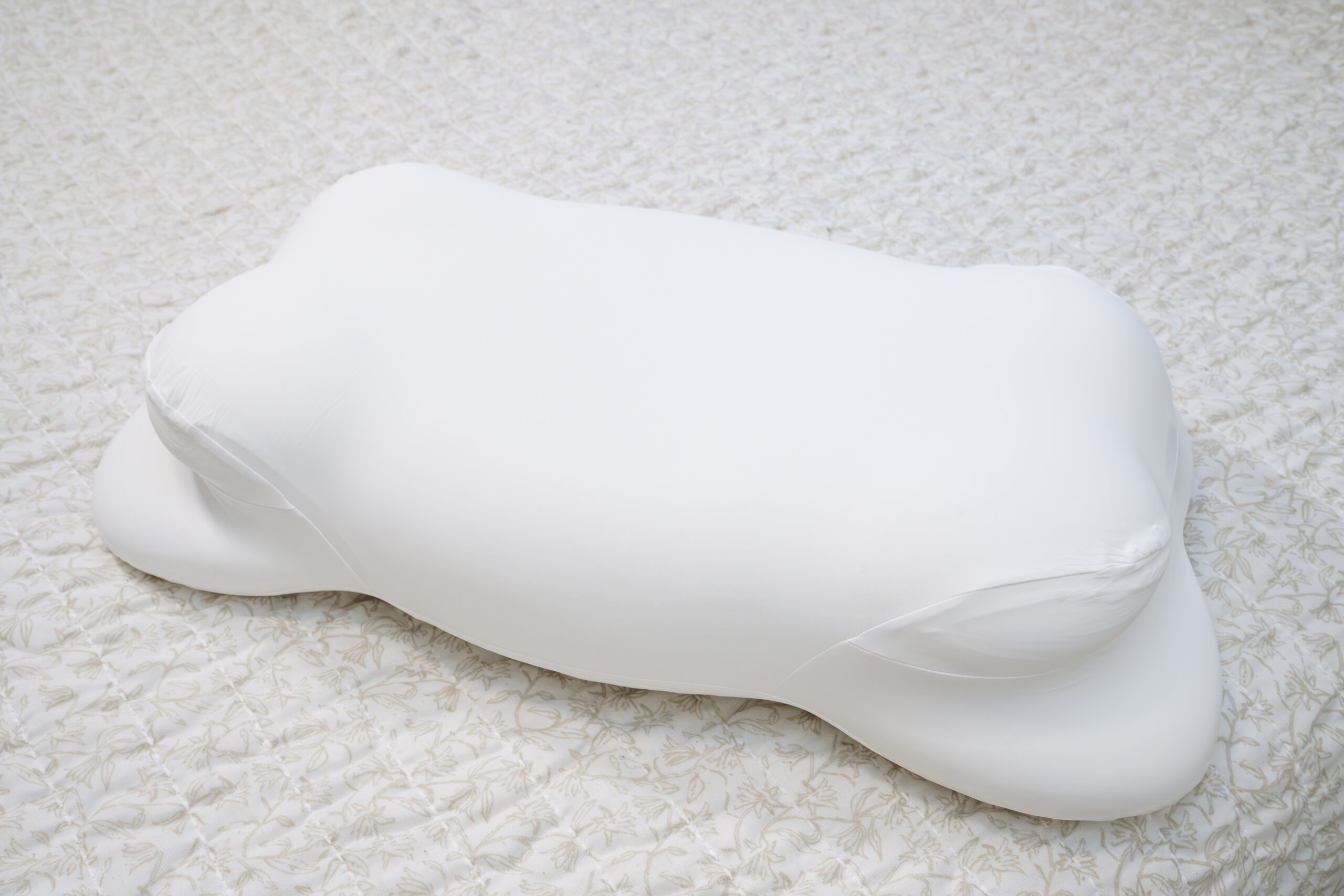
The Mellow Pillow is a mid-range option that tries to be everything to everyone. Medium loft, medium firmness, solid CloudSoft memory foam core — the results matched that middle-of-the-road approach.Read Full Mellow Review
Test 1: Support
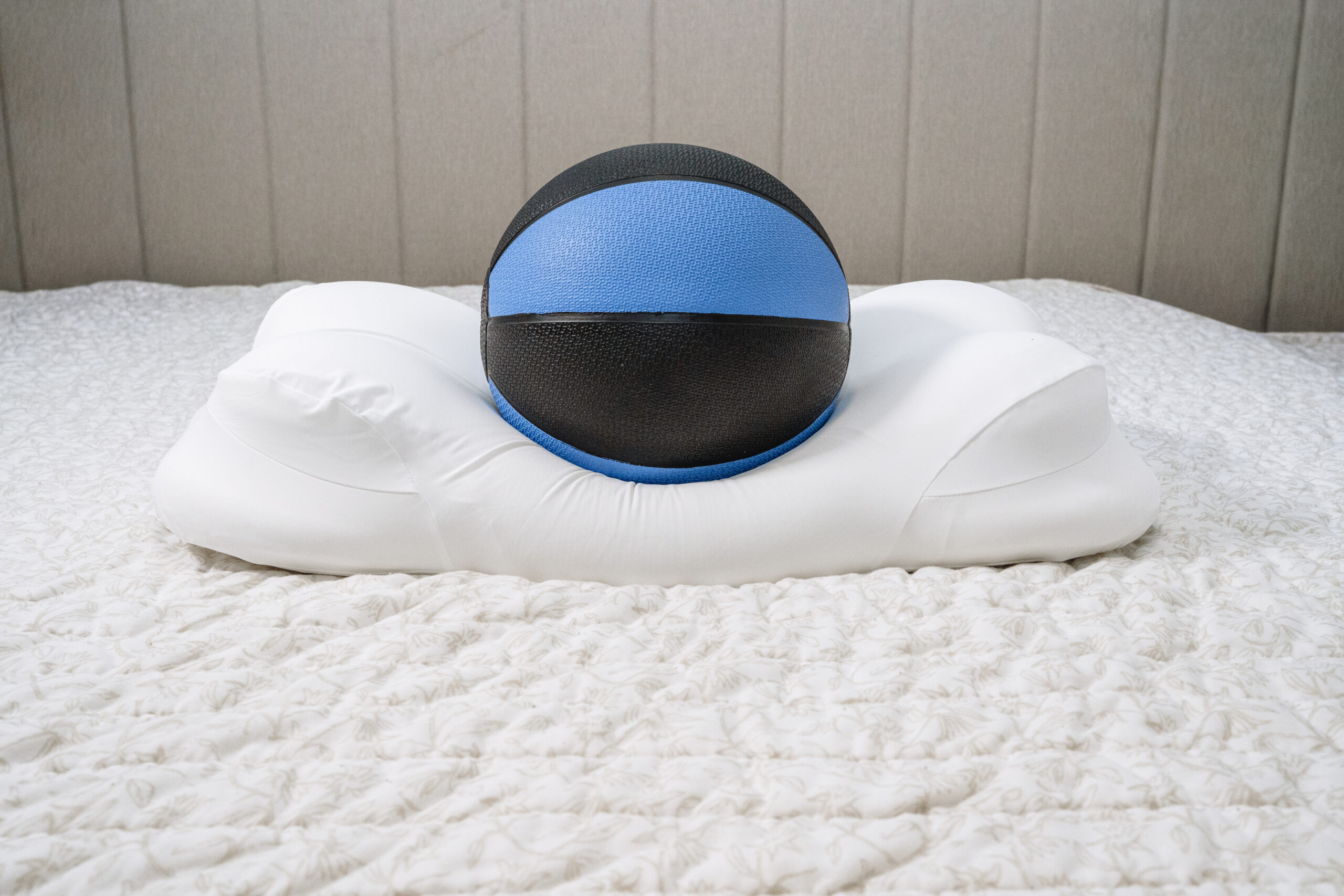
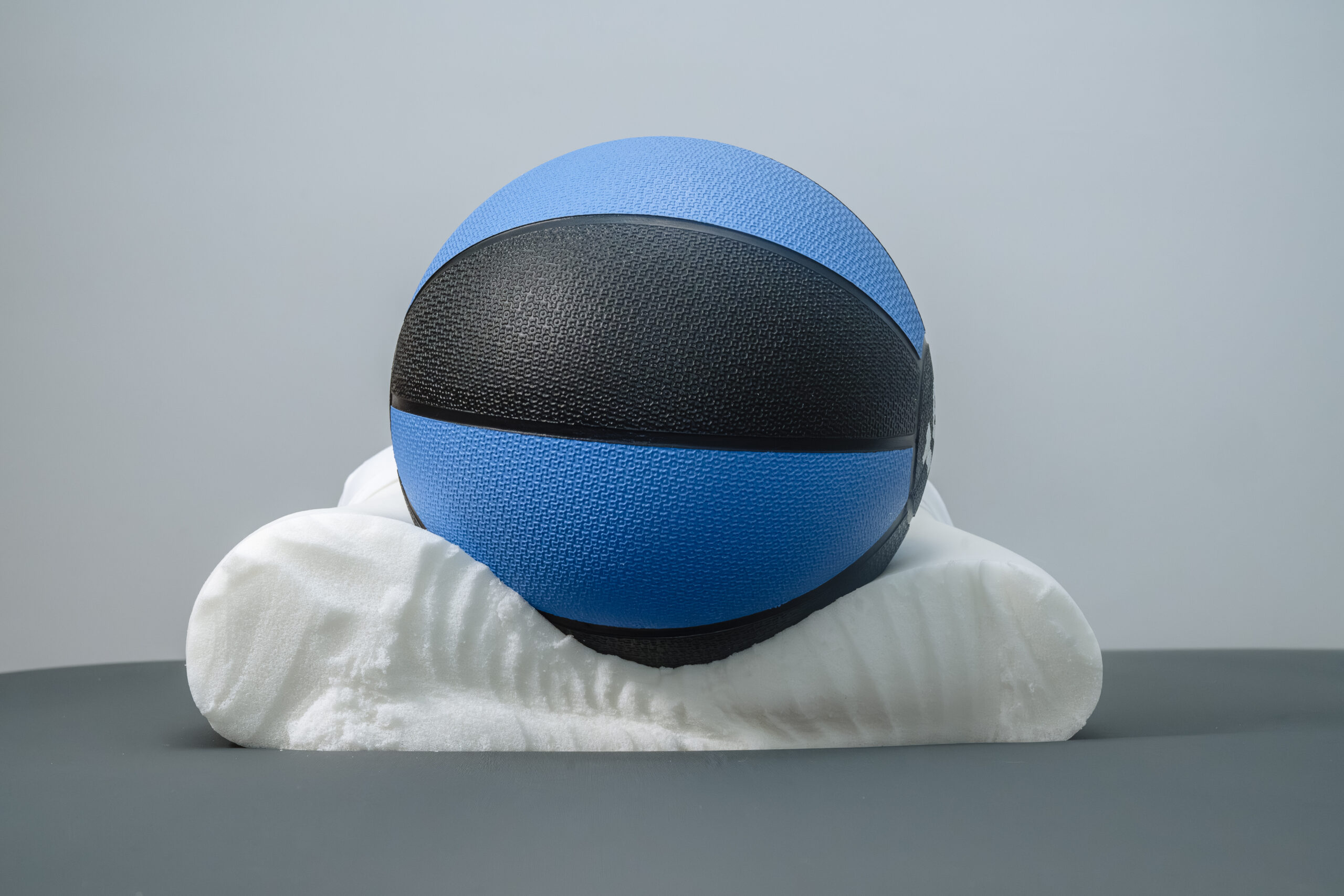
Support was average. The ball sank in with moderate compression and recovery took 2–3 seconds. Not bad, but nothing that stands out. The medium firmness doesn’t give you the responsive bounce of a denser foam.
Test 2: Alignment
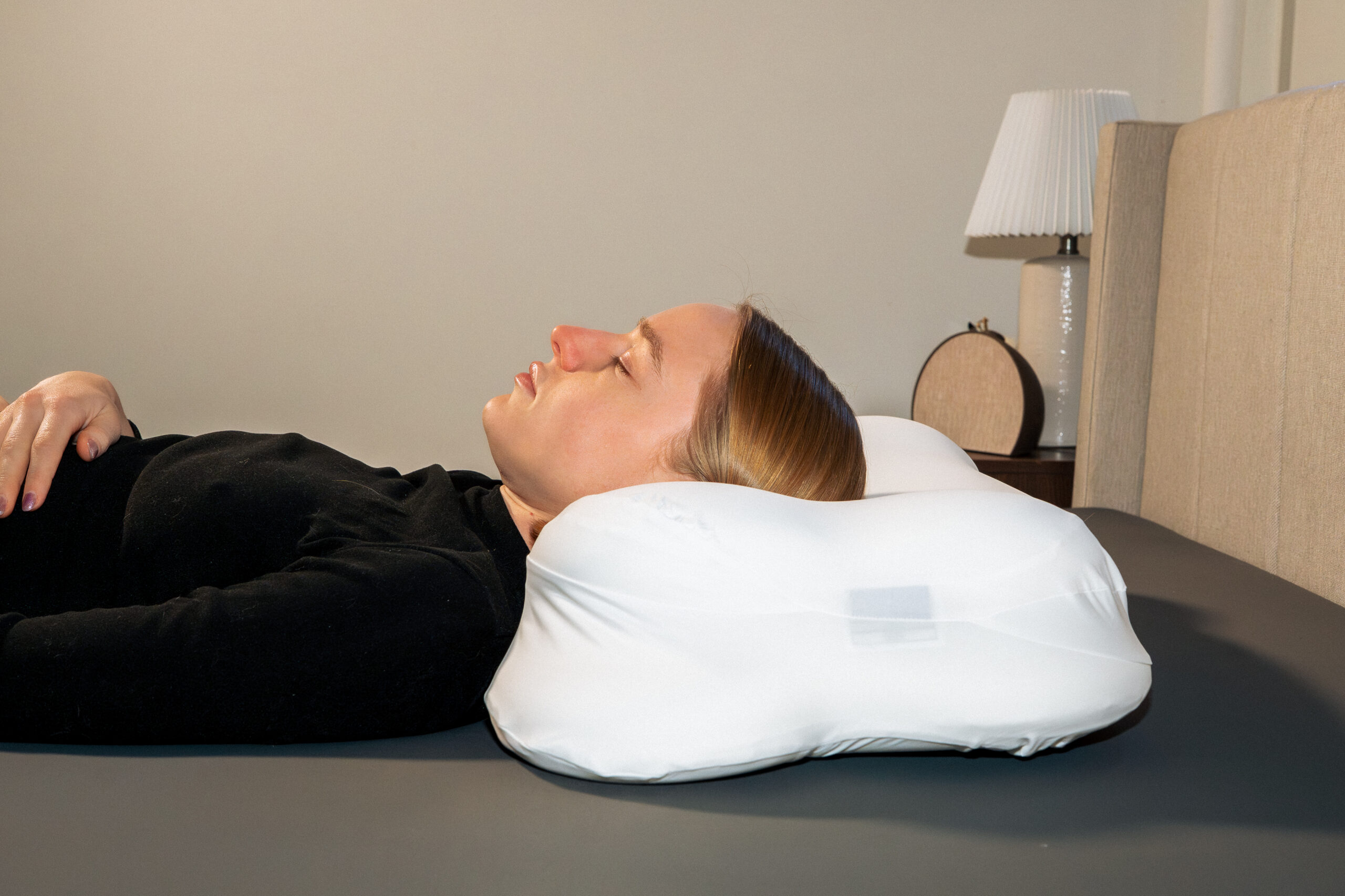
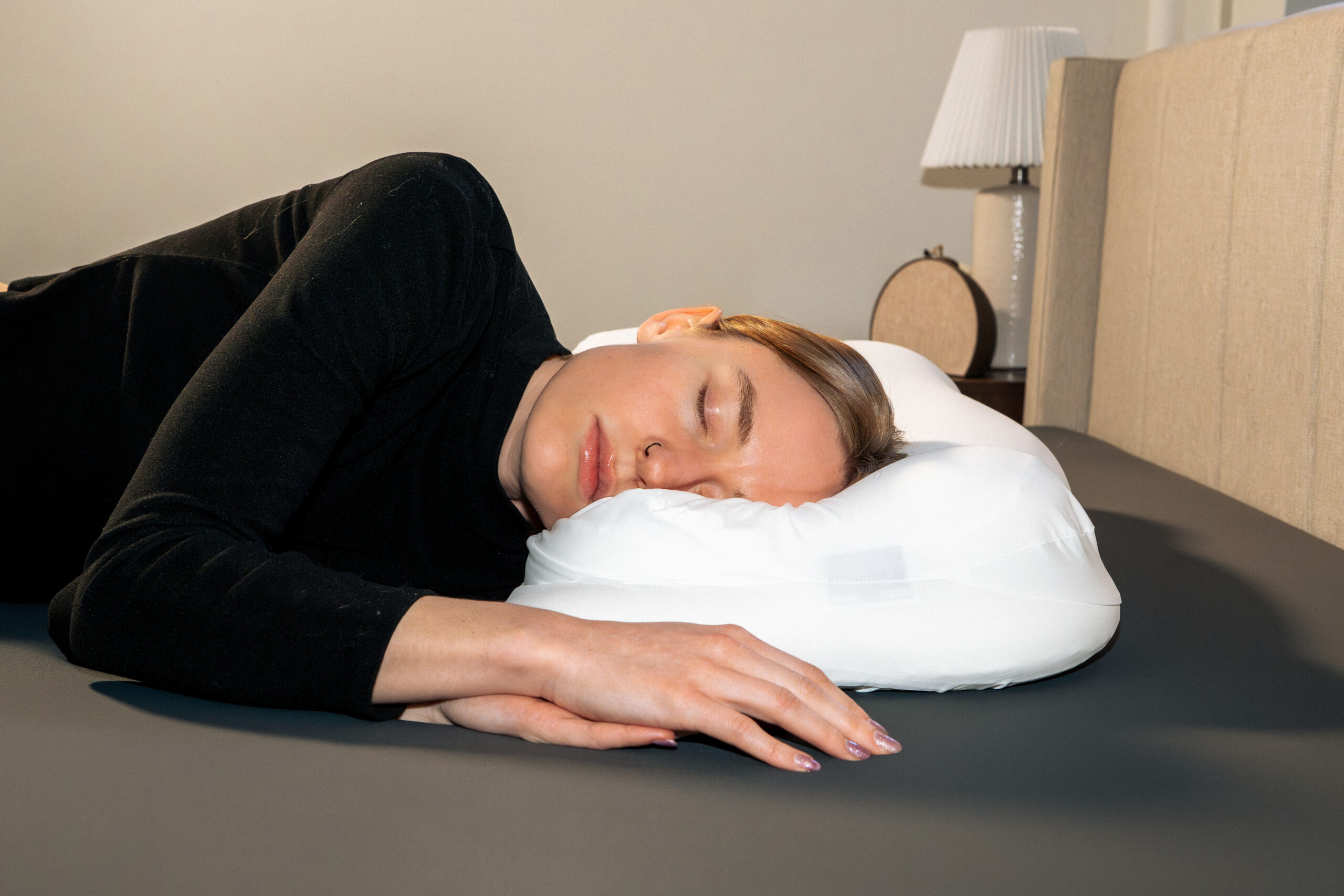
Alignment was passable for average builds in both positions — but “passable” is the operative word. No clear neutral alignment in either position. If you’re average height and weight it’ll work. Outside of that range, you’ll notice gaps.
Test 3: Fill
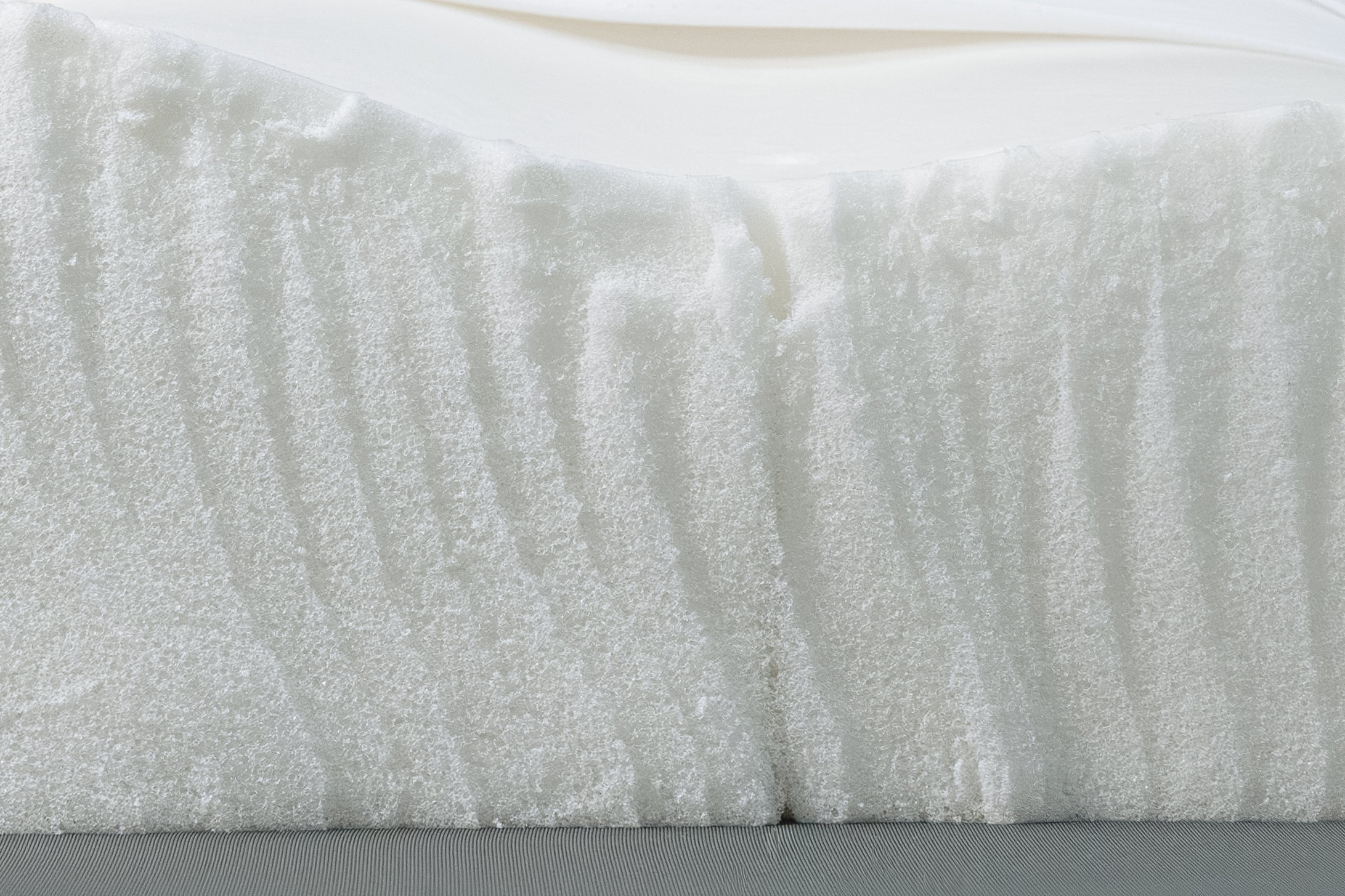
CloudSoft memory foam core — solid single-material construction. Under the ball it held shape adequately. The foam is substantially less supportive than premium options, which means it’ll lose loft faster over time.
Verdict: It’s not a bad pillow — it’s just fine, and fine isn’t what you want from something you sleep on every night.
Testing Breakdown
Cozy Rest Memory Foam Neck Pillow
Pros
Cons
The Bottom Line
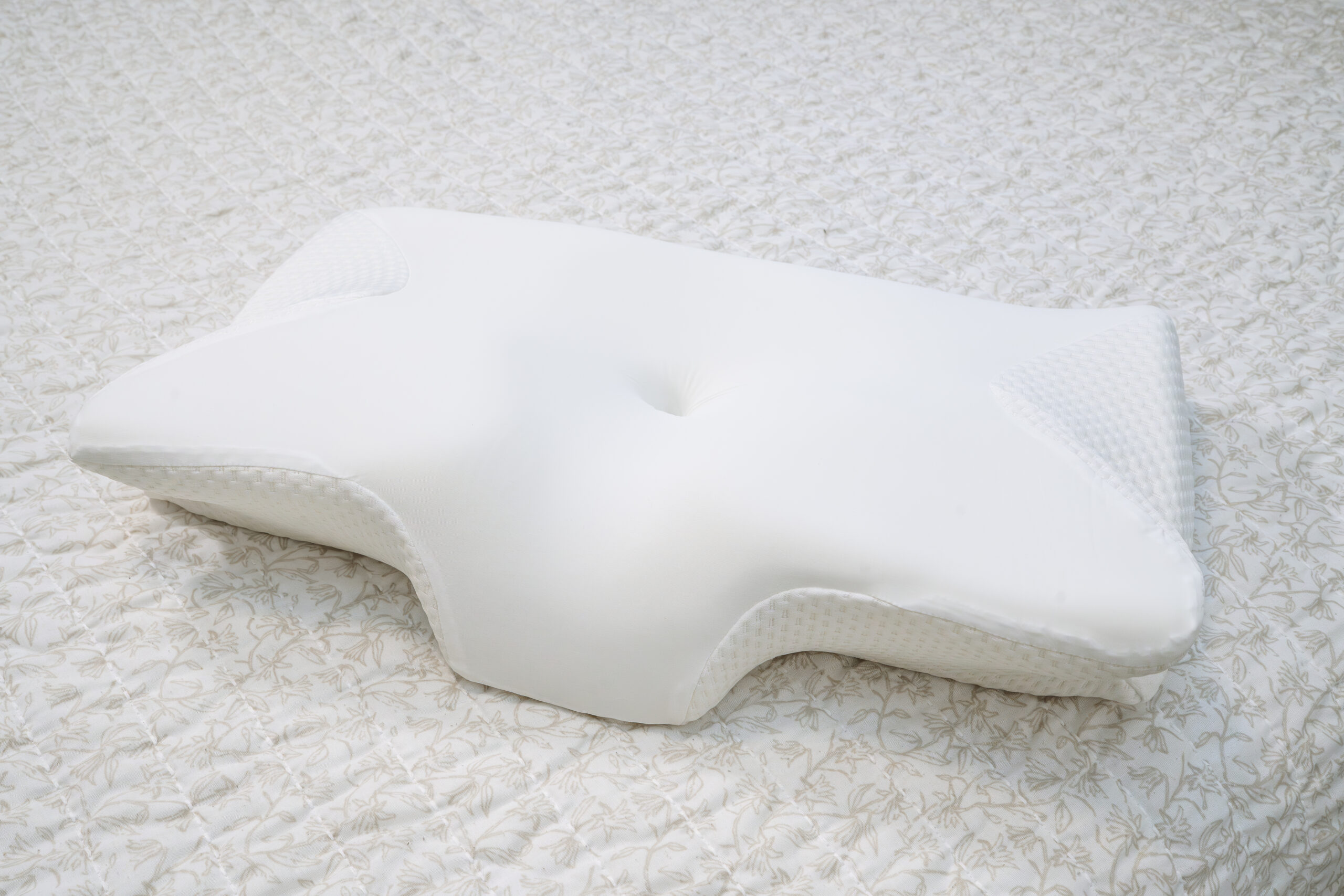
The Cozy Rest is a curved cervical pillow with a center depression and raised side wings. On the bench it does a fair job for back sleepers. What drops it to 6th is everything around the pillow. The Pillow Home holds an F rating with the Better Business Bureau, and the 90-day trial on their landing pages ends at a return address in China that you pay to post to.Read Full Cozy Review
Test 1: Support
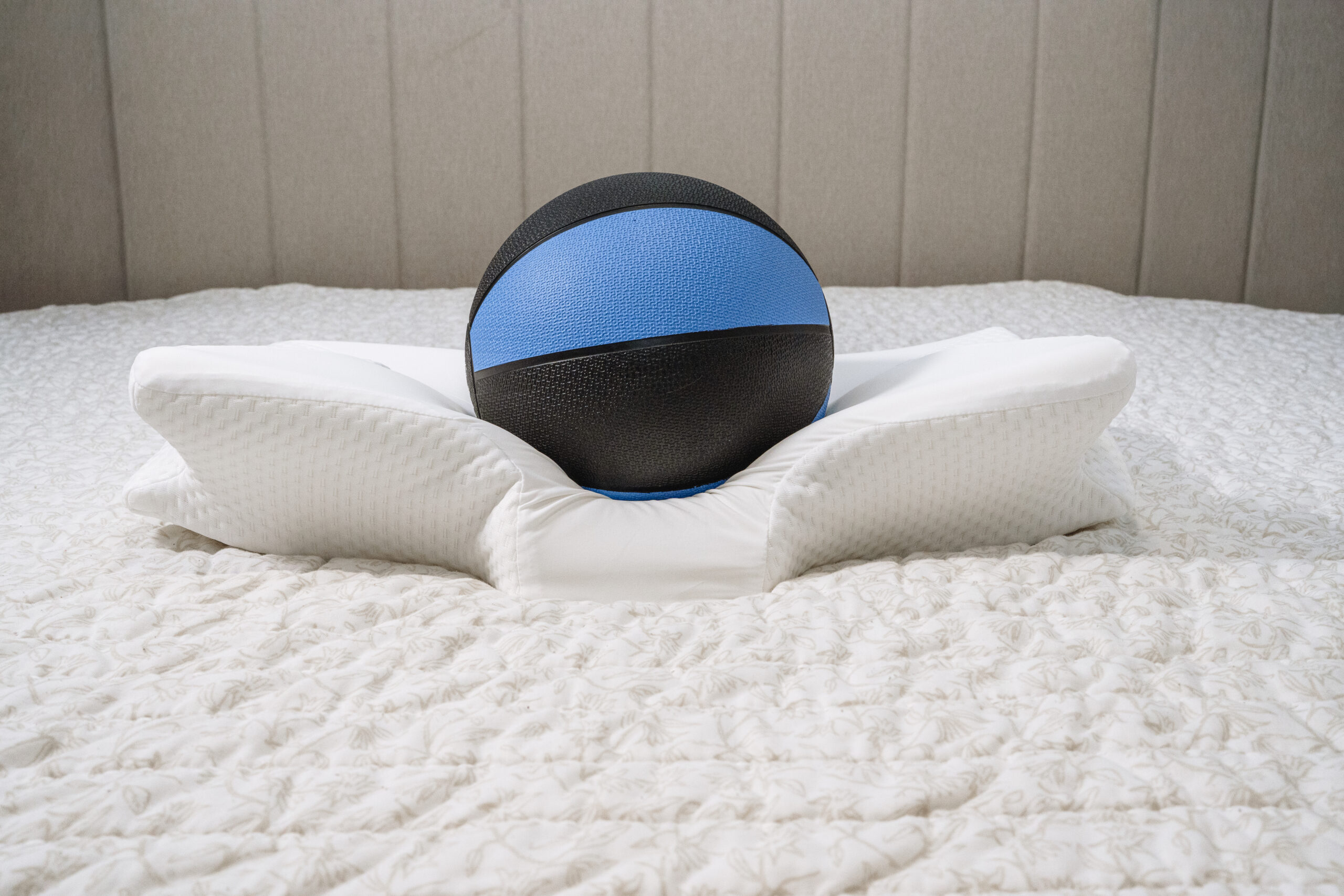
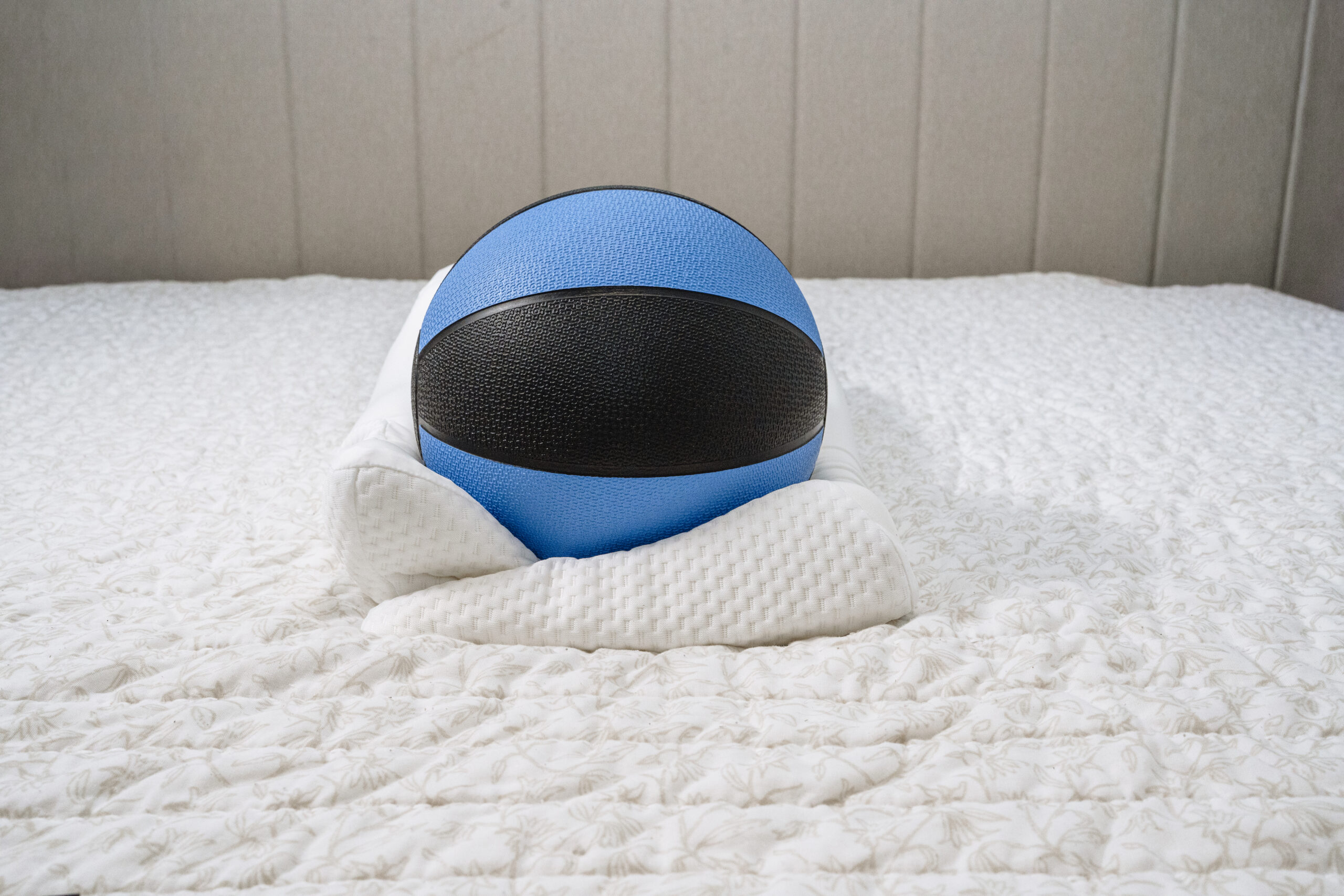
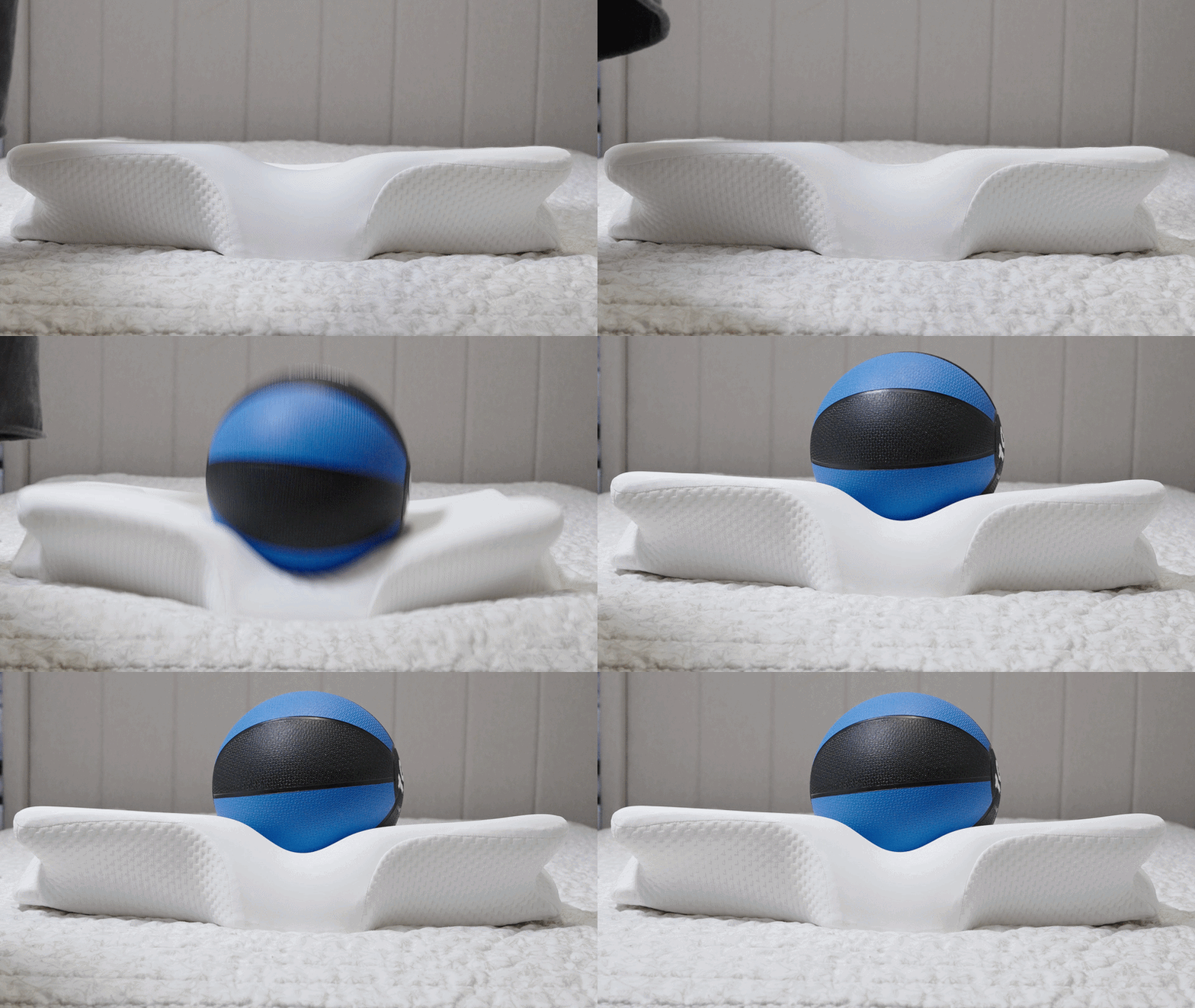
In the support test, the ball settled straight into the center — exactly what the pillow was built for. On the wings, it rolled. The center channel provides good support for back sleeping, but the wing sections don’t offer the same stability.
Test 2: Alignment
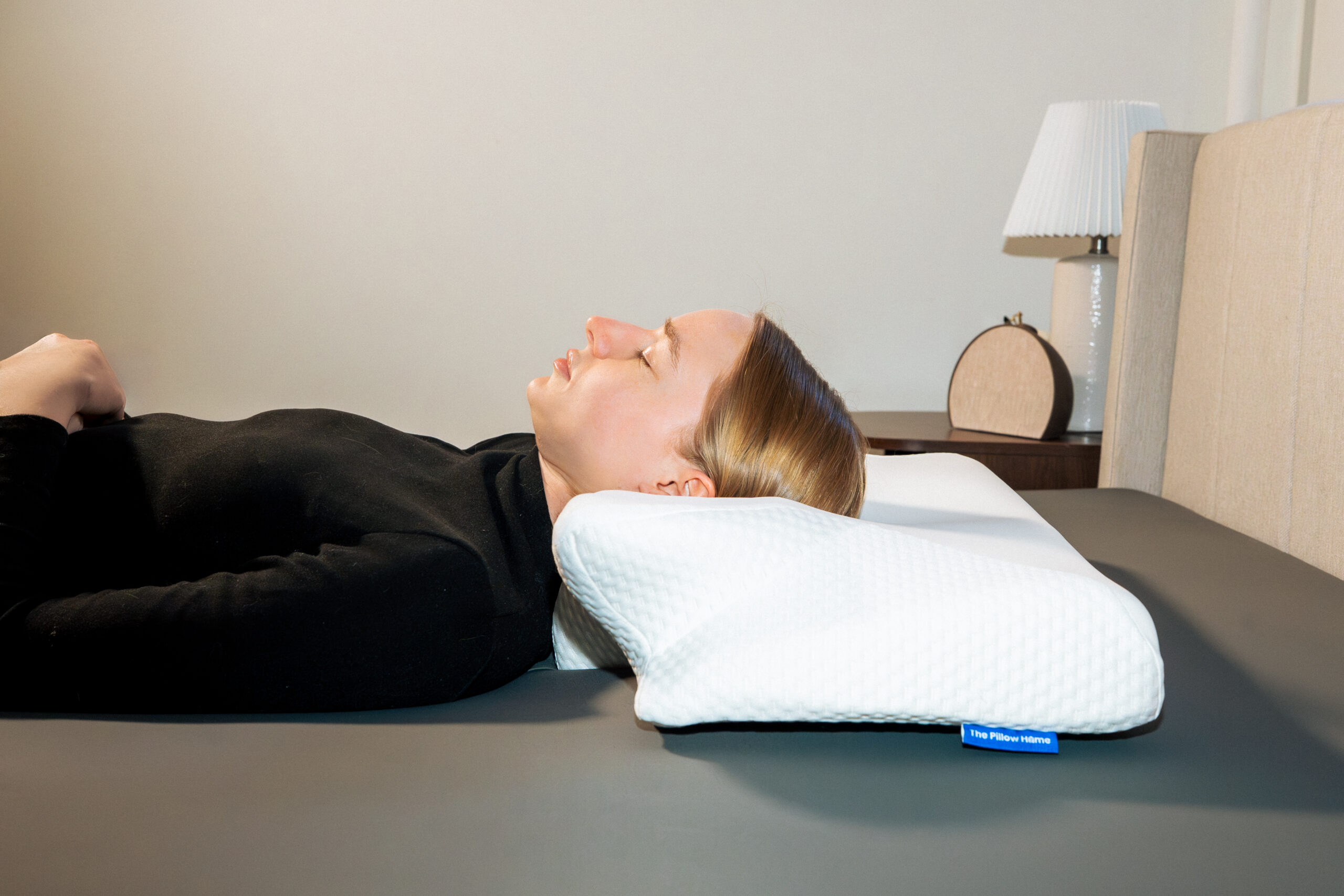
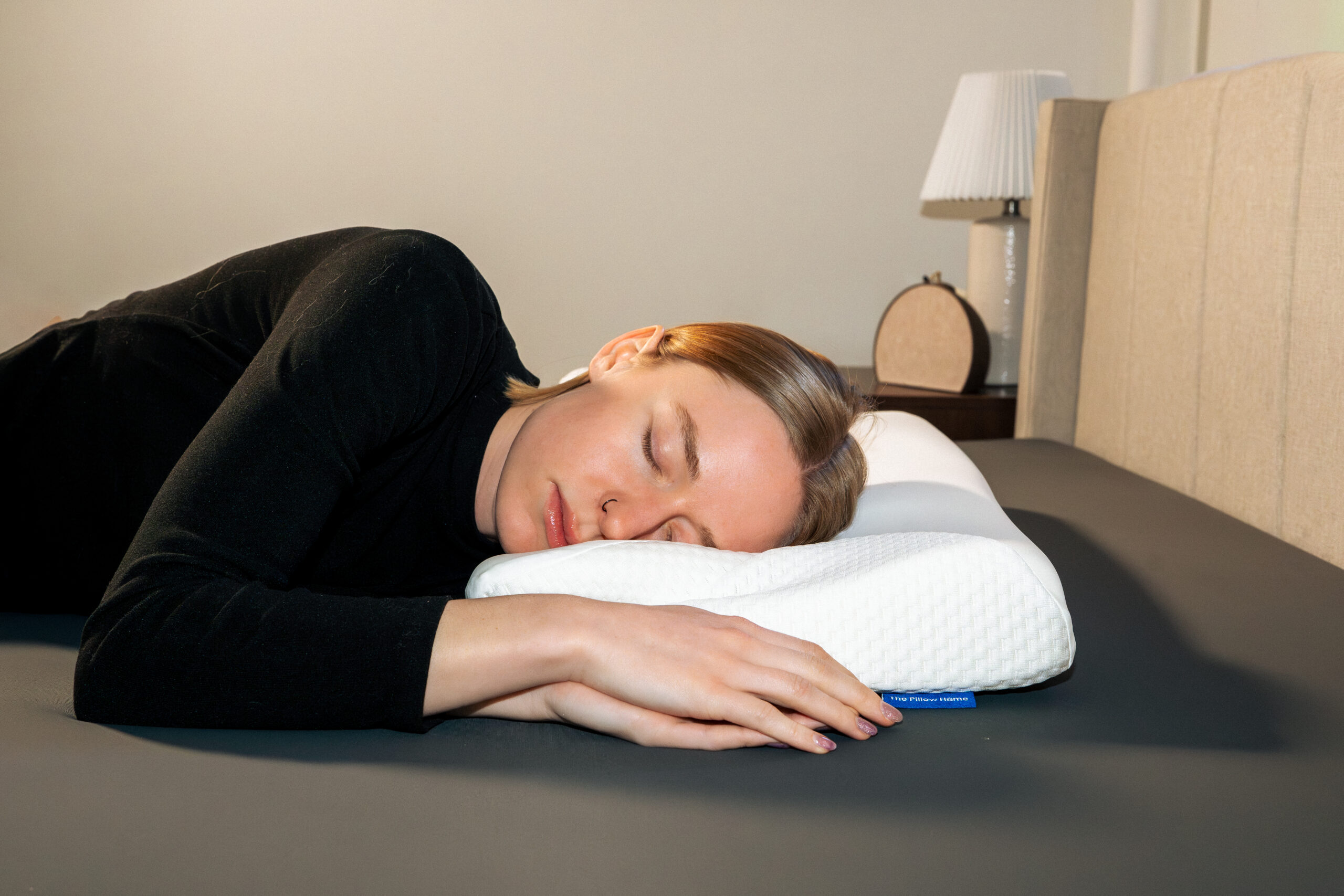
Back sleeping alignment was genuinely good. Side sleeping fell apart — the center channel was too low, and the wings didn’t accommodate consistent shoulder widths. If you’re a dedicated back sleeper, the Cozy Rest does its job well. Everyone else will notice the limits quickly.
Test 3: Fill
CertiPUR-US memory foam inside — decent quality. The foam held up under the ball in the center channel but showed more compression on the wing sections. It’s a step above polyester but not as dense as the Dosaze or Tempur-Pedic.
What We Found About The Pillow Home
The pillow itself tests acceptably.
The Pillow Home holds an F rating with the Better Business Bureau. 107 complaints in three years, 52 of them never answered, and 16 customer reviews on the BBB, every one of them a single star. The BBB has also posted a notice that it cannot confirm the business exists at its listed address.
Then there is the return policy. The “90-day risk-free trial” on their landing pages does not mention that the return address is in China. Customers report paying $40 or more in international return postage on a $75 pillow. That makes the trial unusable for most of the people who would want it.
The review counts do not hold up either. Their landing pages claim 102,500+ reviews at 4.8 stars. Their actual Trustpilot profile shows roughly 3,348 reviews at 4.1. Their product page shows 6,385. Their reviews page shows 49,996. None of those figures agree with each other, and not one of them includes a single negative review.
We bought a Cozy Rest and looked into the company properly. The full write-up is here, including what happened when we tried to verify the “cervical spine specialist” whose name appears on their review pages.
Verdict: The company behind it is why this one sits at 6th rather than mid-table.
Testing Breakdown
Amazon Down Alternative Pillow
Pros
Cons
The Bottom Line
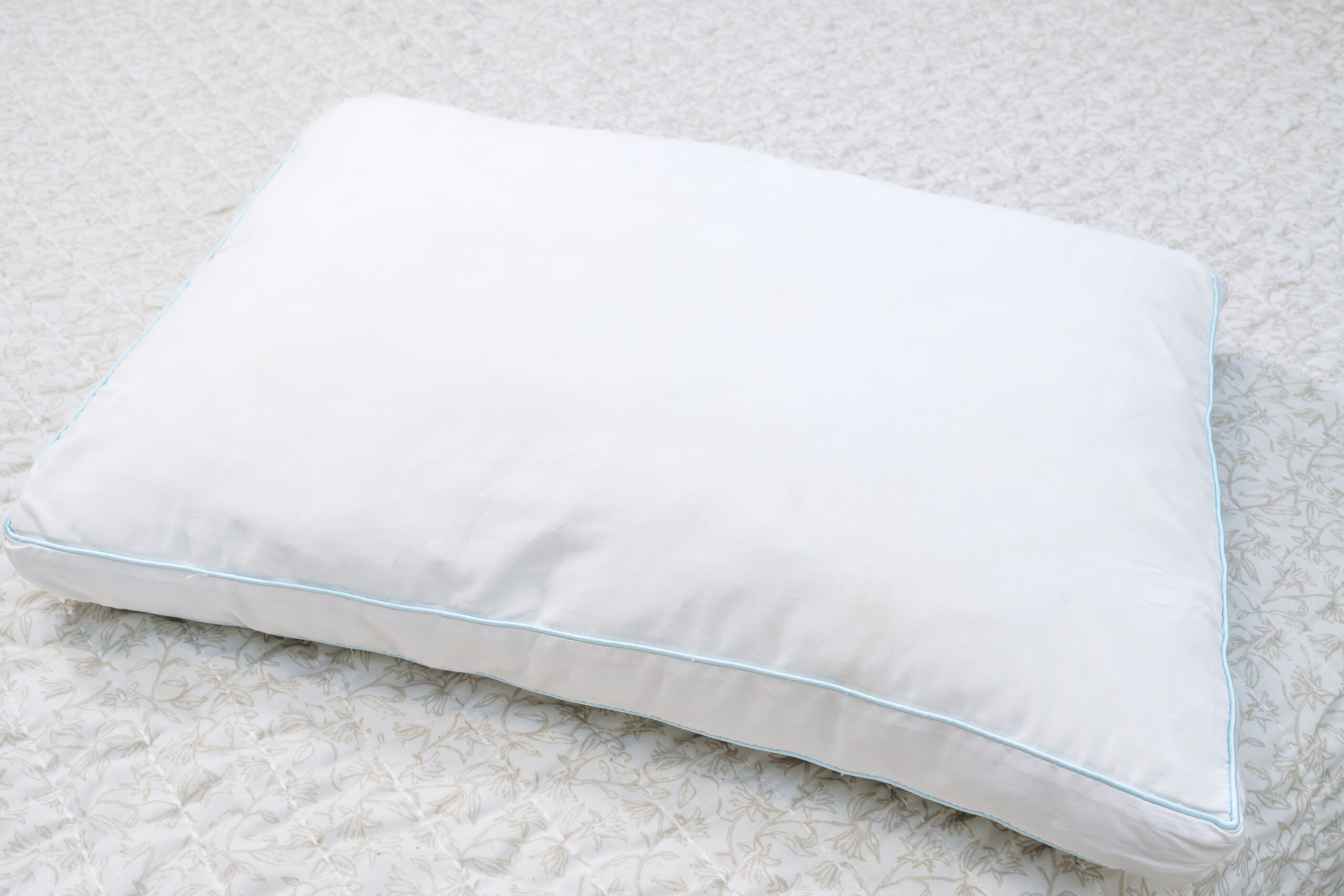
This is the baseline. A generic $15–25 down alternative from Amazon — no specific brand, just the kind of pillow millions of people are currently sleeping on. I included it because it’s important to show what “not thinking about your pillow” actually gets you.Read Full Amazon Review
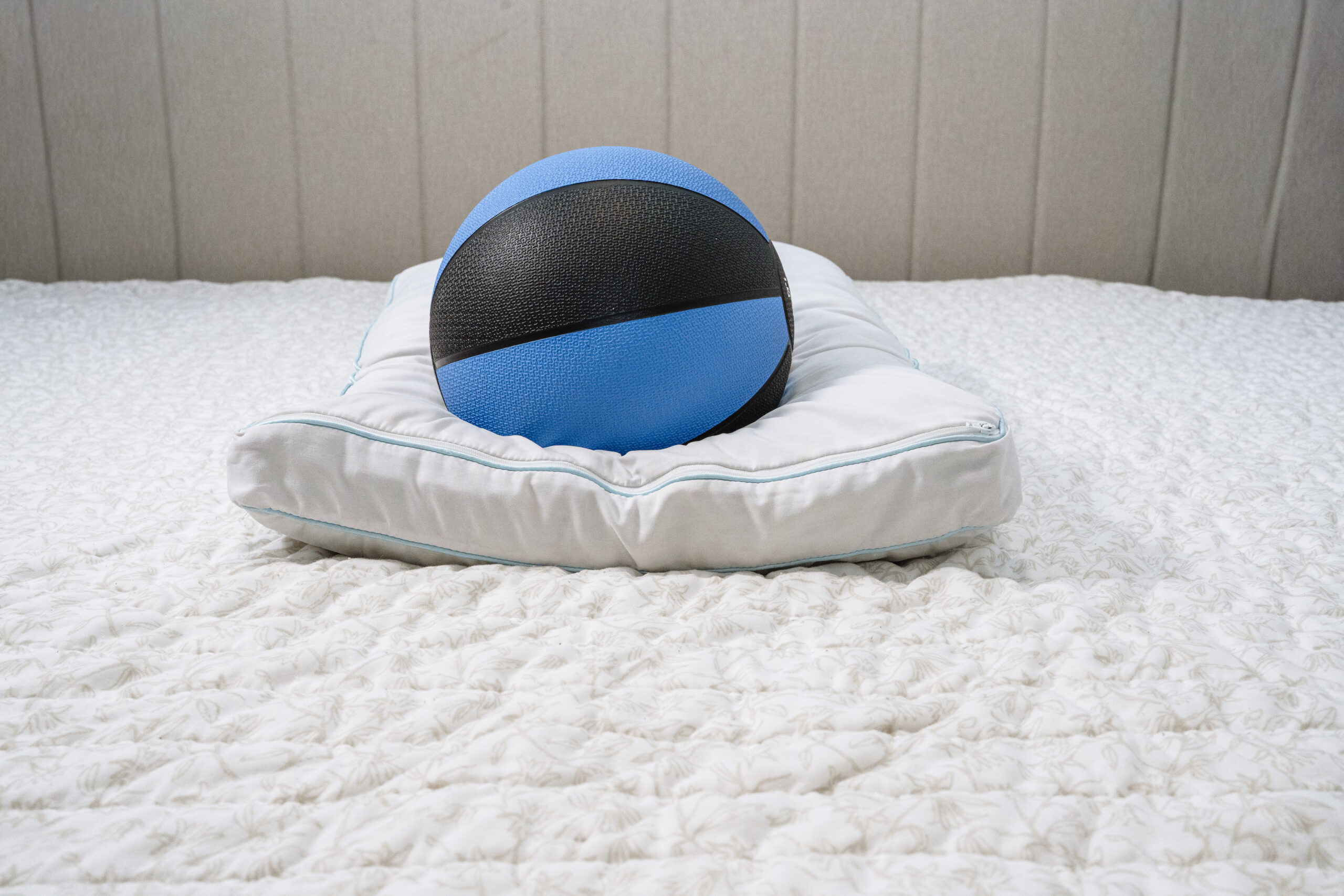
Test 1: Support
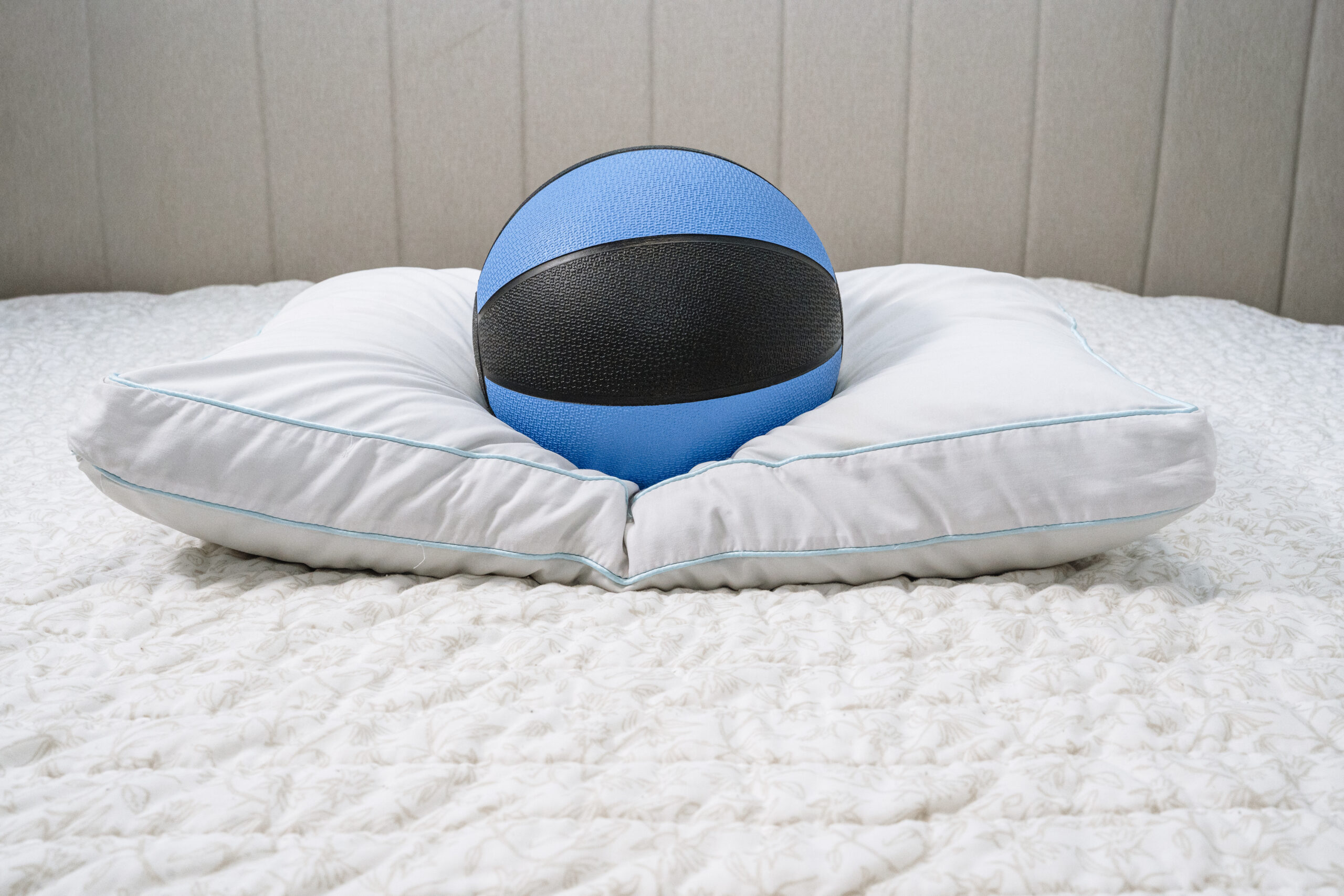
The ball sank nearly to the table surface. Almost no resistance. Recovery was slow and incomplete. This is what zero structural support looks like.
Test 2: Alignment
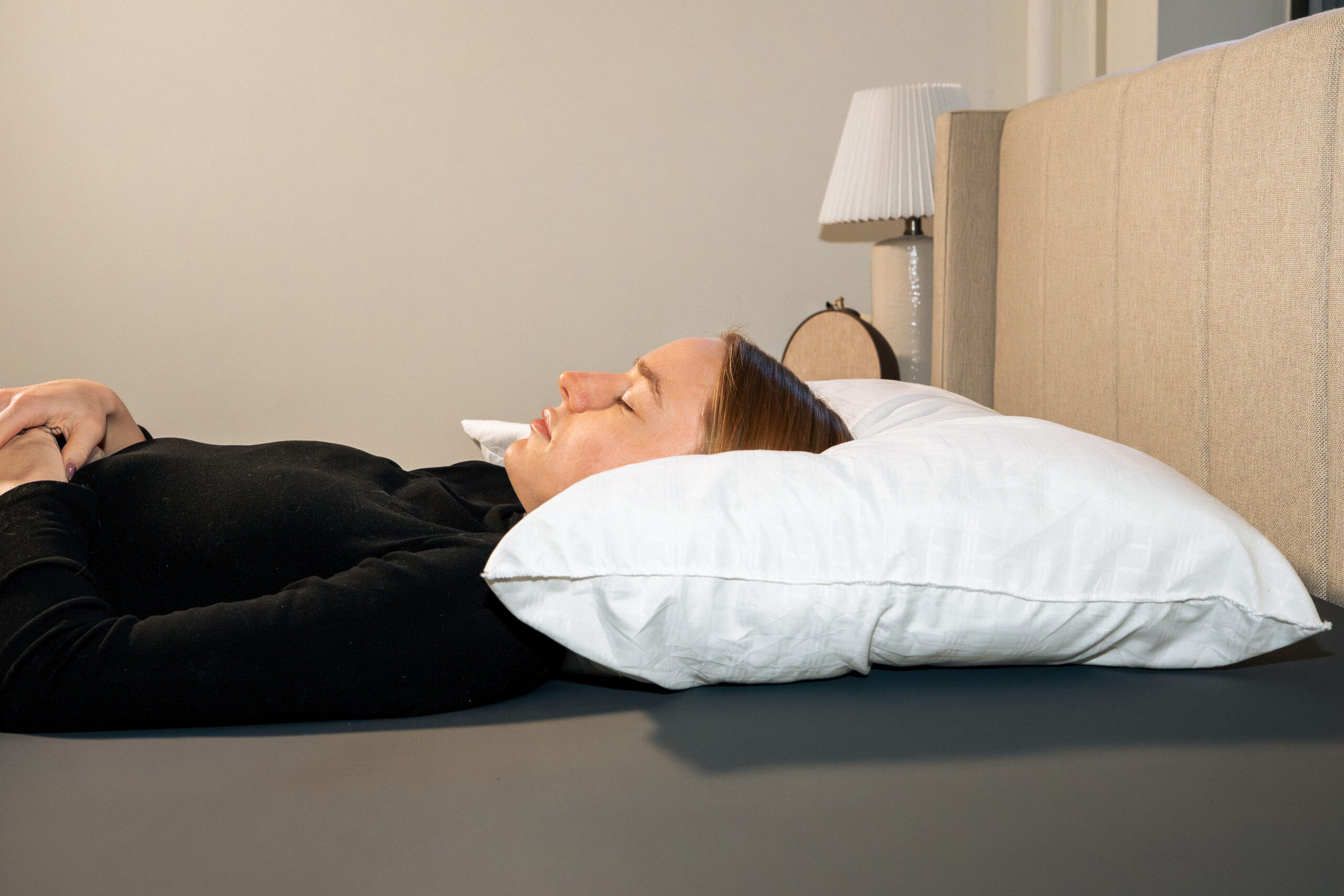
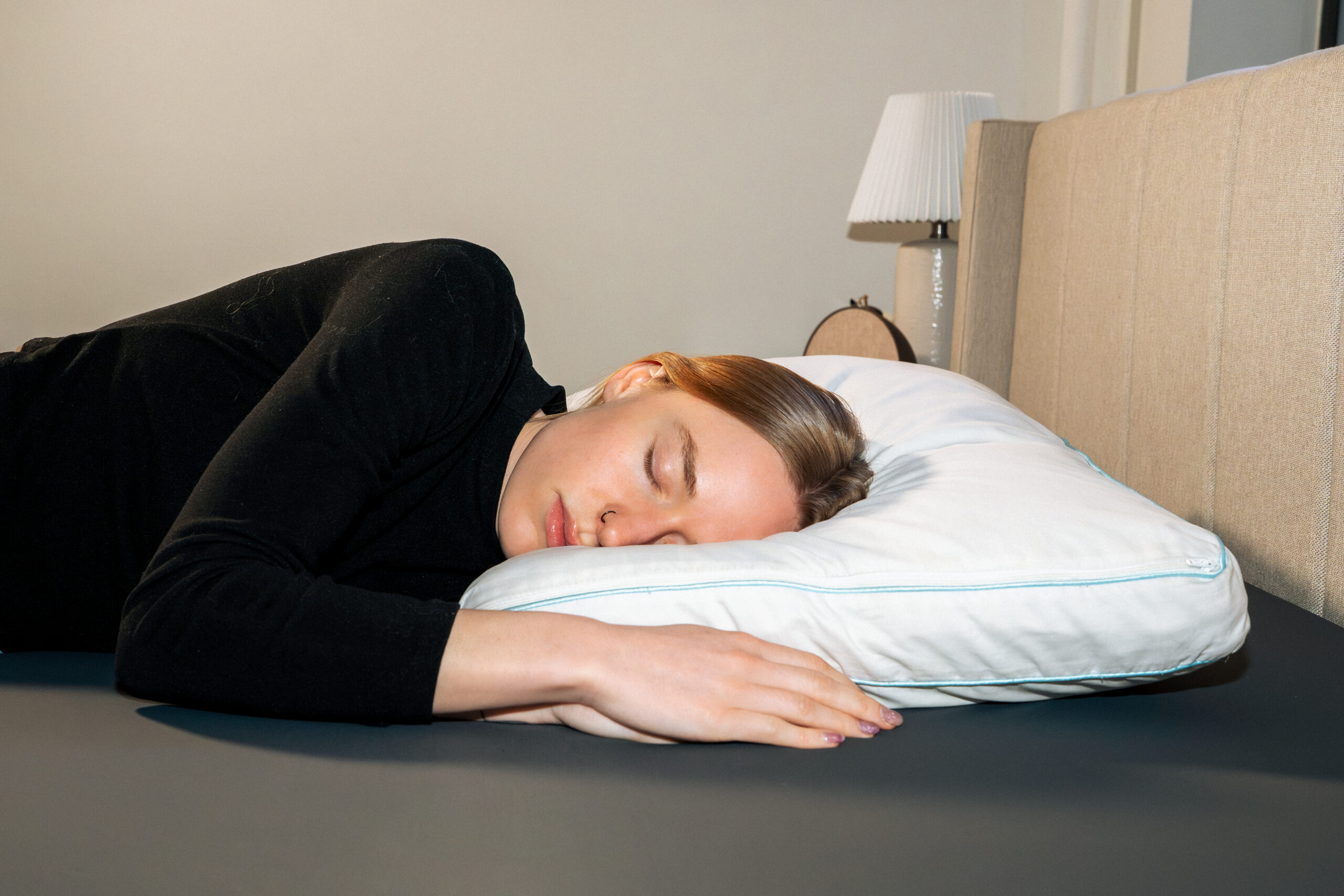
Side sleeping was a clear fail — the fill compressed so much that the head dropped well below shoulder height. Back sleeping was marginally better at lighter body weights, but still showed visible neck extension. If your neck hurts in the morning, this test is probably the explanation.
Test 3: Fill
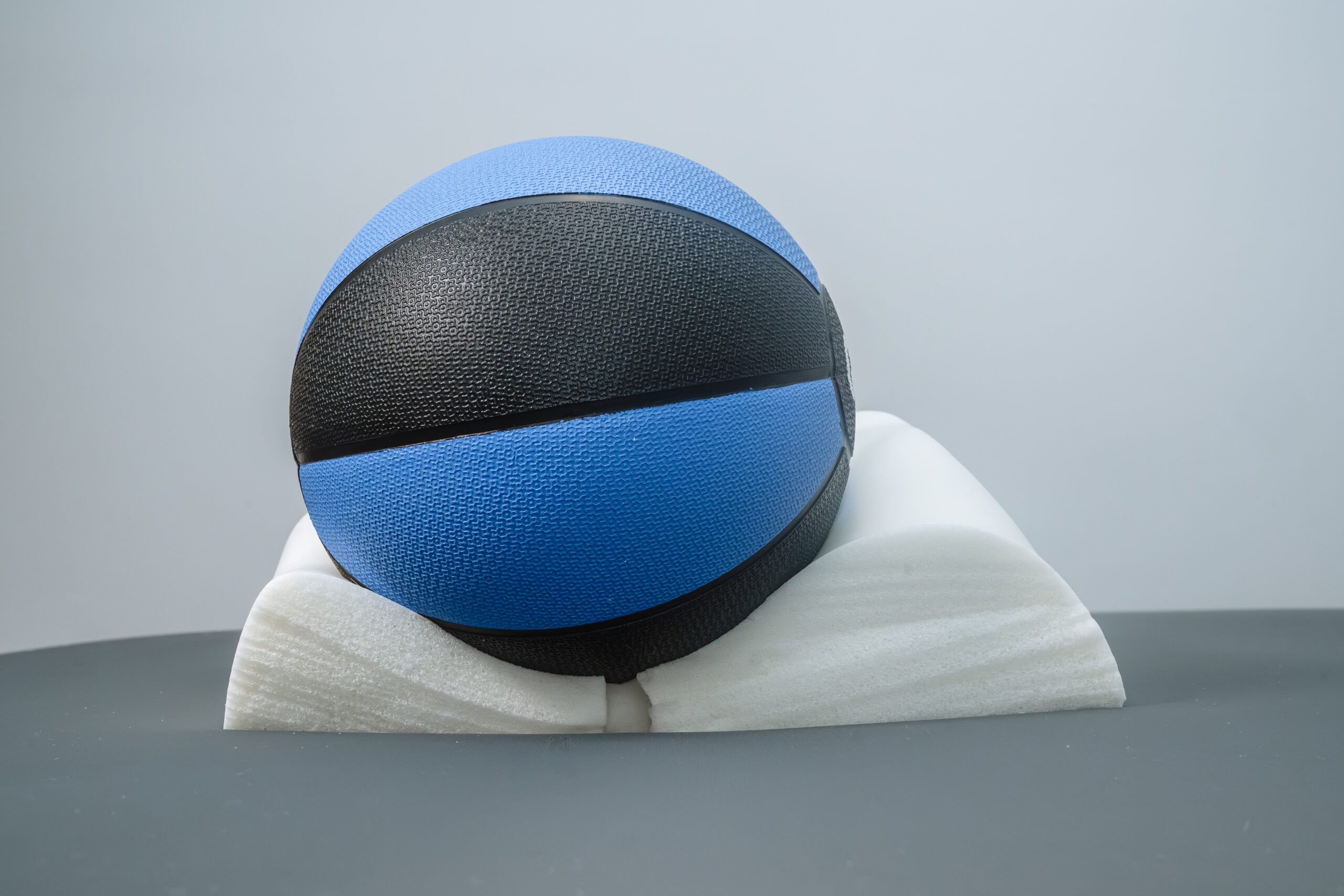
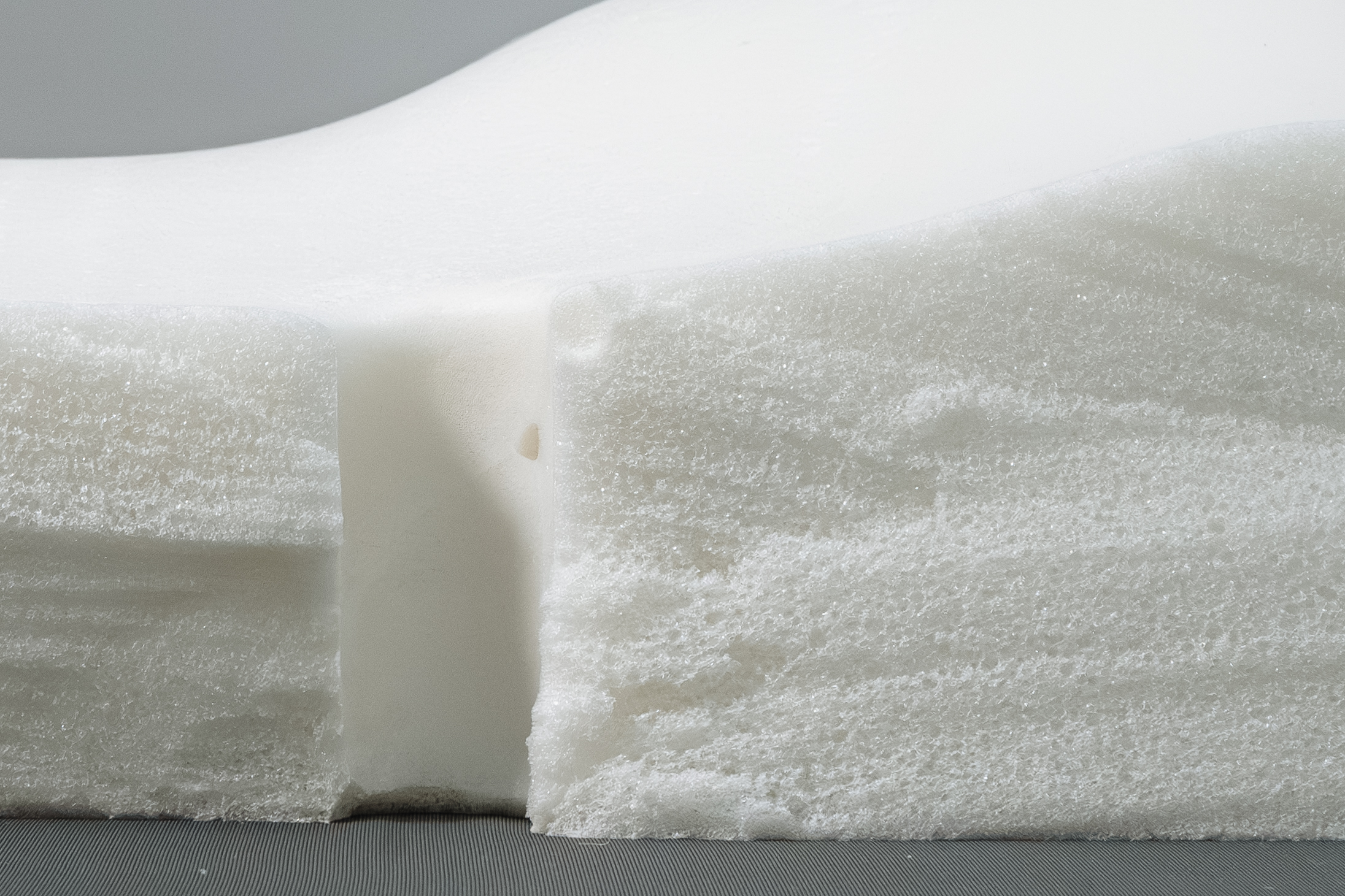
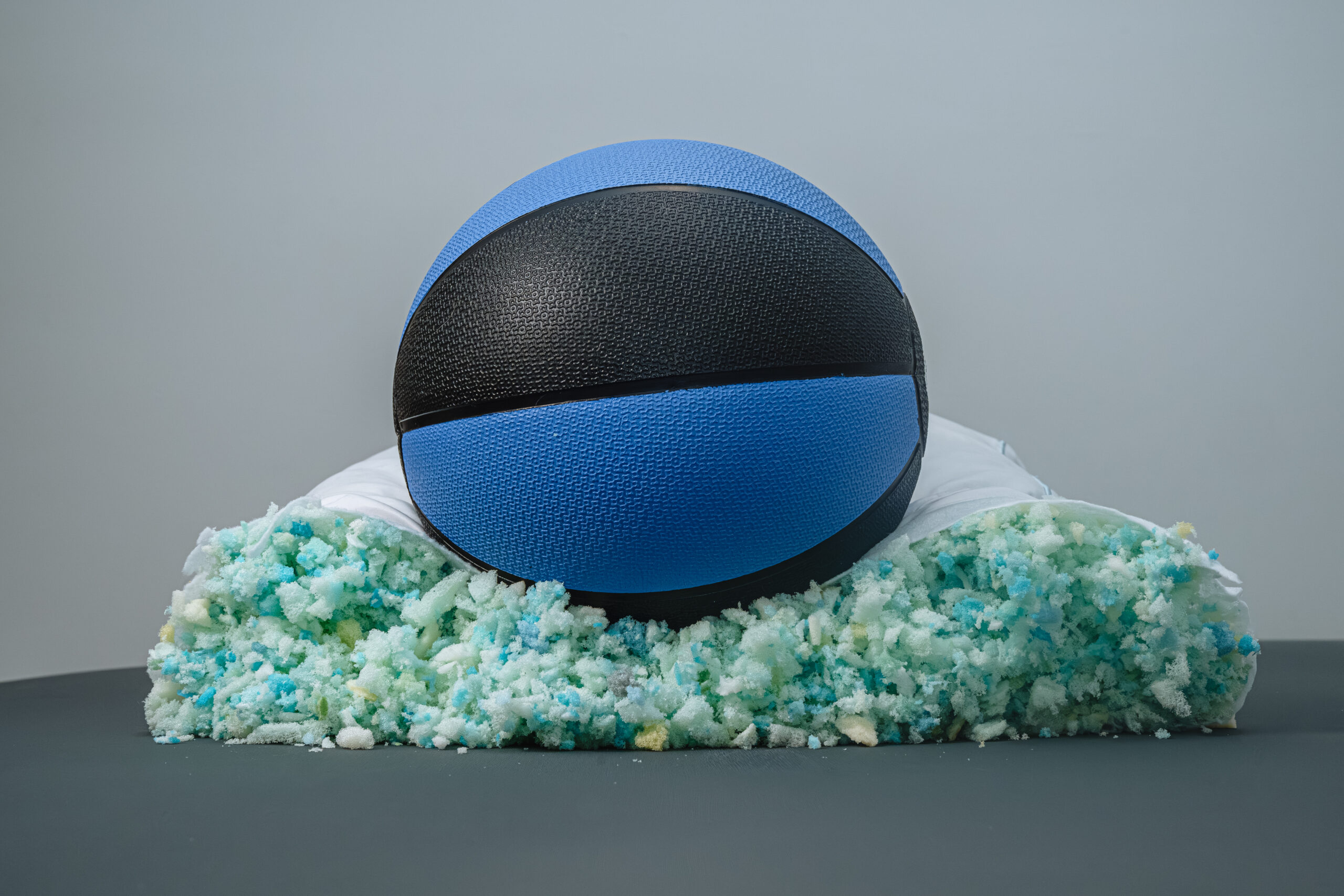
In the cut test, the shredded recycled memory foam spread away from the ball rather than supporting it. There’s no structure here.

Verdict: The fiber compresses permanently over time — this pillow will be flat within weeks of regular use.
Testing Breakdown
What These Tests Actually Revealed
- Fill type is the most important factor. High-density memory foam holds up. Polyester fiber doesn’t. Mixed fills degrade faster than single-material fills.
- Most pillows are built for one position, marketed for all of them. The alignment photos are honest in a way that product pages aren’t.
- Adjustability solves the position problem — but only if you’re willing to dial it in. The Dosaze is the most forgiving out of the box.
- “Ergonomic” on the label means nothing without proof. The ball drop and alignment shots tell you everything the marketing copy doesn’t.
- The cheap pillow is the most expensive long-term mistake. Replacing a $20 pillow every year costs more than buying a good one once.
The Bottom Line
