


Beyond the familiar story of Jesus’ resurrection, explore Easter’s traditions and symbols. Like Christmas, Easter has gained secular appeal, with bunny rabbits, spring decorations, and chocolate enticing even non-churchgoers. Learn about its rich history, from unique foods to quirky superstitions, and share trivia to enrich your celebrations.
Easter baskets have special symbolism
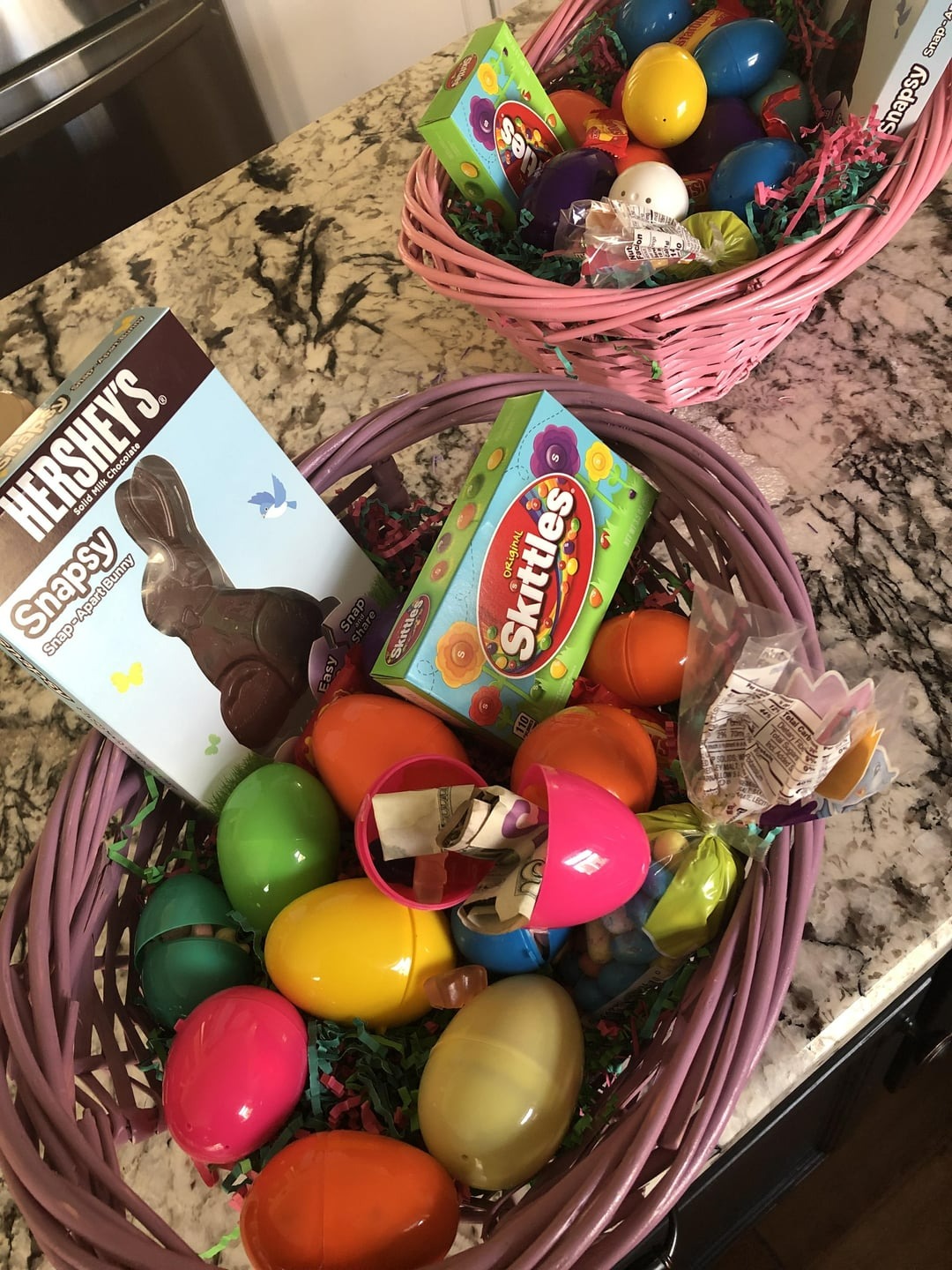
The woven treat containers symbolize bird nests and new life, especially when filled with eggs. They also serve as practical tools for gathering goodies during Easter egg hunts.
Thank Germany for the bunny
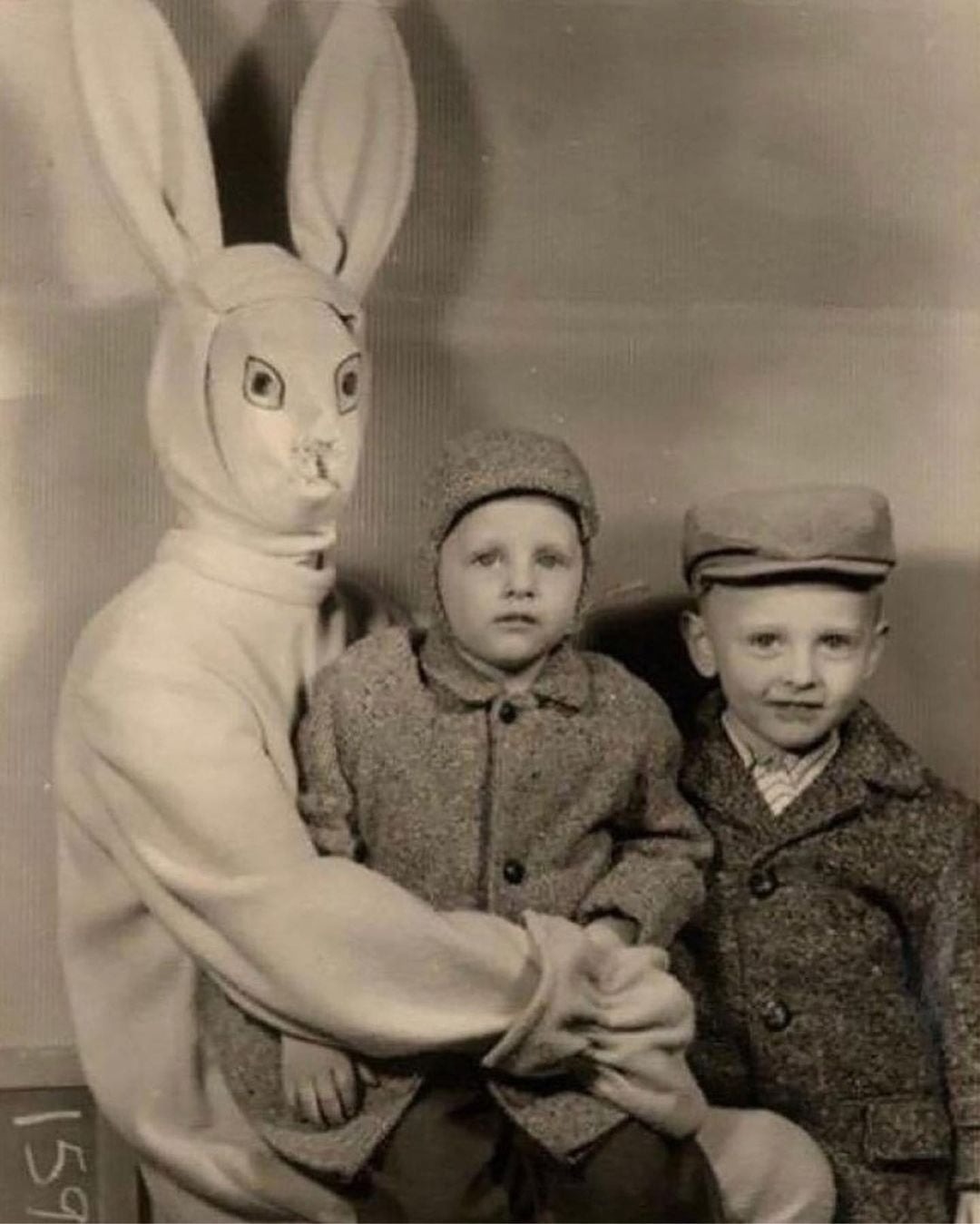
The concept of the Easter bunny delivering candy and eggs originated in Germany during the Middle Ages, with the earliest written reference to this tradition dating back to the 16th century. Dutch settlers in Pennsylvania introduced the bunny to the United States in the 1700s, and the tradition has since become a beloved part of Easter celebrations.
Source:
reddit
Easter lilies, a relatively new tradition
These exquisite blooms originated in Japan and were introduced to England in the late 18th century. The United States adopted the trend after World War I. The transformation from dormant bulbs to delicate flowers evokes themes of hope and rebirth, central to the Easter celebration.

Source:
reddit
Easter eggs have medieval origins
Find Easter egg hunts strange? Consider this medieval children’s game: A priest would entrust a hard-boiled egg to one choir boy, who would then pass it among themselves until midnight. Whoever held the egg when the clock struck midnight could eat it. Hopefully, they had some salt and pepper to go with it!
Source:
reddit
Easter clothes used to be considered good luck
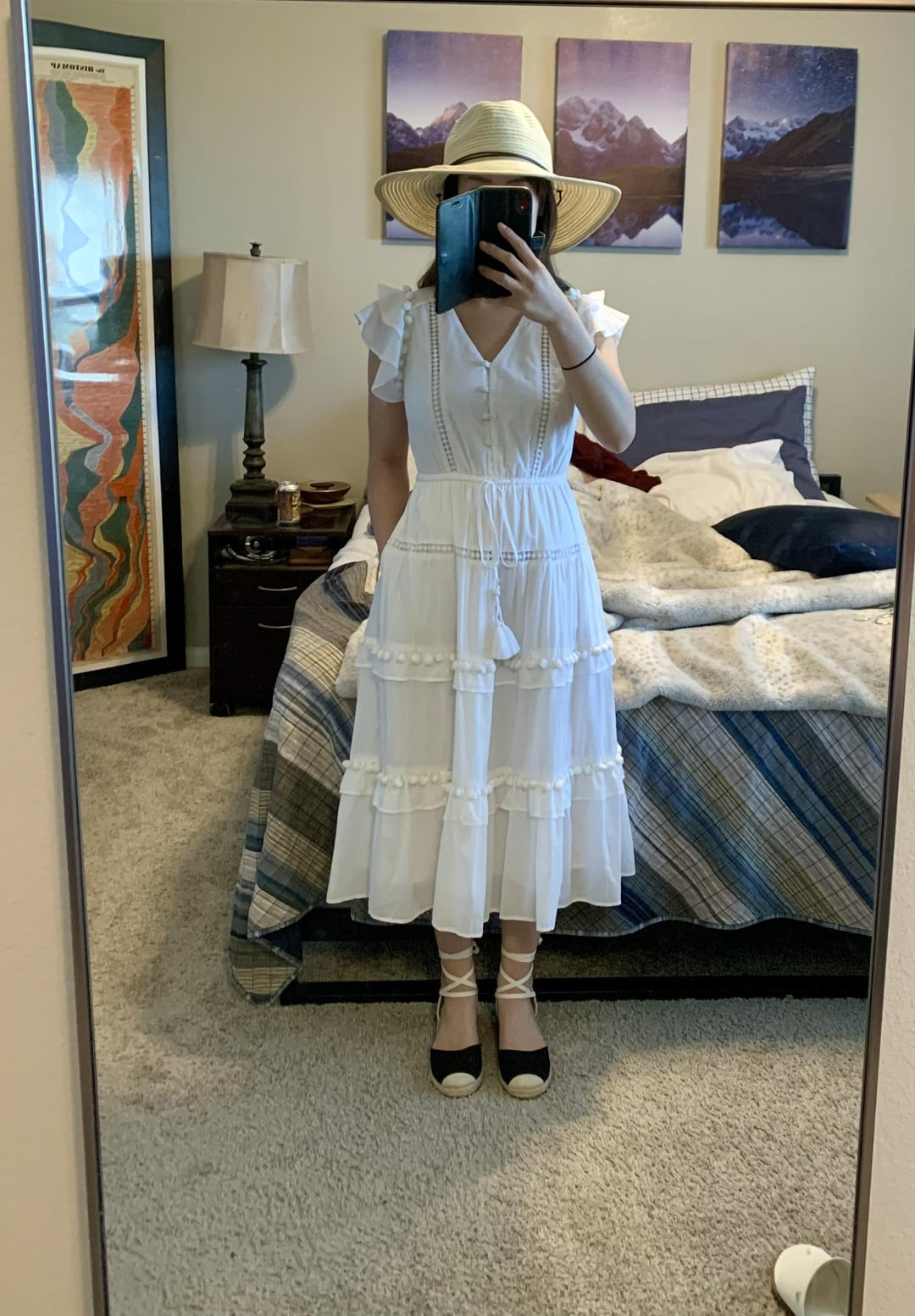
An old superstition suggested that wearing new clothes on Easter would bring good luck for the year ahead. This belief was so prevalent that affluent New Yorkers would proudly display their new attire after Easter mass at upscale midtown churches. This tradition eventually evolved into the more inclusive Easter Parade and Easter Bonnet Festival in New York, shedding its elitist connotations.
Source:
reddit
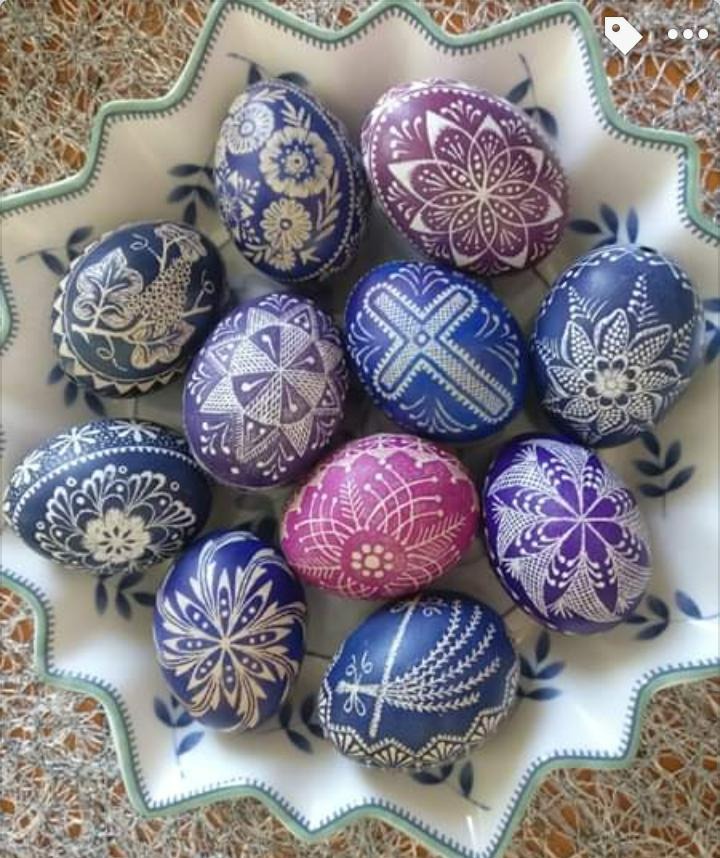
Easter eggs date back way before Easter
Evidence suggests that Easter eggs have roots in Medieval Europe, and it’s possible that Christians weren’t the ones to initiate the tradition of giving eggs. Eggs have long been recognized as symbols of fertility and rebirth in various cultures worldwide.
Source:
reddit
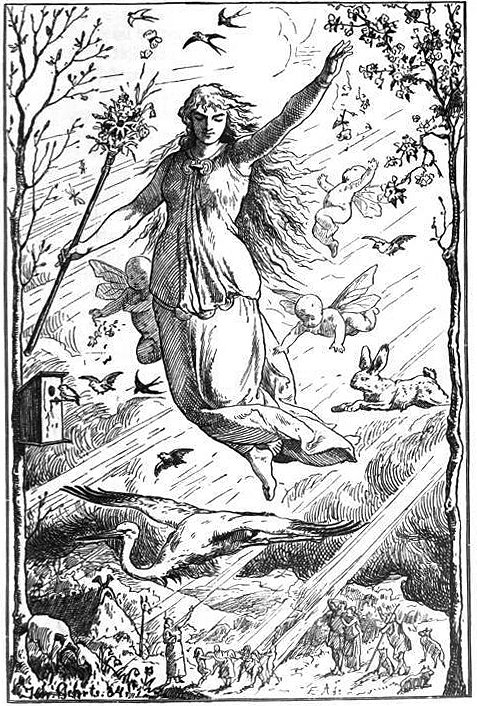
The holiday was named after the Anglo-Saxon goddess Eostre
Scholars suggest that Easter derived its name from a festival honoring Eostre and the arrival of spring. Eostre’s sacred symbols, believed to be the hare and the egg, also feature prominently in Easter symbolism.
Source:
wikipedia
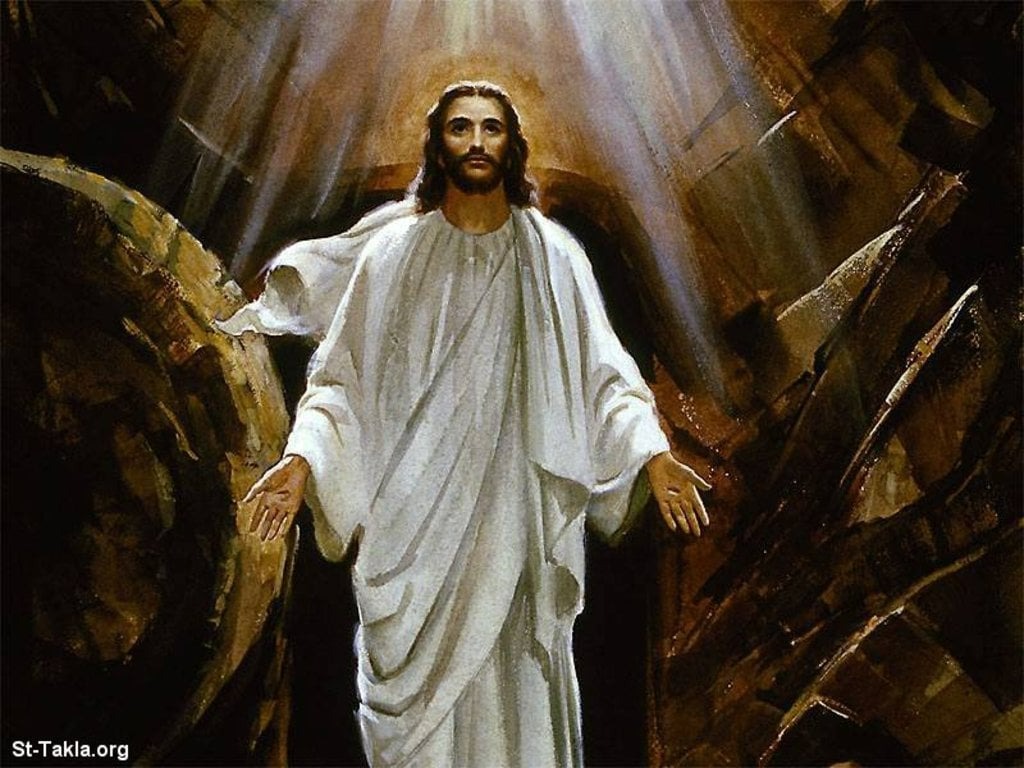
Eggs are dyed to represent the blood of Jesus Christ
Indeed, that theory is one of the suggested origins, stemming from early Christians in Mesopotamia. While there isn’t a definitive reason behind the tradition, it’s thought to have been influenced by various cultural practices. Additionally, the aesthetic appeal of dyed eggs and the enticement for children to consume them may have contributed to their prevalence in Easter celebrations.
Source:
reddit
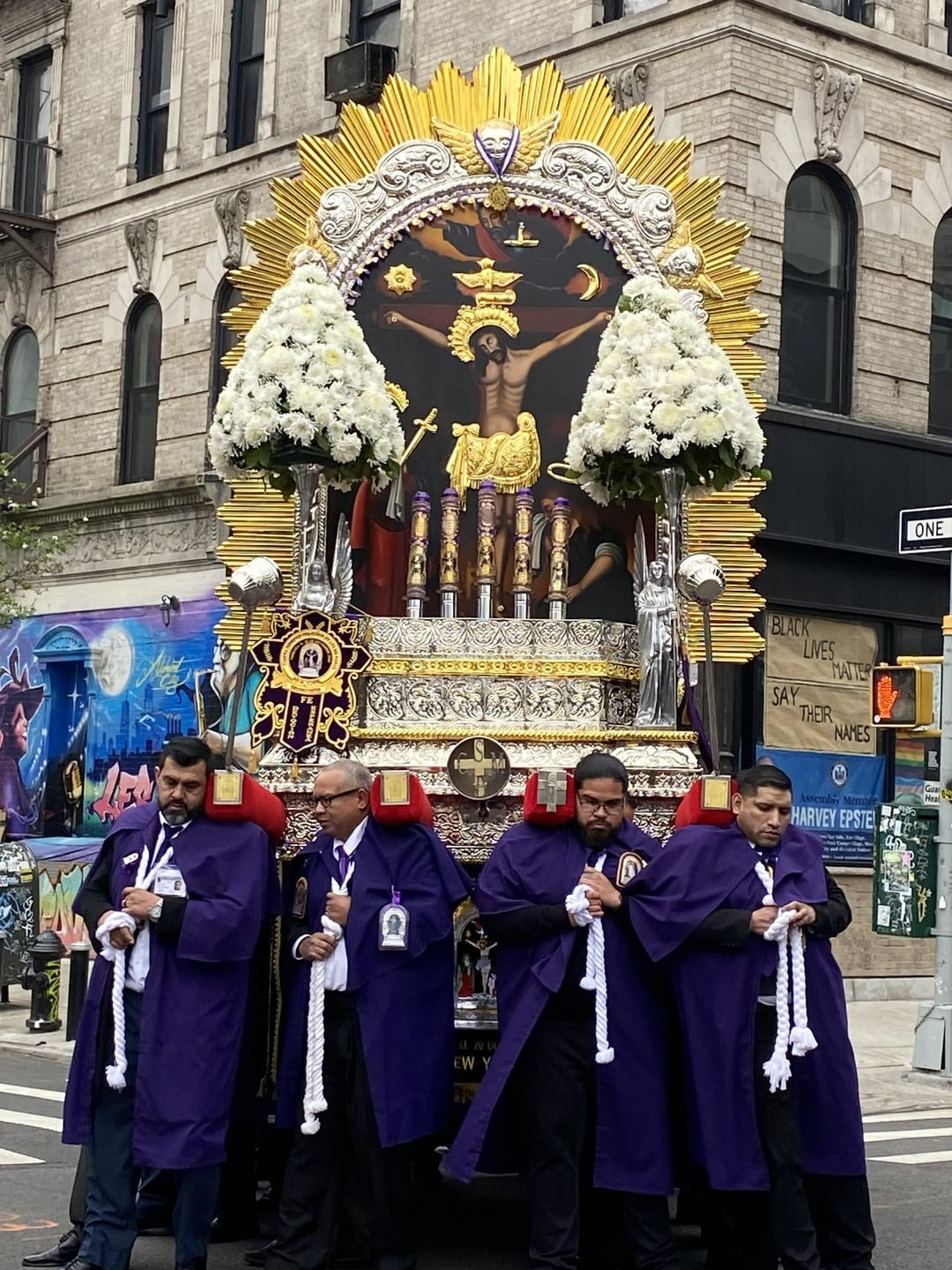
Good Friday is recognized as a holiday in only 12 states
Good Friday, which takes place two days before Easter Sunday, is a solemn observance commemorating Jesus Christ’s crucifixion. While it isn’t recognized as a federal holiday, certain states, such as New Jersey, North Carolina, and Tennessee, officially observe it.
Source:
reddit
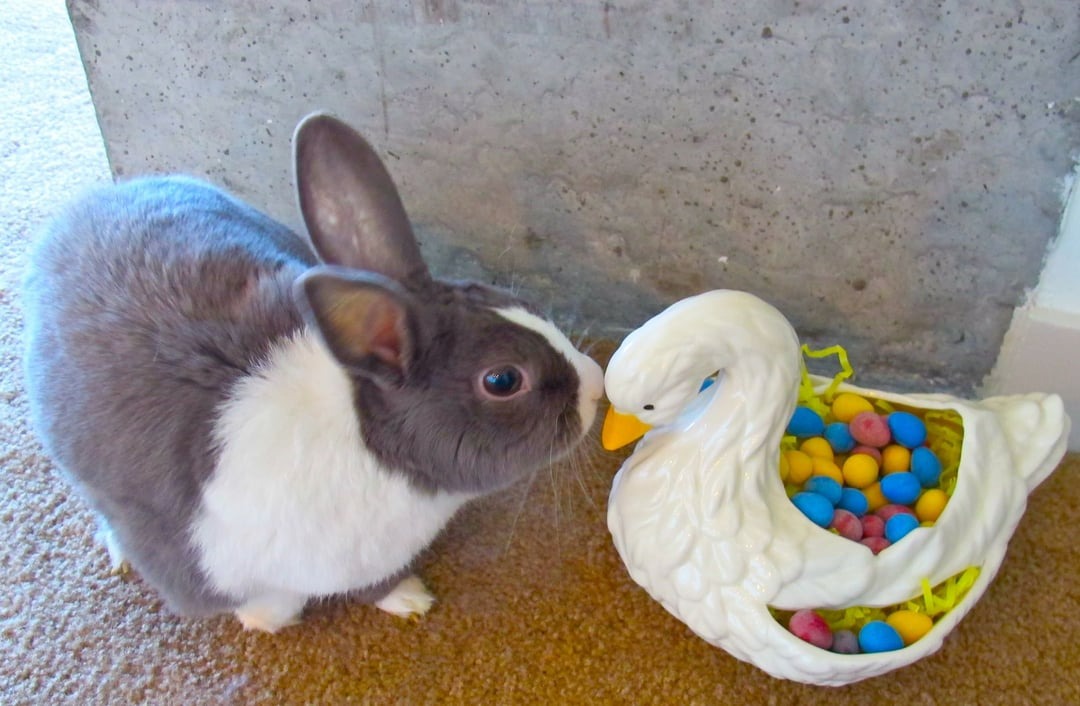
In 2020, 77% of American adults celebrated the holiday
According to the National Retail Federation, about half of those who observe Good Friday choose to mark the occasion with a holiday meal, while a third opt to visit family and friends virtually. This year, it’s likely that many more people are preparing for in-person Easter festivities.
Source:
reddit
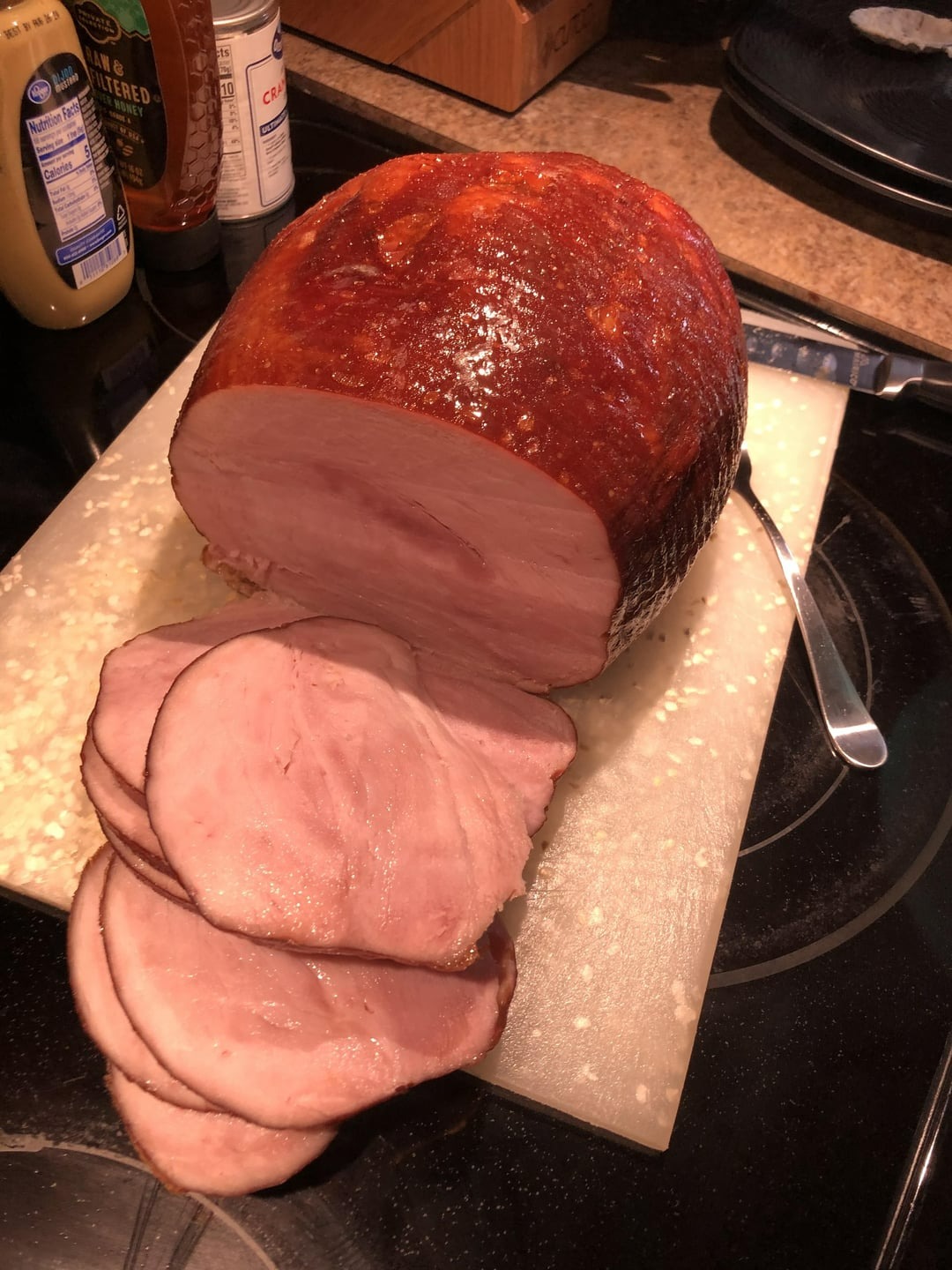
There’s a reason you eat ham for Easter dinner
In the past, early Easter celebrants typically ate lamb, reflecting the holiday’s origins in Jewish Passover traditions. However, nowadays, many American Easter dinners commonly feature ham instead, mainly due to the timing of the holiday. Historically, hams cured over the winter months would have been ready to serve in early spring.
Source:
reddit
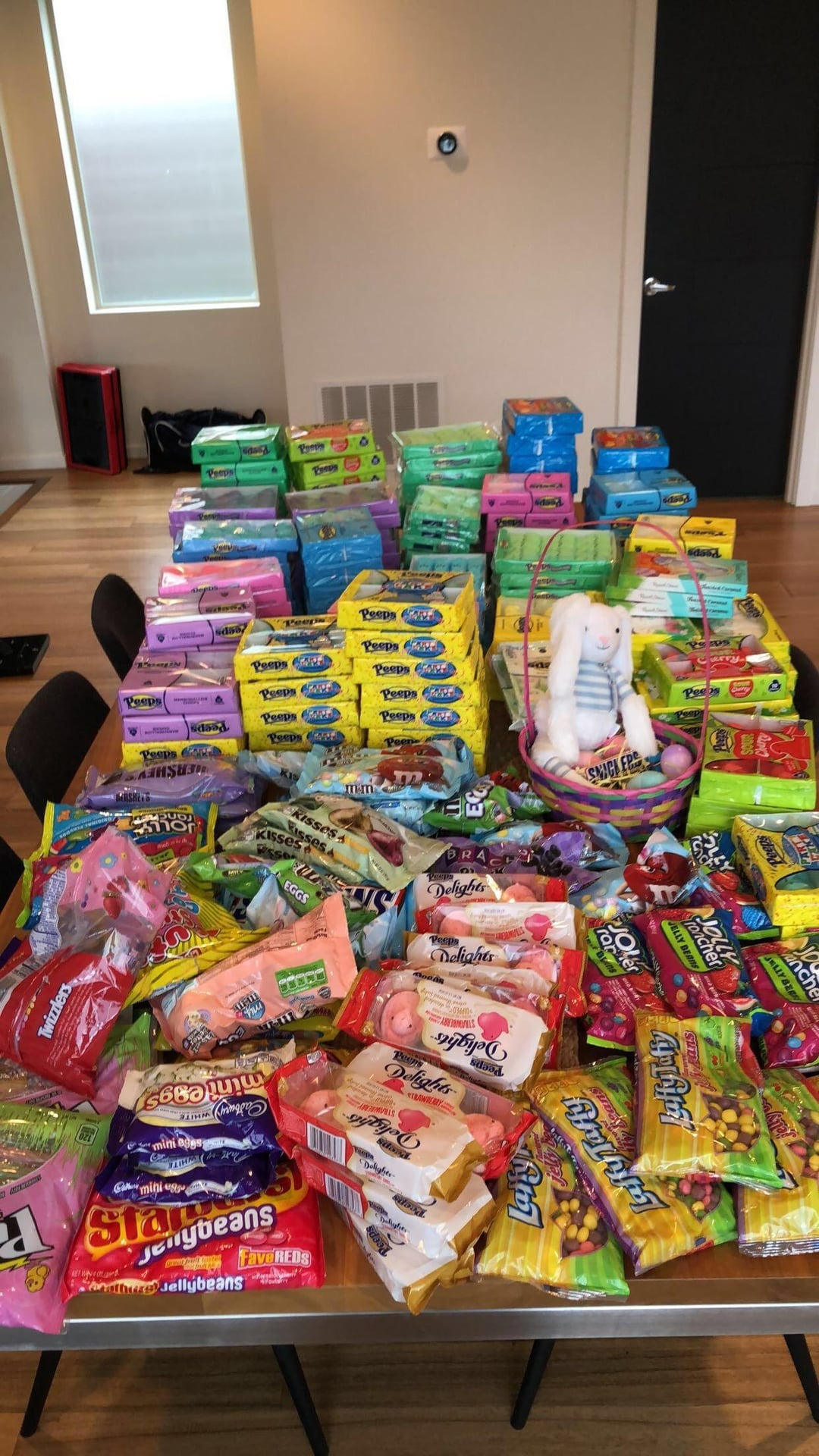
Easter and Halloween compete for the highest candy sales
The two holidays compete for the highest candy sales each year. In fact, in some years, people buy more candy the week before Easter than the week before Halloween. This is partly because Halloween purchases are spread out over the month leading up to the spooky night.
Source:
reddit
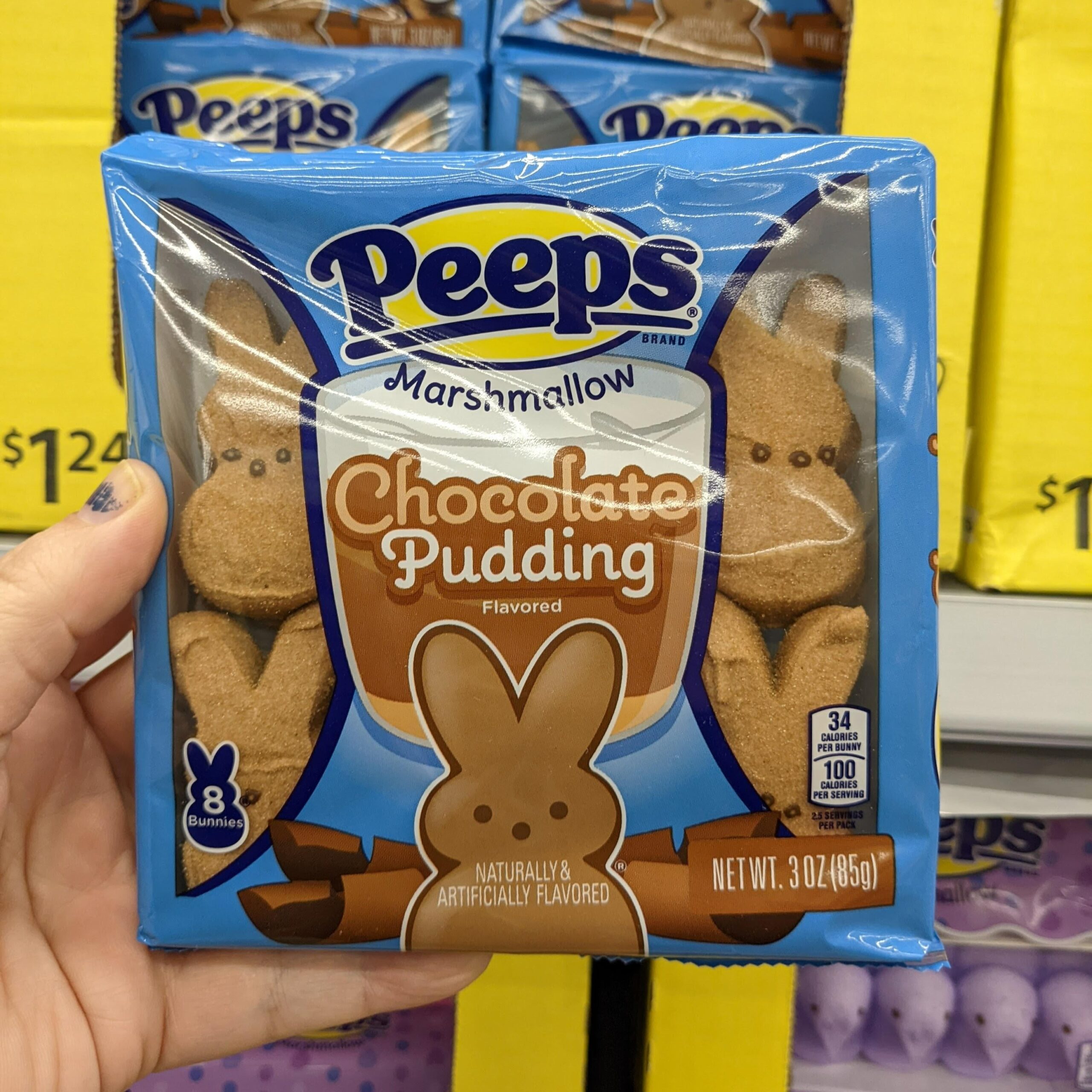
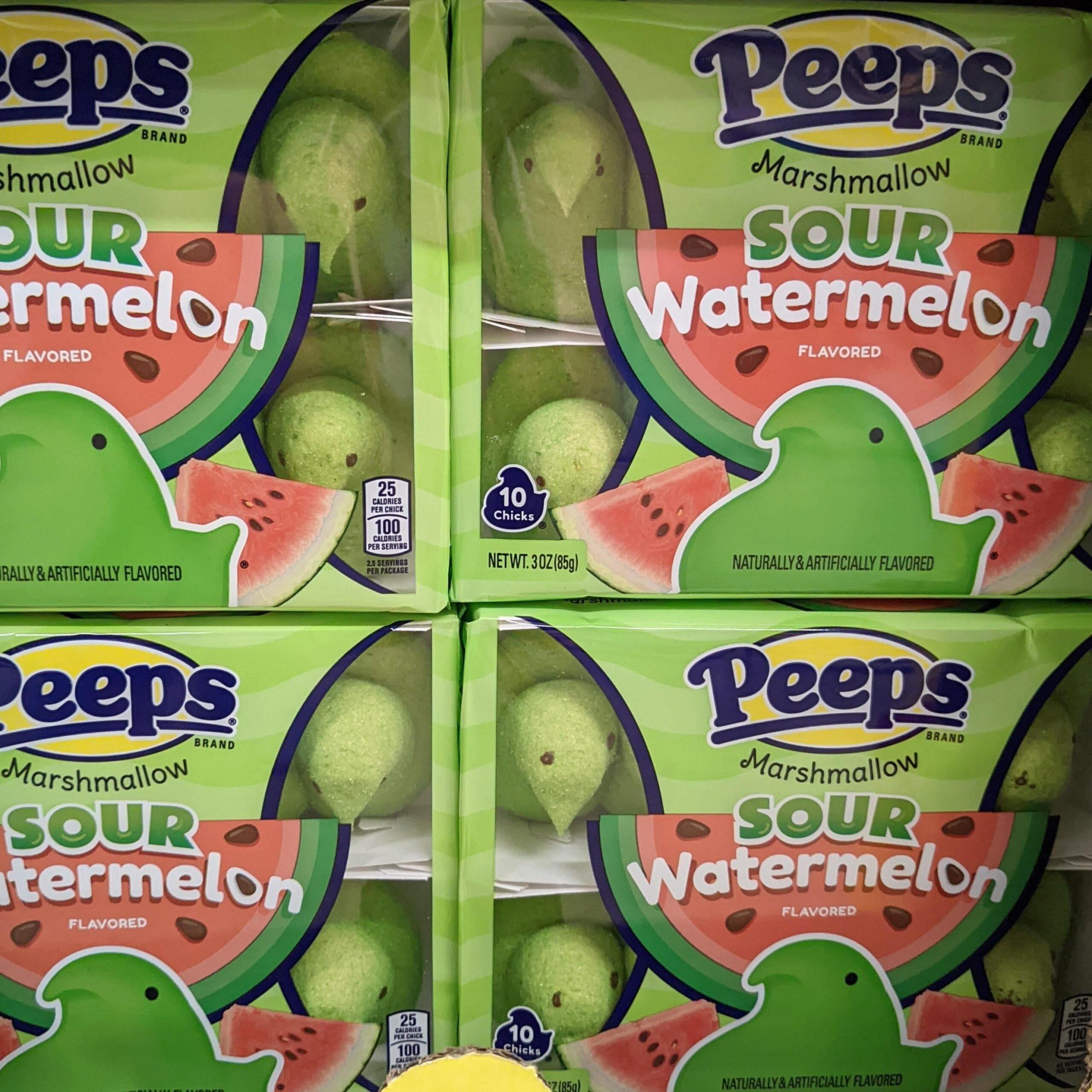
Americans eat about 1.5 million Peeps during Easter
These colorful marshmallows are the most popular non-chocolate Easter candy, with the Bethlehem, Pennsylvania, factory producing an impressive 5.5 million marshmallows a day. For an even tastier treat this year, try dipping them in melting chocolate.
Source:
reddit
In 1953, it took 27 hours to make one Peep
Back when marshmallow peeps were still new to the world and handmade with a pastry tube, the process was quite labor-intensive. However, thanks to a unique machine called The Depositor, it now takes just six minutes to create the unique and instantly recognizable shape of peeps.
Source:
reddit
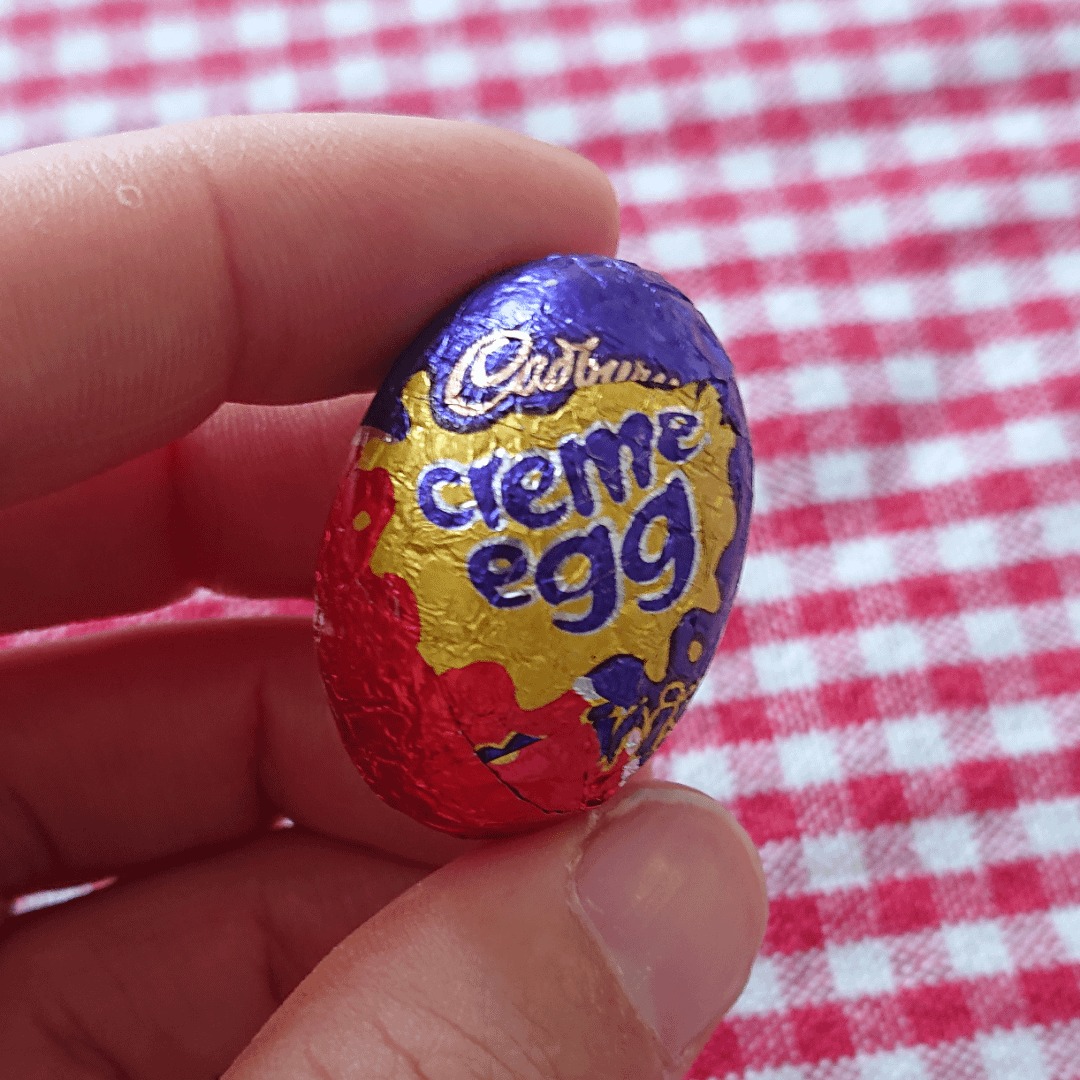
More than 1.5 Million Cadbury Creme Eggs are made every day
Even more impressive is the Bournville factory in Birmingham, England, which churns out a staggering 500 million cream-filled eggs every year. If you were to pile all those eggs on top of each other, they’d create a tower taller than Mt. Everest. Now, that’s what I call an epic egg hunt!
Source:
reddit
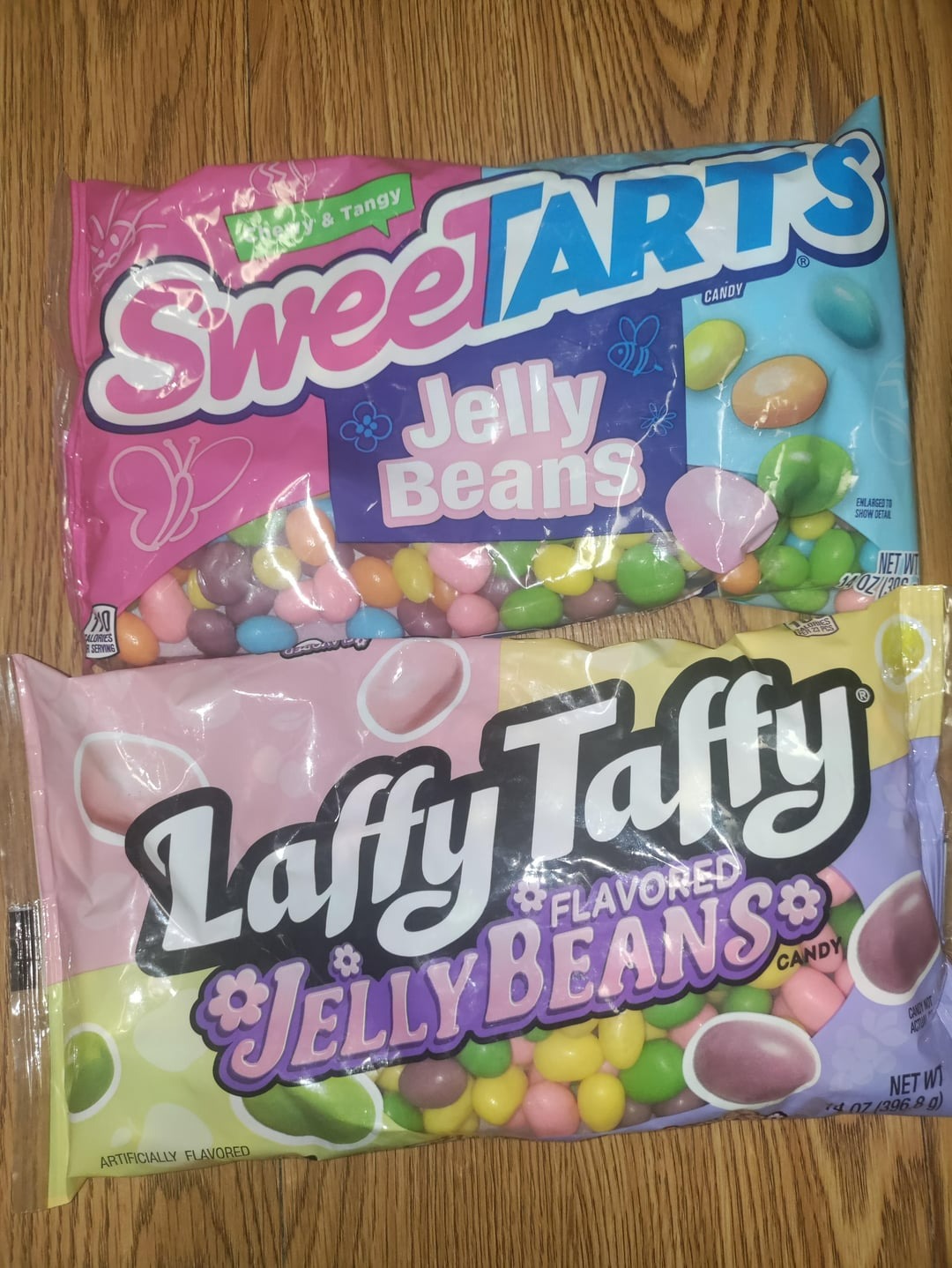
Americans consume over 16 million jelly beans during Easter
That’s enough jelly beans to circle the globe not just once or twice, but three times over—or to fill a plastic egg the size of a nine-story building. First introduced as an Easter treat in the 1930s, we can’t imagine this day without them.
Source:
reddit
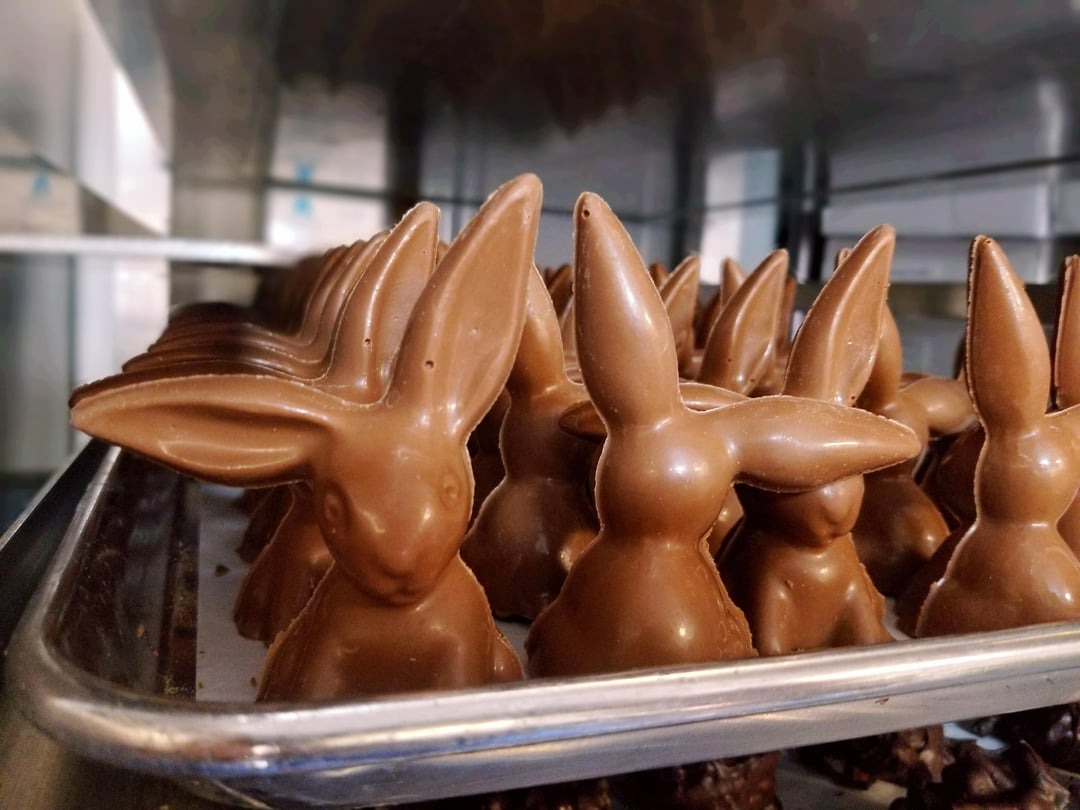
Around 90 million chocolate bunnies are sold for Easter
With $2.6 billion spent on candy alone during this religious and secular spring celebration, it’s no surprise. And that’s just in the United States. We bet most of those people have opinions on whether to devour theirs tail or ears first.
Source:
reddit
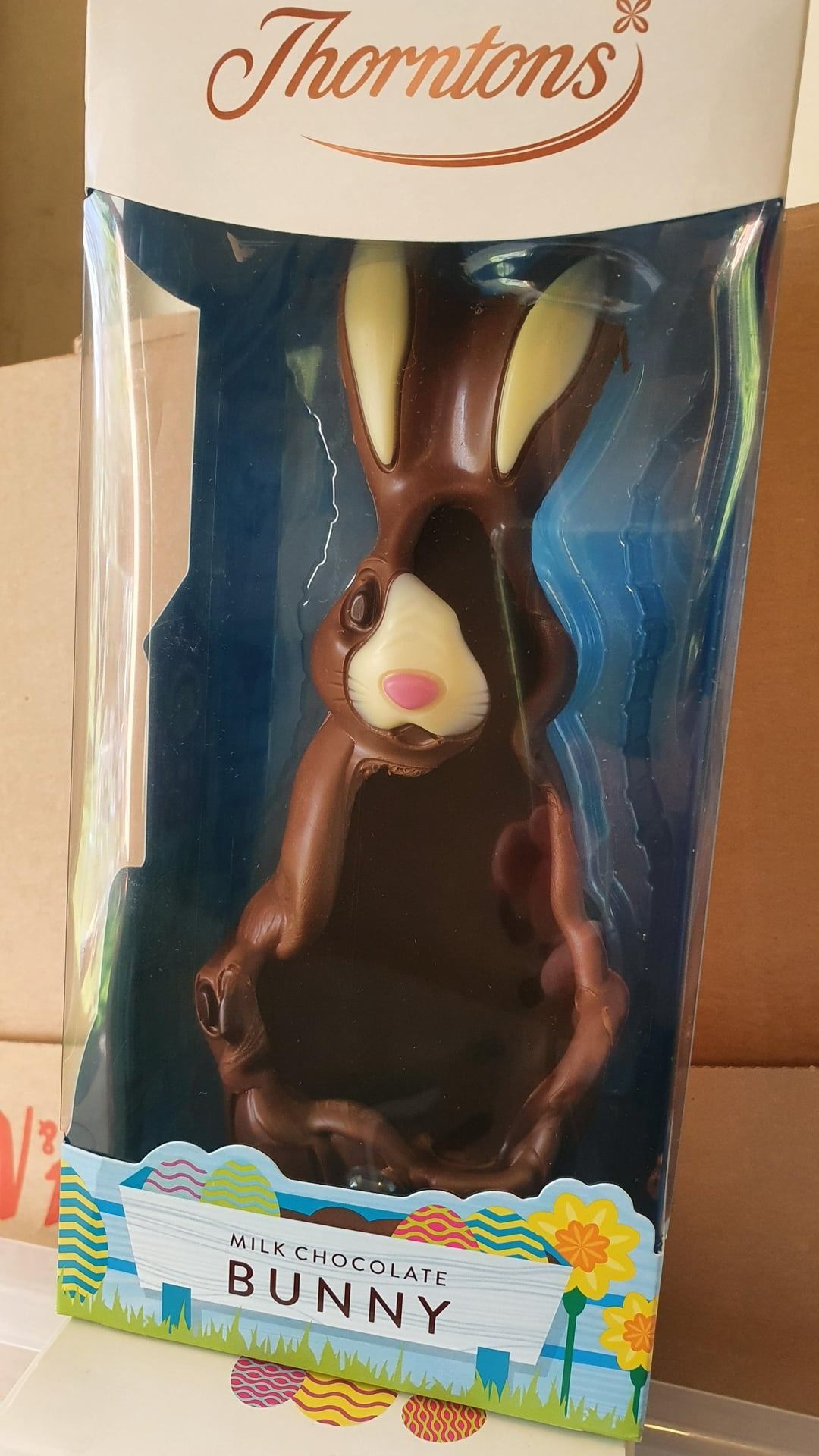
59% of people eat the ears first
Only a handful start with the feet or tail, while the rest apparently don’t have a plan of action. If you fall into the latter category, consider this your inspiration to give it a little thought before cracking into yours (or the kids’).
Source:
reddit
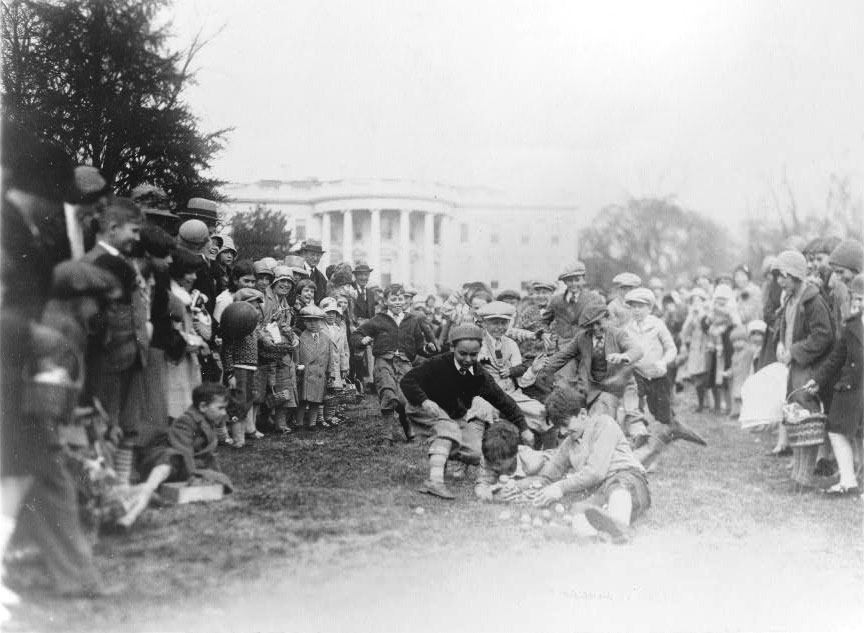
The White House Easter Egg Roll tradition started in 1878
Legend has it that President Rutherford B. Hayes was approached by children while taking a walk, asking about the possibility of an Easter egg roll. Enamored with the idea, it has since become one of the cutest annual events at the White House.
Source:
wikipedia
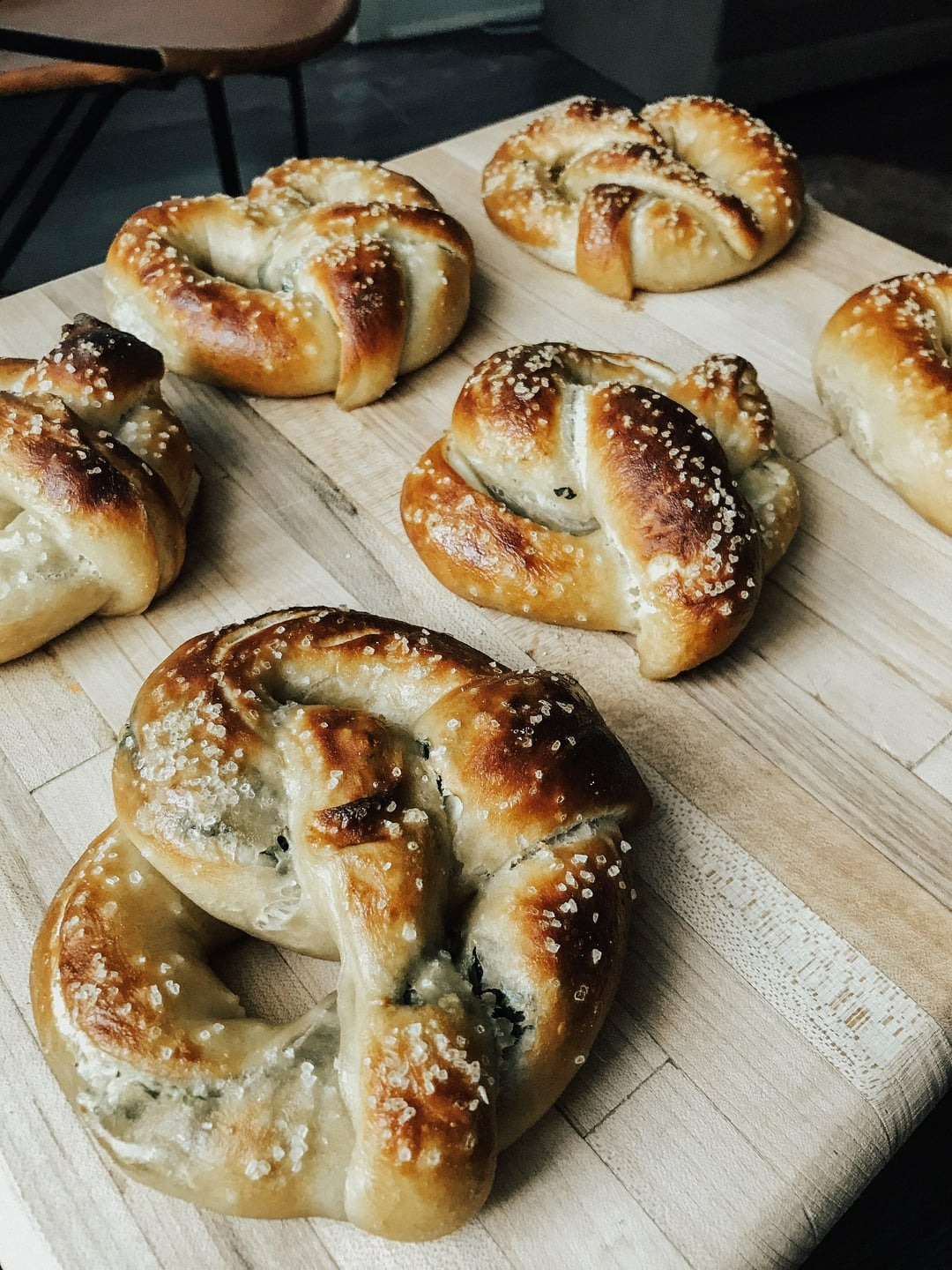
In the old days, pretzels were associated with Easter
Why? Because the twists of this salty treat resemble arms crossing in prayer. We believe it’s time to reintroduce this savory snack to the sweets-filled holiday because life is all about balance.
Source:
reddit
Please SHARE this with your friends and family.


