Your body is incredible, allowing you to think, breathe, eat, and move every day because of all its systems working together.Thankfully, your body usually gives signals when something is wrong. To help you notice these signs and quickly consult your doctor, we’ve listed subtle signs that are easy to spot once you know what to look for.
Your eyes are always dry
Dry eyes can be caused by various factors, such as spending too much time in front of a computer screen. However, a more serious cause could be Sjögren’s syndrome, an autoimmune disease that inflames the tear-secreting glands in your eyes, reducing tear production and causing chronic dry eye problems, according to the Sjögren’s Syndrome Foundation. This condition can also lead to dry mouth.
White patches inside your mouth
White patches inside your mouth or white spots on your tongue could be leukoplakia. According to the American Cancer Society, this condition often occurs in people who smoke or use tobacco, and if left untreated, it can develop into mouth cancer.
Do you often find yourself searching for an extra sweater or blanket? Low thyroid production can make you feel cold. According to Harvard Medical School, this happens because your slowed-down cells burn less energy, resulting in less body heat. As a result, you might frequently reach for a sweatshirt when everyone else is comfortable.
Your dreams might seem insignificant, but they can reveal a lot about your health. According to the American Parkinson Disease Association, experiencing intense and vivid dreams or nightmares—especially if you act them out in your sleep—can be an early sign of Parkinson’s disease.
If your fingers change color after exposure to cold—turning white, then blue—it could be due to Raynaud’s disease. According to the Mayo Clinic, this happens when the arteries supplying blood to the skin become too narrow, causing your fingers to feel cold and numb until they warm up.
If you’ve been feeling tired, forgetful, and spacey, it could be a sign of hypothyroidism. According to the Mayo Clinic, these symptoms occur when your thyroid gland is underactive and not producing enough hormones for your body to function properly.
Bloating can be caused by what you eat, but it might also indicate something more serious. One of the most noticeable symptoms of ovarian cancer in women is bloating, which happens due to excess fluid buildup in the abdominal cavity, according to Ovarian Cancer Action.
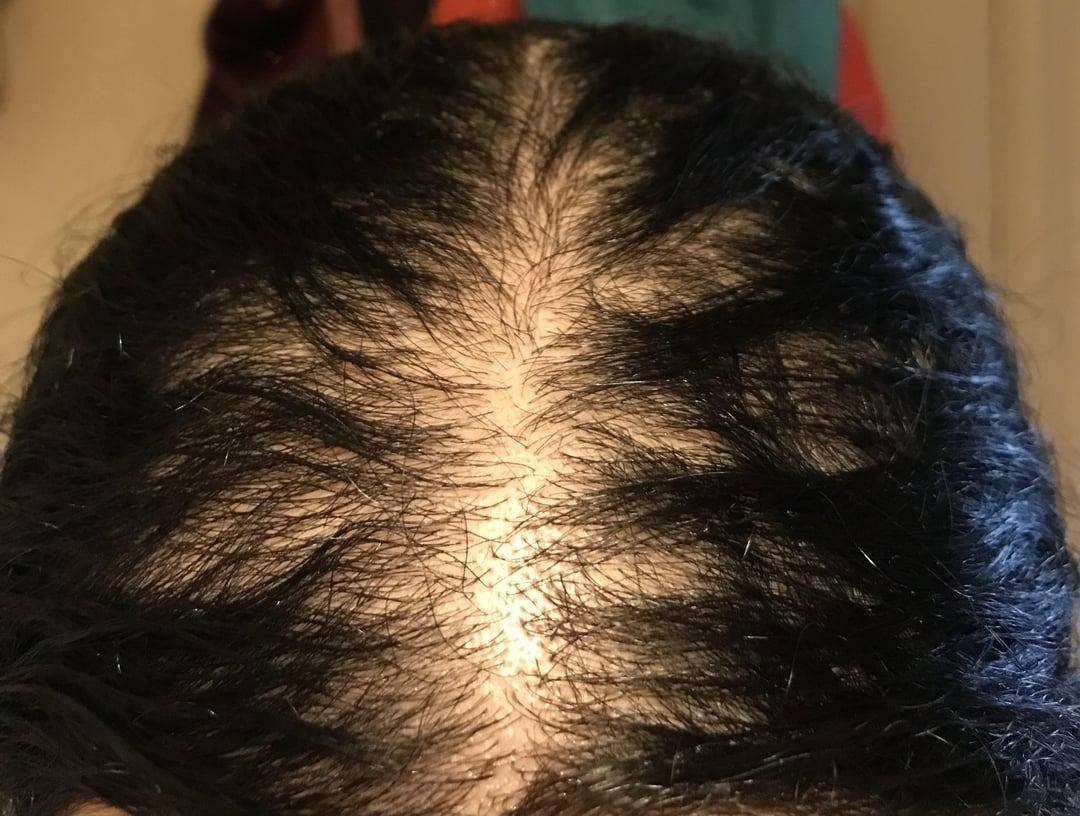
This could be a sign of hypothyroidism, which often results in a puffy or swollen face, thinning hair, and muscle weakness due to your thyroid gland not producing enough hormones, according to the Mayo Clinic. If left untreated, it can lead to serious issues like infertility and heart disease.
While hair loss affects millions of people annually, the American Academy of Dermatology notes that sudden onset hair loss could be linked to an underlying illness. Two potential medical conditions are thyroid disease and anemia, both of which can cause hair loss that is treatable and reversible.
For some, the notion of losing weight without effort may seem like a dream come true. However, in reality, it could signal a serious issue. Inexplicable weight loss is a symptom of stomach cancer, according to the American Cancer Society, often linked to a loss of appetite or directly attributable to the disease itself.
Or gaining a lot of weight—and you’re not sure why
If you suddenly begin gaining weight despite no changes in your diet or exercise routine, it could be a sign of hypothyroidism. The thyroid hormone regulates metabolism, and an underactive thyroid gland can lead to a low basal metabolic rate (BMR), contributing to weight gain, as noted by the American Thyroid Association.
Normal moles and freckles typically have round and regular shapes. However, spots that are asymmetrical, have irregular borders, or are increasing in size might indicate melanoma, a serious form of skin cancer, according to the Skin Cancer Foundation. Performing regular total body self-exams is crucial for early detection and maintaining your health.
“Skin cancer is the most common cancer worldwide. In the United States, there are more new cases of skin cancer each year than all other cancers combined,” says dermatologist Keira L. Barr, MD, founder and chief wellness officer of Resilient Health Institute. “By simply ‘partying’ in your birthday suit every single month and looking for any ‘uninvited guests,’ you have the ability to save your own life.”
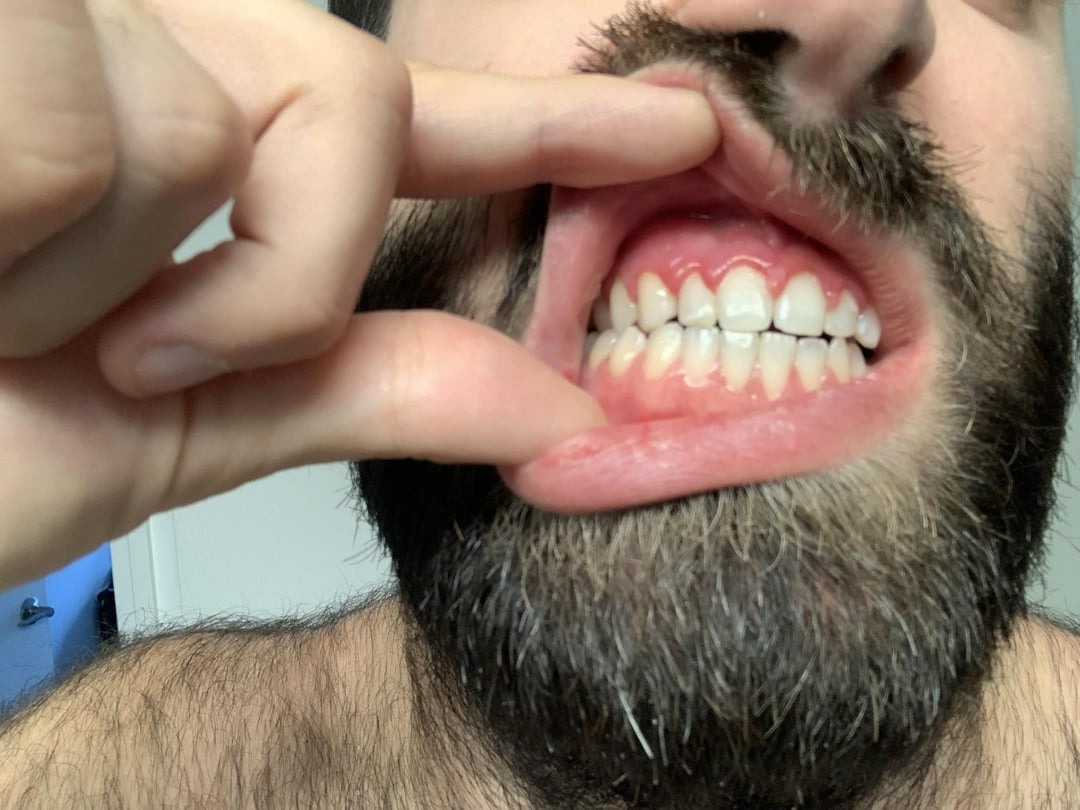
Dental erosion can often be a subtle sign of gastroesophageal reflux disease (GERD). According to Inna Chern, DDS, of New York General Dentistry, patients may not realize they have GERD because they don’t experience pain. Dental professionals can detect a distinctive pattern caused by acid regurgitation into the mouth.
“The damage is usually to the upper front teeth on the palate side and the lower back teeth on the tongue side; the areas are very smooth and often discolored due to the enamel loss,” she says. “General signs of dental erosion due to GERD include sensitivity, discoloration, thinning enamel, jagged edges, tooth pain, and eventual tooth loss due to fracture and decay.”
If you have GERD, it’s important to watch for Barrett’s esophagus, a severe complication where the esophageal lining becomes irritated due to repeated exposure to stomach acid, as noted by Summit Medical Group. Watch for signs like a bitter or sour taste in your mouth, a hoarse or raspy voice, and unexplained dry coughing.
Nail clubbing, where the fingertips enlarge and nails curve around them, can indicate lung disease. According to the Mayo Clinic, this condition develops gradually due to low oxygen levels in the blood.
Alzheimer’s disease can significantly impact memory and mental functions, leading to changes in behavior over time. One subtle symptom is frequently losing things. Due to the disease, it’s common to forget where items are placed, often finding them in unexpected locations, as noted by the Alzheimer’s Society.
Loss of smell, known as hyposmia, isn’t just caused by colds. It’s also an early sign of Parkinson’s disease, according to the Parkinson’s Foundation. Because people often go years without realizing this symptom is linked to Parkinson’s, it’s important to discuss any changes with your doctor as soon as you notice them.
If you notice you’re bruising more easily than usual, it’s important to discuss this with your doctor. According to Johns Hopkins Medicine, increased bruising could be a symptom of liver failure, which occurs when a significant portion of the liver is damaged due to a liver disorder.
If you have inflamed gums, it’s important to discuss this issue with both your dentist and your doctor. Harvard Medical School notes that individuals with gum disease have an elevated risk of experiencing a heart attack or stroke.
“Chronic levels of inflammation in the mouth have been linked to heart disease. The gum tissue is very vascular, and one theory is that the mouth is a portal into the bloodstream so bacteria can travel from the mouth to various other parts of the body, including blood vessels of the heart,” says Chern. “Another common theory is that the inflammatory cells present in the mouth set off a cascade of vascular damage throughout the body, leading to heart attack and stroke.”
If you wake up every morning with inflamed and stiff joints, it might be a sign of arthritis, as noted by the Arthritis Foundation. In rheumatoid arthritis, this issue arises from the immune system attacking the lining of the joints.
Contrary to movie portrayals, a heart attack doesn’t always involve grabbing the chest in pain. According to the American Heart Association, warning signs can be subtle and may include discomfort or pain in the back, neck, jaw, stomach, or arms. Recognizing these symptoms promptly is crucial for seeking medical help.
If you frequently experience canker sores in your mouth, you might be among the 25 percent of people who have this symptom due to lupus, as noted by the Johns Hopkins Lupus Center. Lupus is an inflammatory disease where the immune system mistakenly attacks its own tissues, resulting in symptoms ranging from rashes to potential organ damage.
If you’ve been experiencing sudden, extreme tiredness that completely drains your energy, it could be a symptom of fibromyalgia, a disorder noted for its impact on sleep, memory, mood, and widespread pain throughout the body, as described by the Mayo Clinic.
Increased thirst is a common symptom of diabetes, according to the Mayo Clinic. If you find yourself frequently reaching for your water bottle and also experience symptoms like blurred vision, increased hunger, and fatigue, it’s important to discuss these signs with your doctor. They could indicate the need for further evaluation and testing for diabetes.
Muscle twitching should not be ignored, as it can be a symptom of motor neuron disease (MND). According to the MND Association, MND encompasses a group of diseases affecting the nerves, leading to muscle weakness and stiffness that can impact essential functions such as speech and eating. Uncontrollable muscle twitching can also accompany the progression of the disease as muscles weaken.
If you haven’t recently worked out and are experiencing muscle aches, and if you spend time outdoors hiking, camping, or in nature, it could be related to a tick-borne disease. According to the Centers for Disease Control and Prevention (CDC), being bitten by an infected tick can lead to Lyme disease. Common symptoms include muscle aches, fatigue, headache, fever/chills, and a circular rash.
Experiencing symptoms such as constipation or diarrhea, abdominal pain, feeling excessively full after eating, and flatulence might be easy to dismiss. However, according to the Canadian Society of Intestinal Research, these symptoms can also indicate ovarian cancer. That’s why it’s crucial to consult a doctor if these issues persist beyond what can be explained by a large meal or food allergy. Early detection can be critical in managing and treating ovarian cancer effectively.
Depression is commonly associated with persistent sadness and feelings of hopelessness, but there are lesser-known symptoms to be aware of as well. These can include irritability, angry outbursts, frustration, and agitation, according to the Mayo Clinic. During a depressive episode, these symptoms can persist throughout most of the day, every day. Recognizing these signs is important for seeking appropriate support and treatment.
Skin rashes, known as dermatitis herpetiformis (DH), can accompany celiac disease, causing itching and blistering typically on the elbows, knees, and buttocks, as noted by Beyond Celiac. One way to determine if your skin flare-ups are related to celiac disease is to observe if the rash appears after consuming gluten. If so, it may indicate a sensitivity or intolerance to gluten.
If you experience frequent migraines, it’s important not to rely solely on pain medications. According to a 2016 study published in BMJ, there’s an association between migraines and cardiovascular disease, which increases the risk of heart attack and stroke. Discussing your migraine frequency and management with your doctor is crucial for proper evaluation and potential preventive measures.
Swollen feet can sometimes be attributed to prolonged standing, but it can also indicate more serious health issues such as heart failure, liver disease, or kidney disease. These conditions can cause fluid retention, resulting in swelling in the feet, legs, or other parts of the body, as noted by Harvard Medical School. If you notice persistent swelling, it’s important to consult with a healthcare provider for proper evaluation and management.
Erectile dysfunction can often be attributed to factors like stress or age, but according to Harvard Medical School, it can also serve as a warning sign of heart disease. A healthy heart is essential for adequate blood flow needed for achieving and maintaining an erection. Therefore, if you experience erectile dysfunction, it’s important to consider consulting with a healthcare provider to assess your heart health as well.
If you’re experiencing numbness or weakness in one or more limbs, it could be a sign of multiple sclerosis (MS), a condition that affects the brain and spinal cord. According to the Mayo Clinic, the cause of MS is unknown, and it can occur at any age. Currently, there is no cure for MS, but various treatments can help manage symptoms and slow the progression of the disease.
If you find yourself constantly scratching an itchy spot, don’t simply attribute it to dry skin. UnityPoint Health notes that it could be a symptom of kidney failure, where a buildup of waste in the blood can cause severe itching. Given that many people in the U.S. currently have undiagnosed kidney disease, it’s crucial to have any unusual changes in your health evaluated by a healthcare professional.
If you’re dealing with hemorrhoids—swollen veins in or around the rectum causing bleeding, swelling, itching, and discomfort—it’s commonly attributed to factors like a low-fiber diet or straining during bowel movements. However, these symptoms can also indicate more serious conditions. According to the IBD Clinic, hemorrhoids, along with skin tags and tears in the rectal lining, can be symptoms of Crohn’s disease, an inflammatory bowel disease.
30 Seemingly Harmless Symptoms You Should Never Ignore
Eduardo Gaskell
08.19.24
Your body is incredible, allowing you to think, breathe, eat, and move every day because of all its systems working together.Thankfully, your body usually gives signals when something is wrong. To help you notice these signs and quickly consult your doctor, we’ve listed subtle signs that are easy to spot once you know what to look for.
Your eyes are always dry
Dry eyes can be caused by various factors, such as spending too much time in front of a computer screen. However, a more serious cause could be Sjögren’s syndrome, an autoimmune disease that inflames the tear-secreting glands in your eyes, reducing tear production and causing chronic dry eye problems, according to the Sjögren’s Syndrome Foundation. This condition can also lead to dry mouth.