


A lot of folks think blue eyes are common but that’s not exactly the case. Try to spend some time in public and (without staring) see how many people walk by with blue eyes.
It’s a lovely shade and certainly stunning to look at though. They won’t admit it but people with blue eyes love what they have, and rightly so.
Check out these facts about those with blue eyes.
Blue eyes are the rarest eye color in the world, only accounting for 8% of the population.

As of 2023, there are around 8,045,311,488 people on the planet.
For just 8% to have blue eyes is truly interesting. That’s around 643,624,919 people, and who knows who and where they are.
Are you one of them?
Blue eyes are caused by a genetic mutation that reduces the amount of melanin in the iris.
A person’s eye color is directly related to the amount of melanin in the front layers of the iris.
People with brown eyes have a large amount of melanin, while people with blue eyes have much less of this pigment.
Blue eyes also reflect the most light.
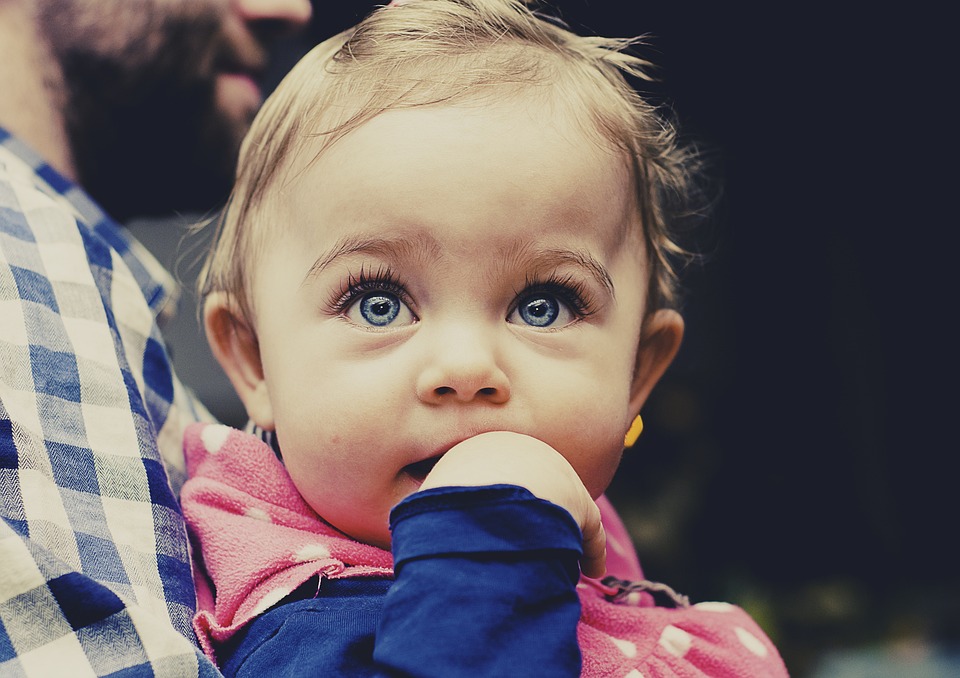
Blue eyes are most common in Northern Europe, where they are found in about 20% of the population.
Well to be more specific, they are an unusually colored bunch.
Hair can go from black to brown, flaxen, golden, or red, while eyes range from brown to blue, gray, hazel, or green.
Something to be proud of for sure.
Blue eyes are also found in some populations in Central and Eastern Europe, as well as in parts of Asia and South America.
Perhaps these people are related to the Northern Europeans?
Who knows, since Asia is pretty far but then again our ancestors would travel by horse or ship for trade and exploration.
Races have mixed over time anyway.

Blue eyes are thought to have originated about 6,000 to 10,000 years ago in a small population of people living in Europe.
A team of geneticists at the University of Copenhagen traced that mutation all the way back to a single Danish family.
Maybe they were the ones in that small European town all those years ago.
Nature and evolution decided to play their cards over time.
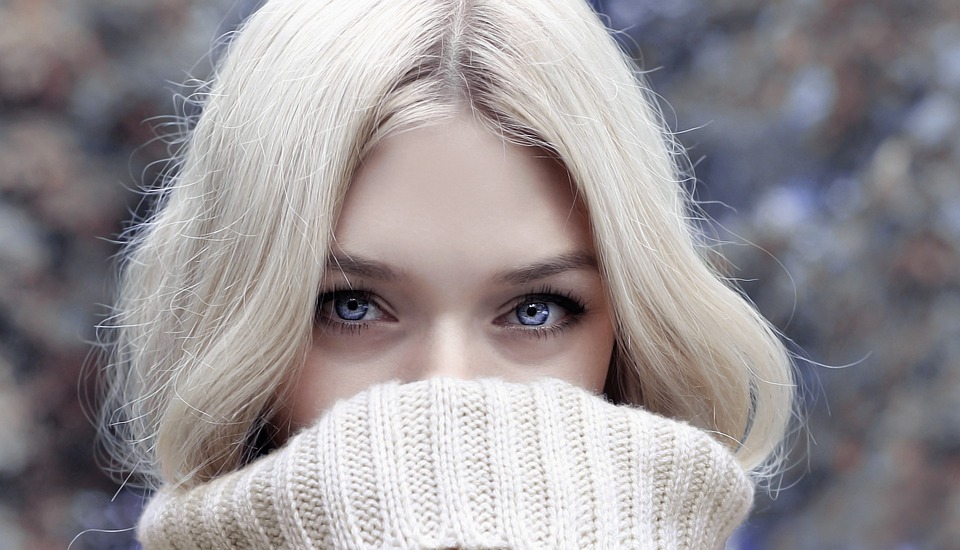
The mutation that causes blue eyes is recessive, meaning that both parents must have the mutation for their child to have blue eyes.
If you know someone with blue eyes, do ask them if both mom and dad have the same lovely shade.
This makes for a rather interesting discussion over the dinner table too.
Then there’s grandma and grandpa….

Blue eyes are more common in men than women.
Interestingly enough, gender can play a role in the chances of having blue eyes over another color.

Blue eyes are often associated with fair skin and blonde hair.
Often associated, meaning people see a lot of men and women with this combination.
And to be fair, it is a striking combo, one that always turns heads wherever they go.
Someone find a time machine so we can go back to that old European village, quick.

Blue eyes are said to be more sensitive to light than other eye colors.
That’s because melanin helps protect the retina from UV damage and blue light, hence why people with blue eyes are at a higher risk of developing UV-related eye damage.
It works out though as they can rock stylish sunglasses when they’re out.
People with blue eyes are thought to be more likely to develop certain eye diseases, such as cataracts and glaucoma.
There have been many studies suggesting that people with blue eyes are at higher risk of developing problems due to the lack of melanin.
More research is needed but getting your eyes checked regularly is still a good idea.
And don’t forget those sunglasses.

Blue eyed women can tolerate pain better
According to a University of Pittsburgh study, women with light-colored eyes like green or blue can tolerate pain and stress better than their hazel- or brown-eyed counterparts.

Blue eyes are a popular choice for contact lens wearers.
Why go for the same color if you’ll be wearing contact lenses, right?
They can be a bit of a fashion statement, so it makes sense that people will go for a striking color.
You may as well get what you pay for.
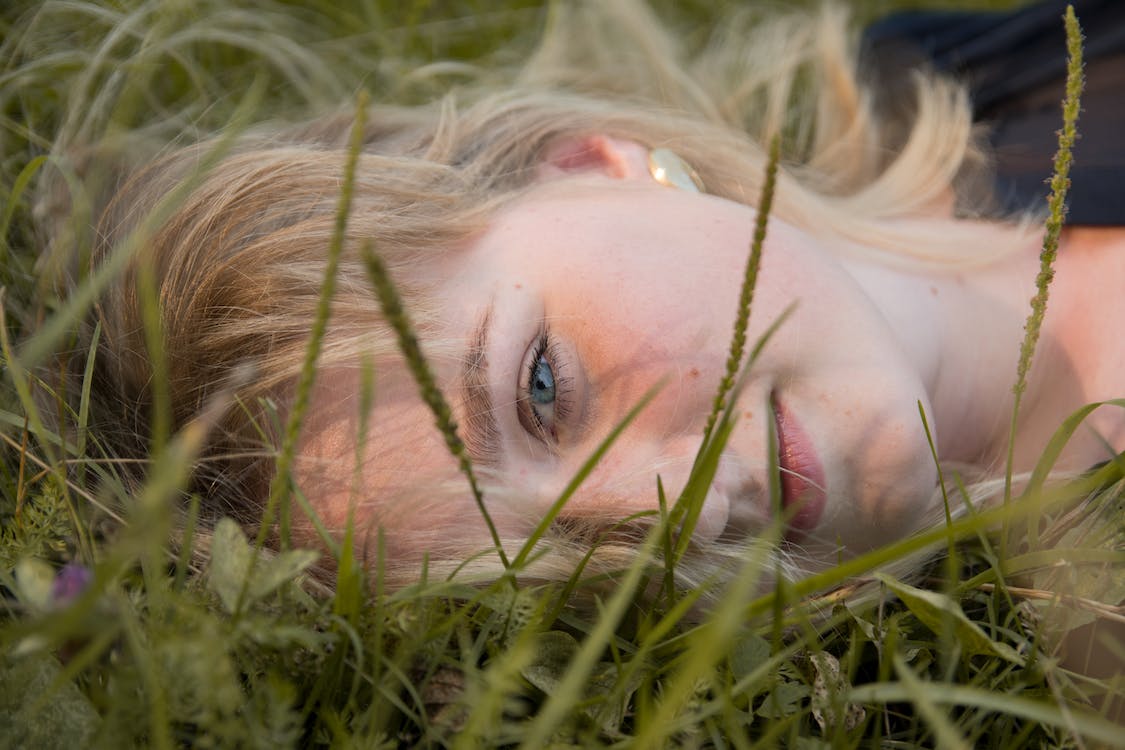
Blue eyes are often featured in art and literature.
Writers love to describe their characters as having blue eyes.
Perhaps to give it a fairy tale feel, but there’s no clear or definite answer as to why they do.
You have to admit, there’s a nice ring to it.
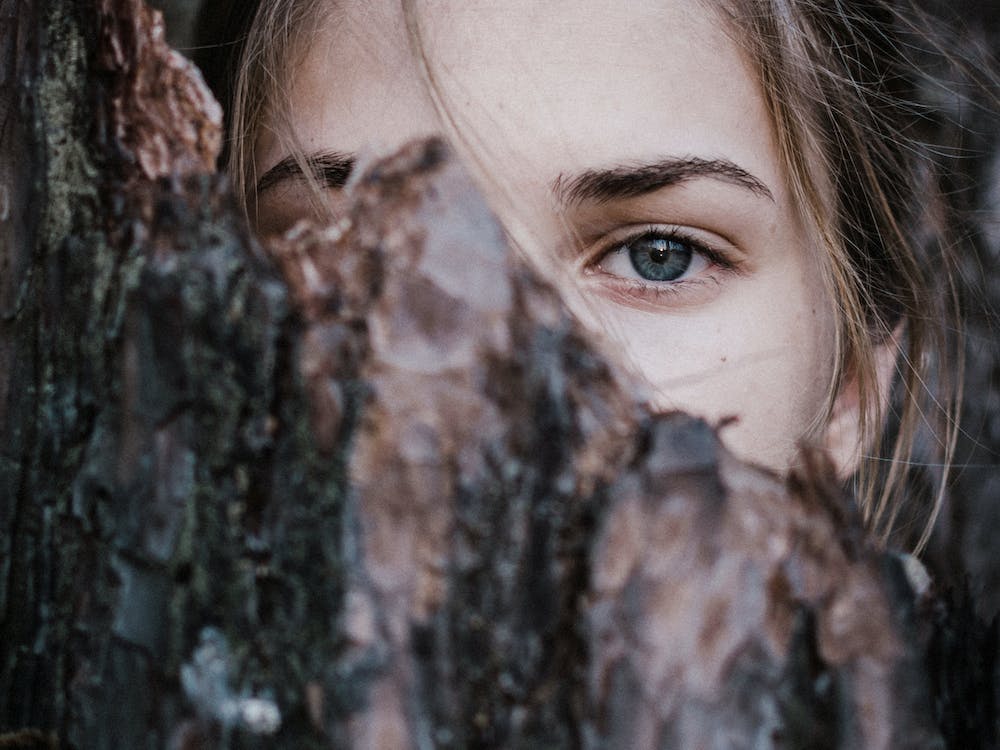
Blue eyes are a symbol of innocence and purity in many cultures.
It’s been that way for the longest time too.
Cultures vary but there are similarities with regards to tradition and how purity and innocence are often depicted.

Blue eyes are a sign of good health in many cultures.
There is research showing that having blue eyes is linked to a lower risk of developing cataracts.
According to studies, blue eyes could have evolved to help people cope better with seasonal affective disorders.
Of course, no one knows for sure as different cultures come from different climates and lifestyles.
But still, it’s nice to know one’s eyes are associated with good health.

Please SHARE this with your friends and family.


