








There are a lot of plants out there that can cause harm to humans. Some of them can even be fatal. And they’re much more common than you think.
Yes, the odds of dying from these plants are remote, but it’s better to be safe than sorry.
Everyone knows to avoid poison ivy, but really, that’s just scratching the surface when it comes to plant safety.
With just a little bit of information, you can keep yourself and your family safe from these potentially harmful plants.
Here are common 12 plants and the dangerous effects that they produce:
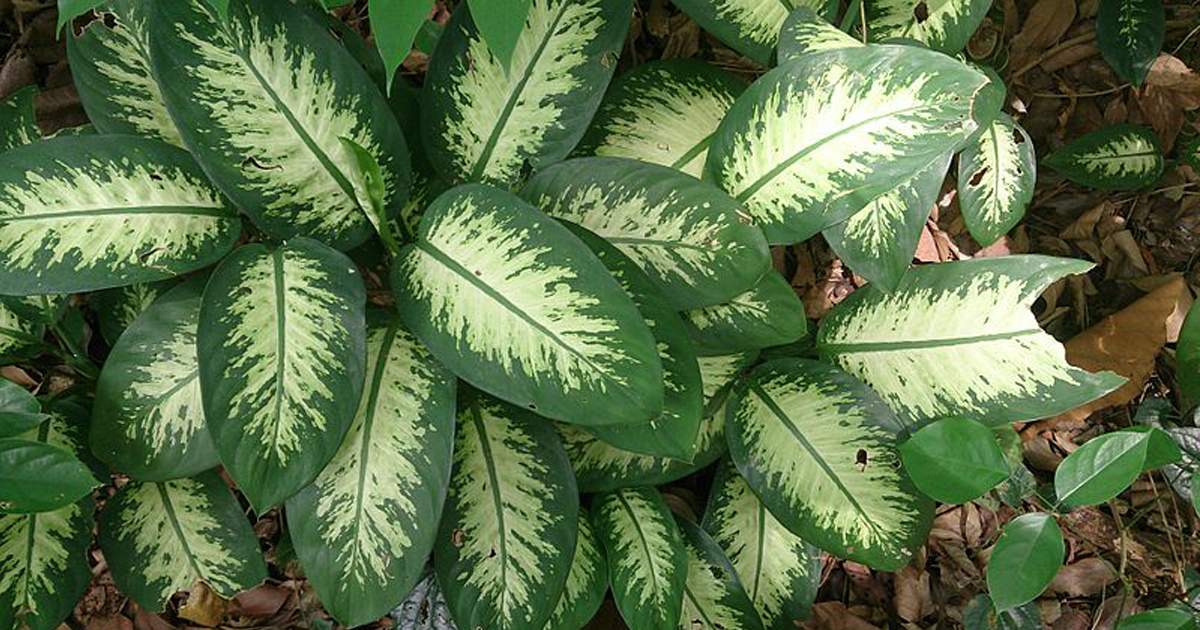
1. Dumbcane (Dieffenbachia)

Dumbcane’s pretty leaves make it a popular garden/home plant. But those leaves are toxic. They will cause blisters and swelling around/in the mouth/throat. Potentially, this can cut off the air supply, leading to death. The sap of the plant can produce similar effects.
2. Foxglove (Digitalis Purpurea)

Like dumbcane, Foxglove plants are popular, mainly for their pretty appearance. Every part of a foxglove is poisonous, but parents need to be especially wary of children being attracted to the fruit that it produces. The plant affects the heart, causing irregular heartbeats and a slowing heart rate. It also has many other nasty side effects, like vomiting and diarrhea.
3. Pong-Pong (Cerbera Odollam)

Another name for this plant is, “the suicide tree,” because its seeds are so poisonous. And while the pong-pong plants are native to South Asia, Americans have ordered it online, ingested it and sometimes died as a result.
4. Oleander (Nerium Oleander)

Oleander grows in many climates, including in the USA. All parts of the plant are poisonous. There are a range of symptoms, including heart block, vomiting and lightheadedness.
5. Aconite (Aconitum variegatum)

You may also know this plant by the names wolfsbane or monkshood. There are many different species of this plant, and all of them are dangerous. The poison is strong and fast-acting. It can cause heart problems, breathing problems and much more.
6. Hemlock (Conium maculatum)

Different parts of a hemlock plant are easily confused with wild parsnips, parsley or anise. But this plant, which grows throughout the USA, is highly poisonous. Whistles made from the stems of hemlocks have even killed children.
7. Deadly Nightshade (Atropa Belladonna)

Always be on the lookout for children picking random berries off of plants. It could be deadly nightshade (its roots and leaves also contain poison.) The symptoms are variable. But the plant is as deadly as the name suggests.
8. Rosary Pea (Abrus Precatorius)

The rosary pea is an invasive species in the US. It is located in Hawaii and Florida. The entire plant is highly toxic and causes cell death. There is also no antidote.
9. White Snakeroot (Ageratina Altissima)

Humans can suffer from white snakeroot poisoning just through drinking the milk of an animal that has eaten the plant. The poison can cause convulsions and coma before death. Other symptoms are nausea, reddened tongue, loss of appetite and abdominal discomfort.
10. Manchineel Tree (Hippomane mancinella)

The fruit of this tree is called “the apple of death” for a very apt reason. However, the entire tree is poisonous, with the sap causing burning and blistering and the smoke of the burning wood damaging the eyes.
11. Poison Sumac (Toxicodendron Vernix)

This plant is considered to be more allergenic than either poison ivy or poison oak. It is found all along the eastern and southern USA, with it mainly growing in swamps, wetlands and forests.
Please SHARE this with your friends and family.


